
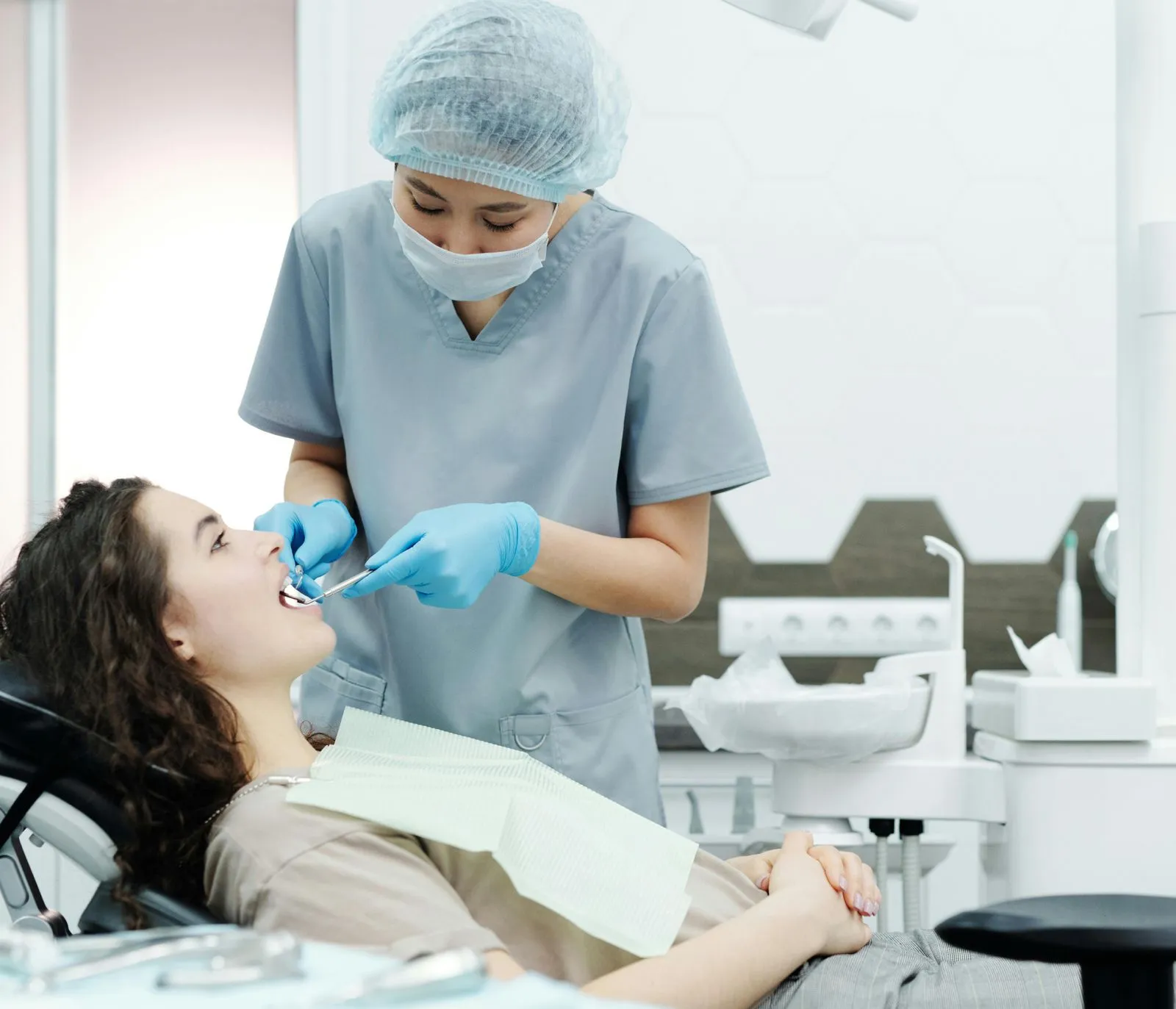


Sleep-related breathing concerns often raise a practical question: where should you start, and which professional handles each part of care? A dental visit can be useful for discussing oral-health factors, possible oral-appliance care, and how dental follow-up may fit into a broader plan. It should not replace medical evaluation when sleep apnea is suspected.
A sleep apnea dentist near me may assess your teeth, jaw, and oral-health needs, discuss whether an oral appliance conversation is appropriate, and coordinate with your physician or sleep specialist. Diagnosis, sleep testing, and confirmation that treatment is working belong in the appropriate medical care pathway. The AASM and AADSM guideline also recommends dental oversight for appliance-related side effects and follow-up sleep testing after oral-appliance therapy: read the guideline.
Understanding these boundaries can make your next conversation more productive. Start by separating what a dentist can contribute from the decisions that require coordinated medical care.
What a Sleep Apnea Dentist Near Me Can and Cannot Do
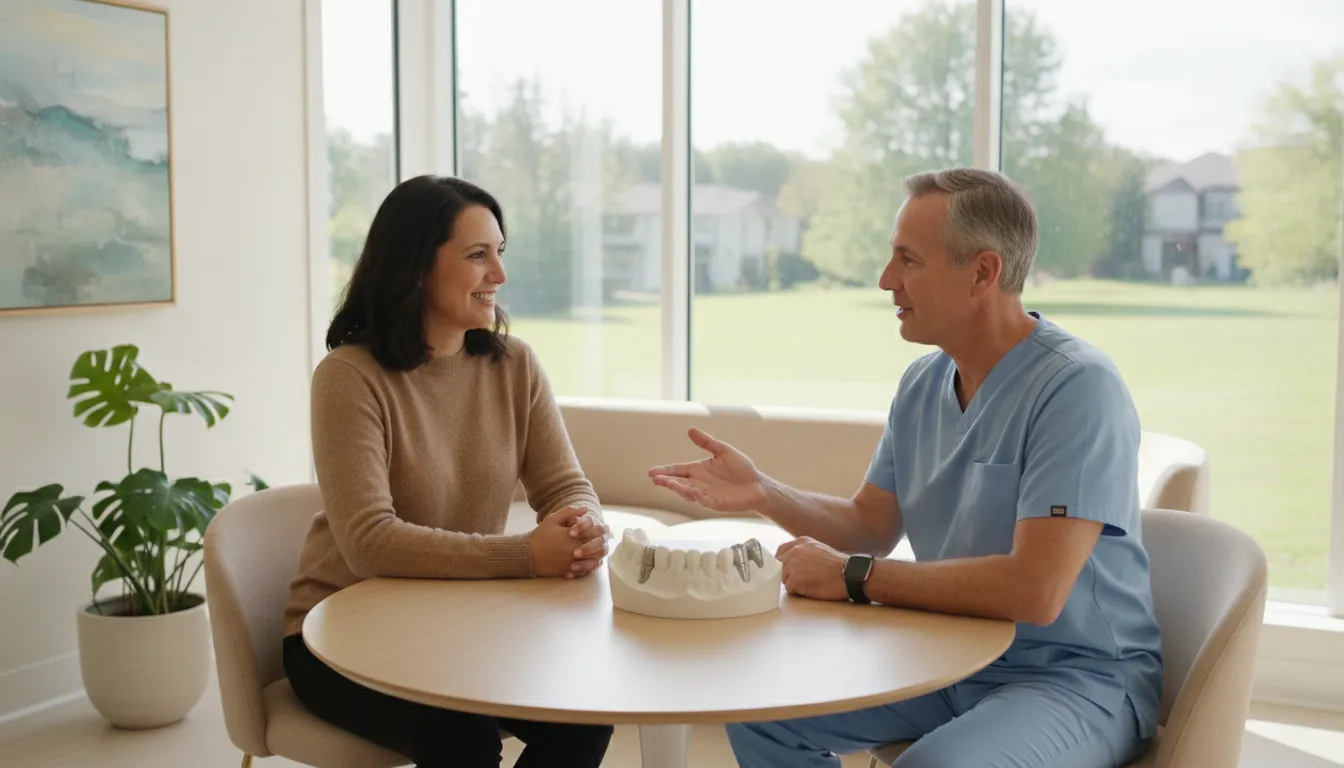
A dentist can be a helpful part of a sleep-care team, but dental care is not a substitute for medical evaluation. During an oral-health visit, a dentist may review your jaw, teeth, bite, oral tissues, and other factors that matter when discussing sleep-related breathing concerns. They can also listen to what you or a sleep partner have noticed and help you understand which questions to bring to a physician or sleep specialist. For background, review these sleep apnea symptoms and types.
The boundary is important: a dentist should not present a dental screening as a diagnosis of sleep apnea. Confirming the condition and determining its medical significance requires appropriate evaluation outside the dental chair. Sleep physicians guide diagnosis and treatment decisions, including whether an oral appliance may be appropriate for an adult with obstructive sleep apnea who cannot tolerate CPAP or prefers an alternate therapy. The clinical guideline from the American Academy of Sleep Medicine and American Academy of Dental Sleep Medicine addresses this coordinated role (clinical guideline).
What a dentist may support
When an oral appliance is part of a coordinated plan, a qualified dentist may discuss dental considerations, examine whether the device is compatible with your oral health, and provide follow-up. The guideline recommends dental oversight during oral-appliance therapy to monitor dental side effects and changes in the bite (AASM/AADSM recommendations). That follow-up is about protecting oral health and supporting the prescribed plan, not independently confirming that sleep apnea has been resolved.
Sleep-related care may also involve communication among professionals. Follow-up sleep testing is recommended for patients fitted with oral appliances so a sleep physician can improve or confirm treatment effectiveness (follow-up testing guidance). Smile Makers' TMJ and sleep-apnea service page describes collaboration with sleep specialists for CPAP or advanced treatment solutions. The appropriate next step depends on your history and clinical needs, so ask how the dental and medical parts of care would work together before scheduling any appliance-related visit.
When Should a Dentist Refer You for Sleep Apnea Care?
A referral is appropriate when sleep-related breathing concerns need evaluation beyond an oral-health visit. Loud snoring, witnessed breathing pauses, gasping during sleep, or persistent daytime fatigue can be reasons to discuss next steps with a qualified clinician. If you are unsure what symptoms matter, review these early warning signs of sleep apnea before your appointment.
Coordinated care helps keep each professional's role clear. A dentist can review oral and jaw considerations, discuss whether an oral appliance conversation may be relevant, and monitor dental changes if an appliance is prescribed. A sleep physician or other appropriate medical clinician is responsible for the medical evaluation and sleep testing that determine whether sleep apnea is present and how it should be managed. Smile Makers' TMJ and sleep-apnea service page describes collaboration with sleep specialists for CPAP or advanced treatment solutions, while noting that each plan should reflect the patient's clinical needs and preferences (learn about sleep-apnea care and specialist coordination).
How coordinated sleep-apnea care may work| Role | What they may contribute | Questions to ask |
|---|---|---|
| Dentist | Oral-health assessment, discussion of dental considerations, and follow-up for oral-appliance-related side effects or bite changes. | Could my oral health affect an appliance plan? How would you monitor my teeth and bite? |
| Sleep physician | Medical evaluation, diagnosis, treatment planning, and follow-up sleep testing when an oral appliance is used. | Do I need a sleep study or repeat testing? How will treatment effectiveness be checked? |
| Primary care clinician | Broader health context and coordination with specialists involved in evaluating sleep-related concerns. | Should my symptoms or health history be reviewed before a dental consultation? |
Professional guidance recommends dental oversight during oral-appliance therapy to monitor dental side effects and occlusal changes, and it suggests follow-up sleep testing to confirm or improve treatment effectiveness. These steps make follow-up part of responsible care, rather than a one-time appliance fitting. Bring any prior sleep-test results, treatment notes, or questions about current therapy so the professionals involved can communicate clearly.
Ask how referrals are shared, who orders testing, and who reviews the results. A clear answer can help you move forward confidently without assuming that one appointment replaces the full evaluation.
Sources: AASM and AADSM clinical practice guideline; peer-reviewed oral-appliance position paper.
What Happens at a Sleep Apnea Dental Consultation?
A consultation should feel like a conversation about your sleep, oral health, and care goals, not a rushed decision about a device. You can expect the dental team to ask what brought you in, what you have noticed at night, and whether a medical professional has already evaluated your sleep. Bring any sleep-study results, treatment notes, or questions you want to discuss.
Your oral-health history
The dentist may review your dental history, current symptoms, jaw comfort, bite, and any concerns that could affect future oral-appliance care. Be open about grinding, jaw discomfort, missing teeth, previous dental work, or changes you have noticed since beginning another treatment. This information helps the team understand your clinical needs and preferences. Smile Makers describes treatment planning as customized rather than identical for every patient, so a detailed history matters. Learn more about sleep apnea care and oral appliances.
Your current sleep evaluation and treatment experience
If you have completed a sleep study or received a diagnosis, share the report if available. The consultation can also cover how you are doing with CPAP or another prescribed approach, including comfort concerns, consistency, and questions about next steps. If you have not received a medical evaluation, say so clearly. A dental consultation does not replace appropriate sleep testing or physician-led diagnosis, and the team should explain when coordination with a sleep specialist is needed.
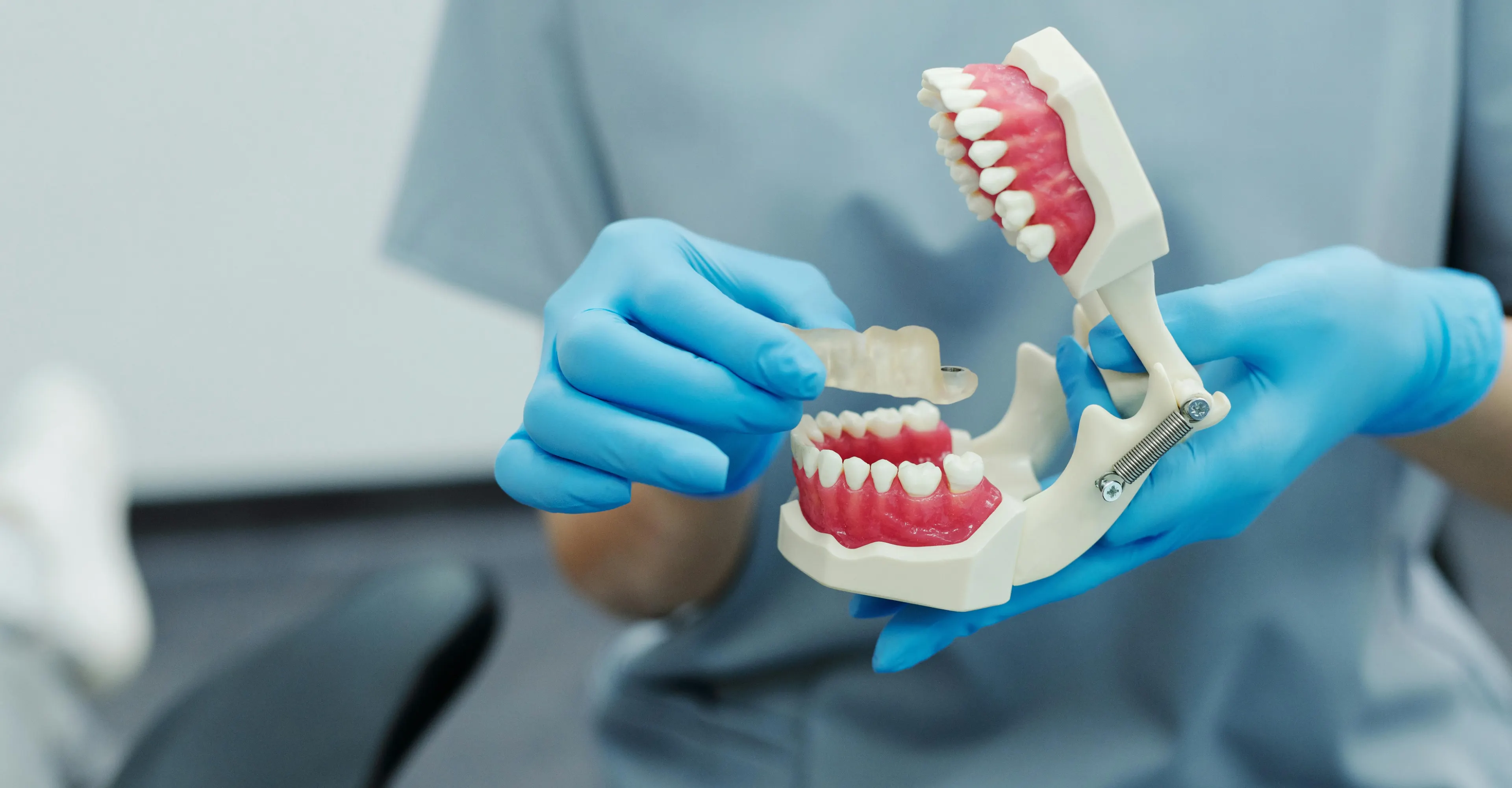
Oral appliances are dental devices that can maintain the tongue or jaw in a position intended to relieve or improve sleep-disordered breathing and snoring. But whether one is appropriate depends on the individual situation. A peer-reviewed position paper explains the dental role of oral appliances.
Questions about follow-up and coordination
Before leaving, ask who will communicate with your sleep physician, how dental follow-up will monitor possible side effects or bite changes, and whether follow-up sleep testing may be part of the plan. These safeguards are recommended in clinical guidance for oral-appliance therapy. Review the AASM and AADSM clinical practice guideline. The goal is a clear, coordinated next step, not a promise of diagnosis or eligibility at the first visit.
Are Oral Appliances Right for Every Sleep Apnea Patient?
No. An oral appliance is a clinician-directed option, not a universal solution and not the same as an over-the-counter mouth guard. Before treatment is considered, the underlying sleep-related breathing concern should be evaluated appropriately. A dentist can discuss oral-health factors and appliance care, while a sleep physician or other medical professional helps determine the diagnosis and treatment plan.
For adults with obstructive sleep apnea who cannot tolerate CPAP or prefer an alternate therapy, clinical guidelines recommend that sleep physicians consider prescribing an oral appliance rather than leaving the condition untreated. That does not mean every patient is a candidate. Your medical evaluation, sleep-disorder findings, jaw and dental health, and treatment preferences all matter. You can review how sleep apnea dental appliances work before a consultation, but online information cannot establish eligibility.
What the appliance does
Oral appliances are dental devices designed to maintain the position of the tongue or jaw during sleep, which may help relieve or improve sleep-disordered breathing. Some devices position the lower jaw forward to help reduce airway obstruction. Because the fit and amount of advancement affect how the device functions, guidelines suggest considering a custom, titratable appliance instead of a non-custom device. "Titratable" means the appliance can be adjusted under professional direction as the care team evaluates your response.
This is one reason a generic product from a store should not be treated as a substitute for a prescribed appliance. A poor fit may be uncomfortable or fail to address the individual's needs. For a broader comparison, read how to compare CPAP and oral appliance options. In some care plans, an oral appliance may be discussed alongside CPAP rather than as an automatic replacement. The appropriate approach depends on the medical evaluation and communication among the professionals involved.
Why follow-up is part of treatment
Care does not end when the appliance is delivered. Dental follow-up is recommended to monitor possible dental side effects and changes in the bite. Follow-up sleep testing is also suggested after oral-appliance therapy to help confirm or improve treatment effectiveness. Ask how adjustments, dental checks, and communication with your sleep physician will be handled. If you are researching a sleep apnea mouth guard options, bring those questions to a qualified care team rather than choosing a device based only on convenience.
A personalized plan may include coordination between your dentist and sleep specialist, with each professional contributing within their role. That collaborative approach helps keep appliance decisions, dental monitoring, and sleep-related follow-up connected.
Questions to Ask Before Choosing Dental Sleep Apnea Care
A thoughtful consultation should leave you with a clear understanding of roles, next steps, and follow-up. Bring any sleep-study results, referral notes, or information about treatments you have already tried. Then ask:
- Has my sleep apnea been medically evaluated, and do you need records from my physician or sleep specialist? A dental consultation can address oral-health considerations, but it should fit within appropriate medical evaluation and coordinated care.
- How will you communicate with the clinician managing my sleep care? Ask how referral information, treatment plans, and follow-up findings will be shared. Smile Makers' TMJ and sleep-apnea service page describes collaboration with sleep specialists for CPAP or advanced treatment solutions: review the practice's sleep-apnea and TMJ services.
- What type of appliance would you consider, and how would it be customized? For adults using oral-appliance therapy, the AASM and AADSM guideline suggests considering a custom, titratable device rather than a non-custom oral device. Read the clinical guideline on custom, titratable appliances.
- How will you monitor my teeth, bite, jaw, and other dental side effects? Ask how often follow-up visits occur and what changes should prompt a call. The guideline recommends qualified dental oversight to survey for dental-related side effects and occlusal changes. See the follow-up recommendation for oral-appliance therapy.
- Will follow-up sleep testing be part of the plan? Ask who orders or reviews testing after an appliance is fitted. Follow-up sleep testing may help confirm or improve treatment efficacy, according to the same guideline. Review the recommendation for follow-up sleep testing.
- Who makes adjustments, and what should I do if the appliance feels uncomfortable? Confirm how adjustment requests are handled, when the device will be reassessed, and whether dental concerns should be routed to the treating office.
- Which Smile Makers office handles this visit? Ask which location and clinician are appropriate for your needs before scheduling. Services may vary by office, so confirming the visit details in advance can make care more convenient and coordinated.
Schedule an appointment to discuss your next steps
How to Find Sleep Apnea Dental Care Near You in Northern Virginia
Convenience matters when care may involve a conversation, follow-up visits, and coordination with other members of your healthcare team. Smile Makers Dental Center has offices in Leesburg, Tysons, Falls Church, Fairfax, Bailey's Crossroads, and Woodbridge. These locations provide a starting point for finding a nearby office. But do not assume that every location offers identical sleep-apnea services or that a particular provider is available at each office.
Before booking, contact the office that is easiest for you to reach and ask whether it handles the sleep-related dental service you want to discuss. The practice lists TMJ and sleep-apnea solutions, including oral appliances and therapeutic interventions, among its specialty care areas. You can review the sleep apnea care in Northern Virginia service page, then verify the appropriate office and service directly. A team member can help clarify whether your visit should begin with a general dental appointment, a specialty consultation, or coordination with a sleep specialist.
Bring practical information that can make the conversation more useful:
- Any sleep study report, diagnosis, or referral information you have received.
- A current list of medications and relevant medical conditions.
- Information about CPAP use, oral appliances, snoring, or other sleep-related concerns.
- Questions about who will coordinate follow-up and what the next step may be.
You do not need to arrive with a treatment decision. A patient's plan should be customized to clinical needs and preferences, as described by the practice. The dental team can discuss oral-health considerations and possible next steps while working within the appropriate boundaries of medical and sleep care. Preparing your records and confirming the right office helps keep that process clear and comfortable. The questions below address common concerns people have before starting that conversation.
Schedule an appointment before the FAQ
Frequently Asked Questions
What can a dentist do if I may have sleep apnea?
A dentist can review relevant oral-health findings, discuss sleep-related concerns, and explain whether dental care may support a broader treatment plan. A dentist does not replace a physician or sleep specialist for diagnosis, so ask how the office coordinates referrals and follow-up when sleep apnea is suspected.
Will I need a referral or sleep testing before discussing an oral appliance?
That depends on your situation and the office's clinical process. Bring any existing sleep-study results and ask whether medical evaluation or communication with a sleep physician should come first. Follow-up sleep testing may be recommended after an appliance is fitted to help confirm treatment effectiveness (AASM and AADSM guideline).
Are oral appliances appropriate for everyone with sleep apnea?
No. Eligibility depends on clinical findings, the type of sleep-disordered breathing, dental health, and coordination with your medical team. For adults who cannot tolerate CPAP or prefer an alternative, guidelines recommend considering a custom, titratable appliance rather than a non-custom device (AASM and AADSM guideline).
What should I bring to a sleep apnea dental consultation?
Bring sleep-study reports, your current diagnosis or referral information, a list of medications, and notes about snoring, gasping, morning symptoms, or daytime sleepiness. Also bring any CPAP or oral-appliance history, including comfort concerns and questions about adjustments or dental follow-up.
How do I find the right sleep apnea dentist near me in Northern Virginia?
Start with a convenient Smile Makers location, then call to verify which office and clinician handle your concern. Ask about referral communication, appliance follow-up, and what records to send before scheduling. Smile Makers lists offices in Leesburg, Tysons, Falls Church, Fairfax, Bailey's Crossroads, and Woodbridge (service information).
Ready to Discuss Your Next Steps?
A conversation with a dental team may help you understand how your oral health and sleep-related concerns fit into a coordinated care plan. An appointment is a chance to share your questions, discuss any current evaluation or treatment, and learn what next steps may be appropriate without assuming a diagnosis.