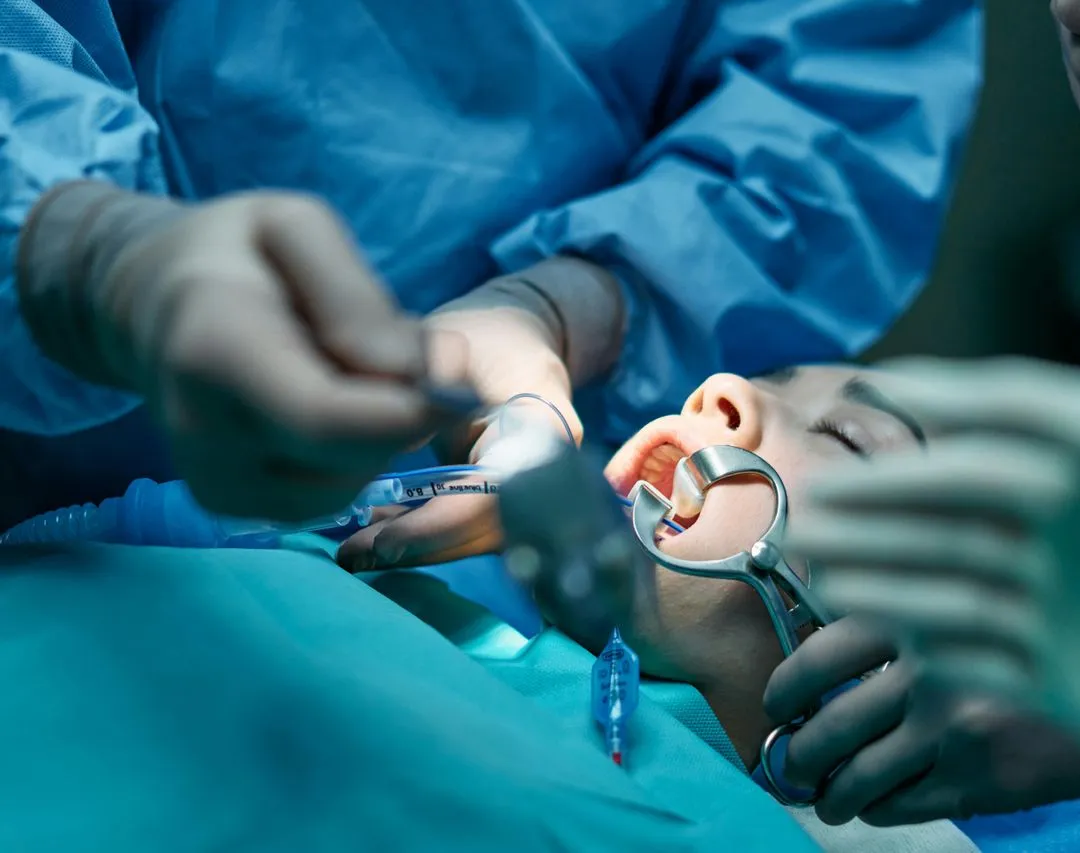
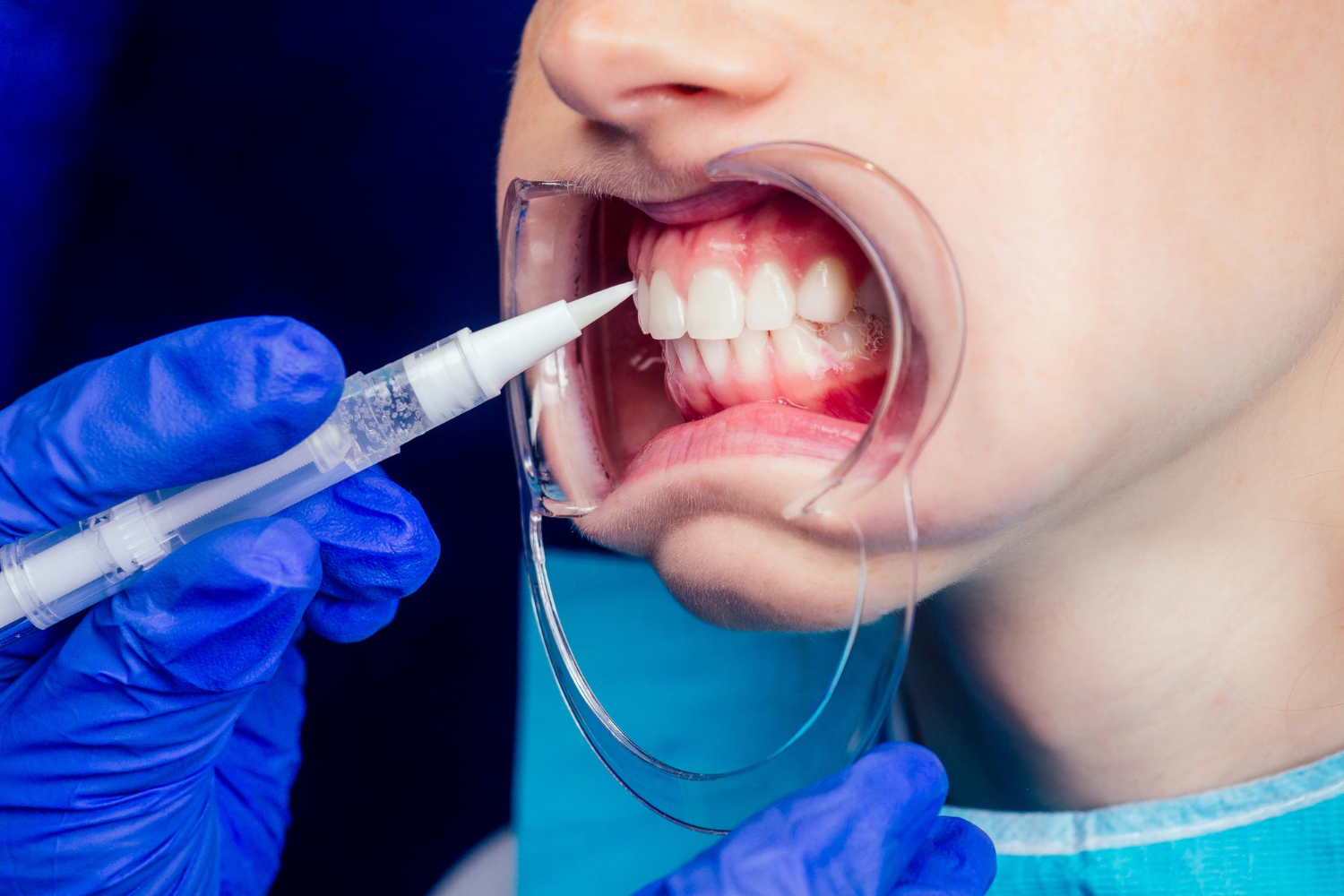
The most common condition treated in periodontics is periodontal (gum) disease. This condition is caused by bacterial plaque that accumulates on teeth along the gumline. When plaque is not properly and regularly removed through daily oral hygiene and professional cleanings, it hardens into tartar, which harbors bacteria and causes inflammation.GingivitisThe earliest stage of gum disease is gingivitis. This stage is characterized by red, swollen, and bleeding gums. However, gingivitis is still reversible with proper care.
If left untreated, gingivitis can progress into periodontitis, a more severe form of gum disease that affects the deeper supporting structures of the teeth. Periodontitis can cause gum recession, bone loss, and, in advanced cases, tooth loss. The condition is also linked to systemic health issues such as heart disease, diabetes, and respiratory problems.
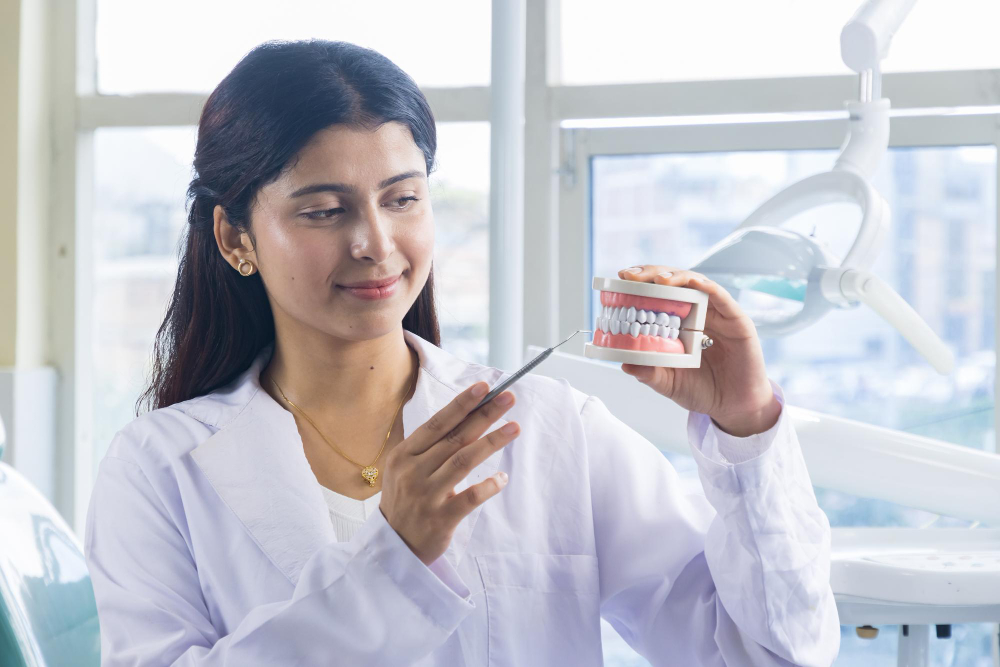
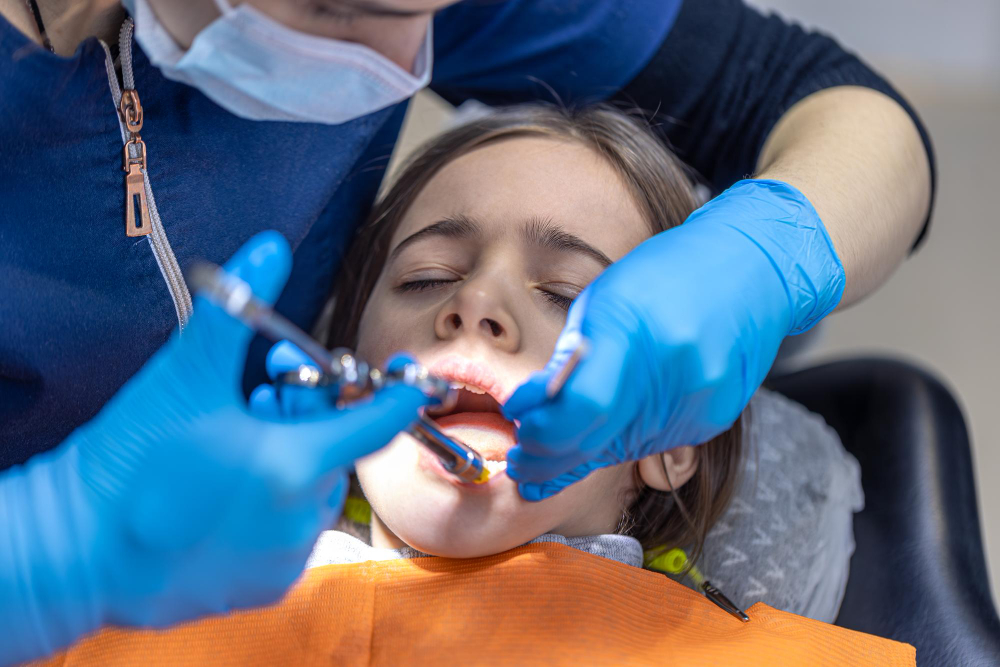
Gum recession is a common consequence of periodontitis, aggressive brushing, or genetic predisposition. When gums recede, they expose the roots of the teeth, which leads to increased sensitivity, a higher risk of cavities, and concerns about appearance. Gum graft surgery is a highly effective periodontal procedure used to restore lost gum tissue and to protect tooth roots.
During gum graft surgery, we take a small piece of tissue from the patient's palate or a donor source, and attach it to the affected area. This procedure improves the appearance of the gums, and strengthens the protective barrier around the teeth. Patients who undergo gum graft surgery experience reduced sensitivity, a lower risk of further gum recession, and improved oral health.
Soft tissue grafting is a broader term that encompasses the various grafting techniques used to restore gum tissue. In addition to gum graft surgery, soft tissue grafting can be performed for other periodontal and cosmetic needs.
This procedure is highly beneficial for patients who have lost gum volume due to periodontal disease or trauma. Soft tissue grafting enhances the stability of the teeth and reduces the risk of further complications. The success of soft tissue grafting depends on proper postoperative care, which includes great oral hygiene at home, and being gentle on the gums as the graft heals.
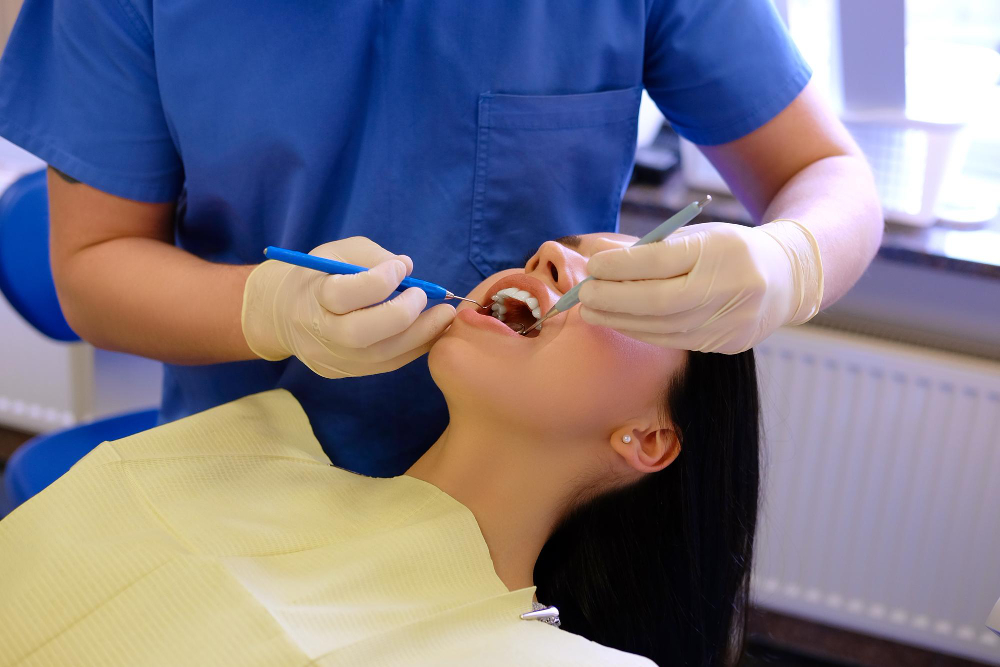
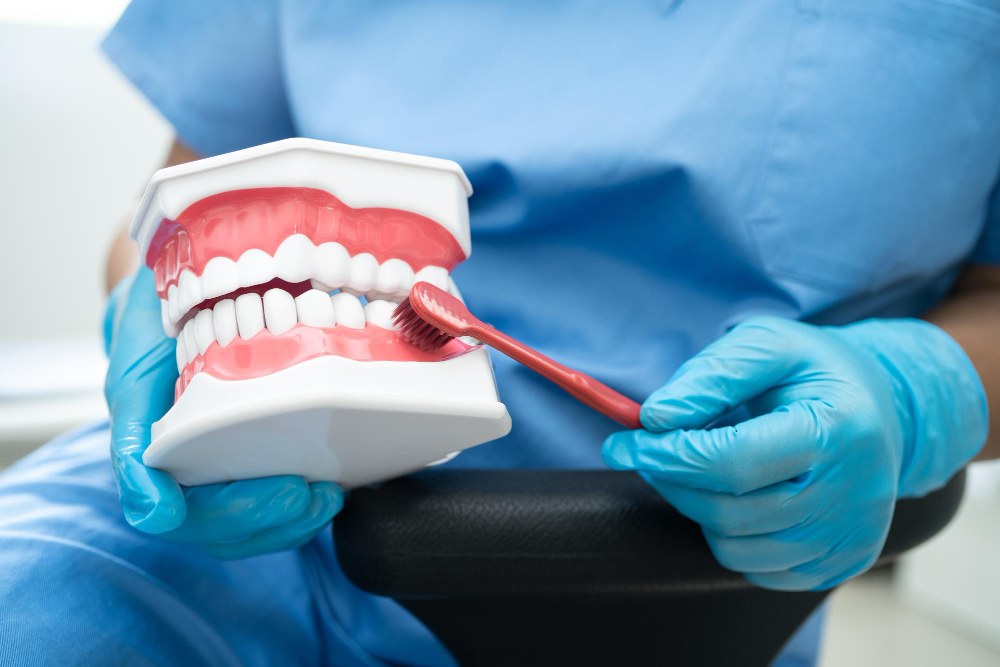
Advancements in periodontal care continue to improve treatment outcomes and patient comfort every day. Minimally invasive techniques, laser assisted procedures, and biologic therapies have revolutionized the way gum disease and tissue deficiencies are managed. These innovations allow for faster healing, reduced discomfort, and more predictable outcomes.
Researchers are further exploring the link between periodontal health and systemic conditions, which shows the importance of maintaining healthy gums for wellbeing overall. As the understanding of periodontics evolves, patients can expect even more effective and personalized treatment options.