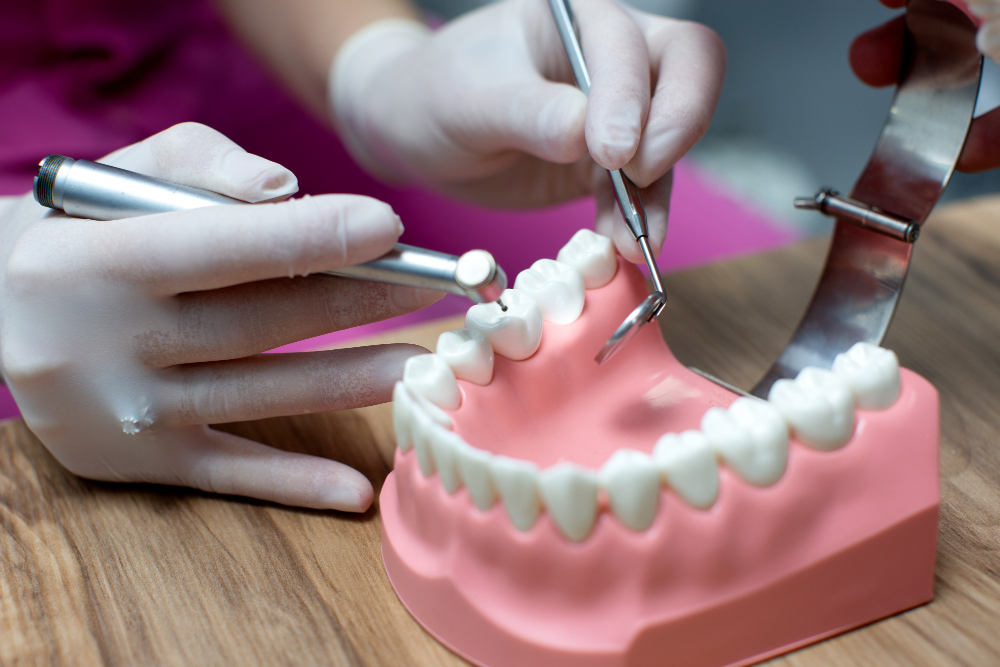
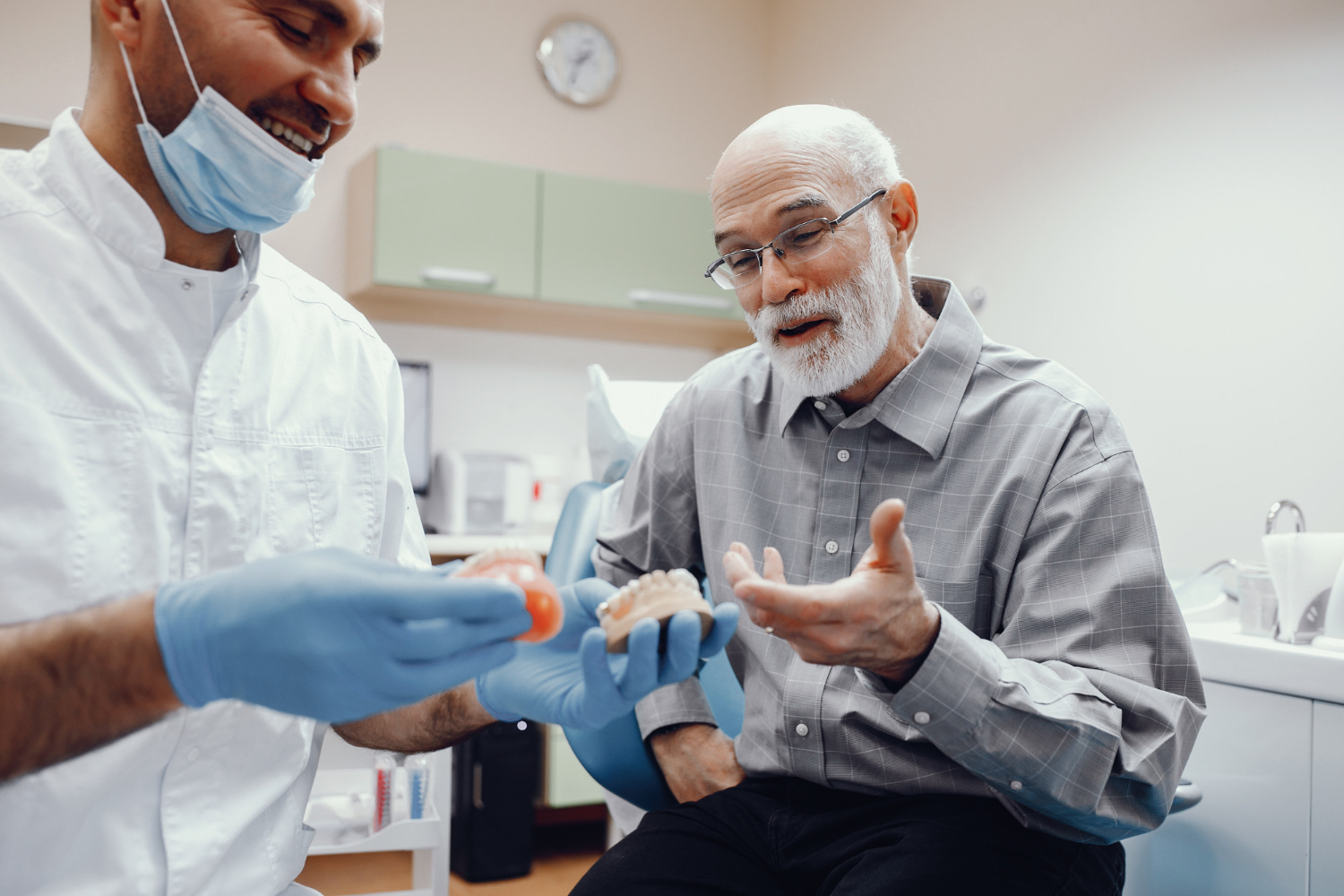
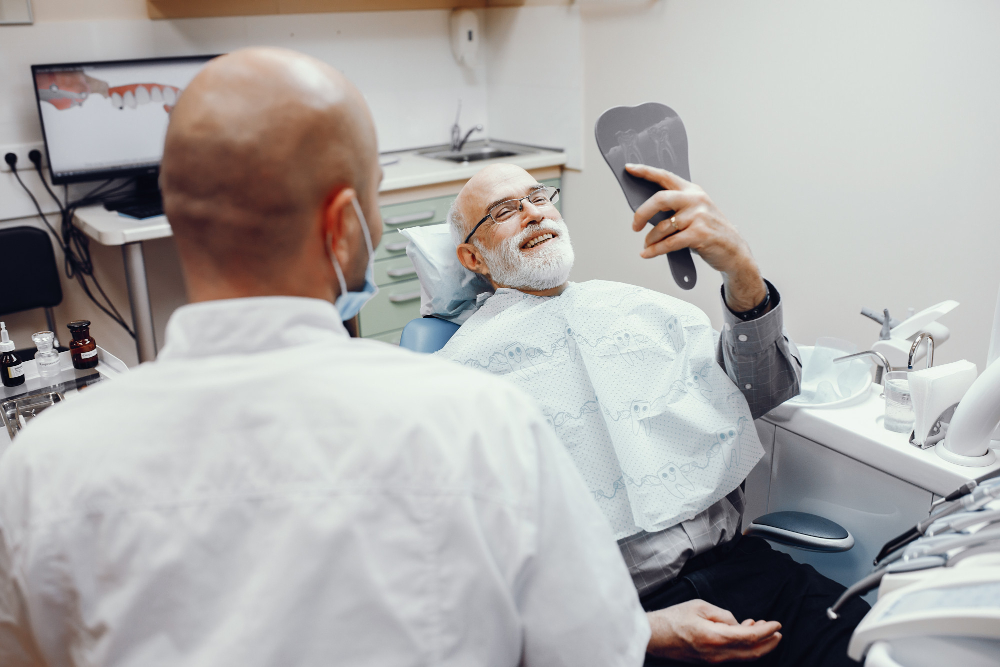
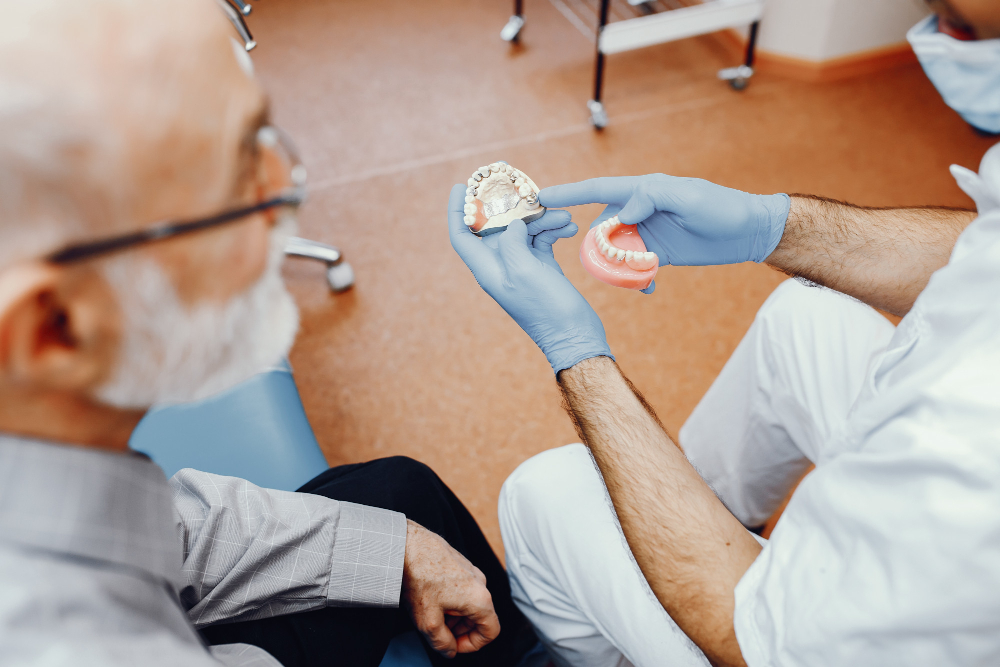
Partial bridges are used when one or more natural teeth remain in the upper or lower jaw. These prosthetics are anchored to the existing, adjacent teeth using crowns to support the bridge. The adjacent teeth are prepared by removing some enamel to accommodate the crowns, and after the bridge is placed, the artificial teeth (pontics) literally bridge the gap created by missing teeth. Partial bridges can be removed for cleaning and maintenance, which offers flexibility for easier cleaning.
Complete fixed bridges, also known as full-arch bridges, replace a full arch of teeth in either the upper or lower jaw. These prosthetics are permanently attached to multiple implants, which provide stability and function that mimic the natural teeth. The number of implants required varies but typically ranges from four to eight per arch, depending on the patient's bone density and dental anatomy.
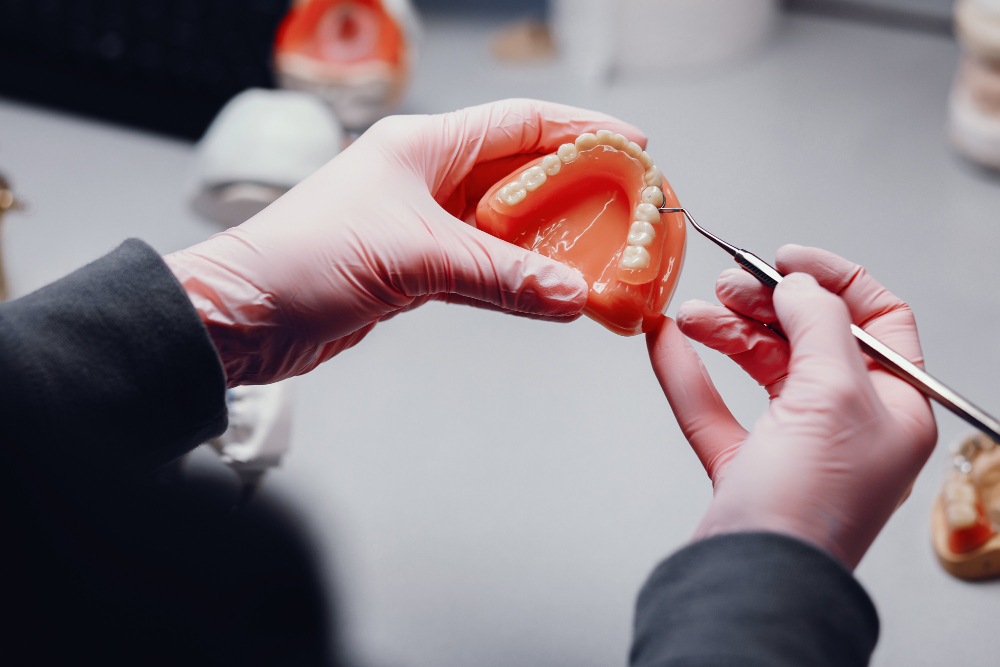
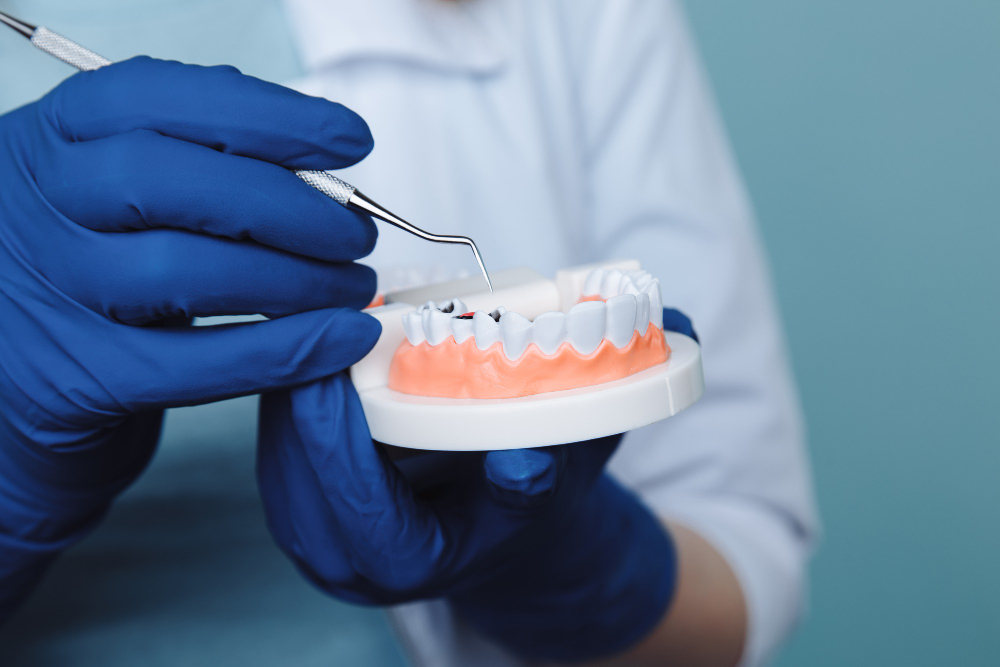
Overdentures are an innovative solution that combines traditional denture technology with modern implant support. These prosthetics can be either implant retained or implant supported. The difference is that implant retained overdentures typically use two to four implants with attachment systems that allow the denture to snap securely into place, but are removable for cleaning. Both of these options improve stability compared to conventional dentures, and prevent slippage.
The primary advantages of overdentures include:
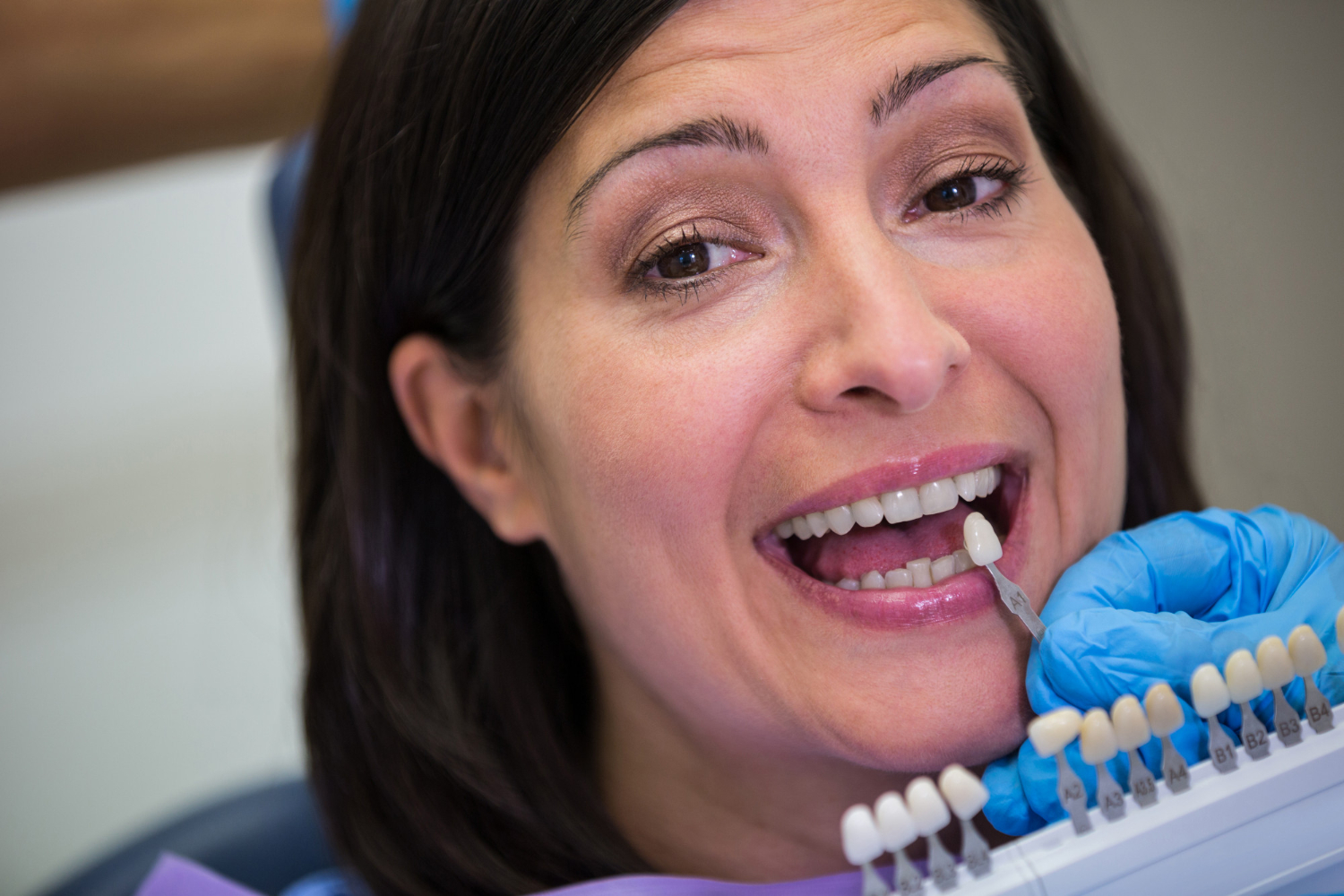
Ceramic and porcelain materials offer the most natural appearance, and are ideal for the visible front teeth.
Porcelain-fused-to-metal combines the strength of metal alloys, but with the superior appearance of porcelain.
Metals provide maximum durability, and are typically used for molars in the back of the mouth to withstand the strongest bite forces.
Zirconia offers excellent strength, as well as appearance.
The crown preparation process typically requires two appointments: one for preparing the tooth and taking impressions, then a second to place the crown permanently.