.jpg)
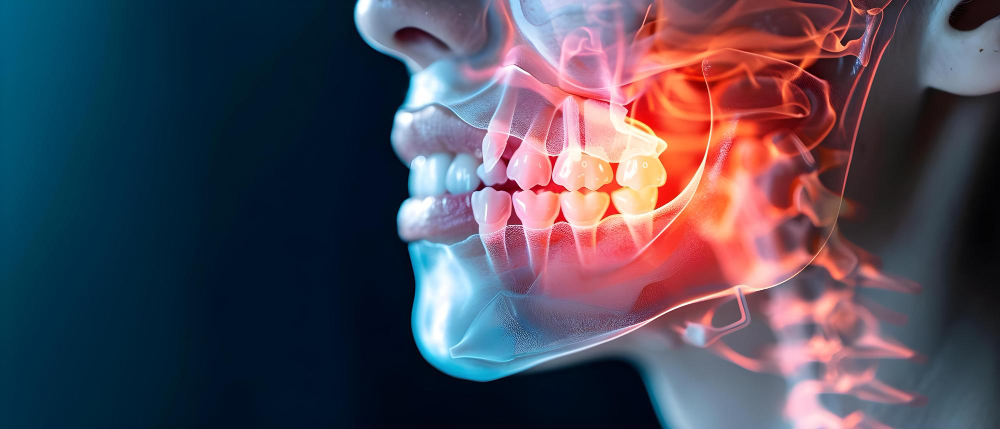
TMJ disorders affect the temporomandibular joint that connects the jaw to the skull. These conditions can cause jaw pain, headaches, difficulty chewing, and clicking or popping sounds in the jaw. Common causes include stress, teeth grinding, arthritis, and jaw misalignment. Some patients experience limited jaw movement, locking of the jaw, and facial discomfort that affects daily activities. TMJ disorders can range from mild to severe and often worsen over time without intervention.
A thorough examination helps determine the severity of TMJ dysfunction, leading to personalized treatment recommendations. Early diagnosis is essential for preventing further complications such as chronic pain and joint deterioration. Without timely intervention, TMJ disorders can impact overall health, leading to tension headaches, neck pain, and difficulty eating.

Treatment options for TMJ include:
Each treatment plan is tailored to the patient's needs, ensuring long-term relief and prevention of recurring symptoms. Patients are encouraged to maintain good posture, avoid excessive gum chewing, and practice relaxation techniques to prevent unnecessary jaw tension.
Sleep apnea is a serious condition where breathing repeatedly stops and starts during sleep. The most common type, obstructive sleep apnea (OSA), occurs when the airway becomes blocked due to relaxed throat muscles. Symptoms include loud snoring, excessive daytime fatigue, morning headaches, and frequent nighttime awakenings. Left untreated, sleep apnea can contribute to cardiovascular disease, diabetes, and increased risk of accidents due to daytime drowsiness.
Patients may not always be aware of their symptoms, as sleep apnea episodes often occur unnoticed during the night. A partner or family member may notice irregular breathing patterns or excessive snoring. Identifying sleep apnea early allows for more effective treatment and prevention of severe complications. Studies have also linked untreated sleep apnea to cognitive decline, memory loss, and mood disorders such as depression and anxiety.
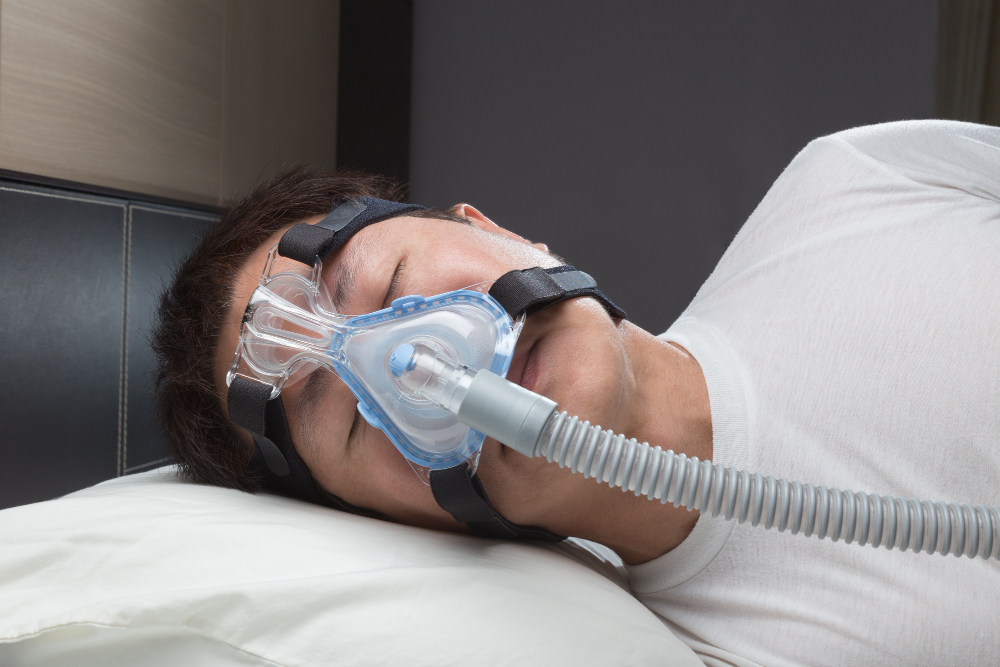

Our practice offers multiple sleep apnea treatment options, including:
Oral appliances are often an excellent alternative to CPAP therapy for patients with mild to moderate sleep apnea. These devices are comfortable, portable, and designed for long-term use.
Patients who require CPAP therapy but struggle with compliance can explore alternative treatment methods tailored to their condition. By improving airflow and reducing apnea episodes, these treatments help restore restful sleep and enhance overall well-being.
In addition to professional treatments, certain lifestyle changes can support the management of TMJ disorders and sleep apnea. Patients can benefit from:
By making these adjustments, patients can enhance the effectiveness of their treatment and improve their overall quality of life. Small adjustments in daily habits can make a significant impact on managing TMJ and sleep apnea symptoms.

1.webp)
Dr. Rashmi Kolichala is a recognized expert in TMJ disorders and sleep apnea, with advanced training in Orofacial Pain and TMD from Rutgers School of Dental Medicine. She combines clinical precision with a compassionate, patient-centered approach to deliver lasting relief and improved quality of life. Through customized appliance therapy and modern treatment techniques, Dr. Kolichala helps patients achieve comfort, better sleep, and long-term oral health.