
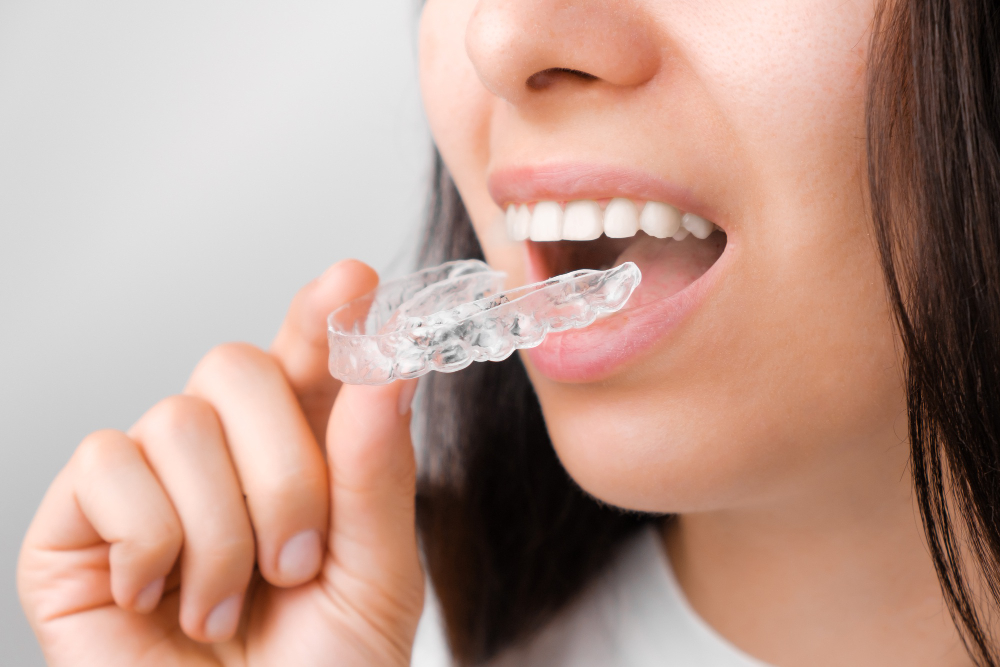
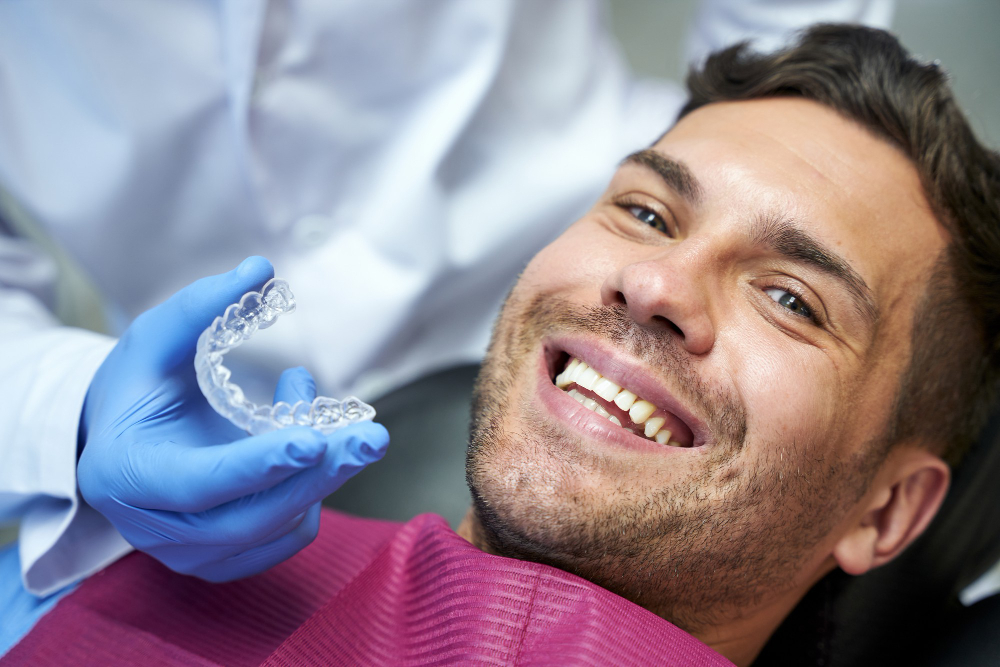
Clear aligners are nearly invisible, and removable. They provide a great alternative to traditional braces. These aligners are custom made trays that gradually shift teeth into their ideal positions using gentle pressure. Clear aligners are made of transparent medical grade plastic, and provide a discrete choice for patients who want to straighten their teeth without the appearance of traditional braces.
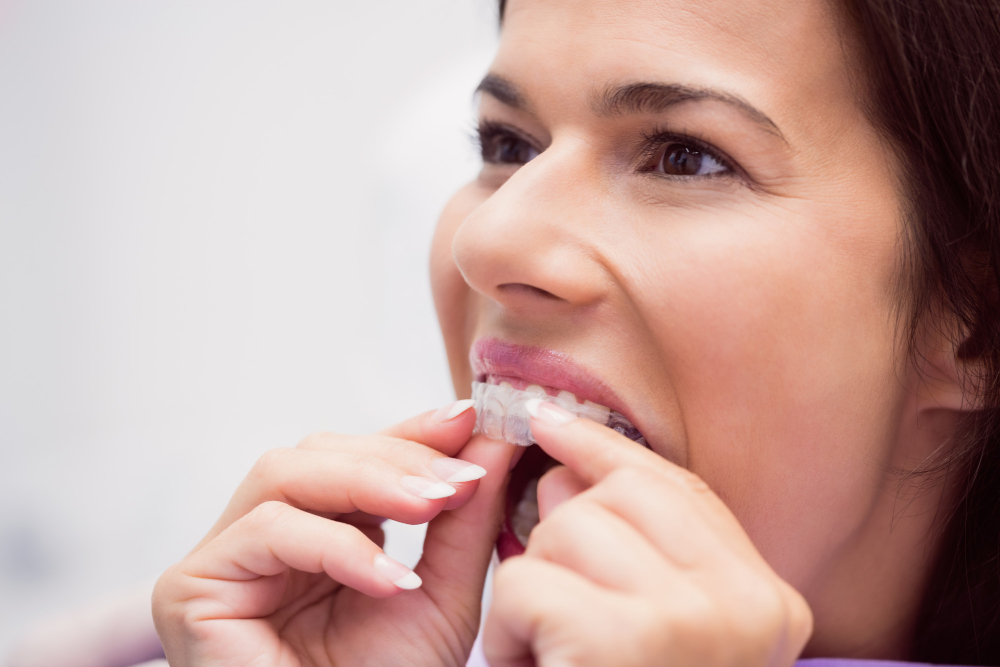
The process begins with a digital scan or impression of the patient's teeth, which is used to design a series of aligners that progressively adjust the teeth into place. Patients typically wear each set of aligners for one to two weeks before switching to the next in the sequence. Compliance is the key to success. Clear aligners must be worn for at least 20 to 22 hours per day to achieve the intended results in the shortest amount of time.
One of the biggest advantages of clear aligners is their removability. Unlike traditional braces, they allow individuals to eat, drink, brush, and floss easily. This leads to better oral hygiene and a reduced risk of other dental issues. However, clear aligners are not suitable for all orthodontic cases.
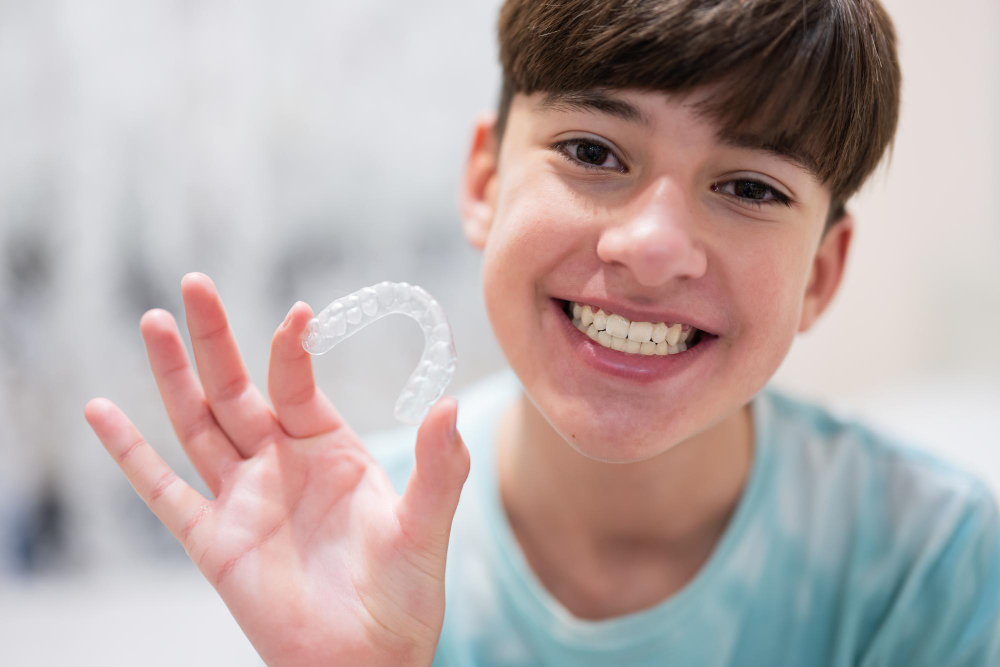
Teenagers who require orthodontic treatment often face concerns about appearance. Invisalign for Teens addresses these concerns and provides effective teeth straightening. This version of Invisalign includes features tailored to younger patients, such as compliance indicators and eruption tabs.
The biggest challenge with teen patients is wearing the aligners 20 to 22 hours per day. Invisalign for Teens incorporates small blue compliance indicators that fade over time. This allows parents and our team to monitor usage. In addition, Invisalign for Teens includes eruption tabs that accommodate growing molars and ensure their proper alignment.Unlike traditional braces, which may cause self-consciousness, clear aligners allow teens to smile with confidence throughout treatment. The ability to remove the aligners also means they can continue in athletics, playing musical instruments, and eating their favorite foods.However, the success of Invisalign for Teens depends on responsible usage. If a teen frequently removes their aligners or misplaces them, the treatment will be compromised.
When deciding between traditional braces and clear aligners, several factors come into play, such as effectiveness, appearance, comfort, and maintenance.
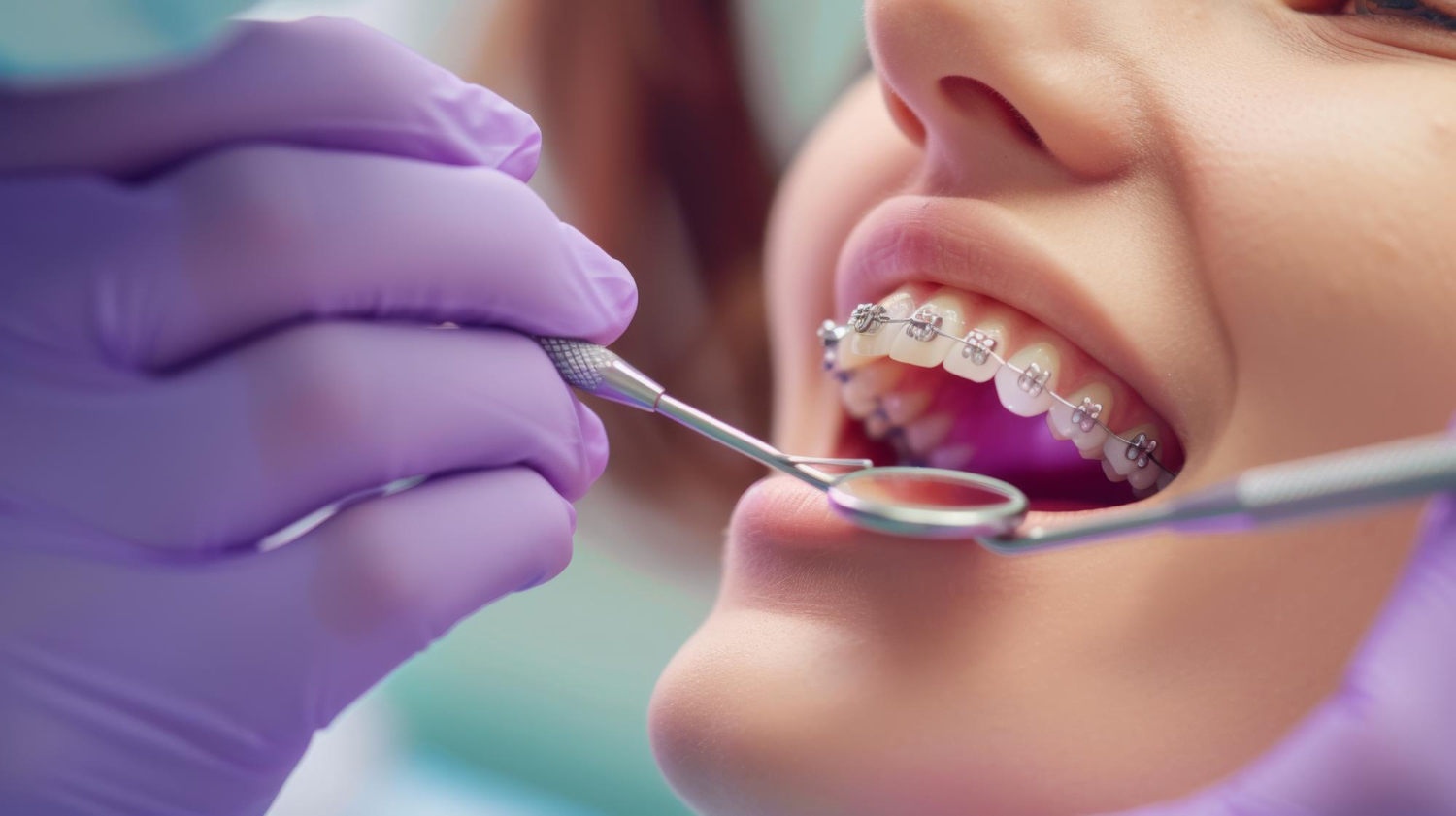
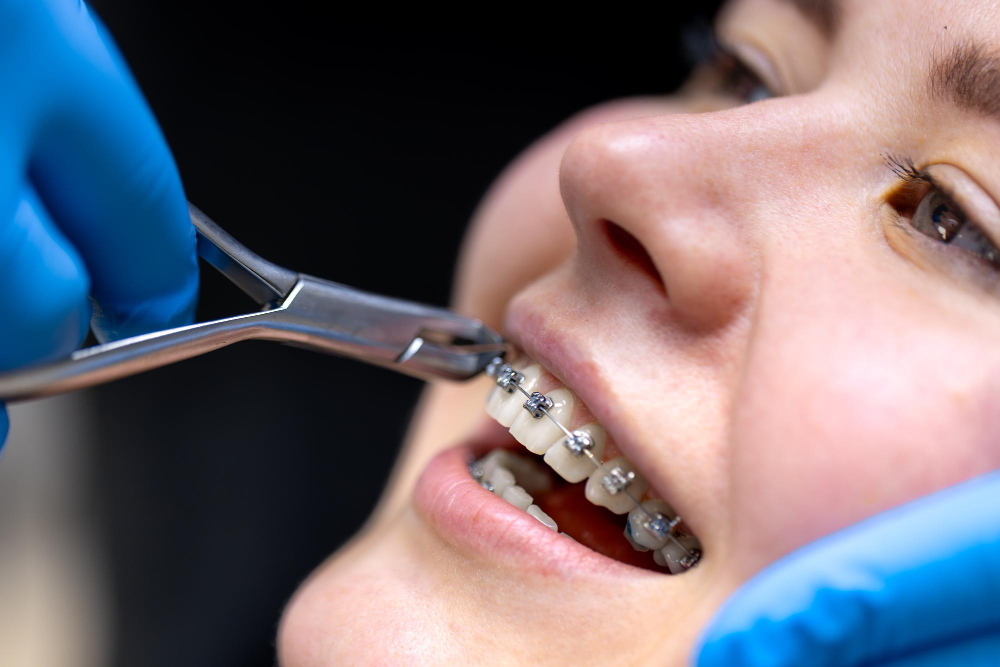
Traditional braces are effective for a wide range of orthodontic problems. They consist of metal brackets attached to the teeth and connected by wires, which are periodically tightened to guide the teeth into proper alignment. For patients with complex cases, traditional braces are the most reliable option.
The drawback of traditional braces is their appearance. However, advancements in orthodontics have led to the development of ceramic braces, which use tooth-colored brackets for a less conspicuous look.
But clear aligners provide an advantage. Their nearly invisible design makes them a preferred choice for individuals who want to straighten their teeth discreetly. They are also more comfortable than braces because clear aligners do not have metal components that may cause irritation.
Maintenance and hygiene are additional considerations. Traditional braces require careful cleaning. Food gets stuck between brackets and wires and requires intricate cleaning. Clear aligners allow normal brushing and flossing, which contributes to better oral health.
Cost and treatment duration must be considered. Clear aligners are comparable in price to traditional braces, but they are not suitable for all cases. Braces are often recommended for patients who need significant tooth movement or bite correction.