


Waking with a dry mouth, morning headache, or feeling unrefreshed after a full night can be more than ordinary tiredness. Sleep apnea is a common and treatable sleep-related breathing disorder, but its symptoms are easy to overlook or mistake for stress.
What is sleep apnea? It is a condition in which breathing repeatedly stops and starts during sleep, often because the airway becomes blocked. These pauses can reduce oxygen and interrupt restorative sleep. The main types are obstructive, central, and complex sleep apnea. Loud snoring, gasping, daytime sleepiness, and difficulty concentrating are common clues, but only a qualified evaluation can determine the cause.
Schedule a sleep apnea screening at Smile Makers Dental Center
Understanding how these breathing interruptions occur makes it easier to recognize the signs and choose an appropriate next step. First, let us look at why they disrupt sleep and how the different forms affect breathing.
What Is Sleep Apnea and Why Does It Disrupt Your Sleep?
Sleep apnea is a common condition in which breathing stops and starts repeatedly while you sleep, which can keep your body from receiving enough oxygen. These interruptions may happen without you fully waking up, so you may not realize that your sleep is being disturbed. A bed partner may notice loud snoring, pauses in breathing, or sudden gasping before you notice any symptoms yourself. The National Heart, Lung, and Blood Institute explains how sleep apnea affects breathing and oxygen during sleep.
During a breathing pause, the airway may narrow or close, or the brain may briefly fail to send the signals needed to breathe. Your body can respond by partially waking you so normal breathing resumes. That cycle can repeat throughout the night, interrupting the deeper, restorative stages of sleep even if you do not remember waking.
How breathing pauses affect the body
Sleep apnea episodes are not always brief or occasional. According to MedlinePlus, pauses can last from a few seconds to minutes and may occur 30 times or more in an hour. Each event can reduce the steady flow of oxygen your body needs overnight. Repeated disruptions may also prevent you from getting the consistent, high-quality rest needed for clear thinking, stable mood, and daytime energy.
This helps explain why someone with sleep apnea may sleep for a seemingly normal number of hours but still wake feeling tired. Poor-quality sleep can affect concentration, decision-making, memory, and behavior. Snoring alone does not confirm sleep apnea, and not everyone with the condition snores. However, repeated gasping, witnessed pauses, morning headaches, or persistent daytime sleepiness are good reasons to discuss your sleep with a healthcare professional.
A common condition that deserves attention
Sleep problems are widespread. The NHLBI reports that about 50 to 70 million Americans have a sleep disorder, and sleep apnea is often underdiagnosed. Some people attribute fatigue or trouble focusing to stress, age, or a busy schedule instead of considering disrupted breathing. Others may avoid asking about symptoms because they worry that evaluation will be uncomfortable or that treatment will be complicated.
There is no need to feel embarrassed or assume that restless sleep is something you simply have to accept. Sleep apnea is serious because repeated breathing interruptions can affect overall health, but it is also treatable. A proper evaluation can identify what is happening and help match you with an appropriate therapy. With the right care, many people sleep more soundly and feel more alert during the day.
The Three Main Types of Sleep Apnea
Sleep apnea is not one single condition. The term describes repeated interruptions in breathing during sleep, but the reason breathing stops can differ. Identifying the type helps a healthcare professional understand what is happening and recommend an appropriate evaluation and treatment plan. The three main types are obstructive sleep apnea, central sleep apnea, and complex sleep apnea syndrome.
Obstructive sleep apnea
Obstructive sleep apnea, or OSA, is the most common type. It occurs when the upper airway becomes blocked repeatedly while you sleep. The blockage can reduce airflow or stop it completely, even though your body is still trying to breathe. Relaxed throat tissues, the position of the jaw or tongue, and other factors can contribute to this narrowing.
Because airflow is interrupted, a person may snore loudly, gasp, or briefly awaken without fully realizing it. These disruptions can occur many times throughout the night. OSA can affect adults and children, and symptoms are not always obvious to the person sleeping. A partner or family member may notice the breathing pauses first.
Central sleep apnea
Central sleep apnea is different because the airway may not be physically blocked. Instead, the brain fails to send the signals needed to the muscles that control breathing. In other words, the body does not consistently receive the instruction to breathe during certain periods of sleep.
Central sleep apnea is often linked to underlying health conditions that affect how the brain controls the airways and chest muscles, according to the National Heart, Lung, and Blood Institute. Some medications and other medical factors may also play a role. If central sleep apnea is suspected, a clinician will consider your overall health history rather than focusing only on snoring or airway anatomy.
Complex or mixed sleep apnea syndrome
Complex sleep apnea syndrome, sometimes called mixed sleep apnea, includes features of both obstructive and central sleep apnea. A person may have periods when the upper airway collapses and other periods when the brain does not send the expected breathing signals. The pattern may become clearer during a sleep evaluation or while a treatment plan is being adjusted.
Understanding the difference between these types matters because a treatment that helps keep the airway open may not address every cause of central breathing interruptions. If you or someone who sleeps near you notices loud snoring, gasping, breathing pauses, or unusual nighttime restlessness, share those details with a healthcare professional. A proper evaluation can clarify whether the concern is obstructive, central, mixed, or another sleep-related issue. Knowing what is sleep apnea and which type may be involved is a useful first step toward better rest and appropriate care.
- Obstructive sleep apnea: Repeated upper-airway blockage reduces or stops airflow.
- Central sleep apnea: The brain does not consistently signal the breathing muscles.
- Complex or mixed sleep apnea: Obstructive and central patterns occur together.
Common Symptoms of Sleep Apnea
Sleep apnea symptoms can be easy to miss because they happen while you are asleep. In many cases, a bed partner, family member, or roommate notices a pattern before the person experiencing it does. Loud, ongoing snoring may be followed by pauses in breathing, gasping, or choking sounds as airflow resumes. These nighttime signs do not automatically prove that someone has sleep apnea, but they are useful reasons to discuss sleep quality with a healthcare professional.
According to the National Heart, Lung, and Blood Institute, frequent symptoms include snoring, gasping for air during sleep, and excessive daytime sleepiness. The key concern is not simply the sound of snoring. Repeated breathing interruptions can keep the body from getting the consistent, restorative sleep it needs.
Nighttime signs a partner may notice
- Loud or chronic snoring that occurs regularly
- Noticeable pauses in breathing during sleep
- Gasping, choking, or suddenly taking a deep breath
- Restless sleep or frequent nighttime awakenings
Some people wake with a dry mouth, sore throat, or morning headache, while others do not notice anything unusual overnight. A partner's observations can be especially helpful during an appointment. If possible, share how often the snoring or gasping occurs and whether it seems to follow a repeating pattern. Approaching the conversation with curiosity rather than criticism can make it easier to take the next step.
Daytime effects of poor-quality sleep
Excessive daytime sleepiness is another common sign. You may feel tired despite spending what seems like enough time in bed, struggle to stay alert during quiet activities, or rely more heavily on caffeine. Poor sleep can also affect concentration, memory, decision-making, and behavior. The NHLBI notes that people with undiagnosed or untreated sleep apnea may have difficulty focusing, remembering things, making decisions, or controlling their behavior. These changes can feel gradual, so they may be mistaken for stress or a busy schedule.
Not everyone with sleep apnea snores, and not everyone with these symptoms has sleep apnea. Still, persistent symptoms deserve attention, particularly when a partner reports repeated breathing pauses or gasping. A screening conversation can help determine whether further evaluation is appropriate and can provide reassurance when another cause is more likely. Recognizing a possible pattern is a proactive step toward understanding what is sleep apnea and finding care that supports better sleep.
Why Untreated Sleep Apnea Matters: The Health Risks
Sleep apnea is more than loud snoring or an inconvenient night's sleep. When breathing stops and starts repeatedly, the body may not receive enough oxygen, and the normal cycles of restful sleep can be interrupted. These disruptions can affect how you feel the next day and may also place added strain on important body systems over time.
Sleep apnea and cardiovascular health
Untreated sleep apnea is associated with a higher risk of serious cardiovascular problems, including stroke and heart attack. It can also contribute to high blood pressure and other conditions involving the heart and blood vessels. The National Heart, Lung, and Blood Institute identifies stroke, heart attack, and other serious problems among the risks of untreated sleep apnea. Learn more from the NHLBI.
That information is important, but it does not mean that every person with sleep apnea will develop one of these conditions. Risk depends on many factors, including overall health, the type and severity of sleep apnea, and whether it is treated. The practical takeaway is that persistent symptoms deserve attention rather than dismissal. A proper evaluation can clarify what is happening and help guide an appropriate treatment plan.
There is also encouraging news. Effective treatment for obstructive sleep apnea, including positive airway pressure or oral appliances for appropriate patients, may decrease the risk of heart and blood vessel conditions. Treatment decisions should be based on a professional diagnosis and individualized recommendations, not on a device or approach chosen without evaluation.
Effects on concentration, decisions, and memory
Poor-quality sleep can affect more than energy. Untreated sleep apnea may make it harder to concentrate, make decisions, remember information, or control behavior. Someone may notice trouble staying focused at work, forgetfulness during ordinary routines, or increased irritability. Family members and coworkers sometimes notice these changes before the person experiencing them connects the pattern to sleep.
Daytime sleepiness is another common sign, but not everyone describes feeling tired. Some people simply feel mentally foggy or less patient than usual. These symptoms can have many possible causes, so they should not be treated as proof of sleep apnea. However, when they occur alongside snoring, gasping, witnessed breathing pauses, morning headaches, or restless sleep, they are a good reason to discuss screening with a healthcare professional.
For a closer look at why evaluation and treatment matter, read our article on the risks of untreated sleep apnea. Recognizing the potential consequences is not a reason to panic. It is a reason to take persistent symptoms seriously and pursue informed, effective care.
How Sleep Apnea Is Diagnosed
Being evaluated for sleep apnea is usually more straightforward than patients expect. The process begins with a conversation about sleep quality, snoring, gasping, morning headaches, daytime fatigue, and any concerns a bed partner has noticed. Your healthcare team may also ask about medications, medical conditions, and family history. These details help determine whether disrupted breathing may be affecting your sleep and which type of evaluation is appropriate.
A physical examination looks for helpful clues
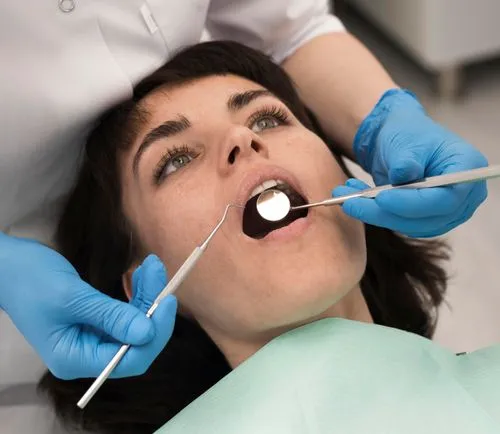
A physical exam cannot confirm sleep apnea by itself, but it can reveal factors that may narrow the airway or increase risk. A provider may examine the back of your throat, mouth, and nose. They may measure your neck and waist circumference and check your blood pressure. These are routine observations, not a test you need to prepare for, and they help create a fuller picture of your breathing and overall health.
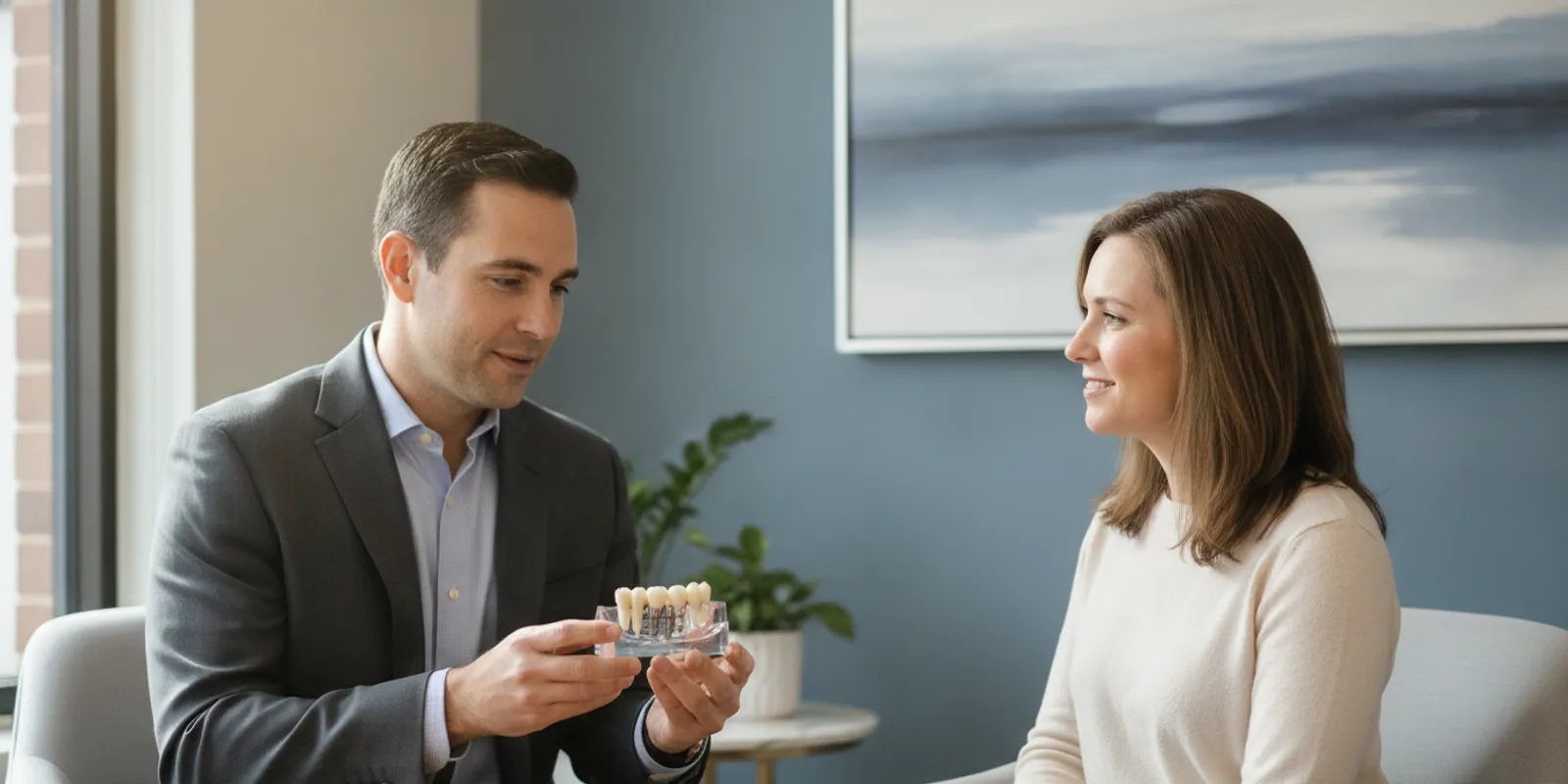
A dentist familiar with sleep-disordered breathing can be an important part of this first screening. During an oral examination, the dentist can look at jaw position, the shape of the mouth, and other features that may relate to airway function. If your symptoms suggest a sleep disorder, the dental team can help coordinate the next step with your physician or a sleep specialist. A screening does not mean you will automatically need a dental appliance or another specific treatment. It simply helps you get to the right evaluation.
What happens during a sleep study?
The most detailed diagnostic test is an overnight sleep study, also called polysomnography. At a sleep center, sensors monitor several body functions while you sleep, including heart, lung, and brain activity, breathing patterns, and related changes throughout the night. The study can show whether breathing repeatedly slows or stops, how often those events occur, and whether oxygen levels or sleep stages are affected.
Although spending a night connected to monitoring equipment may sound intimidating, the care team will explain what to expect and keep the process as comfortable as possible. The goal is to observe your normal sleep, not to judge how well you sleep in an unfamiliar setting. Results can also help clinicians distinguish sleep apnea from other conditions that may cause daytime sleepiness or disrupted rest.
Could a home sleep apnea test be an option?
In some circumstances, a provider may recommend a home sleep apnea test instead of a formal sleep-center study. These kits monitor a more limited number of variables while you sleep and can detect breathing pauses. A home test is not appropriate for everyone, and a sleep specialist should determine whether it can answer the diagnostic question. If the results are unclear or do not match your symptoms, a full polysomnography may still be needed.
Whether testing takes place at home or in a sleep center, an accurate diagnosis is the foundation for choosing safe, effective care. The Mayo Clinic explains the diagnostic process, while the National Heart, Lung, and Blood Institute provides an overview of sleep apnea. If persistent snoring, gasping, or daytime sleepiness concerns you, a dentist or medical provider can help you begin the conversation.
Treating Sleep Apnea: The Role of Oral Appliances
For some people with obstructive sleep apnea, a custom oral appliance can offer a comfortable, non-invasive way to support better breathing during sleep. These small dental devices are an alternative for adults with mild or moderate obstructive sleep apnea and may also be considered for some people with severe apnea who cannot tolerate CPAP. According to the Mayo Clinic. The right treatment depends on your diagnosis, airway, health history, and ability to use the recommended therapy consistently.
How an oral appliance helps keep the airway open
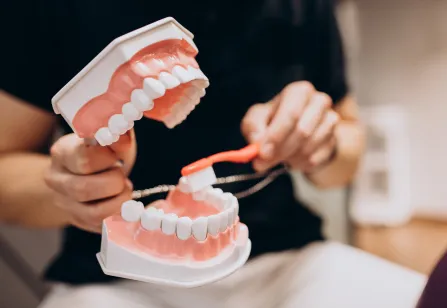
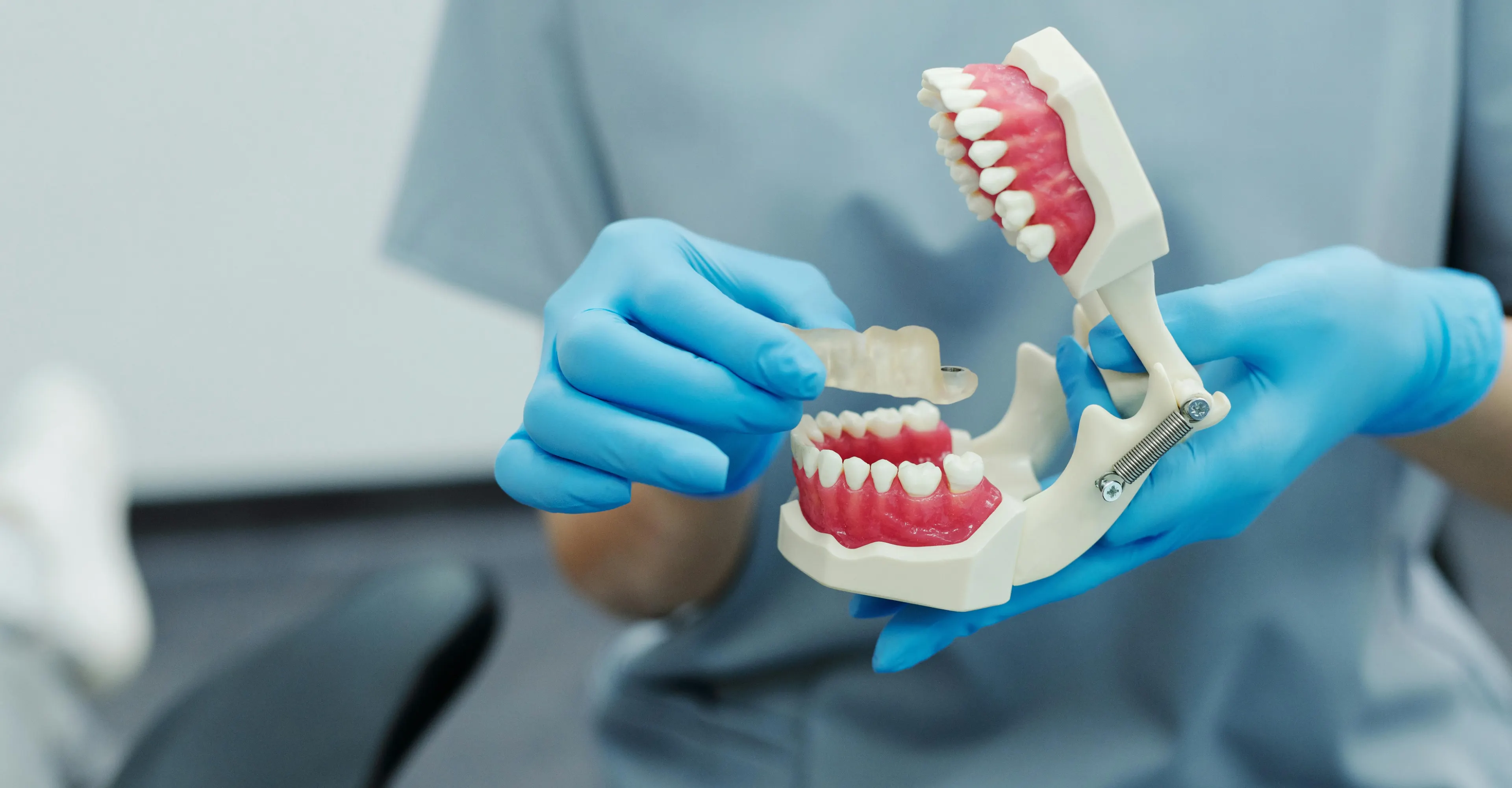
Obstructive sleep apnea occurs when the upper airway becomes blocked during sleep. An oral appliance is designed to reduce that obstruction by gently changing the position of structures in the mouth and jaw. Some devices advance the lower jaw so the throat has more room. Others reposition the tongue to help keep the airway free. The goal is to support a clearer passage while you sleep, without surgery or a mask and air hose.
Because oral appliances work mechanically, they are not appropriate for every form of sleep apnea. They are primarily used for obstructive sleep apnea, rather than central sleep apnea, which occurs when the brain does not send the signals needed to breathe. A sleep evaluation and appropriate testing should guide the treatment decision. If you are exploring oral appliance therapy for sleep apnea, discuss your diagnosis with a qualified dental sleep medicine provider.
| Consideration | CPAP Therapy | Oral Appliance Therapy |
|---|---|---|
| How it works | Delivers continuous air pressure through a mask to keep the airway open | Worn like a mouthguard to advance the jaw or reposition the tongue |
| Best suited for | Broad range of severities, including moderate to severe obstructive sleep apnea | Mild to moderate obstructive sleep apnea, and some severe cases who cannot tolerate CPAP |
| Visibility while sleeping | Mask and connected air hose at the bedside | Small custom-fit dental device inside the mouth |
| Who provides it | Sleep physician and respiratory care team | Dentist experienced in dental sleep medicine, with fitting and follow-up |
Fitting and follow-up are part of the treatment
An oral appliance should be selected, fitted, and adjusted by a dentist experienced in dental sleep medicine. A device that is poorly fitted may be uncomfortable or fail to address the airway problem. Smile Makers Dental Center can provide an in-house option with attention to comfort, fit, and your changing needs throughout treatment.
Follow-up appointments matter even after the appliance feels comfortable. Close monitoring helps your dentist evaluate whether treatment remains effective and check for unwanted changes to the teeth or bite. Your care team may recommend adjustments or additional evaluation based on your symptoms and sleep testing. This ongoing process makes oral appliance therapy more than simply receiving a mouth device and wearing it without guidance.
What patients may notice
For appropriate candidates, oral appliances may reduce excessive daytime sleepiness and improve quality of life. Better-rested patients may find it easier to stay alert and participate fully in daily activities. If CPAP has been difficult to tolerate, ask your sleep physician and dentist whether an oral appliance could be part of a safe treatment plan. For more detail on treating sleep apnea without CPAP, learn how mandibular advancement devices compare with other prescribed options.
When to Talk to Your Dentist About a Sleep Apnea Screening
You do not need to wait for symptoms to become severe before asking about a sleep apnea screening. A conversation with your dentist may be a helpful next step if you regularly snore loudly. Wake up gasping or choking, feel unusually sleepy during the day, or have trouble staying focused. It is also worth paying attention when a bed partner notices pauses in your breathing while you sleep. You may not remember these events, but they can be important clues.
Sleep apnea is common, and it is treatable. During an episode, breathing stops and starts repeatedly, which can interrupt restorative sleep and reduce the oxygen available to your body. Because these changes happen while you are asleep. Many people do not realize anything is wrong until a partner raises a concern or daytime fatigue begins affecting work, driving, mood, or family life.
Start with a simple, judgment-free conversation
Talking with a dentist does not mean you are being diagnosed on the spot. A screening is an opportunity to review your symptoms, sleep habits, health history, and concerns. Your dentist may also look at your mouth, jaw, throat, and other factors that can relate to nighttime breathing. If additional evaluation is appropriate, the next step may include a home sleep test or another diagnostic study. The goal is to replace uncertainty with a clear plan.
Consider making an appointment if you have several symptoms together, if daytime sleepiness is persistent, or if someone who sleeps near you has noticed breathing pauses. You should also mention concerns during a routine dental visit, even if snoring seems like your only symptom. Children and adults can both experience sleep-related breathing problems, and a caring conversation can help identify whether further evaluation makes sense.
Convenient screening and treatment in Northern Virginia
Smile Makers Dental Center offers sleep apnea screening and oral appliance treatment through six Northern Virginia locations: Leesburg, Tysons, Falls Church, Fairfax, Bailey's Crossroads, and Woodbridge. This makes it easier to seek help at a location that fits your routine, whether you are starting with a question or are ready to explore treatment options.
Patients can receive coordinated care under one roof without an external referral. If screening suggests that an oral appliance may be appropriate, the team can discuss a comfortable, non-invasive approach designed to support an open airway during sleep. Learn more about professional sleep apnea treatment and take a proactive step toward better-rested days and healthier nights.
Schedule a sleep apnea screening to take the next step
Frequently Asked Questions
How do you know if you have sleep apnea?
Clues can include loud snoring, gasping during sleep, morning headaches, or unusual daytime sleepiness. A healthcare professional may review your symptoms, examine your throat and mouth, and recommend a sleep study. Depending on your situation, testing may take place at a sleep center or at home. Mayo Clinic explains sleep apnea testing.
Are there different types of sleep apnea?
Yes. Obstructive sleep apnea occurs when the upper airway repeatedly narrows or closes, while central sleep apnea occurs when the brain does not send the signals needed for breathing. Complex sleep apnea includes features of both. Obstructive sleep apnea is the most common type. The National Heart, Lung, and Blood Institute outlines these types.
Is untreated sleep apnea dangerous?
It can be serious. Repeated breathing interruptions can reduce oxygen during sleep and contribute to poor concentration, memory problems, and daytime fatigue. Untreated sleep apnea also increases the risk of stroke, heart attack, and other health problems, so persistent symptoms deserve medical evaluation. Learn more from the NHLBI.
Can an oral appliance treat sleep apnea?
An oral appliance may help some people with mild to moderate obstructive sleep apnea, and may be considered for some people with severe apnea who cannot use CPAP. The device is fitted to help keep the throat open, often by gently positioning the lower jaw forward. Proper fitting and ongoing dental follow-up are important for safe, effective care. Review oral appliance guidance from Mayo Clinic.
Ready to Take the Next Step?
If restless sleep, snoring, or daytime fatigue has raised questions, a sleep apnea screening can help you discuss your symptoms and explore appropriate care. Smile Makers Dental Center can help you understand whether an oral appliance may fit your needs and what evaluation should come next. Schedule a sleep apnea screening at Smile Makers Dental Center to begin the conversation.