

What are veneers? They are thin, custom shells that cover only the front of a tooth so the smile looks more even in color and shape. At Smile Makers Dental Center, we place porcelain and composite veneers as part of cosmetic care across our Northern Virginia offices. A veneer is not a crown, and it is not a whitening treatment. This guide explains the materials, the smile changes they can address, the visit sequence, and the daily care that keeps them looking right.
What Are Veneers on a Tooth?
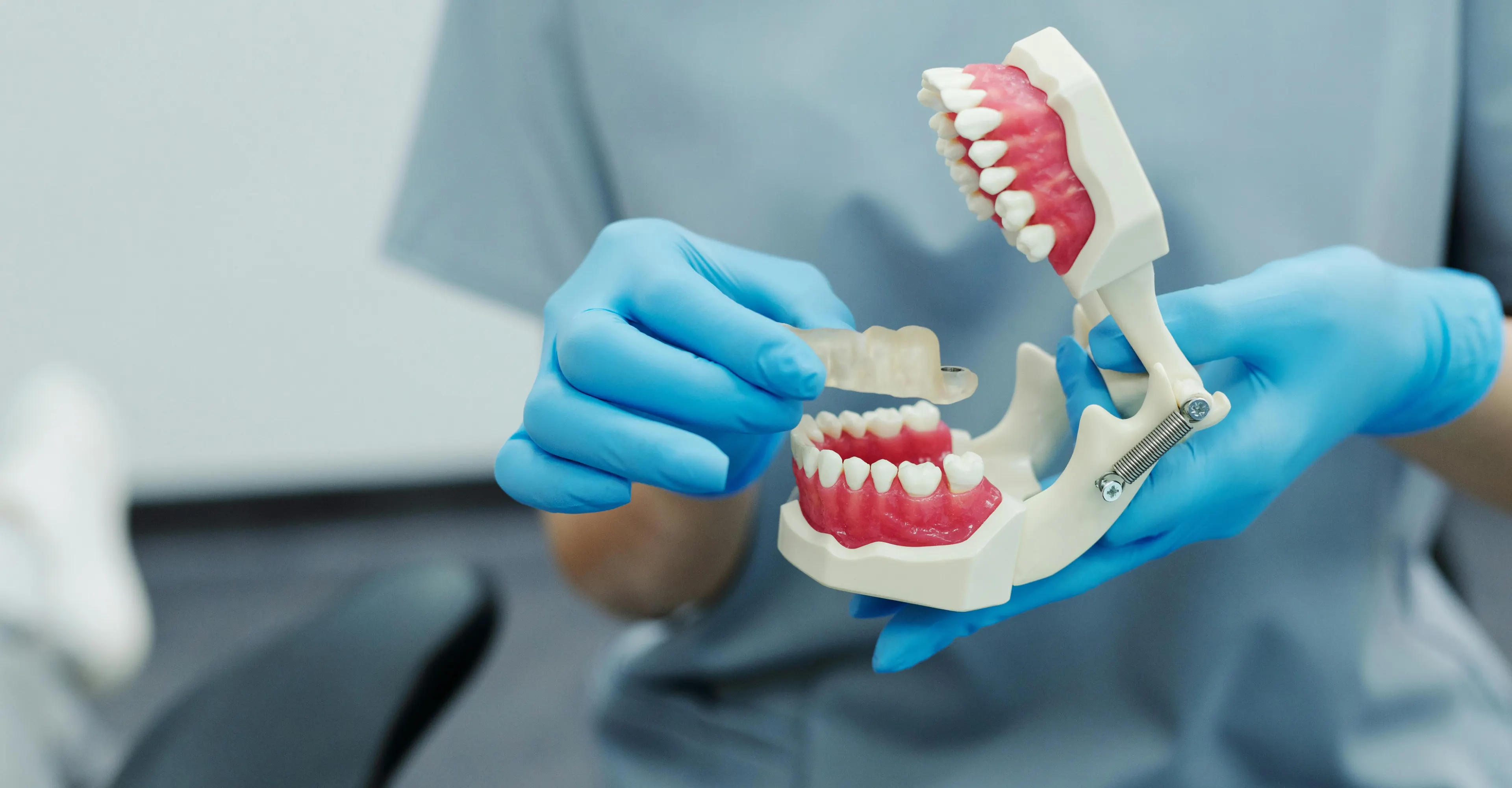
A dental veneer is a custom covering bonded to the front surface of a tooth. The American Dental Association describes veneers as natural-looking coverings that can improve teeth that are chipped, stained, crooked, or separated by a gap. They do not wrap the whole tooth the way a crown does. That difference matters when you are deciding how much tooth structure you want to change.
Think of the shell as a facing, not a cap. It changes what people see when you smile. It does not replace a missing tooth, and it does not move a tooth through the bone the way aligners do. If a tooth is badly broken, a dental crown may be the stronger choice. If the issue is a small chip or a single edge, dental bonding may be enough.
Smile Makers is a general and multi-specialty practice, so cosmetic planning sits next to cleanings, fillings, and other care in the same offices. Our dental services page lists the care paths we offer, including cosmetic dentistry. We look at the tooth, the gums, and the bite before we talk about a shell.
Materials We Use for Veneers
Two materials do most of the work: porcelain and composite resin. Porcelain is a ceramic shell made outside the mouth, then bonded at a later visit. Composite is a tooth-colored resin shaped on the tooth, often in one visit. Both can look natural when the shade and shape match the teeth beside them. They age differently, and they ask for different upkeep.
On our cosmetic dentistry page, we describe veneers as small porcelain or composite shells. We use them to conceal gaps and to soften the look of stained, dull, or chipped teeth. We also use them to lengthen short teeth or teeth worn by grinding, when the bite allows it. The material choice follows the tooth, not a menu.
Neither material is a coating you paint on at home. Both are dental treatment, planned from an exam. Porcelain asks you to wait for a lab or a milling step. Composite asks for more polishing skill in the chair, because the surface is built by hand. We explain that difference before you choose a date.
| Question | Porcelain veneer | Composite veneer |
|---|---|---|
| What it is. | A thin ceramic shell made for that tooth. | Tooth-colored resin bonded to the front surface. |
| How it is made. | It is made in a lab or milled from a scan. | It is shaped and polished in the chair. |
| Stain behavior. | The glazed surface resists stains well. | Resin can pick up color sooner. |
| If it chips. | It is often replaced rather than patched. | It is often repaired in the office. |
If you already know you want a side-by-side choice, read porcelain veneers versus composite veneers. This page stays with what each material is, not which one you should buy. Prices change with how many teeth, the material, and the prep, so we do not quote a fee here. Our full set of veneers cost guide covers that question.
Porcelain shells
Porcelain mimics the way enamel reflects light. A technician or milling unit builds the shell from a model of your tooth, then we bond it with dental cement. The glaze is smooth, which is why coffee and tea mark it less than they mark resin. A chip in porcelain is harder to patch invisibly, so a damaged shell is often remade.
Composite resin
Composite is the same family of material used in tooth-colored fillings. We layer it, cure it with a light, and polish it. The American Dental Association notes that composite veneers may remove less enamel and take fewer visits, and that they are easier to repair, while being less resistant to stain and wear. That tradeoff is the point of the consult, not a flaw in the material.
Smile Changes Veneers Can Address
People usually ask about veneers for one of four looks. Those are color that whitening did not fix, a chip or worn edge, a small gap, or a tooth that looks short or uneven. The shell covers the front, so it can mask those surface issues when the tooth underneath is healthy enough to hold a bond.
- Stains that sit inside the tooth, such as some old discoloration that bleach does not lift.
- Chips, small breaks, and edges worn flat.
- Narrow gaps between front teeth, when the bite is stable.
- Mild shape problems, including teeth that look short next to their neighbors.
Veneers are a poor match for a tooth with active decay, gum disease, or a bite that hits the edge too hard. The American Dental Association says any decay or gum problem should be treated first, and that heavy clenching, grinding, or a deep overbite can make veneers a weak choice. We would rather fix the foundation than cover it.
Whitening, bonding, and aligners solve different problems. If the only goal is a lighter shade on healthy enamel, teeth whitening is the simpler path. If you want to know whether veneers harm teeth, that answer lives in are veneers bad for your teeth. We will not repeat the risk essay here.
What the Visit Sequence Looks Like
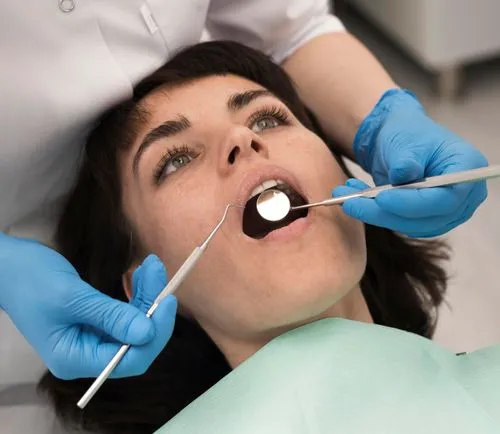
Every smile starts with an exam, not a shell. We check the teeth, gums, and how the jaws meet. Photos and a shade discussion come before any enamel is touched. If a tooth needs a filling or the gums need care, that happens first. You should leave the consult knowing which teeth would get a shell and which material we recommend.
Porcelain usually takes two visits after the plan is set. Composite is often finished the day we shape it. Cleveland Clinic describes porcelain veneers as custom shells that need some enamel removal, and composite as resin used for milder changes. Your tooth may need less or more preparation than a neighbor's tooth. We say that out loud before we start.
- Exam and plan. We review health, photos, and the look you want.
- Prep, only if that material needs it. A thin layer of enamel may be smoothed so the shell is not bulky.
- Records. For porcelain, we take an impression or a digital scan and match the shade.
- Temporaries, when the tooth is prepared and the final shell is still at the lab.
- Try-in and bond. We check the fit, then bond the shell and adjust the bite.
- Polish and home care. You leave with a cleaning plan and a follow-up if the bite needs a second look.
Enamel does not grow back. If we remove some to seat a porcelain shell, that tooth will need a veneer or another restoration from then on. The American Dental Association is direct about this: treatment is not reversible. We treat that as a decision you make once, with the photos in front of you, not as a surprise at the bonding visit.
Our cosmetic dentistry page walks through the same idea in shorter form: clean and prepare the tooth, bond the custom shell, and plan on replacement years later. The blog version adds the care steps below so you know what daily life looks like after you leave.
How to Care for Veneers at Home
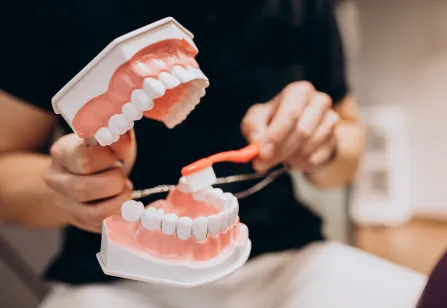
Care is ordinary dentistry, done consistently. Brush twice a day with a soft brush and a non-abrasive fluoride toothpaste. Clean between the teeth every day. The edge where the veneer meets enamel is a place plaque likes to sit. Keep regular cleanings. We would rather polish a margin in the chair than discover decay under an edge years later.
Floss or a water flosser both count, as long as you actually reach that edge. A veneer does not make the tooth immune to cavities at the margin. If the gums bleed, tell us. Puffy gums around a new shell can mean the edge needs a polish, not a new product from the drugstore.
Skip whitening paste and gritty charcoal products on veneered teeth. Those products scratch glaze and resin. Porcelain does not bleach the way enamel does. If the natural teeth beside a veneer look darker later, we whiten those teeth or plan a new shade. The details are in our porcelain veneers whitening guide. Do not expect a store kit to lighten the shell itself.
- Cut hard foods instead of biting them with veneered front teeth. Ice, pens, and nut shells are common chip causes.
- If you clench or grind, ask about a nightguard. A shell is strong in a normal bite and fragile against grinding.
- Rinse with water after coffee, tea, or red wine, then brush at your normal time. Constant sipping stains resin faster.
- Call us if a shell feels loose, sharp, or high when you bite. A small bond issue is easier to fix early.
On our cosmetic page we note that veneers are typically replaced about every ten to fifteen years, because the bond and the edges do not last forever. Composite often needs attention sooner. Lifespan is a range, not a promise. How long yours lasts depends on the material, the bite, and the habits above.
Six offices means you can keep that care close to home. Smile Makers Dental Center sees patients in Leesburg, Tysons, Falls Church, Fairfax, Bailey's Crossroads, and Woodbridge. The same plan should follow you if you visit more than one of our locations. Our locations page has the office list, and our doctors page introduces the team.
When a Veneer Is Not the Next Step
A beautiful facing on an unhealthy tooth is the wrong order. Decay, a crack that reaches the nerve, or gum disease comes first. A tooth that is dark because the nerve died may need internal treatment before any shell is discussed. A bite that shears the edges of the front teeth will shear a veneer too, unless we address the grind.
Some patients are happier with a smaller change. Bonding repairs a corner without a lab shell. Whitening changes shade without covering the tooth. Clear aligners move teeth when the issue is position, not a chip. We offer those services in the same offices, so the consult can end with a different plan than the one you searched for. That is a good outcome.
If you want photos of finished porcelain work, see pictures of porcelain veneers. If you are still comparing who should place them, our note on finding a cosmetic dentist for veneers covers how we think about training and planning. Bring your questions to the visit. We would rather talk through the tooth than talk you into a shell.
Schedule a cosmetic consultation
Frequently Asked Questions
What are veneers made of?
Most veneers are porcelain or composite resin. Porcelain is a ceramic shell made to fit one tooth. Composite is a tooth-colored resin shaped and polished in the dental chair. We use both at Smile Makers and choose based on the tooth, the stain, and how much change you want.
Do veneers cover the whole tooth?
No. A veneer covers the front surface. A crown covers the visible tooth all the way around. That is why a cracked or heavily filled tooth may need a crown even if the goal is a better-looking smile.
Can I whiten veneers later?
Bleach does not lighten porcelain or composite the way it lightens enamel. We can whiten the natural teeth around a veneer, or replace the shell if the shade no longer matches. Daily care and cleanings do more for brightness than a whitening kit.
How do I take care of new veneers?
Brush with a soft brush, clean between the teeth, and use a non-abrasive fluoride toothpaste. Avoid chewing ice and other hard objects with the front teeth. Wear a nightguard if you grind. Call the office if an edge feels loose or sharp.
Where can I ask Smile Makers about veneers?
You can book a consultation at any of our Northern Virginia offices: Leesburg, Tysons, Falls Church, Fairfax, Bailey's Crossroads, and Woodbridge. We will examine the teeth and gums before we recommend a material or a number of shells.