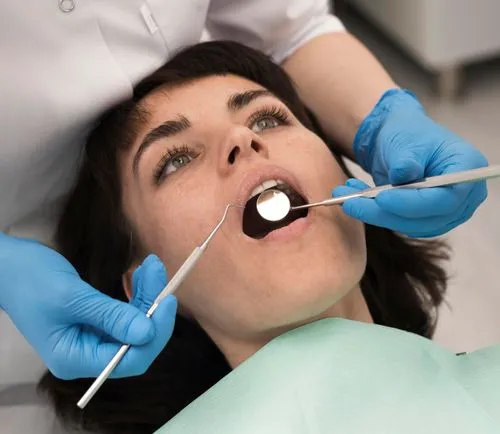
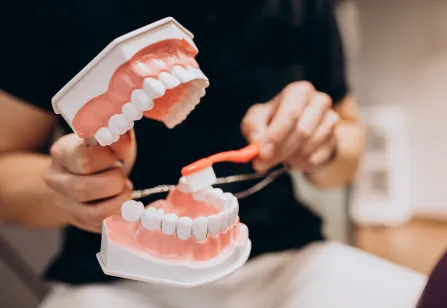

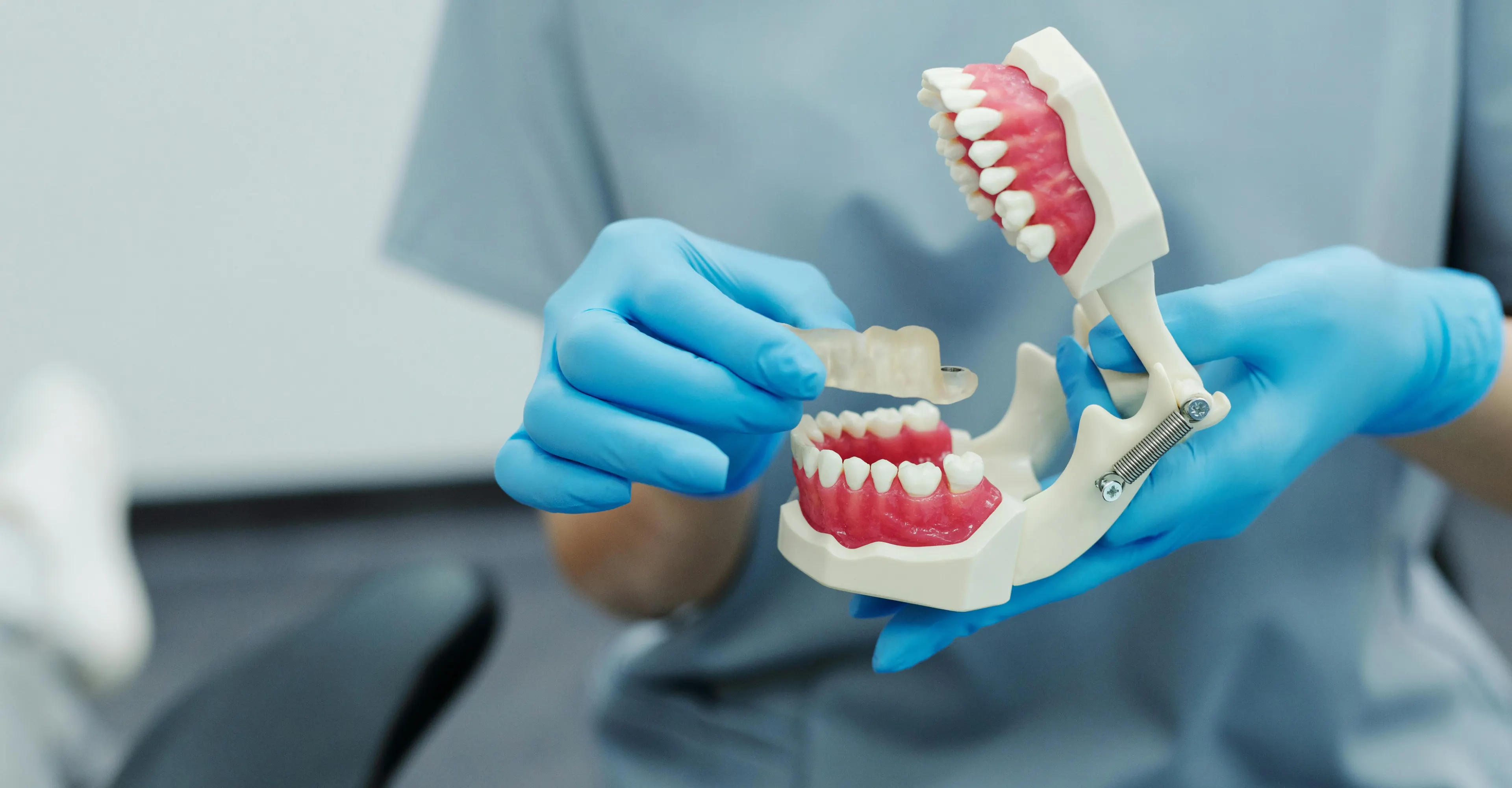
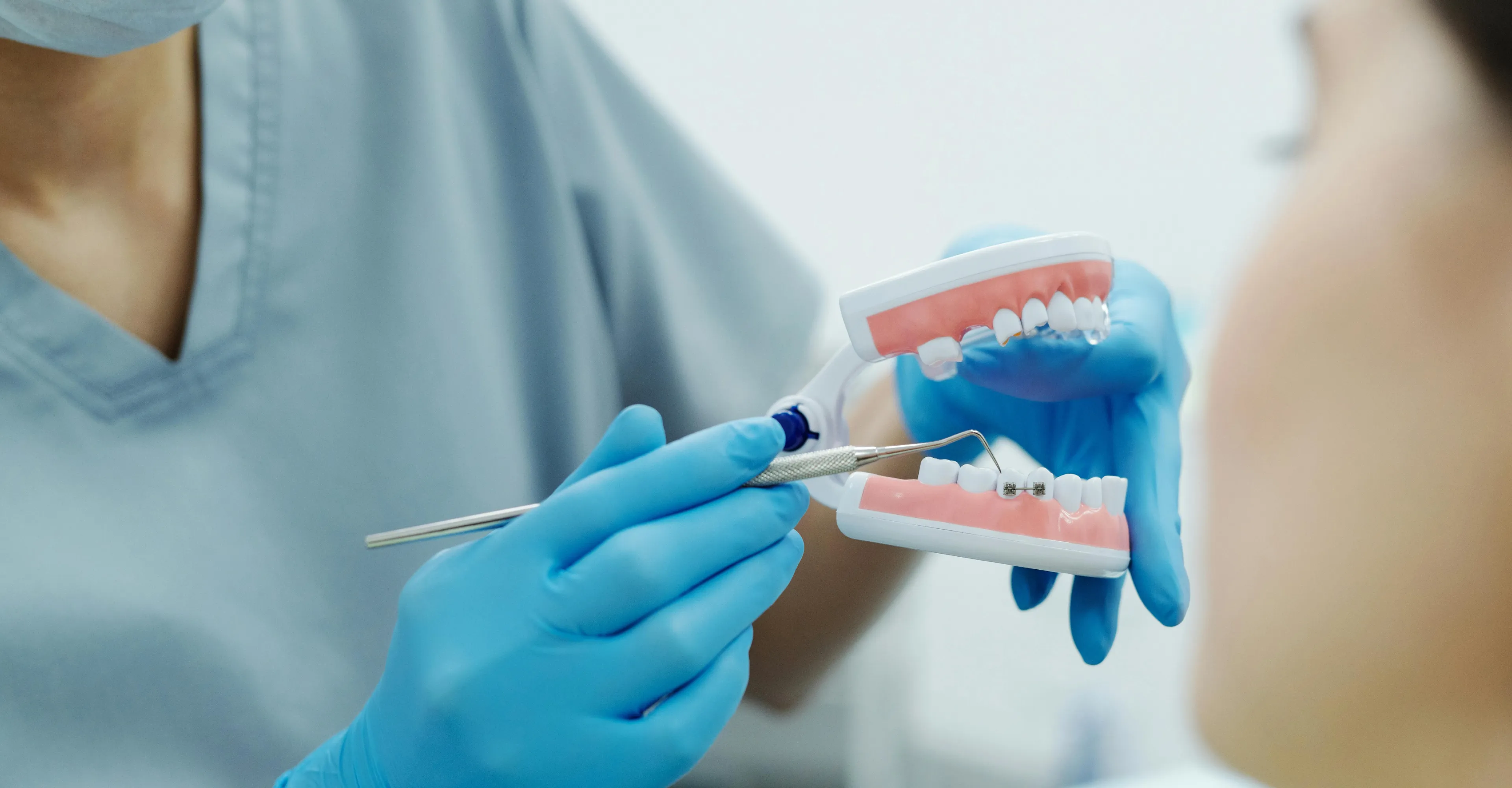



A dental bridge replaces one or more missing teeth by using nearby teeth or implants for support, depending on its design. If you are considering a dental bridge in Leesburg, an exam can help determine whether a bridge suits the gap, your bite, and the health of nearby teeth and gums. The restorative plan should reflect your oral health and preferences, rather than the gap alone.
Schedule a visit to discuss tooth replacement
What is a dental bridge?
A traditional bridge usually has a replacement tooth, called a pontic, joined to crowns that fit over teeth on either side of a gap. Those neighboring teeth support the restoration. Other bridge designs may rely on a different form of support, including dental implants. The design depends on where the tooth is missing and the condition of the surrounding structures.
A bridge can fill a space and restore a continuous biting surface. It does not replace the root of a missing tooth. The dentist will consider the number and location of missing teeth, the health of possible supporting teeth, your gums, and how your teeth come together. Learn about the practice's restorative dental services and dental care options as background for that conversation.
How does a dentist decide whether a bridge may fit?
An evaluation typically starts with your health history and an examination. The dentist assesses the gap, neighboring teeth, gums, bite, and existing restorations. Imaging may be recommended if it helps clarify the area. The purpose is to understand whether the proposed support is sound and whether another concern should be addressed first.
Factors to discuss include:
- How many teeth are missing and whether the gap is near the front or back of the mouth.
- Whether the teeth next to the gap are healthy and strong enough to support the planned design.
- Whether decay, gum inflammation, or another issue needs attention before restoration.
- How your bite, chewing patterns, or clenching may place force on the bridge.
- Whether you prefer a fixed restoration or would consider a removable option.
- How you will clean around the bridge and maintain the support teeth over time.
There is no single answer based only on the size of a gap. A tooth that already needs a crown may present a different planning question from a healthy tooth that would need preparation to support a traditional bridge. Ask the dentist to explain the benefit and tradeoffs of each option in your particular case. The practice's restorative dentistry information offers context for this care path.
You can also review how a bridge and an implant differ, then discuss whether those general distinctions apply to you.
What replacement options might be compared?
Depending on your oral health and goals, a dentist may discuss a tooth-supported bridge, an implant-supported replacement, or a removable partial denture. These are not interchangeable for every patient. Use the comparison as a prompt for questions, not as a recommendation or a substitute for an exam.
| Option | How it is supported | Planning questions |
|---|---|---|
| Traditional bridge | Often supported by prepared neighboring teeth | Are those teeth suitable supports? How will the underside be cleaned? |
| Implant-supported replacement | Supported by an implant placed in the jaw | What do bone and gum health, treatment stages, and healing mean for me? |
| Removable partial denture | Removable appliance supported by remaining teeth and tissues | How will it fit, and what removal and cleaning routine is needed? |
Ask how each option affects the neighboring teeth, the number of treatment stages, cleaning, and follow-up. A bridge may be considered when nearby teeth can provide support; an implant plan has its own assessment and treatment steps; a removable appliance can be taken out for cleaning. Your clinician can explain which choices are realistic and why. For more background, see the practice's prosthodontic care information and guide to bridge types and process.
Costs and timing are specific to the treatment plan, materials, and individual clinical needs. Rather than relying on a generic estimate, ask for the proposed steps, what is included, and whether alternatives change the plan. The guide to factors that influence bridge costs can help you prepare questions without predicting an individual fee.
Book an appointment to review your options
What happens during bridge planning and placement?
The sequence depends on the bridge design and the condition of your mouth. For a conventional tooth-supported bridge, planning may include preparing the support teeth, taking impressions or other records, and fitting the final restoration at a later visit. A temporary restoration may be used while the permanent bridge is made. Your dentist should describe the visits and what to expect for your individual plan.
Before treatment, share relevant health conditions, medications, allergies, and concerns about dental visits. If you feel nervous, mention it before the appointment. Talking through the steps, comfort needs, and pacing can make the visit feel more manageable. Smile Makers offers practical information about feeling more comfortable at a dental visit.
At a fitting, the dentist checks how the bridge sits and how your teeth meet when you bite. Speak up if it feels high, pinches, or does not seem right. Follow-up or an adjustment may be needed. Do not try to reshape or repair a bridge yourself. If a temporary restoration feels loose or uncomfortable, contact the dental office for instructions rather than using household glue.
How can you prepare for each stage?
Preparation is not only about the appointment itself. A short checklist can help you get accurate answers and understand what the plan involves. Before the evaluation, note when the tooth was lost or removed, whether the area is painful, and whether chewing has changed. Mention any prior treatment in that part of your mouth, including crowns, fillings, or gum care. These details help the dentist interpret what they see and decide what questions or records are important.
At the consultation, ask the dentist to describe the proposed design in plain language. You might ask which teeth or structures will support it, whether those supports already have restorations, and what alternatives are reasonable. If imaging is suggested, ask what it is intended to show. It is appropriate to ask for time to consider the choices, especially when several approaches are possible.
Before a procedure, confirm practical details with the dental team: how many visits are anticipated, what happens at each one, whether a temporary restoration is planned, and whom to contact if it feels uncomfortable afterward. If you take medication or have a health condition that could affect dental care, share that information rather than stopping or changing medication on your own. Ask about any instructions specific to your situation.
After a visit, follow the care instructions you receive and keep the contact information available. If the restoration feels unfamiliar initially, note whether the sensation is improving or interfering with chewing. Persistent discomfort, a loose bridge, or a changed bite deserves a call to the office so the team can advise you. Avoid trying to diagnose the cause or modify the restoration yourself.
How can you care for a bridge?
Daily cleaning helps protect the restoration and the teeth and gums around it. The American Dental Association provides general oral-health guidance on brushing and cleaning between teeth; see its oral health information. Brush twice a day with fluoride toothpaste and clean between teeth every day. A bridge can leave a space beneath its replacement tooth that an ordinary toothbrush may not reach. Ask the dental team to demonstrate an appropriate floss threader, interdental brush, or other tool for your design.
It can help to build a repeatable routine. Clean gently along the gumline, then use the recommended aid to reach beneath the replacement tooth. Do not force a tool into a tight space; ask for a demonstration if it catches or causes discomfort. The right technique can differ by bridge shape, so instructions for someone else's restoration may not fit yours.
Keep routine dental visits so the dentist can check the restoration, support teeth, and gum tissue. Contact the office if the bridge becomes loose, breaks, causes ongoing discomfort, or changes how your bite feels. Avoid chewing hard objects and do not attempt a home repair. For general preventive-care context, read about how often dental cleanings may be recommended.
What should you ask at a Leesburg appointment?
A focused list can help you understand the recommendation and leave with a practical plan. Consider asking:
- What is the likely cause of the gap, and does anything need treatment before replacement?
- Which bridge designs or other replacement options are appropriate for me, and why?
- Would a traditional bridge require preparing neighboring teeth? What are the implications?
- What will happen at each visit, and might I have a temporary restoration?
- How should I clean around the bridge, and can you show me the technique?
- What symptoms or changes should prompt me to contact the office?
- How will the restoration and supporting teeth be checked during regular visits?
Bring a current medication list and write down questions about comfort, timing, or maintenance. If you are arranging care near Leesburg, check the Leesburg office information and review the patient forms and scheduling information before your visit. You may also want to review the practice's Leesburg dentist information when preparing for the appointment.
When should you arrange an evaluation?
If you have a missing tooth and want to understand whether to replace it, an evaluation can clarify the available choices. A prompt conversation is especially useful if the gap is affecting chewing, if nearby teeth have changed, or if you have concerns about your gums. The dentist can assess the situation and explain whether a bridge, another approach, or first addressing a separate oral health issue makes sense.
If a tooth has only recently been lost or removed, ask the dental team when to discuss replacement. The timing and sequence depend on the reason for the tooth loss and the condition of the area. Do not assume that one treatment schedule applies to everyone. A clear plan should include the next step, expected visits, care instructions, and when to seek advice if something changes.
Frequently asked questions
Does every missing tooth need a bridge?
No. Whether to replace a tooth and which method to use depends on oral health, the location of the gap, your bite, and your preferences. A dentist can explain suitable options and their limitations.
Will a bridge feel exactly like a natural tooth?
A new restoration can feel different at first. The dentist checks the fit and bite, and you should report persistent soreness, looseness, or difficulty chewing so the office can advise you.
How long does getting a bridge take?
Timing depends on the design, the condition of the supporting area, and the steps needed to make and fit the restoration. Ask for a schedule based on your treatment plan.
Can I clean beneath a bridge?
Yes, but the method may differ from ordinary flossing. Your dental team can recommend an aid that suits the bridge and show you how to use it.
What if my bridge feels loose?
Contact the dental office for guidance, especially if the bridge moves, breaks, or causes discomfort. Do not try to glue or adjust it yourself.
Schedule a dental visit in Leesburg
What is the next step?
A dental bridge may be one way to replace a missing tooth, but an exam is needed to determine whether it suits your needs. Schedule a conversation with a dentist in Leesburg to review the options, understand the proposed steps, and make a care plan you feel comfortable following.