


When you hear "sleep apnea treatment," you might picture a noisy, bulky machine with a cumbersome mask. For years, that was the primary image, but the reality of modern sleep apnea care is much more flexible and comfortable than you might think. Many common beliefs about treatment are simply outdated. The debate over CPAP vs oral appliance for sleep apnea has opened up new possibilities for patients seeking effective, less invasive solutions that don't disrupt their lives. We're here to clear up the myths and give you the facts about how these treatments work, who they're for, and why a discreet oral appliance might be the convenient answer you’ve been looking for.
Key Takeaways
- Understand the Two Main Approaches: Your primary treatment options are a CPAP machine, which uses air pressure to keep your airway open, or a custom-made oral appliance that works by gently repositioning your jaw to prevent obstruction.
- Match the Treatment to Your Diagnosis: The severity of your sleep apnea is a key factor in your decision. CPAP is the standard for severe cases, while oral appliances are a highly effective and less invasive first choice for mild to moderate sleep apnea.
- Prioritize a Solution You'll Actually Use: The most effective treatment is the one you use consistently. Because oral appliances are silent, comfortable, and portable, many people find them easier to stick with every night, leading to better real-world results.
What Are My Sleep Apnea Treatment Options?
If you’ve been diagnosed with sleep apnea, the good news is that there are highly effective treatments available to help you get a safe and restful night’s sleep. The main goal of any treatment is to keep your airway open while you sleep, preventing the pauses in breathing that define this condition. The two most common and successful methods for achieving this are CPAP machines and custom-made oral appliances. Each works differently, and the right one for you depends on the severity of your sleep apnea, your personal comfort, and your lifestyle. Understanding how each option functions is the first step toward making an informed decision with your healthcare provider.
What Is a CPAP Machine?
CPAP, which stands for Continuous Positive Airway Pressure, is often considered the standard treatment for sleep apnea, particularly for moderate to severe cases. A CPAP machine uses a small, quiet motor to generate a steady stream of pressurized air that travels through a flexible hose to a mask you wear over your nose, mouth, or both. This constant airflow acts as a splint, gently keeping your airway open throughout the night and preventing it from collapsing. While it can take some time to get used to sleeping with a mask, CPAP therapy is incredibly effective at resolving breathing interruptions and improving sleep quality.
What Is an Oral Appliance?
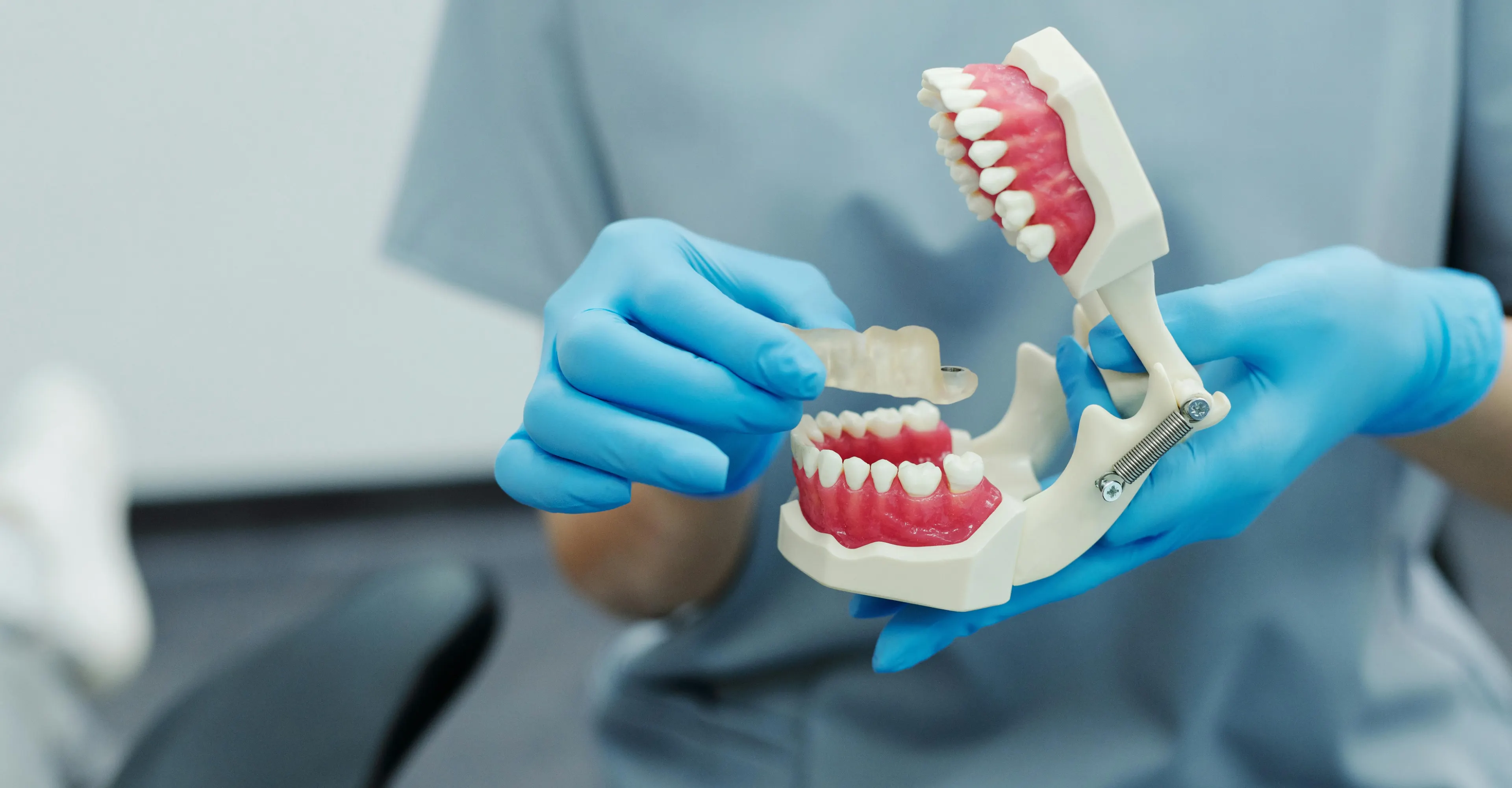
For those with mild to moderate obstructive sleep apnea, or for those who can't tolerate a CPAP machine, an oral appliance is an excellent alternative. Think of it as a custom-fitted mouthpiece, similar to a sports mouthguard or an orthodontic retainer, that you wear only while you sleep. These devices are designed and fitted by a dentist with experience in sleep medicine. At Smile Makers Dental Center, we create specialized oral appliances that are comfortable, portable, and easy to care for, making them a convenient solution for many of our patients who travel or prefer a less invasive treatment.
How Do They Work?
While both treatments aim for the same result, their methods are quite different. A CPAP machine actively pushes air into your throat to keep it open. An oral appliance, on the other hand, works by gently shifting the position of your jaw and tongue. By moving your lower jaw slightly forward, the appliance tightens the soft tissues and muscles of your upper airway, which prevents obstruction while you sleep. Although CPAP is known for its high effectiveness, many patients find it difficult to use consistently due to the mask, noise, or air pressure. Oral appliances offer a comfortable and silent alternative that often leads to more consistent use and better long-term results for the right candidate.
CPAP vs. Oral Appliance: The Pros and Cons
Deciding on a sleep apnea treatment is a big step, and it helps to know the good and the not-so-good of each option. Both CPAP machines and oral appliances are effective, but they work differently and fit into your life in unique ways. Understanding the pros and cons can help you have a more productive conversation with your doctor and dentist about what might work best for you. Let's break down what you can expect from each treatment.
The Benefits and Downsides of CPAP
A CPAP (Continuous Positive Airway Pressure) machine is often called the gold standard for treating moderate to severe sleep apnea, and for good reason. It works by sending a constant stream of air through a mask to keep your airway open while you sleep, providing a very effective solution.
However, that effectiveness comes with some challenges. Many people find the mask uncomfortable or claustrophobic, and it can leave marks on your face. The machine can be noisy, the hose can get in the way, and some users experience a dry nose or mouth. Traveling with the equipment can also be a hassle. While it’s a powerful tool, the daily reality of using a CPAP machine can make it difficult for some people to stick with it every night.
The Advantages and Drawbacks of Oral Appliances
If a CPAP machine sounds like too much, an oral appliance might be the perfect fit. These custom-made mouthpieces are designed to be worn only during sleep. They work by gently shifting your lower jaw or tongue forward, which keeps your airway open naturally. They are an excellent, less invasive option for treating mild to moderate sleep apnea.
The biggest advantages are comfort and convenience. Oral appliances are small, silent, and easy to pack for travel. There are no masks, hoses, or electricity required. This simplicity often means people are more likely to use them consistently, which is key to effective treatment. The main drawback is that they may not be sufficient for treating severe cases of sleep apnea.
What Are the Potential Side Effects?
Like any medical treatment, both CPAP and oral appliances can have side effects, though they are usually manageable. With a CPAP machine, you might experience skin irritation from the mask, a dry or stuffy nose, or a feeling of bloating from swallowing air.
Oral appliances can cause some temporary side effects as your mouth adjusts, such as jaw soreness, dry mouth, or extra saliva. These issues typically fade after the first few weeks. Over the long term, there can be slight changes to your bite, which is why it’s so important to have your appliance custom-fitted and monitored by a dental professional who specializes in TMJ and sleep apnea solutions.
Which Treatment Is Best for My Sleep Apnea?
Figuring out the right sleep apnea treatment is a personal journey, and what works for one person might not be the best fit for another. The most important factor in this decision is the severity of your sleep apnea. Your doctor will use the results from your sleep study to determine whether your condition is mild, moderate, or severe, which points you toward the best starting option. Let’s walk through the typical recommendations for each level.
Treating Mild to Moderate Sleep Apnea
If you're diagnosed with mild to moderate obstructive sleep apnea (OSA), your doctor or dentist will likely recommend starting with an oral appliance. Think of it as a custom-fit mouthguard you wear only at night. These devices are often suggested for people who have trouble tolerating a CPAP machine. They work by gently shifting your jaw or tongue to keep your airway open while you sleep, which can make a huge difference in symptoms like daytime sleepiness and difficulty concentrating. Many people find oral appliances to be a comfortable and effective solution that doesn’t disrupt their sleep.
What to Consider for Severe Sleep Apnea
For those with severe sleep apnea, CPAP therapy is typically the first-line treatment. CPAP, which stands for Continuous Positive Airway Pressure, uses a machine to deliver a steady stream of air through a mask, preventing your airway from collapsing during sleep. It’s considered the most effective treatment for stopping the dangerous breathing pauses associated with severe OSA. While it can take some getting used to, the health benefits are significant, from improved sleep quality to reduced risk of heart problems. If you have severe sleep apnea, your doctor will almost certainly want you to try CPAP first.
How Consistency Affects Your Results
Here’s something that might surprise you: the "best" treatment is the one you'll actually use every single night. Consistency is everything. While CPAP is highly effective, some people find the mask and hose difficult to sleep with, and the machine ends up collecting dust on a nightstand. Studies show that people are often more likely to consistently use their oral appliance. Because of this, oral appliance therapy can be just as effective as CPAP in the real world for many patients. It’s a crucial factor to discuss with your dentist when creating a treatment plan that you can stick with long-term.
Comparing Comfort and Daily Use
When it comes to treating sleep apnea, the "best" option is often the one you'll use consistently every single night. Both CPAP machines and oral appliances are effective, but their day-to-day impact on your life can be very different. Comfort, convenience, and ease of use play a huge role in sticking with a treatment plan long-term. Let's break down what you can expect from each device so you can find a solution that fits seamlessly into your routine and helps you get the restorative sleep you need.
Getting Comfortable with a CPAP Machine
A CPAP machine can be a lifesaver, but it often comes with a significant adjustment period. Many people find it challenging to get used to the mask and constant airflow every night. Common issues include the mask feeling bulky or claustrophobic, leaving marks on your face, or causing skin irritation. A dry nose or mouth from the pressurized air is another frequent complaint, along with frustrating air leaks that can wake you up. The noise of the machine, while often quiet, can still be disruptive for you or your partner. Plus, traveling with a CPAP machine and all its components can feel like a hassle, making it tempting to leave it behind on trips.
Adjusting to an Oral Appliance
Oral appliances offer a much different experience. These custom-fitted mouthpieces are designed to feel similar to a retainer or a night guard. They work by gently shifting your jaw or tongue forward to keep your airway open while you sleep. While you might experience some mild jaw soreness or extra saliva for the first few nights, most people adapt quickly. Because they are small, silent, and custom-made for your mouth, they are discreet and easy to wear. Our team specializes in creating comfortable, effective TMJ and sleep apnea solutions that feel natural.
Which Treatment Is Easier to Stick With?
Consistency is key for effective sleep apnea treatment, and this is where oral appliances often have an edge. Studies show that people are more likely to use their oral appliance every night compared to a CPAP machine. In fact, research indicates that a large majority of patients prefer oral appliance therapy because it's effective, portable, and simple to use. When a treatment is comfortable and doesn't disrupt your life, you're far more likely to stick with it. This consistent use means that for many people with mild to moderate sleep apnea, an oral appliance can be just as effective as a CPAP in real-world scenarios.
How to Decide on a Treatment Plan
Choosing between a CPAP machine and an oral appliance isn't just about medical effectiveness; it's about finding a solution you can live with night after night. The best treatment is the one you'll actually use consistently, and that often comes down to personal preference and practicality. When you meet with a specialist, they'll help you weigh the clinical recommendations against your unique needs. Thinking through a few key areas beforehand can help you prepare for that conversation and feel confident in your decision. Your daily routines, travel habits, comfort levels, overall health, and budget all play a significant role in determining whether a CPAP or an oral appliance is the right fit.
It’s a choice that impacts not just your sleep, but your partner’s sleep, your travel plans, and your evening routine. For example, while a CPAP is considered the gold standard for severe sleep apnea, studies show that as many as four out of five people don't use their machines for the recommended time each night, often due to discomfort. This is where an oral appliance might be a better real-world solution for many, especially those with mild to moderate cases. By considering these factors, you can work with your healthcare provider to select a treatment that feels less like a chore and more like a natural part of your life. Let's walk through what to consider so you can find a path to better sleep that works for you.
How Treatment Fits Your Lifestyle
Think about your nightly routine and your life outside the home. Are you a frequent traveler? An oral appliance is small enough to fit in your pocket, requires no electricity, and is completely silent, making it an ideal travel companion. A CPAP machine, on the other hand, is bulkier and needs a power source, which can be a hassle on the road or even during a power outage. If you value simplicity and portability, an oral appliance might align better with your lifestyle. Consider what will be easiest to incorporate into your life without feeling like a burden.
Considering Your Comfort and Your Partner
Your comfort—and your partner’s—is a huge factor in treatment success. Many people find the masks and tubes of a CPAP machine uncomfortable, leading them to use it less than recommended. Oral appliances are generally considered more comfortable, fitting much like a retainer. This often leads to better, more consistent use. Plus, CPAP machines can be noisy, which might disturb your partner's sleep. An oral appliance is silent, allowing both of you to rest peacefully. A treatment that feels good and doesn't disrupt your household is one you're more likely to stick with for the long haul.
Factoring in Your Overall Health
The severity of your sleep apnea is a critical piece of the puzzle. CPAP is often the first recommendation for severe cases because it is highly effective at keeping the airway open. However, for mild to moderate sleep apnea, an oral appliance can be just as effective. The key is consistency—if you're more likely to wear a comfortable oral appliance every single night, it may produce better results for you than a CPAP machine you only use occasionally. It's essential to discuss your specific diagnosis with a professional who can explain the TMJ/Sleep Apnea solutions best suited for your health needs.
Breaking Down the Costs and Insurance
Finally, let's talk about cost. The initial investment for a CPAP machine and an oral appliance can vary, but it's important to look at the long-term expenses. CPAP machines require ongoing purchases of supplies like masks, filters, and tubing. Over time, many patients find that an oral appliance becomes a more cost-effective solution. Most medical insurance plans offer coverage for both treatments, but the specifics will depend on your policy. We recommend checking with your provider to understand your benefits. For those concerned about out-of-pocket costs, programs like our Loyalty Discount Plan can help make treatment more affordable.
Common Myths About Sleep Apnea Treatments
When you're exploring treatment for sleep apnea, it’s easy to get tangled up in misinformation. You might hear that your only option is a bulky, loud machine or that effective treatments are uncomfortable and expensive. These myths can be discouraging, but the reality is that modern sleep apnea care offers more flexibility and comfort than ever before. Let's clear up some of the most common misconceptions so you can feel confident about finding a solution that works for you. Understanding the facts is the first step toward reclaiming your sleep and your health.
Myth vs. Fact: How Well They Work
A common belief is that a CPAP machine is the only truly effective treatment for sleep apnea. While CPAP is a great option for many, it’s far from the only one. The truth is that oral appliance therapy can be just as effective, particularly for individuals with mild to moderate sleep apnea. These custom-fitted devices, which look like a mouthguard, work by gently repositioning your jaw to keep your airway open while you sleep. Many people find them to be a successful and comfortable alternative, proving that you have more than one path to a good night's rest.
Myth vs. Fact: Comfort and Convenience
Another myth is that sleep apnea treatment is always uncomfortable and inconvenient. People often picture the CPAP mask and assume it’s a hassle, and for some, it is. But an oral appliance offers a completely different experience. It’s a discreet, portable, and easy-to-use alternative that fits comfortably in your mouth without masks or hoses, making it simple to travel with and maintain. Because it’s custom-made for your bite, it’s designed for comfort. Many patients who struggle with CPAP find that an oral appliance is a solution they can stick with long-term, which is the most important factor for successful treatment.
Myth vs. Fact: Long-Term Care
Many people assume that because oral appliances are custom-made by a dentist, they must be more expensive than a CPAP machine. While the initial investment can vary, oral appliances are often more cost-effective in the long run. With a CPAP, you have ongoing costs for supplies like masks, filters, and hoses. Oral appliances don't require these recurring purchases. More importantly, because patients often find them more comfortable, they tend to use them more consistently. This better adherence leads to better health outcomes and overall satisfaction, making it a valuable and manageable long-term investment in your well-being.
How Do I Choose the Right Treatment?
Making the right choice for your sleep apnea treatment is a personal decision that hinges on your health needs, lifestyle, and what you feel most comfortable with long-term. There isn't a single "best" answer for everyone, but by working with your healthcare team and considering your daily life, you can find the solution that helps you sleep soundly and safely. The most effective treatment is the one you'll actually use every night.
The first step is understanding your diagnosis, and from there, you can weigh the pros and cons of each option. Think about factors like how severe your sleep apnea is, your budget, and your personal preferences for comfort and convenience. This process is about finding a sustainable solution that fits seamlessly into your life, ensuring you get the consistent care you need for better health.
Talk to Your Sleep Specialist and Dentist
Your journey to better sleep should start with a conversation. It's important to talk to your doctor or a sleep dentist to help you decide on a treatment based on your sleep study results. A sleep specialist can explain the severity of your sleep apnea and why one option might be more effective than another from a medical standpoint. They’ll look at the data and give you a clear picture of what’s happening while you sleep.
From there, a dentist trained in sleep apnea solutions can determine if you’re a good candidate for an oral appliance. We can evaluate your jaw, teeth, and airway to ensure a custom-fit device will be both comfortable and effective for you. This collaborative approach ensures all aspects of your health are considered.
Trying Out Your Options
Choosing between a CPAP and an oral appliance often comes down to your sleep apnea severity, comfort preferences, and budget. While CPAP is highly effective, especially for severe cases, many people find it cumbersome. For those with mild to moderate sleep apnea, Oral Appliance Therapy can provide a far more comfortable and convenient solution than a CPAP machine.
Think about your daily routine. Do you travel frequently? An oral appliance is small and portable, making it easy to take with you. Are you a light sleeper or sensitive to noise? A silent oral appliance might be a better fit than a CPAP machine. Considering these practical, day-to-day factors will help you select a treatment you can stick with.
Start Your Treatment at Smile Makers Dental Center
Consistency is key to successfully managing sleep apnea, and the right device makes all the difference. Studies show that patients are more likely to use Oral Appliance Therapy (OAT) consistently compared to CPAP, making it a practical and effective choice for many. If you’re looking for a comfortable, quiet, and easy-to-use solution, an oral appliance could be the perfect fit.
Our team at Smile Makers Dental Center is here to guide you through every step. We’ll work with you and your sleep specialist to design a custom-fitted oral appliance that repositions your jaw to keep your airway open all night. Ready to explore your options and get a better night’s sleep? Let’s book an appointment to discuss how we can help.
Frequently Asked Questions
Is an oral appliance really as effective as a CPAP machine? For many people, the answer is yes. While CPAP is the standard for severe sleep apnea, studies show that oral appliances are highly effective for mild to moderate cases. The key is consistency. The most effective treatment is the one you'll wear every single night. Because oral appliances are often more comfortable and convenient than a CPAP, people tend to use them more consistently, leading to excellent long-term results.
Will a sleep apnea oral appliance change my bite? This is a common concern, and it’s why professional oversight is so important. When you first start wearing the appliance, you might notice temporary changes in your bite that usually disappear shortly after you take it out in the morning. A custom-fitted appliance from an experienced dentist is designed to minimize any long-term effects. We monitor your progress closely with regular check-ups to ensure your treatment is working correctly and your bite remains stable.
Why can't I just buy a cheaper mouthguard online? Over-the-counter "boil-and-bite" mouthguards are not a safe or effective treatment for sleep apnea. These generic guards are not designed to precisely position your jaw in the way a custom medical device does. An improperly fitted appliance can be ineffective or even worsen your condition by causing jaw pain or other issues. A custom oral appliance is prescribed and meticulously designed by a dental professional to fit your unique anatomy and safely treat your sleep apnea.
How long does it take to get used to wearing an oral appliance? Most people adapt to their oral appliance very quickly. You might experience some mild jaw tenderness or extra saliva for the first few nights, which is completely normal as your mouth adjusts. Because the device is custom-made to fit your teeth perfectly, it should feel comfortable and secure. Within a week or two, most patients report that wearing their appliance has become a natural part of their nightly routine.
Will my medical insurance cover an oral appliance for sleep apnea? Yes, most medical insurance plans do provide coverage for custom oral appliances when they are prescribed to treat obstructive sleep apnea. It is considered a medical device, not a dental procedure. The specifics of coverage can vary between plans, so it's always a good idea to check with your insurance provider. Our office staff is also very experienced in this area and can help you understand your benefits.