


Waking with a dry mouth, morning headache, or the feeling that you never truly rested can be more than a sign of a busy week. Loud snoring and repeated breathing pauses may point to obstructive sleep apnea, a condition that interrupts healthy sleep and can affect daytime alertness, concentration, and long-term health. Because those pauses happen while you are asleep, many people do not realize anything is wrong until a partner notices the pattern.
A sleep apnea mouth guard is a custom oral appliance designed to gently reposition the lower jaw or tongue while you sleep, helping keep the upper airway open. It may be an effective treatment option for some people with mild to moderate obstructive sleep apnea. Especially when CPAP is difficult to tolerate, but the right choice starts with a proper diagnosis and professional evaluation.
Book a consultation to discuss your sleep apnea treatment options.
In this guide, you will learn how oral appliance therapy supports easier breathing. How mandibular advancement and tongue-retaining devices differ, why custom fitting matters, and what follow-up care involves. We will also compare an appliance with CPAP, including situations in which one approach may be more appropriate than another. Understanding the design and purpose of these devices makes it easier to have a productive conversation with a qualified dental sleep provider. First, it helps to clarify what this type of appliance actually is and how it differs from an ordinary night guard.
What Exactly Is a Sleep Apnea Mouth Guard?
A sleep apnea mouth guard is a custom oral appliance prescribed and fitted by a dentist to help manage obstructive sleep apnea (OSA). Unlike a standard athletic mouthguard, it is designed to influence the position of structures that can narrow the airway during sleep. The goal is not simply to reduce noisy snoring. It is to help prevent the repeated breathing pauses that characterize OSA.
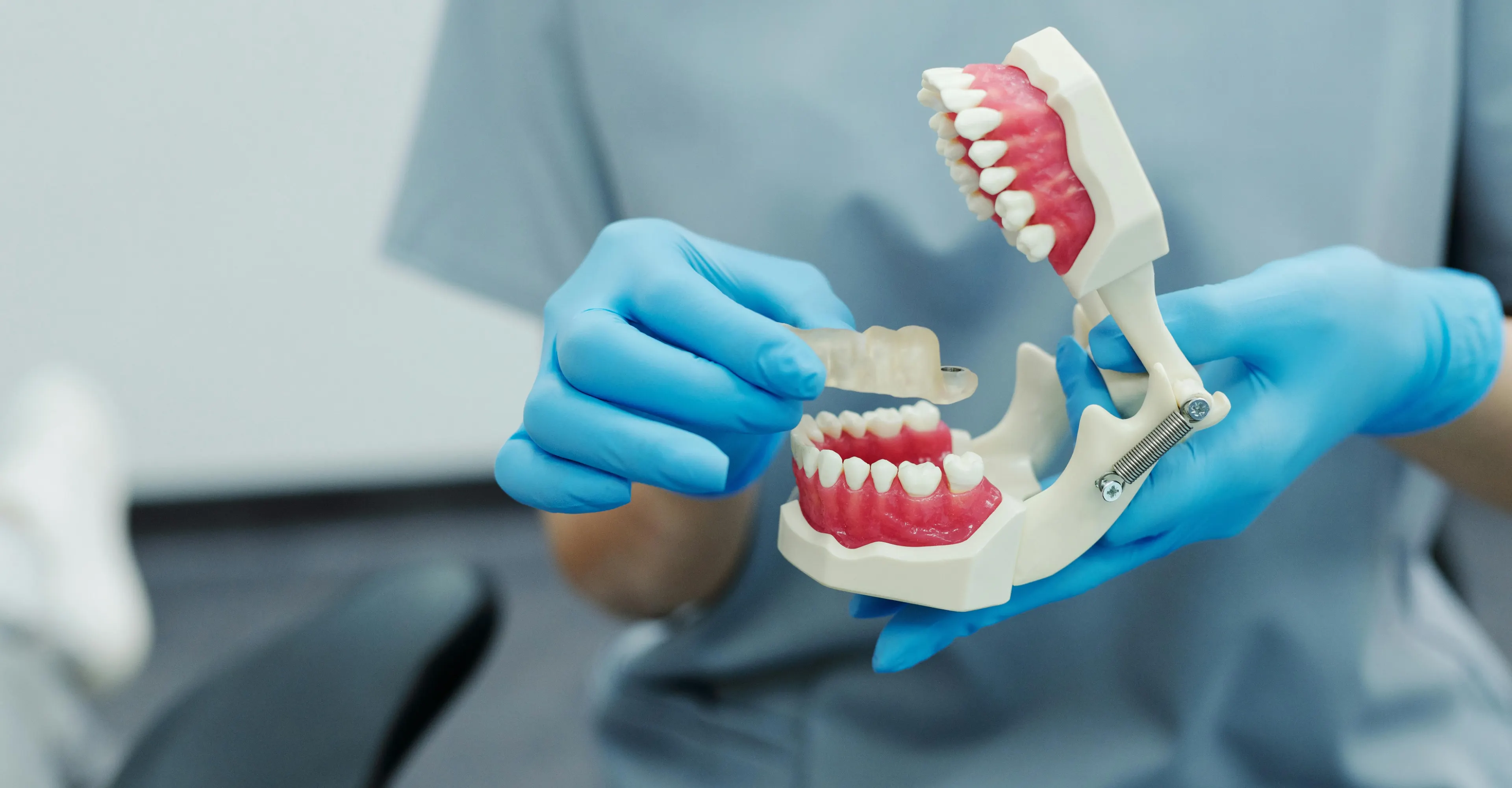
Most sleep apnea mouth guards work by gently repositioning the lower jaw or tongue forward while you sleep. That forward position can help keep the soft tissues from collapsing into the airway, allowing air to move more freely. A mandibular advancement device, for example, advances the mandible to help maintain an open airway. The Cleveland Clinic describes this approach as oral appliance therapy, a treatment planned around the patient's dental and sleep needs.
When the appliance reduces airway obstruction, breathing may become steadier throughout the night. That can support better sleep quality and improved daytime alertness, although the results depend on the type and severity of sleep apnea, the appliance design, and consistent use. Oral appliance therapy should be evaluated as part of a complete OSA treatment plan, not as a substitute for diagnosis or follow-up.
Research supports oral appliances as an effective, well-studied option for many people with mild to moderate OSA. A systematic review and meta-analysis published in PMC examined evidence for oral appliance therapy in obstructive sleep apnea. Your dentist or sleep physician can help determine whether your test results and airway needs make this approach appropriate.
Positive airway pressure, including CPAP, remains the most studied and most frequently recommended therapy for OSA, according to the Mayo Clinic. A mouth guard may be considered when oral appliance therapy fits the patient's condition, including some cases where CPAP is difficult to tolerate. For a closer look at the fitting process, appliance design, and care involved, explore dental oral appliance therapy.
The right next step is a professional evaluation. A dentist trained in sleep-related care can review your diagnosis, examine your teeth and jaw, and coordinate with your sleep provider when needed. That individualized process helps ensure the appliance is addressing breathing concerns while remaining comfortable and safe for your oral health.
How Does an Oral Appliance Keep Your Airway Open?
During sleep, the muscles around the throat naturally relax. In someone with obstructive sleep apnea (OSA), that relaxation can allow soft tissue to narrow or block the upper airway. Airflow then becomes limited or stops briefly before the body restores breathing. An oral appliance is designed to help maintain a clearer path for air during those repeated events.
Most dental devices work by repositioning structures at the front of the airway. A mandibular advancement device, or MAD, gently moves the lower jaw, also called the mandible, forward. This forward position helps support the surrounding soft tissues and maintain an open airway while you sleep. The mechanism is described in more detail by Glidewell's overview of mandibular advancement devices.
How a mandibular advancement device supports breathing
A MAD fits over the teeth and uses a controlled amount of advancement rather than forcing the jaw into an extreme position. By holding the lower jaw slightly forward, it can reduce the tendency of the airway to narrow behind the tongue and soft palate. The exact position should be selected and adjusted by a qualified dental professional, because comfort, dental health, jaw function, and treatment goals all matter.
This approach addresses more than the sound of snoring. Snoring may happen when air moves through a narrowed airway, but OSA is defined by disrupted breathing and recurring pauses or reductions in airflow. An appliance may lessen snoring as the airway becomes more stable, but the treatment goal is to improve nighttime breathing, not simply make the bedroom quieter.
How a tongue-retaining device works
A tongue-retaining device, or TRD, uses a different approach. It gently holds the tongue in a forward position so the tongue is less likely to fall backward and contribute to airway obstruction during sleep. This can be useful when tongue position is an important part of the blockage or when advancing the lower jaw is not the best fit for a patient.
Both device types aim to prevent soft tissues from collapsing into the airway during sleep. They do not replace the need for diagnosis. A sleep study and evaluation by an appropriate healthcare professional can determine whether breathing pauses are present and which treatment is suitable. With the right diagnosis and follow-up, an oral appliance can be part of a thoughtful plan for managing OSA rather than an attempt to treat snoring alone.
For additional guidance on mouthpieces and sleep apnea, review the VA Health Library's patient information.
Types of Sleep Apnea Mouth Guards
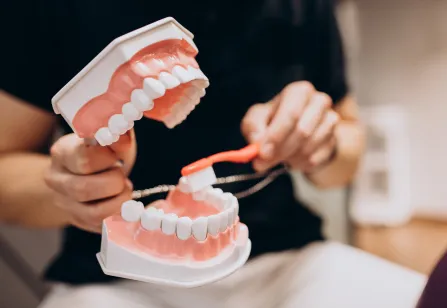
Sleep apnea mouth guards generally fall into two categories: Mandibular Advancement Devices (MADs) and Tongue-Retaining Devices (TRDs). Both are oral appliances worn during sleep, but they create space for breathing in different ways. The right design depends on your airway anatomy, dental health, diagnosis, and comfort needs. A dentist trained in sleep medicine can help determine whether an appliance is appropriate and which style is most likely to work for you.
| Feature | Mandibular Advancement Device (MAD) | Tongue-Retaining Device (TRD) |
|---|---|---|
| How it works | Gently moves the lower jaw, or mandible, forward to help maintain an open airway during sleep. | Holds the tongue in a forward position so it is less likely to fall back and obstruct the airway. |
| Best for | Patients whose airway can benefit from controlled jaw advancement and who have suitable teeth and jaw function. | Patients who may benefit from tongue positioning, including some people who do not tolerate jaw advancement. |
| Comfort | Often comfortable when precisely adjusted, although some people notice jaw or tooth discomfort while adapting. | May feel unusual at first because the tongue rests in a forward position; comfort varies by patient. |
| Common use | A frequently used oral appliance approach for snoring and appropriate cases of obstructive sleep apnea. | An alternative design when holding the tongue forward is preferable to advancing the jaw. |
MADs advance the mandible to help keep the airway open, while TRDs hold the tongue forward. These mechanisms are summarized in dental sleep medicine references, including the description of mandibular advancement devices from Glidewell and patient education from the Veterans Health Library. Learn more about how mandibular advancement devices work.
Custom appliances versus over-the-counter mouthpieces
Within either category, there is an important difference between a custom-fitted appliance and an over-the-counter mouthpiece. A dentist-made device is created from precise impressions or digital scans of your teeth. That individualized fit allows the appliance to be adjusted gradually and checked against your bite, jaw movement, and dental condition. It can also make regular use easier, which matters because an appliance only helps when it is worn consistently.
Over-the-counter mouthpieces may seem convenient, but they are not designed around your exact tooth alignment or jaw position. They may feel bulky, fit unevenly, or provide little control over how far the jaw or tongue is positioned. Research summaries and clinical guidance generally describe custom-fitted appliances as more effective and comfortable than non-custom options. Avoid choosing a device based only on appearance or convenience. Sleep apnea requires an appropriate diagnosis and treatment plan, not simply a generic mouthpiece.
A custom sleep apnea mouth guard is not automatically right for everyone. A sleep professional or qualified dentist should review your diagnosis and oral health before recommending one, then monitor the fit as you adapt.
Book a consultation to discuss your sleep apnea mouth guard options.
What to Expect When Getting Fitted
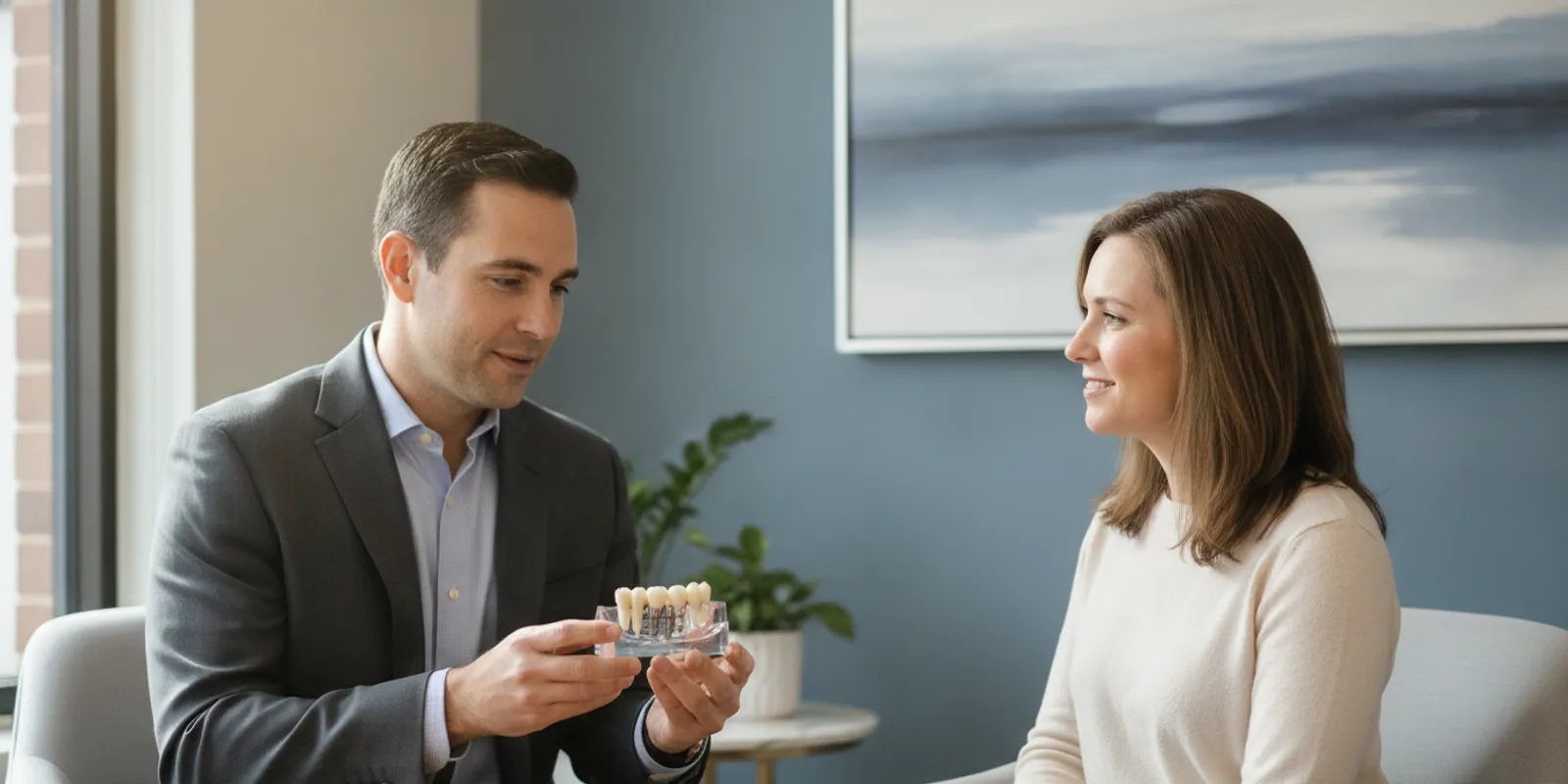
Getting a custom sleep apnea mouth guard is a guided process designed to match your diagnosis, dental health, and comfort. The goal is not simply to place a device in your mouth. Your care team must first confirm that oral appliance therapy is appropriate. Then create and adjust an appliance that helps support your airway while protecting your teeth and jaw.
Confirm the diagnosis. A sleep apnea mouth guard should follow a proper evaluation, not a guess based only on snoring. Diagnosis commonly involves polysomnography, an overnight sleep study performed at a sleep center, or a home sleep apnea test when appropriate. Some patients may have a split-night study. During which the first part of the night is used for monitoring and the second part may include CPAP treatment if obstructive sleep apnea is identified. Your sleep physician uses the results to determine the type and severity of apnea and coordinate an appropriate treatment plan. See the American Academy of Dental Sleep Medicine's patient experience guide for an overview of how dental sleep medicine fits into this process.
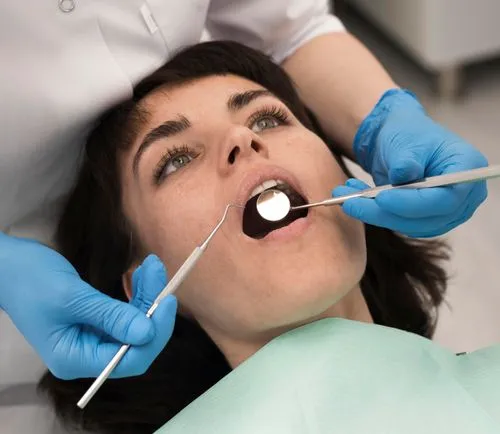
Complete a dental and airway evaluation. Your dentist will review your medical and sleep history and examine your teeth, gums, bite, jaw joints, mouth, and throat. A broader physical examination may include the throat, mouth, and nose, along with other health measurements when clinically relevant. This step helps determine whether your teeth can support an appliance and whether jaw movement is comfortable and appropriate. It also gives your dentist a baseline for monitoring changes over time.
Have impressions or a digital scan taken. Once an appliance is recommended, your dentist records the shape and position of your teeth using traditional impressions or a digital scan. These records allow a laboratory to create a custom device with a precise fit. Custom fabrication is important because the appliance needs to remain in place while you sleep and apply the intended jaw positioning without unnecessary pressure on your teeth or gums. The American Academy of Dental Sleep Medicine describes this customized fitting experience as part of dental sleep medicine care.
Try the appliance and make adjustments. At the fitting appointment, your dentist checks how the device seats, how your bite feels, and whether the jaw position is comfortable. Small adjustments may be needed before you begin wearing it regularly. You will also receive instructions for insertion, removal, cleaning, and storage. Follow those instructions closely, and mention any persistent soreness, tooth discomfort, excessive salivation, or dry mouth rather than trying to push through it. A comfortable fit supports consistent use and makes it easier to identify concerns early.
Attend follow-up visits. Fitting is not the final step. Regular follow-up helps your dentist check comfort, appliance condition, bite, and other dental changes. Your sleep physician may also recommend follow-up sleep testing to confirm that the appliance is controlling breathing events. Since feeling better does not by itself prove that apnea is fully treated. Bring the device to appointments and report changes in snoring, sleep quality, morning jaw symptoms, or daytime alertness. Ongoing monitoring allows adjustments when needed and helps keep treatment effective and comfortable over time.
This step-by-step approach keeps the focus on safe, personalized care. If you have already been diagnosed with obstructive sleep apnea, bring your sleep study results and current treatment information to your dental consultation.
Sleep Apnea Mouth Guard vs. CPAP: Which Is Right for You?
Both a sleep apnea mouth guard and CPAP are designed to keep breathing steady during sleep, but they do so in different ways. CPAP uses a stream of pressurized air to hold the airway open. An oral appliance gently repositions the jaw or tongue so the airway is less likely to collapse. The right choice depends on your diagnosis, the severity of your obstructive sleep apnea, your dental health, and which treatment you can use consistently.
When CPAP is usually the stronger choice
Positive airway pressure remains the most studied and most commonly recommended treatment for obstructive sleep apnea. It is especially important to discuss CPAP when testing shows severe OSA, when breathing pauses are frequent. Or when your sleep specialist believes you need the most reliable airway support available. Mayo Clinic identifies positive airway pressure as the therapy most often recommended for OSA, while also recognizing that other treatments may be appropriate for some patients: Mayo Clinic treatment guidance.
CPAP can be highly effective, but the mask, tubing, air pressure, or noise may make it difficult for some people to sleep comfortably. Mask fit and adjustment often require patience. If you are having trouble using CPAP, tell your sleep care team rather than quietly stopping treatment. A different mask, pressure adjustment, or additional support may improve your experience.
When an oral appliance may fit better
A custom oral appliance is often an effective first-line option for adults with mild to moderate OSA. It can also be a valuable alternative when someone cannot tolerate positive airway pressure or struggles to use it regularly. The American Academy of Sleep Medicine supports oral appliance therapy for appropriate patients who prefer an alternative to CPAP or are unable to tolerate it. The National Center for Biotechnology Information summarizes these recommendations in its clinical reference on oral appliance therapy: NCBI clinical guidance.
Comfort and portability are practical advantages. A properly fitted device is small, does not require a bedside machine, and may be easier to pack for travel. Those benefits matter because treatment only helps when it is used as directed. However, an appliance is not simply a smaller version of CPAP, and an over-the-counter mouth guard is not a substitute for diagnosis or professional fitting.
How to compare your options
Consider CPAP's strong record for treating more severe airway obstruction alongside the convenience of an oral appliance for suitable mild or moderate cases. Your provider may review your sleep study, examine your teeth and jaw, and discuss snoring, daytime sleepiness, mask tolerance, and prior treatment experience. Follow-up testing or monitoring may be recommended to confirm that the selected approach is controlling your OSA.
For a closer look at the decision, read our guide to oral appliance versus CPAP. A sleep physician and qualified dental provider can help you choose a plan that balances effectiveness, comfort, and long-term use. Do not change or stop prescribed CPAP without discussing it with your care team.
Possible Side Effects and How to Manage Them
A sleep apnea mouth guard changes the position of your jaw or tongue while you sleep, so your mouth and jaw may need time to adjust. Most early effects are mild and improve as you become accustomed to the appliance. Commonly reported concerns include morning jaw soreness, tooth discomfort, dry mouth, extra saliva, and, less commonly, changes in how your teeth meet over time. These effects are reasons for careful fitting and follow-up, not reasons to stop treatment without speaking with your dentist. Cleveland Clinic also emphasizes the importance of professional evaluation and monitoring during oral appliance therapy.
Jaw soreness and tooth discomfort
You may notice tightness in the jaw muscles or tenderness around the teeth when you first begin wearing the appliance. This can happen because the device gently holds the lower jaw in a new position throughout the night. Starting with the schedule recommended by your dentist, rather than forcing all-night wear immediately, can make the adjustment more comfortable. Gentle jaw relaxation, a softer breakfast, and avoiding excessive chewing may also help during the first few mornings.
Do not try to bend, file, or heat the appliance yourself. Persistent pain, a sharp pressure point, tooth sensitivity, or difficulty opening and closing your mouth may indicate that the fit or advancement needs adjustment. Contact your dentist so the appliance can be checked before irritation becomes a larger problem. Patients who also clench or grind may benefit from coordinated teeth grinding treatment, since bruxism can place additional stress on the jaw and teeth.
Saliva changes and dry mouth
Some people produce more saliva when they first place an oral appliance in their mouth. For others, the appliance is associated with dry mouth, which is a frequently reported side effect. Keeping water nearby and drinking regularly during the day may ease dryness. Follow your dentist's cleaning instructions, and maintain consistent brushing, flossing, and dental checkups because a persistently dry mouth can make oral care more important.
Monitoring bite changes
A potential long-term concern is a change in the way your upper and lower teeth come together after removing the appliance. Regular dental follow-up helps monitor the fit, jaw comfort, tooth movement, and overall oral health. Your dentist may adjust the device, recommend exercises, or reassess whether it is still the right treatment approach. Jaw pain, tooth discomfort, dry mouth, and bite changes are all reasons ongoing dental monitoring matters. If symptoms persist or your bite feels different in the morning, report them promptly rather than waiting for the next routine visit.
Sleep Apnea Care at Smile Makers Dental Center
Choosing a sleep apnea mouth guard is not a one-size-fits-all decision. Your appliance should reflect your sleep diagnosis, oral health, jaw comfort, and everyday needs. At Smile Makers Dental Center, our team helps Northern Virginia patients understand their options and move forward with a plan that feels clear and manageable.
Our dedicated TMJ and Sleep Apnea specialty department brings together experience in jaw health and sleep-related breathing concerns. A dentist evaluates the information from your sleep study or home sleep test. Discusses your symptoms and treatment goals, and helps determine whether a custom oral appliance may be appropriate. The goal is not simply to provide a device. It is to guide you toward care that supports more comfortable breathing during sleep and fits naturally into your routine.
Personalized planning for a custom appliance
Every patient arrives with a different combination of concerns. Some people have difficulty tolerating a traditional mask. Others are looking for an oral appliance that can be used as part of a broader sleep care plan. Your dentist will consider the type and severity of your sleep apnea. The condition of your teeth and gums, your bite, and the movement of your jaw before recommending an approach.
Smile Makers uses advanced digital imaging and technology to support precise treatment planning. These tools help the team assess your oral structures and plan an appliance designed for your anatomy. A custom fit can also make it easier to wear the appliance consistently, while follow-up visits allow the dentist to check comfort, fit, and your response to treatment.
Convenient care across Northern Virginia
Sleep apnea care is available through Smile Makers locations in Tysons, Leesburg, Falls Church, Fairfax, Bailey's Crossroads, and Woodbridge. This regional access makes it easier to keep appointments and coordinate care when you need ongoing guidance. Because Smile Makers provides comprehensive dental services, your sleep apnea evaluation can also take your overall oral health into account.
If you are exploring sleep apnea treatment options, bring your sleep test results, current treatment information, and questions to your consultation. The team can explain how an appliance works, what the fitting process involves, and when coordination with your sleep physician may be needed.
Book an appointment to explore sleep apnea treatment options.
Frequently Asked Questions
How does a mouth guard help with sleep apnea?
A dental oral appliance gently positions the lower jaw or tongue forward while you sleep. This can help keep the upper airway open and reduce breathing interruptions. A sleep study and clinical evaluation should guide whether this approach is appropriate for you. Mayo Clinic explains that diagnosis and treatment depend on the individual.
What types of devices are available?
The two main categories are mandibular advancement devices, which move the lower jaw forward, and tongue-retaining devices, which hold the tongue in a forward position. A qualified dental provider can assess your oral health, anatomy, and treatment needs before recommending a device.
Are over-the-counter mouth guards effective?
Over-the-counter products are not designed from your dental impressions and may fit poorly or fail to position the jaw consistently. A custom appliance is made for your mouth and can be adjusted during follow-up visits, which may improve comfort, wear time, and treatment monitoring.
Is a mouth guard as effective as CPAP?
CPAP remains the most studied and frequently recommended treatment for obstructive sleep apnea. Oral appliances can be an effective alternative for many people with mild to moderate OSA, especially when CPAP is difficult to tolerate. Severe OSA may require CPAP or another physician-directed approach, so do not switch treatments without professional guidance.
What side effects should I watch for?
Temporary morning jaw soreness, tooth discomfort, dry mouth, or excess saliva can occur. Longer-term bite changes are possible, which is why regular dental follow-up matters. Tell your provider about persistent pain, changes in how your teeth meet, or worsening symptoms so the appliance can be evaluated and adjusted.
Ready to Explore a Sleep Apnea Mouth Guard?
A consultation can help you understand whether a custom oral appliance fits your sleep and dental needs. Smile Makers Dental Center can discuss your symptoms, review the fitting process, and recommend an appropriate next step for your care. Book a consultation for a custom sleep apnea mouth guard.