


Waking with a dry mouth or headache can feel ordinary, especially after a restless night. But repeated snoring, gasping, or unexplained daytime fatigue may point to a breathing problem that deserves attention.
Learning how to tell if you have sleep apnea starts with noticing patterns such as loud snoring, breathing pauses, morning headaches, brain fog, or excessive sleepiness. These signs cannot confirm a diagnosis, but they are good reasons to speak with a healthcare professional. A dentist can help screen for risk, examine your mouth and airway, and guide you toward formal sleep testing when appropriate. For some patients, a custom oral appliance may offer a comfortable treatment option.
Schedule a sleep apnea screening
Early attention can make the next steps feel clearer and more manageable. Understanding the warning signs, including those that are easy to miss when you sleep alone, is a practical place to begin.
How to Tell If You Have Sleep Apnea and Why Early Detection Matters
Sleep apnea is a sleep disorder in which breathing repeatedly stops and starts while you are asleep. The most common form, obstructive sleep apnea (OSA), occurs when the upper airway becomes partly or completely blocked as the muscles in the throat relax. Each episode can reduce oxygen levels or briefly jolt the body into a lighter stage of sleep. These interruptions may happen so quickly that you do not remember them in the morning, yet they can prevent truly restorative rest. Mayo Clinic explains that sleep apnea causes breathing to stop and start during sleep, while the NCBI overview describes the airway collapse and resulting oxygen desaturation or sleep arousal.
That pattern helps explain why someone may spend a full night in bed and still wake feeling unrefreshed. Repeated airway collapse fragments sleep, creating nonrestorative rest and reducing the time the body can spend in deeper sleep stages. Oxygen desaturation is also an important physiological sign of OSA. These changes are not a personal failing, and they are not always obvious from the outside. A person may simply notice that mornings and afternoons feel harder than they used to.
Sleep apnea is common. One estimate places the number of affected Americans at about 22 million, and as many as 80% of cases may go undiagnosed. Those figures come from pulmonary-care resources rather than a national diagnostic registry, so they should be viewed as estimates. But they underscore why knowing how to tell if you have sleep apnea is worthwhile. People who sleep alone may have fewer opportunities to learn about nighttime breathing changes.
Early attention matters because symptoms can build gradually over several years. Sleep apnea affects many adults over 40, but age alone does not determine whether someone has it. Left unaddressed, OSA may affect daytime energy and concentration, and treatment may help lower the risk of heart and blood vessel problems. A formal diagnosis requires appropriate medical evaluation, often including a sleep study, rather than a home guess based on one symptom. The first practical clue is often what happens during the night, especially snoring, gasping, choking, or observed pauses in breathing.
Nighttime Warning Signs You Should Not Ignore
Sleep apnea can be difficult to recognize from inside your own sleep. A bed partner, family member, or roommate may notice changes in your breathing long before you do. Snoring is the most recognizable sign, but it is not the only one, and snoring by itself does not confirm sleep apnea. The pattern matters, especially when loud snoring occurs alongside pauses, gasping, or disrupted sleep. Common nighttime symptoms include loud snoring, gasping or choking, and morning headaches.
Ask someone you trust whether they have observed any of these changes:
- Loud, persistent snoring: Occasional snoring can happen to many people. Frequent, disruptive snoring is more worth discussing, particularly if it has become louder or more regular over time.
- Gasping, choking, or snorting sounds: These noises may happen when the body briefly reacts to restricted airflow. They can be startling to a bed partner, even when the sleeper does not remember them.
- Observed pauses in breathing: A partner may notice that breathing stops briefly, followed by a gasp or a sudden change in position. This is an important reason to seek professional guidance rather than dismissing the pattern as ordinary snoring.
- Dry mouth or sore throat on waking: Breathing through the mouth during the night can leave the mouth and throat feeling unusually dry or irritated in the morning.
- Recurring morning headaches: Morning headaches are a reported sleep apnea symptom and may be associated with reduced oxygen during sleep. They are especially worth mentioning when they occur regularly with snoring or nighttime breathing changes. Morning headaches are among the commonly reported signs.
These signs do not prove that you have sleep apnea, and their absence does not rule it out. Symptoms can build gradually over years, making them easy to normalize. If a bed partner describes repeated breathing pauses or choking sounds, take the observation seriously without becoming alarmed. A healthcare professional can help determine whether further evaluation is appropriate. A dental visit can also be a comfortable first conversation about your symptoms, jaw and airway concerns, and possible next steps.
Daytime Signs: Fatigue, Brain Fog, and Mood
Not every sign of sleep apnea happens in bed. If your nights are unobserved, the way you feel during the day may offer the first clue that your sleep is not as restorative as it should be. You may spend a full night in bed and still wake up feeling as though you barely rested. Persistent daytime fatigue, especially when it does not match your schedule or activity level, is worth checking rather than dismissing as a normal part of a busy life.
Repeated breathing disruptions can prevent the deep, continuous rest your body needs. As a result, some people notice a collection of subtle changes instead of one dramatic symptom. These may include:
- Excessive sleepiness during work, conversations, reading, or quiet activities.
- Brain fog, slower thinking, or trouble concentrating on familiar tasks.
- Memory lapses, such as forgetting appointments, names, or details you usually remember.
- Irritability, unusual impatience, or mood swings that feel out of character.
- A dull or recurring headache when you wake up.
Daytime sleepiness can affect concentration and everyday functioning, and it deserves attention when it continues despite adequate time in bed. The Mayo Clinic explains that sleep studies can evaluate excessive daytime sleepiness while also checking for other sleep disorders with different treatments. That distinction matters because feeling tired is real, but it does not identify the cause by itself.
These clues can be especially helpful if you live alone or share a home with someone who sleeps in another room. A partner may never hear snoring, choking, or pauses in breathing, so fatigue and brain fog may be the only visible signs. Even if you sleep near someone, nighttime symptoms can go unnoticed. A consistent pattern of morning headaches, poor focus, low energy, or changes in mood is a reasonable reason to ask about screening. One clinical resource specifically identifies extreme fatigue, brain fog, and morning headaches as daytime signs to watch for when nighttime symptoms are difficult to observe.
Keep a simple note of when these symptoms occur and whether they persist after a full night's sleep. You do not need to diagnose yourself. If the pattern is affecting your work, relationships, driving, or enjoyment of daily life. Bring it to a qualified healthcare professional and ask whether sleep apnea or another sleep disorder should be evaluated.
Risk Factors That Raise Your Sleep Apnea Risk
Sleep apnea can affect adults with many different body types and health histories. Certain factors make obstructive sleep apnea more likely, but having one does not mean you have the condition. It is also possible to have sleep apnea without an obvious risk factor. For that reason, risk factors are best viewed as reasons to pay closer attention to symptoms, not as a way to diagnose yourself.
Age is one reason screening deserves more attention over time. Sleep apnea affects millions of adults, especially those over 40.1 Symptoms may build gradually over many years, so a person may adjust to feeling tired. Waking with a dry mouth, or having trouble concentrating without realizing that sleep quality has changed. A long-standing pattern should not be waved off simply because it feels familiar.
Excess weight can also increase the likelihood of airway narrowing during sleep. This is not a matter of blame, and it is not a reason to delay care until your weight changes. A supportive evaluation can consider your overall health, symptoms, sleep history, and anatomy. Neck circumference may matter as well because additional tissue around the neck can make it easier for the airway to become restricted when muscles relax.
Airway and jaw anatomy are important pieces of the picture. A naturally narrow throat, recessed or smaller jaw, enlarged tissues, or other structural features can affect how freely air moves during sleep. A dental or medical examination may include looking at the back of the throat, mouth, and nose when assessing possible obstructive sleep apnea.2
Family history may raise your awareness because relatives can share both anatomy and health patterns. Conditions such as high blood pressure also deserve discussion with a healthcare professional when sleep apnea symptoms are present. These factors do not confirm apnea, but they can strengthen the case for evaluation. If loud snoring, gasping, witnessed breathing pauses, or persistent daytime fatigue accompany any of them. Speak with a qualified professional about how to tell if you have sleep apnea and what testing may be appropriate.
How a Dentist Can Screen for Sleep Apnea
A routine dental visit can be an important starting point when you are trying to understand how to tell if you have sleep apnea. Dentists regularly examine the structures involved in breathing, including the mouth, jaw, throat, and surrounding tissues. Those observations may reveal physical features or symptoms that deserve a closer look, especially when they occur alongside loud snoring, morning headaches, or persistent daytime fatigue.
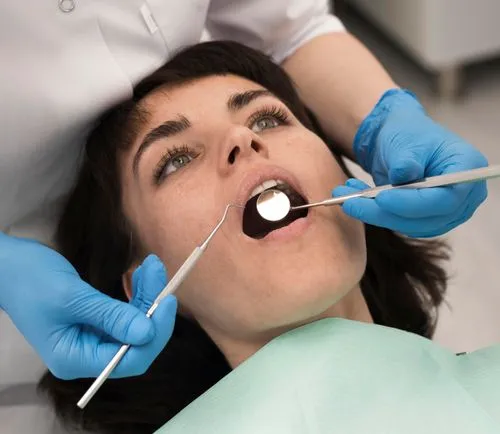
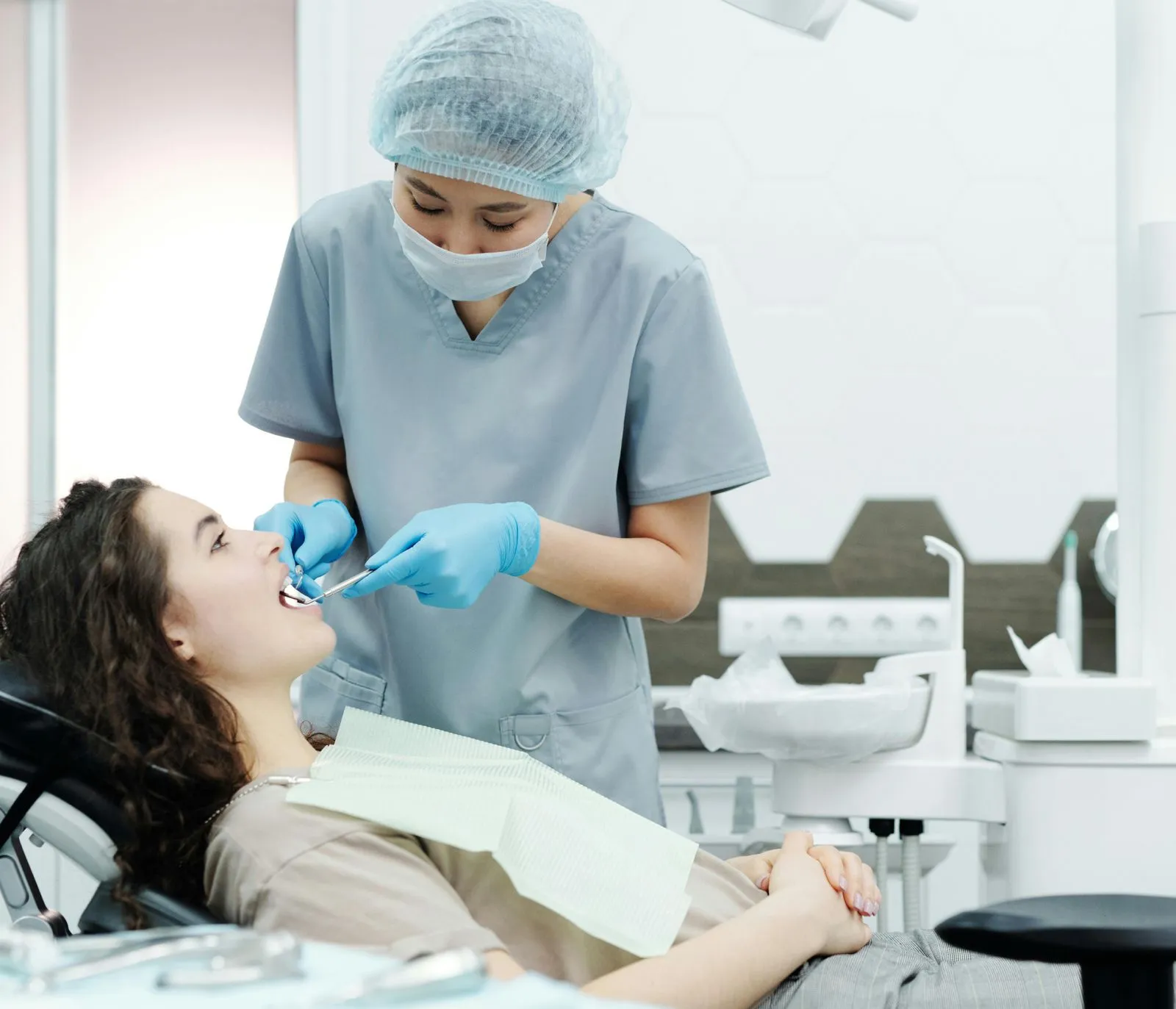
During a dental sleep screening, the dentist may examine the back of the throat. Mouth, and nose, while also assessing jaw alignment and the shape of the oral airway. A physical examination of these areas is part of evaluating possible obstructive sleep apnea risk, which involves repeated narrowing or collapse of the upper airway during sleep. Mayo Clinic describes examination of the back of the throat, mouth, and nose as part of the evaluation process.
What the screening may include
- Questions about snoring, gasping, witnessed breathing pauses, morning headaches, and daytime sleepiness.
- An examination of the throat, mouth, nose, jaw, bite, and airway-related anatomy.
- Digital imaging to support a more precise assessment and treatment planning when appropriate.
- A discussion of whether you should pursue a sleep study or another form of medical evaluation.
Digital imaging can give the care team a clearer view of relevant anatomy and support precise screening and planning. At Smile Makers Dental Center, multi-specialty care is available in-house, so patients can discuss sleep apnea concerns and potential next steps without first arranging an outside dental referral. Learn more about sleep apnea screening and treatment.
The process should feel collaborative, not intimidating. Smile Makers emphasizes comfort and anxiety management during dental care, which can make it easier to raise concerns about snoring, restless sleep, or breathing symptoms. You do not need to arrive with a diagnosis or a perfect record of what happens overnight. Sharing what you or a partner has noticed gives the dentist useful context.
A dental screening can flag risk and help guide the next step, but it does not replace medical diagnosis. A sleep physician confirms obstructive sleep apnea through testing, typically an overnight polysomnography, or sleep study. This test monitors breathing patterns and other body functions during sleep and is considered the gold standard for diagnosis. Depending on the situation, a physician may instead recommend a home sleep apnea test. If screening suggests a concern, your dentist can help coordinate the path forward and discuss appropriate dental treatment after the diagnosis is established.
Oral Appliances: A Comfortable Treatment Option
Positive airway pressure, commonly called CPAP, remains the most widely studied and most often recommended treatment for obstructive sleep apnea. It uses a steady stream of air to help prevent the upper airway from collapsing while you sleep. For many people, CPAP is an important and effective part of care. However, the mask, tubing, pressure, or noise can feel uncomfortable, and some patients have difficulty using it consistently.
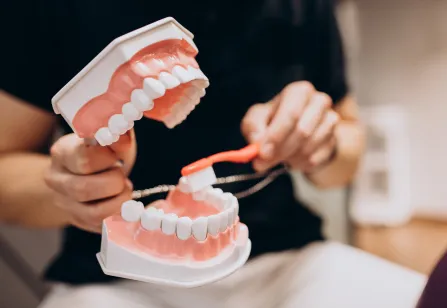
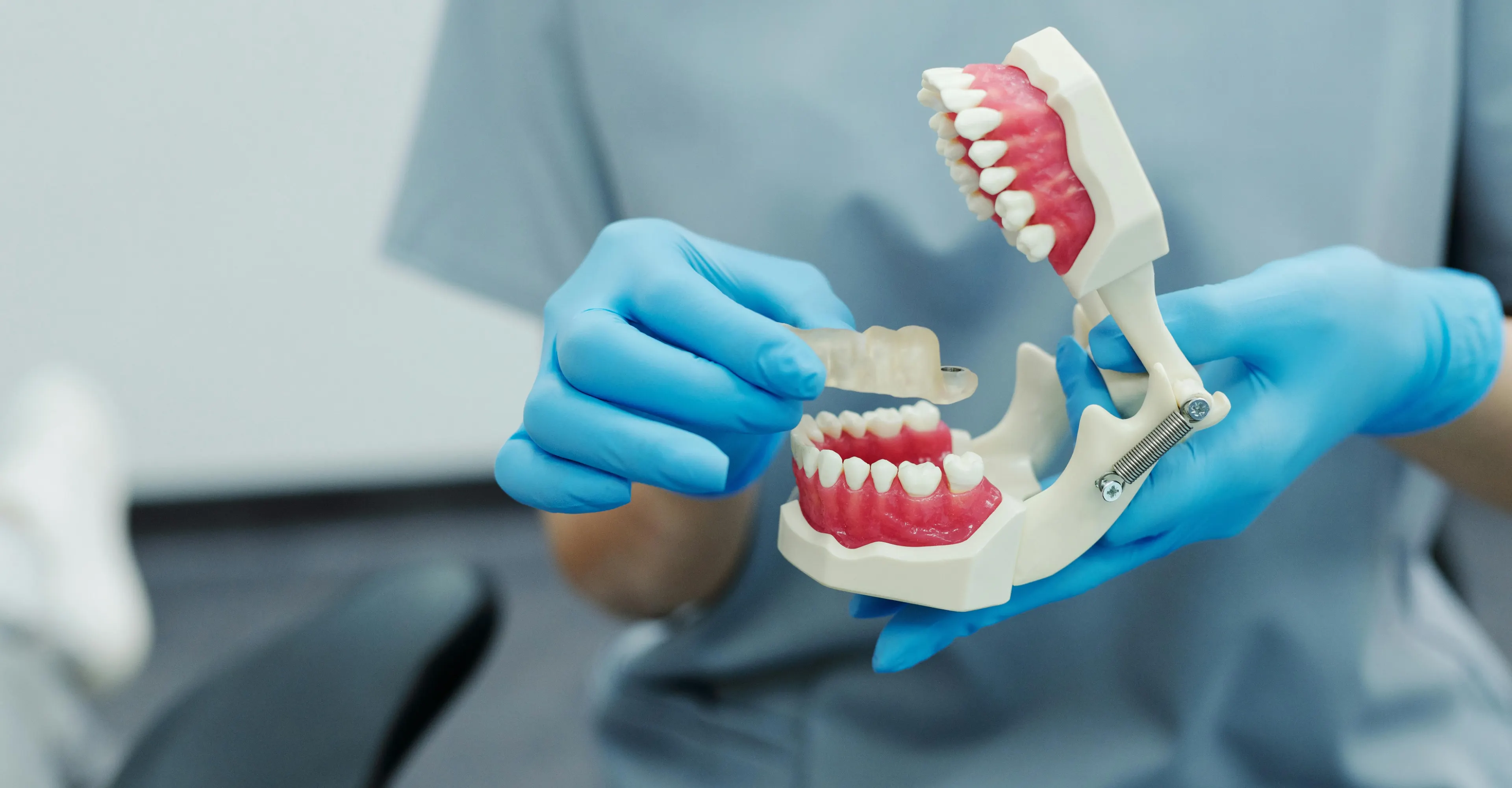
That does not mean you have run out of options. A custom-fitted oral appliance, often called a mandibular advancement device. Is designed to gently hold the lower jaw or tongue in a position that helps keep the airway open during sleep. For appropriately selected patients, this can provide a more comfortable and convenient alternative to discuss with a qualified dental and medical team. You can learn more about dental appliances for sleep apnea and how they fit into a broader treatment plan.
| Consideration | CPAP | Oral appliance therapy |
|---|---|---|
| Fit and care | Uses a machine, mask, tubing, and a prescribed pressure setting. Equipment requires regular cleaning and maintenance. | A custom device is fitted to your mouth and should be checked and adjusted as recommended by your dental provider. |
| Comfort | Can be highly effective, but some patients find the mask, airflow, or equipment difficult to tolerate throughout the night. | Small, portable, and often easier to accommodate during sleep or travel. Comfort depends on proper fitting, adjustment, and individual needs. |
| When it may be a good fit | Often recommended, especially when a patient needs positive airway pressure or has more complex disease. | May be considered for some patients who cannot tolerate CPAP, prefer an alternative, or have a case appropriate for mandibular advancement therapy. |
The right choice is not determined by comfort alone. A formal evaluation helps confirm whether obstructive sleep apnea is present and how severe it is. A sleep study, known as polysomnography, remains the gold standard for diagnosis. Depending on the situation, a clinician may also recommend a home sleep apnea test. Once the diagnosis and treatment needs are clear, your care team can determine whether CPAP, an oral appliance, or another approach is appropriate. For a broader overview, read about alternative sleep apnea treatments.
Smile Makers Dental Center keeps much of this process in-house. The practice offers screening, treatment planning, and appliance fabrication without requiring outside referrals for each step. That creates a smoother path from recognizing possible symptoms to receiving a carefully fitted device. Screening may include an examination of the mouth, throat, nose, and jaw, along with digital imaging when appropriate. The team also emphasizes a comfortable, anxiety-aware experience, so you can ask questions and understand each recommendation before moving forward. Learn more about sleep apnea screening and treatment.
Treating apnea is about more than feeling rested. Effective treatment can improve sleep and daytime well-being, and it may decrease the risk of heart and blood vessel conditions, according to the Mayo Clinic. If snoring, gasping, morning headaches, or persistent daytime fatigue have raised questions about how to tell if you have sleep apnea, screening is a practical next step. The goal is a treatment plan you can use consistently and safely, with the appropriate medical and dental oversight.
Talk to your dental team about a sleep apnea screening
Frequently Asked Questions
Can loud snoring be a sign of sleep apnea?
Yes. Loud, disruptive snoring can be a warning sign, especially when it occurs with gasping, choking, or witnessed pauses in breathing. Snoring alone does not confirm sleep apnea, but recurring symptoms are a good reason to discuss screening with a dentist or physician.
How can I tell if I have sleep apnea if I live alone?
Pay attention to daytime clues such as persistent fatigue, morning headaches, difficulty focusing, or feeling mentally foggy despite spending enough time in bed. A sleep-tracking device may provide useful observations about snoring or breathing, but it cannot diagnose the condition. Professional evaluation remains important.
Do I need a sleep study to diagnose sleep apnea?
Yes. A formal sleep study, called polysomnography, is the diagnostic standard because it measures breathing and other body functions while you sleep. In some situations, a clinician may recommend a home sleep apnea test instead. A dentist can help recognize warning signs and guide you toward the appropriate next step, but the diagnosis should be confirmed through sleep testing.
What is the first step if I suspect I have sleep apnea?
Write down your nighttime and daytime symptoms, ask a sleep partner what they have noticed, and schedule an evaluation with your physician or dentist. A dental screening can examine your airway-related anatomy and discuss whether an oral appliance may fit your needs after diagnosis. Early evaluation can help you move toward restful, safer sleep.
If the signs in this article, from loud snoring and breathing pauses to unrelenting daytime fatigue. Remind you of your own nights, you do not need to figure it out on your own. A dental screening is a comfortable first conversation about your airway, jaw, and sleep quality, and it can point you toward the right next step.
Schedule a sleep apnea screening today
At Smile Makers Dental Center, our team supports families and adults across Northern Virginia with in-house, multi-specialty care. When you book a screening, we listen to what you and your bed partner have noticed, examine your mouth and airway. And help guide you toward the testing and treatment that fits your life, including comfortable oral appliance options.