


When it comes to medical treatments, sometimes the simplest solutions are the most effective. For sleep apnea, many people assume the only option is a complex machine with tubes and a mask. However, a custom-fitted dental appliance offers a streamlined and incredibly user-friendly alternative. It’s small enough to fit in the palm of your hand, requires no electricity, and is completely silent, which means a better night’s sleep for both you and your partner. Its simplicity often leads people to wonder, how do dental appliances for sleep apnea work without all the extra equipment? The answer lies in a smart design that uses your own anatomy to keep your airway open. Here, we’ll explore how this small device makes a huge impact on your breathing, your energy levels, and your quality of life.
Key Takeaways
- A simple solution for better breathing: Dental appliances treat sleep apnea by gently repositioning your jaw or tongue. This simple adjustment keeps your airway open so you can breathe consistently and sleep soundly through the night.
- An effective alternative to CPAP: These devices are a great option for people with mild to moderate sleep apnea or for anyone who finds a CPAP machine difficult to use. A thorough dental exam is the first step, as good oral health is necessary for a successful fit.
- A professional custom fit is essential: For a safe and effective treatment, your appliance must be professionally fitted by a dentist. This ensures the device works correctly without causing discomfort or unwanted changes to your bite, unlike less reliable over-the-counter options.
What is a Dental Appliance for Sleep Apnea?
If you’ve been diagnosed with sleep apnea, a dental appliance might be the solution you’re looking for. It’s a custom-fitted mouthpiece you wear at night, designed to help you breathe consistently so you can get deep, restorative sleep. These devices are a common and effective treatment for obstructive sleep apnea (OSA), a condition that can disrupt your sleep and impact your overall health.
To really get how these appliances work, it helps to first understand what’s happening in your body when you have sleep apnea. Once you see the problem, you can appreciate how a simple mouthpiece can make such a big difference in your quality of life.
First, What is Obstructive Sleep Apnea?
Obstructive sleep apnea is a sleep disorder where your breathing repeatedly stops and starts all night long. This happens when the muscles in the back of your throat relax too much, causing your airway to become blocked. These pauses in breathing can last for several seconds and happen many times an hour, leaving you feeling exhausted during the day, no matter how long you were in bed.
Over time, OSA can also contribute to more serious health issues like high blood pressure and heart problems. It’s much more than just loud snoring; it’s a medical condition that requires effective sleep apnea solutions to protect your long-term health.
How Dental Appliances Can Help
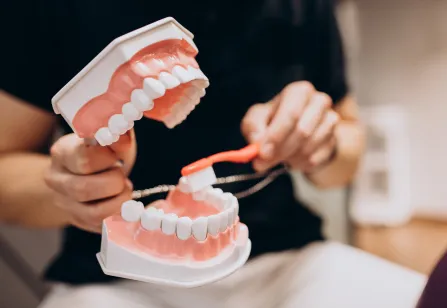
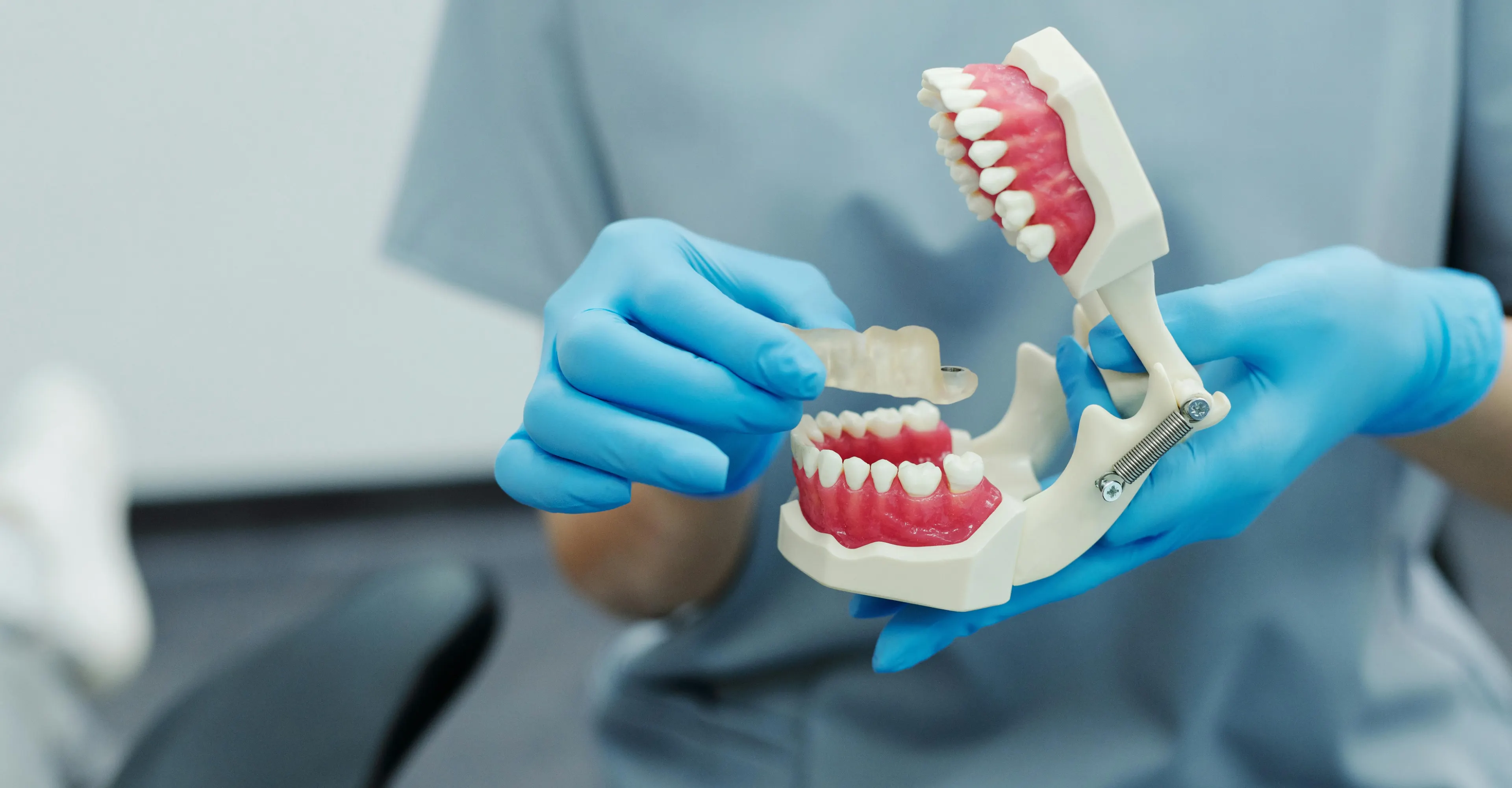
A dental appliance works by gently repositioning your jaw or tongue to keep your airway open while you sleep. The most common type, a Mandibular Advancement Device (MAD), fits over your upper and lower teeth, much like a retainer. It holds your lower jaw in a slightly forward position, which prevents your tongue from falling back and blocking your throat.
This simple adjustment allows air to flow freely, so you can breathe without interruption. Many people find that these oral appliances significantly reduce snoring and relieve symptoms like daytime sleepiness and difficulty concentrating. They offer a comfortable and convenient alternative to other treatments.
How Do Dental Appliances Keep Your Airway Open?
It might seem strange that a device worn in your mouth can affect how you breathe, but the mechanics are quite straightforward. When you have obstructive sleep apnea, the soft tissues at the back of your throat, including your tongue and soft palate, relax and collapse while you sleep. This collapse blocks your airway, causing you to stop breathing for brief periods.
A custom-fitted dental appliance works by physically holding your airway open. Think of it as a small, comfortable support system for your mouth and throat. By making subtle adjustments to the position of your jaw or tongue, the appliance ensures there is always a clear path for air to flow. This simple but effective approach prevents the blockages that lead to snoring and dangerous pauses in breathing. The goal is to stabilize your anatomy so you can get the deep, restorative sleep your body needs without interruption. To learn more about how dental appliances work as part of our TMJ and sleep apnea services, visit our specialty page.
Repositioning Your Jaw
One of the most common ways these appliances work is by gently shifting your lower jaw forward. This type of device, often called a Mandibular Advancement Device (MAD), is custom-made to fit perfectly over your upper and lower teeth. When you wear it at night, it holds your lower jaw in a slightly forward position. This small movement pulls the soft tissues and muscles of your throat forward along with it, tightening the area and preventing it from collapsing. This action effectively widens the airway space behind your tongue, making it much easier for air to pass through smoothly and quietly as you breathe.
Stabilizing Your Tongue
For some people, the main culprit behind their airway blockage is the tongue itself. During sleep, the tongue can relax and fall backward, obstructing the throat. In these cases, a Tongue-Stabilizing Device (TSD) can be a great solution. This type of appliance works a bit differently. Instead of moving the jaw, it has a small compartment that holds your tongue forward with gentle suction, almost like a small suction cup. By keeping the tongue in a forward position, the device ensures it can’t slide back and block your breathing, keeping your airway clear all night long.
Creating a Clear Path for Air
Ultimately, whether by repositioning your jaw or stabilizing your tongue, the result is the same: a wider, more stable airway. By preventing the soft tissues in your throat from collapsing, oral appliances create an unobstructed path for air to flow into your lungs. This increased space not only stops the pauses in breathing characteristic of sleep apnea but also reduces the vibrations that cause loud snoring. The appliance essentially props open your airway from the inside, allowing you to breathe continuously and sleep peacefully without the constant interruptions that leave you feeling tired and unwell during the day.
What Are the Types of Sleep Apnea Dental Appliances?
When you start looking into dental appliances for sleep apnea, you’ll find they generally fall into a few main categories. Each type is designed with the same goal in mind: to keep your airway open while you sleep. However, they achieve this in slightly different ways. The right one for you depends on several factors, including the severity of your sleep apnea, your specific anatomy, and even your personal comfort. Think of it less like a one-size-fits-all solution and more like a tailored approach to getting better rest.
It can feel a little overwhelming to sort through the different names and designs, but the basic principles are quite simple. Most appliances work by either repositioning your lower jaw or by holding your tongue in place, preventing the soft tissues at the back of your throat from collapsing and blocking your airflow. This is what causes the pauses in breathing and the loud snoring associated with obstructive sleep apnea. Understanding the main options is the first step toward finding a comfortable and effective solution that helps you breathe easier through the night. Below, we’ll walk through the most common types so you can have a more informed conversation with your dentist about what might work best for you.
Mandibular Advancement Devices (MADs)
Mandibular Advancement Devices, or MADs, are the most widely used type of oral appliance for sleep apnea. If you’ve ever seen a sports mouthguard, you’ll have a good idea of what they look like. A MAD fits comfortably over your upper and lower teeth and uses small, adjustable hinges to gently shift your lower jaw (your mandible) slightly forward. This simple repositioning also pulls your tongue forward, away from the back of your throat. This movement is just enough to keep your airway open, preventing the tissue from collapsing and allowing you to breathe continuously. It’s a straightforward and effective way to reduce snoring and apnea events for many people dealing with TMJ and sleep apnea.
Tongue-Stabilizing Devices (TSDs)
Tongue-Stabilizing Devices, sometimes called tongue-retaining devices, work a bit differently than MADs. Instead of moving your jaw, a TSD focuses directly on your tongue. This device looks like a small pacifier with a hollow bulb. You place the tip of your tongue inside the bulb, and it uses gentle suction to hold your tongue in a forward position throughout the night. By preventing your tongue from relaxing and falling back into your throat, a TSD keeps your airway clear and unobstructed. These devices can be a great alternative for people who may not be able to comfortably use a MAD, perhaps due to jaw pain or other specific dental conditions.
Custom-Fitted vs. Over-the-Counter Appliances
You might see boil-and-bite sleep apnea mouthguards online or at a pharmacy, but it's important to know these over-the-counter options are not the same as a professionally made device. Custom-fitted appliances, created by a dentist from precise impressions of your teeth, are significantly more effective and comfortable. A custom fit ensures the device repositions your jaw or tongue exactly as needed without causing unnecessary strain or shifting your bite. While over-the-counter devices might seem like a convenient, cheaper fix, they often fit poorly and don't provide the targeted treatment required for sleep apnea. For a solution that is both safe and effective, it’s always best to book an appointment for a professional consultation and fitting.
Are You a Good Candidate for a Dental Appliance?
Deciding on the right treatment for sleep apnea is a big step toward better health and more restful nights. While a custom dental appliance can be a game-changer, it’s important to know if it’s the right fit for you. Candidacy depends on a few key factors, including the severity of your sleep apnea, your experience with other treatments, and your current dental health. Understanding where you stand on these points will help you and your dental team make the best choice for your specific needs.
For Mild to Moderate Sleep Apnea
The effectiveness of a dental appliance is often tied to the severity of your condition. These devices are frequently recommended for people with mild to moderate sleep apnea, where they can be an excellent first-line treatment. The appliance works by gently shifting your jaw or tongue to keep your airway open, which is often all that’s needed for less severe cases. For those with severe sleep apnea, a CPAP machine may still be the primary recommendation, but a dental appliance could be used in combination therapy or as an alternative if other treatments haven’t worked out.
When a CPAP Machine Isn't Working for You
Let’s be honest: while CPAP machines are effective, they aren’t for everyone. Many people find them difficult to use consistently because of a bulky mask, a noisy machine, or feelings of claustrophobia. If you’ve tried a CPAP and just can’t get used to it, you are not alone, and you shouldn’t give up on treatment. A dental appliance is a fantastic alternative for people who are CPAP-intolerant. These devices are small, quiet, and portable, making them much easier to adapt to. Our team can help you explore specialized treatments that fit your lifestyle.
Checking Your Overall Dental Health
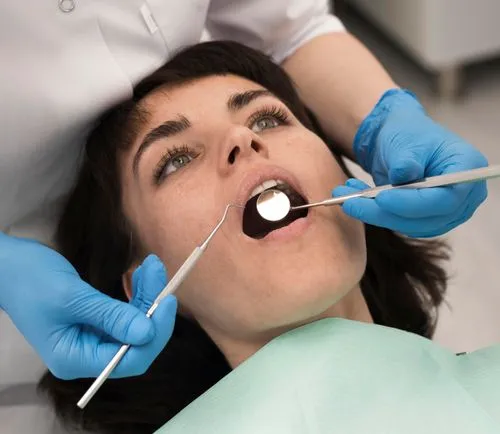
Before you can be fitted for a sleep apnea appliance, we need to make sure your teeth and gums are healthy enough to support it. Because the device attaches to your teeth to reposition your jaw, you’ll need a strong, stable foundation. This means having healthy teeth, no active periodontal (gum) disease, and no significant jaw joint issues. An oral appliance must be custom-fitted by a specially trained dentist who can evaluate your entire oral structure. A thorough dental exam is the first step to ensure the appliance will be both safe and effective for you. You can book an appointment with us for a complete assessment.
How Do Dental Appliances Compare to Other Treatments?
When you’re looking for a sleep apnea solution, you’ll likely come across a few different options. The most common are dental appliances and CPAP machines. Understanding how they differ in effectiveness, daily use, and cost can help you have a more informed conversation with your dentist about what’s right for you. Each approach has its own set of benefits, and the best choice often comes down to your specific diagnosis, lifestyle, and personal preferences. Let's look at how these treatments compare side-by-side.
Measuring Success and Symptom Relief
You might be surprised to learn that oral appliances are nearly as effective as CPAP therapy, especially when you consider how consistently people use them. The best treatment is the one you’ll actually stick with, and that’s where dental appliances really shine. Studies show that about 90% of people use their oral appliances as directed, compared to only about 50% for CPAP machines. For many people with obstructive sleep apnea, this consistency pays off. A custom-fitted appliance can reduce the severity of sleep apnea by more than half for about 70% of users, and for a third of people, it can eliminate symptoms completely.
Dental Appliance vs. CPAP Therapy
A CPAP machine, which uses a mask to deliver continuous air pressure, is often considered the gold standard for treating severe sleep apnea. However, many people find the machine cumbersome, noisy, or uncomfortable, which leads them to seek other options. This is where a dental appliance can be a fantastic alternative. Oral appliances are typically recommended for people with mild to moderate sleep apnea. They are also a great solution for anyone who has tried a CPAP machine and simply can’t get used to it. Our team can help you explore all your TMJ/Sleep Apnea solutions to find a comfortable and effective fit.
Understanding Costs and Insurance Coverage
The cost of a custom-fitted dental appliance can vary, but it typically ranges from $1,500 to $2,500. This price usually includes your initial fitting, the device itself, and any necessary follow-up appointments to ensure a perfect fit. The good news is that most health insurance plans, including Medicare, will help cover the cost if the appliance is prescribed by a doctor to treat obstructive sleep apnea. It’s a good idea to check with your insurance provider to understand your specific coverage. We also offer a Loyalty Discount Plan to help make your care more affordable.
What Are the Pros and Cons of Dental Appliances?
Deciding on the right treatment for sleep apnea means weighing your options. Dental appliances are a popular and effective choice for many, but like any medical device, they come with their own set of benefits and potential drawbacks. Understanding both sides can help you and your dentist figure out if this is the right path for you.
The Benefits: Comfort and Convenience
One of the biggest draws of a dental appliance is its simplicity. It’s a custom-fitted mouthpiece you wear at night, designed to gently shift your lower jaw or tongue forward. This small adjustment is often all it takes to open your airway, allowing you to breathe easily and sleep soundly. For people with mild to moderate sleep apnea, these devices can be incredibly effective. They are also a fantastic alternative for anyone who has struggled with the noise or discomfort of a CPAP machine. Plus, they’re small, quiet, and easy to travel with, making them a convenient part of your nightly routine.
Potential Side Effects and the Adjustment Period
When you first start using a dental appliance, your body needs a little time to get used to it. It’s common to experience some temporary side effects, such as extra saliva, a dry mouth, or mild jaw or gum soreness. Think of it like breaking in a new pair of shoes; a short adjustment period is normal. These symptoms usually fade within a few weeks as your mouth adapts to the appliance. If you experience any discomfort, your dentist can make small adjustments to improve the fit and make it more comfortable for you.
Long-Term Effects on Your Dental Health
A common concern is whether a dental appliance will affect your teeth or bite over time. With a professionally made and custom-fitted device, significant long-term changes are rare. The key is to have your appliance created by a dental expert and to attend regular follow-up appointments. Your dentist will monitor your bite and overall oral health to catch any potential issues early. It’s important to note that these appliances may not be suitable for everyone, especially individuals with extensive dental work or unhealthy teeth. A thorough dental assessment is the first step to ensure this treatment is a safe and effective option for you.
What's the Process for Getting a Custom Appliance?
If you're considering a custom oral appliance for sleep apnea, you'll find the process is quite straightforward. It involves working closely with medical and dental professionals to ensure you get the right solution for your needs. Think of it as a partnership focused on helping you achieve better sleep. The journey starts with a proper diagnosis and ends with a perfectly fitted device you can wear comfortably all night. Let's walk through each step, from your initial assessment to ongoing care, so you know exactly what to expect.
Your Professional Assessment and Fitting
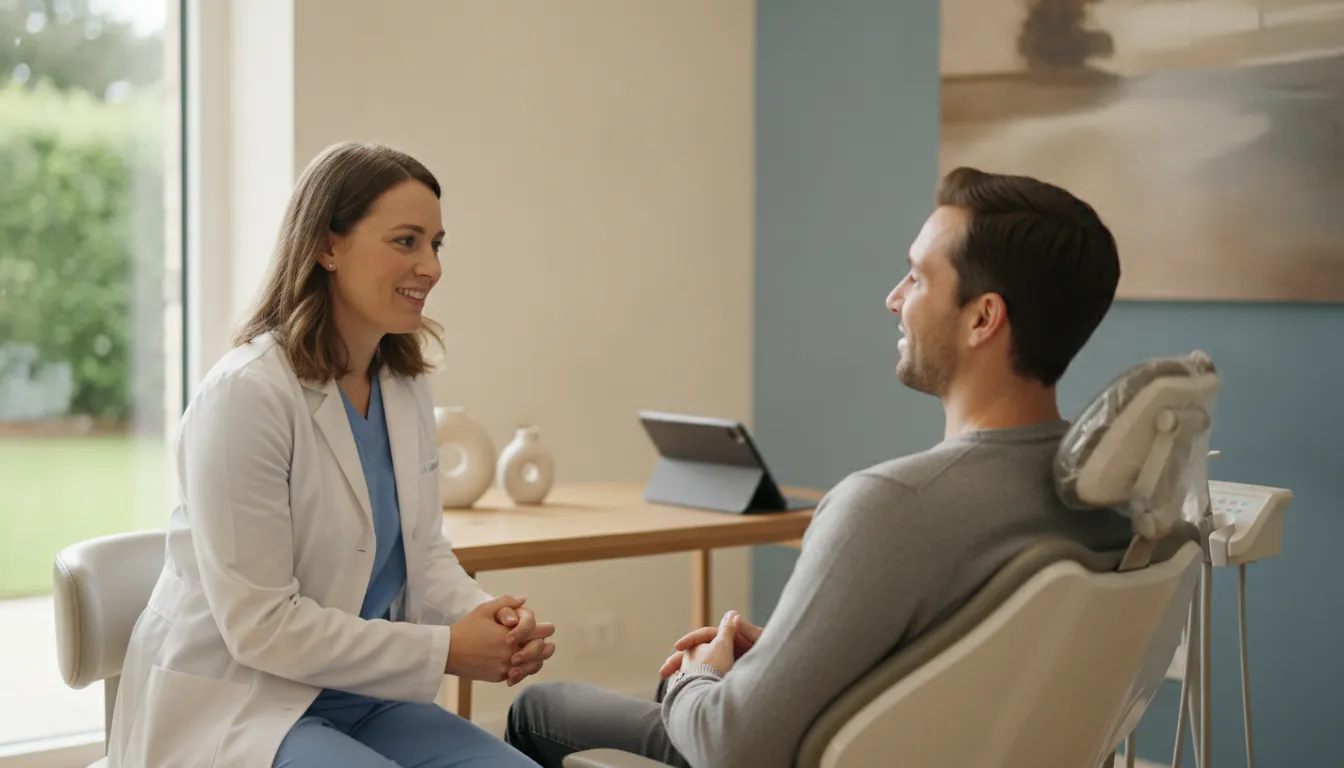
First things first, you'll need an official diagnosis. An oral appliance is a prescribed medical device, so the process begins with a sleep study to confirm you have obstructive sleep apnea. Once your doctor provides a diagnosis, that’s where we come in. Our dental team will conduct a thorough examination of your teeth, jaw, and airway to make sure an appliance is a good fit for you. We then take precise impressions of your mouth. This isn't a one-size-fits-all solution; your appliance is custom-made in a lab to fit your unique anatomy, ensuring it’s both effective and comfortable. Our goal is to provide effective TMJ and sleep apnea solutions tailored just for you.
Adjustments and Follow-Up Care
After your custom appliance is ready, the next step is the fitting. We’ll have you try it on and will make initial adjustments to ensure it feels right. Getting used to sleeping with something in your mouth can take a little time. We often suggest wearing it for just a few hours at first, gradually increasing the duration until you can comfortably wear it through the night. Regular follow-up visits are a key part of the process. These appointments allow us to check the fit, make any necessary tweaks, and confirm the appliance is effectively managing your symptoms. You can always book an appointment if you feel something needs to be adjusted.
Caring for Your New Appliance
Taking care of your oral appliance is simple, but it's essential for its longevity and your overall dental health. You’ll need to clean it daily according to our instructions to keep it fresh and free of bacteria. Just as important are your regular dental check-ups. During these visits, we’ll not only check on your teeth and gums but also inspect your appliance for any wear and tear. We’ll also evaluate your bite to make sure everything remains in healthy alignment. When an appliance is fitted correctly and monitored through consistent dental services, long-term issues like changes to your bite are very uncommon, giving you peace of mind as you sleep better.
Find a Solution for Sleep Apnea at Smile Makers Dental Center
If you're struggling with sleep apnea, you know how much it can affect your daily life, from constant fatigue to loud snoring that keeps your partner awake. At Smile Makers Dental Center, we want you to know there are effective and comfortable solutions available. One of our most popular options is a custom-fitted dental appliance, which is a simple mouthpiece designed to help you manage obstructive sleep apnea (OSA) and finally get a good night's rest. We offer a range of specialized treatments to help you feel your best, and this is one of them.
So, how does a small mouthpiece make such a big difference? It’s actually pretty clever. These oral appliances work by slightly repositioning your jaw or tongue to keep your airway open while you sleep. Think of it as creating a clear, unobstructed path for air to flow freely. This simple adjustment can significantly reduce the interruptions in breathing that define sleep apnea, helping to quiet loud snoring and ease that feeling of constant daytime tiredness.
The most common type we use is called a Mandibular Advancement Device, or MAD. It looks a bit like a sports mouthguard and fits comfortably over your upper and lower teeth. The MAD gently shifts your lower jaw forward, which tightens the muscles in your throat and helps stop airway obstruction during sleep. This small change is often all it takes to improve your breathing throughout the night.
By choosing a custom dental appliance, you can see a real improvement in your sleep quality and overall well-being. Experts note that these devices can be very effective at treating sleep apnea symptoms, allowing you to feel more alert and focused during the day. If you think a dental appliance might be the right fit for you, we're here to help. Our team at Smile Makers Dental Center can assess your needs and guide you through the process. Sleep apnea appliances are custom-fitted at Smile Makers in Tysons and all of our six Northern Virginia locations. Schedule a consultation with us today to learn more about our sleep apnea solutions and start your journey toward better sleep.
Related Articles
- TMJ & Sleep Apnea Virginia - Smile Makers Dental Center
- Is Sleep Apnea a Big Enough Deal to Require Treatment? | Smile Makers Dental Center
- Bruxism Treatment – Stop Teeth Grinding with Night Guards
Frequently Asked Questions
Is a dental appliance uncomfortable to sleep with? It’s normal to need a little time to get used to wearing something in your mouth at night. For the first week or so, you might notice some mild jaw soreness or extra saliva, but these feelings typically fade as your mouth adjusts. We custom-fit each appliance for a snug and comfortable feel, and we can make small adjustments during follow-up visits to ensure it feels just right for you.
How is this different from a night guard I'd get for teeth grinding? That's a great question, as they can look similar at first glance. A night guard is designed simply to create a protective barrier between your upper and lower teeth to prevent damage from grinding. A sleep apnea appliance is a more complex medical device that actively repositions your lower jaw or tongue to keep your airway open, which is a completely different function.
Will my medical insurance help pay for a sleep apnea appliance? In many cases, yes. Because obstructive sleep apnea is a medical condition, most health insurance plans, including Medicare, offer coverage for custom oral appliances when they are prescribed by a doctor. It's always a good idea to contact your insurance provider directly to confirm the details of your specific plan and understand your coverage.
How long will my custom dental appliance last? With proper care, a custom-made appliance is quite durable and can last for several years. We recommend cleaning it daily as instructed and bringing it with you to your regular dental check-ups. During these visits, we can inspect it for any signs of wear and tear and make sure it continues to fit you perfectly.
Do I need a sleep study before getting a dental appliance? Yes, that is the essential first step in the process. A dental appliance is a prescribed medical device used to treat a diagnosed condition. You will need to complete a sleep study and get an official diagnosis of obstructive sleep apnea from a physician before our dental team can proceed with creating a custom appliance for you.