



A dental crown is a custom covering that restores the shape and function of a tooth when a filling alone may not provide enough support. Signs you need a dental crown can include a cracked or weakened tooth, a large cavity or filling, or a tooth that has had root canal treatment—but only a dental exam can determine what is appropriate for your tooth.
What does a dental crown do?
A crown covers the visible part of a tooth above the gumline. It is designed to restore the tooth's shape and chewing surface and to help protect remaining tooth structure. A dentist may discuss a crown when a tooth has lost substantial strength or shape. That does not mean every tooth with a chip, cavity, or old filling needs one. The choice depends on what an examination shows, how much healthy tooth remains, and the tooth's overall condition.
Patients often notice a symptom first, such as discomfort when chewing, or learn about a concern during an exam. Some teeth with damage do not cause obvious symptoms. For that reason, symptoms can be useful reasons to seek an evaluation, but they cannot confirm by themselves that a crown is needed.
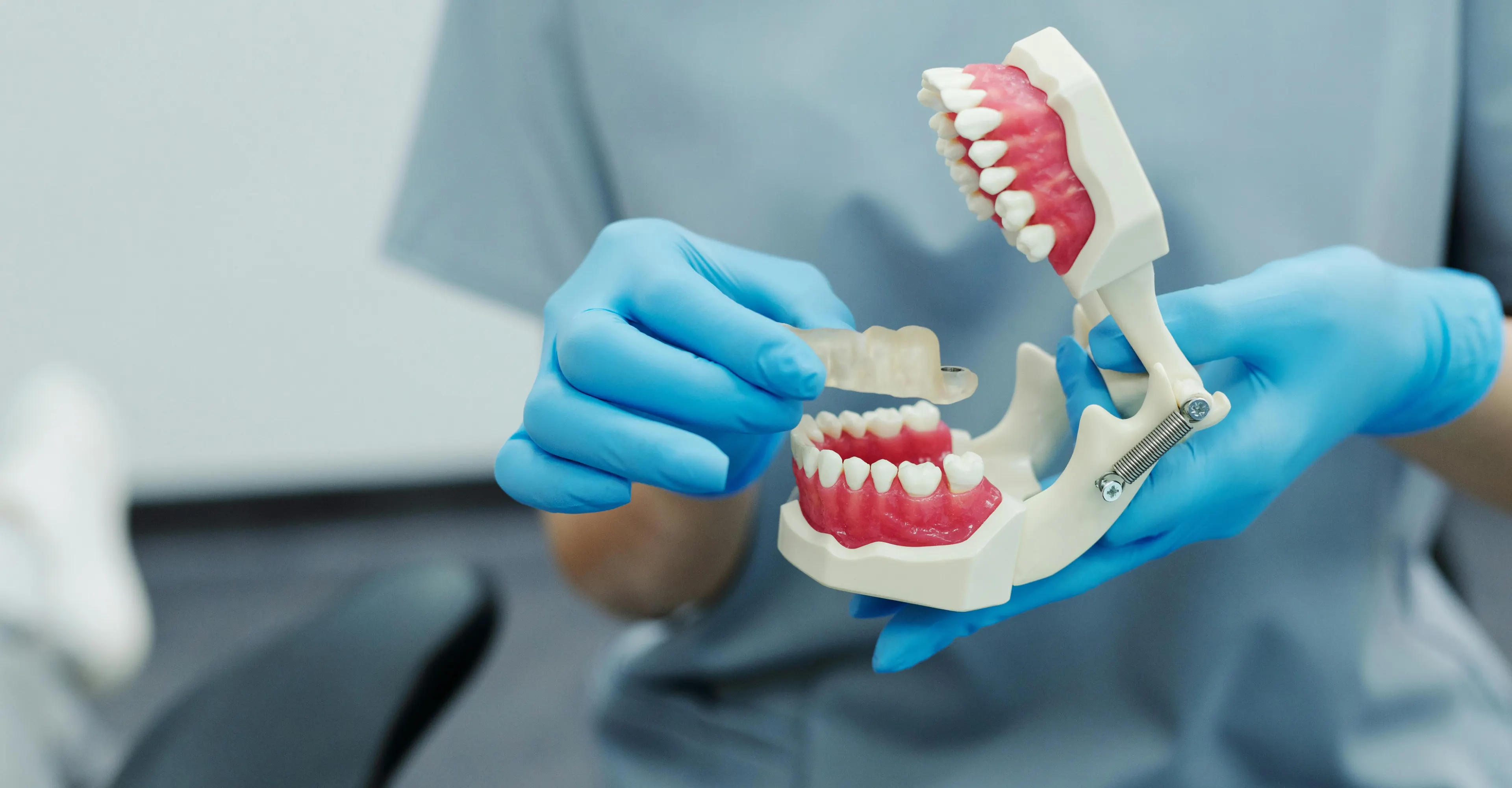
A crown is also different from a filling. A filling repairs a more limited area, while a crown covers a larger portion of the tooth. A dentist can explain which approach fits the findings and whether another option should be considered. For a general overview of the practice's dental services, see the services page.
Which signs may mean a tooth needs a crown?
There is no single symptom that proves a crown is necessary. These signs can indicate that a tooth should be checked. If you have one or more of them, share what you have noticed with a dentist and ask what the examination shows.
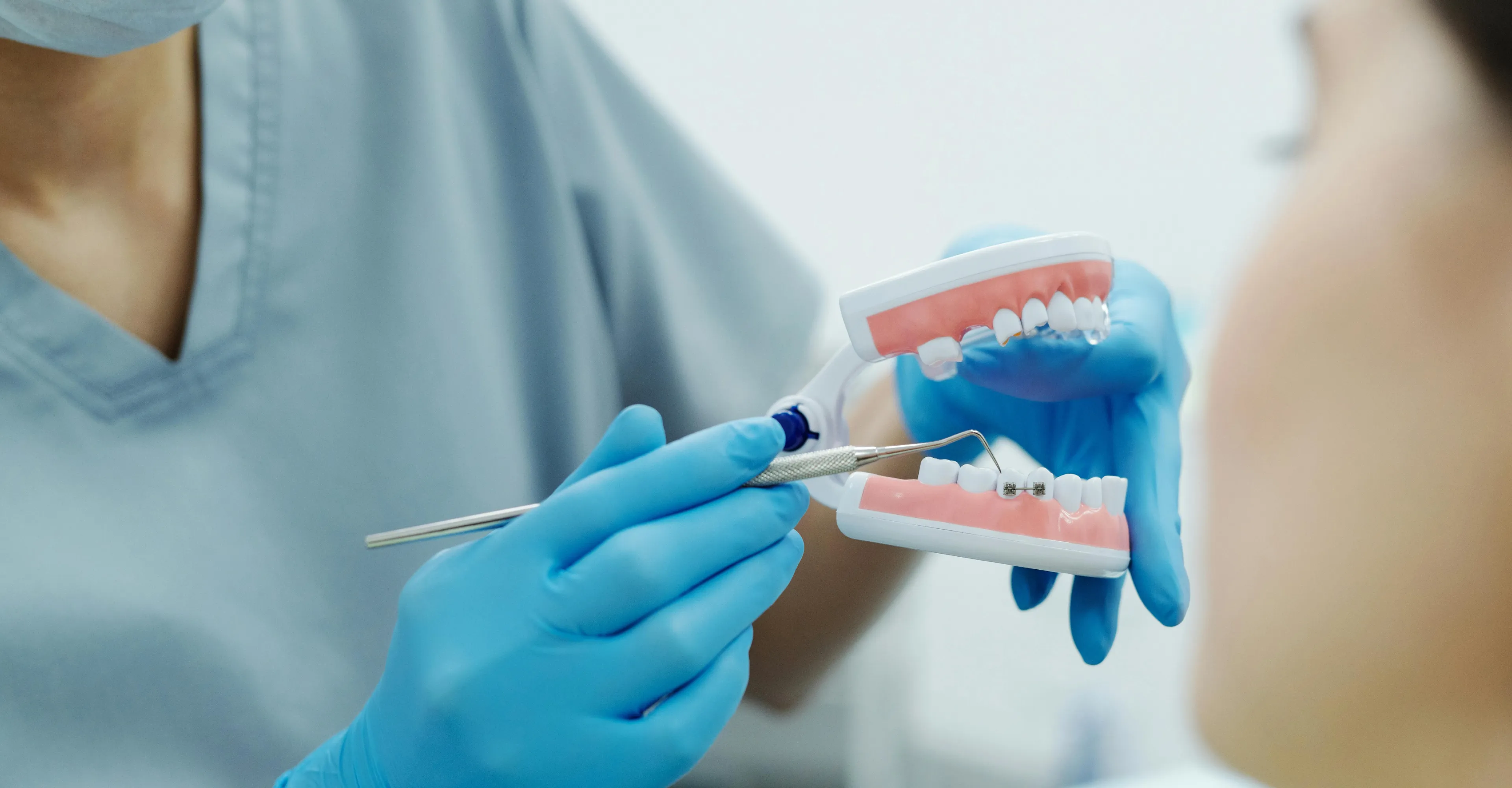
- A visible crack or fracture. A crack can be difficult to judge by looking in a mirror. A broken or fractured tooth may need assessment, especially if chewing causes discomfort or the damaged area is growing.
- A large cavity or extensive decay. When decay affects a broad area, the amount of remaining tooth structure matters. The dentist can assess whether a filling is suitable or whether a covering restoration should be discussed.
- A large, worn, or damaged filling. An old filling may loosen, break, or leave the surrounding tooth vulnerable to further damage. A dentist can check both the filling and the tooth around it.
- A tooth that has had root canal treatment. The tooth may need a restoration to rebuild or protect it, depending on its condition and location. Your dentist can explain the plan for your specific tooth.
- Part of a tooth has broken off. The break may be small or extensive, and its appearance does not reveal how much of the tooth is affected. Keep the area clean and arrange an evaluation rather than trying to judge the repair yourself.
- Chewing feels uncomfortable or different. Pain when biting, tenderness, or a change in how your teeth meet can have several causes. It is a reason to ask for an assessment, not a way to diagnose a crown need.
- A tooth looks misshapen or has lost substantial structure. A change in shape can follow damage or wear. An exam helps clarify whether restoration is needed and what type may fit.
Research from the National Dental Practice-Based Research Network notes that dentists are likely to recommend a crown in situations such as a fractured or cracked tooth, a large cavity, a broken filling, or a molar following root canal treatment. The examples are general, not a diagnosis for an individual tooth. Read the research brief on single-unit crowns.
How can symptoms help you decide what to do next?
Symptoms can help you describe the problem and choose when to contact a dental office. They cannot show how deep a crack goes or how much tooth structure remains. When you call or book, be ready to describe when the change began, where you feel it, and what seems to trigger it. Mention whether the tooth has a filling or has received prior treatment, if you know.
For example, say, “I feel a sharp discomfort when I chew on the left side,” rather than concluding that you need a crown. This gives the dental team useful information while leaving diagnosis and treatment planning to the clinician. If the tooth has broken, note whether a piece came away and whether the area is painful or sensitive.
Some tooth problems need prompt attention. Contact a dental office as soon as you can if you have significant or worsening pain, a new break, swelling, or difficulty eating. If you are unsure whether the situation is urgent, call and explain the symptoms so the team can guide you on scheduling. Do not wait for a routine cleaning if a new injury or concerning change has occurred.
While waiting to be seen, avoid chewing hard or sticky foods with the affected tooth if doing so causes discomfort, and do not try to glue or reshape a broken area yourself. Keep notes about changes rather than repeatedly testing the tooth by biting or pressing on it. If a fragment has come away, keep it in a clean container and tell the dental office; the team can advise whether to bring it. These practical steps do not treat the cause, but they can help you avoid adding stress to the area and give the dentist a clearer account of what happened.
If you have a dental emergency, the practice's page about emergency dentistry can help you find the appropriate contact path. For a broken tooth, see the patient guide to repairing a broken tooth as well; an article cannot replace an examination.
How does a dentist decide whether a crown is appropriate?
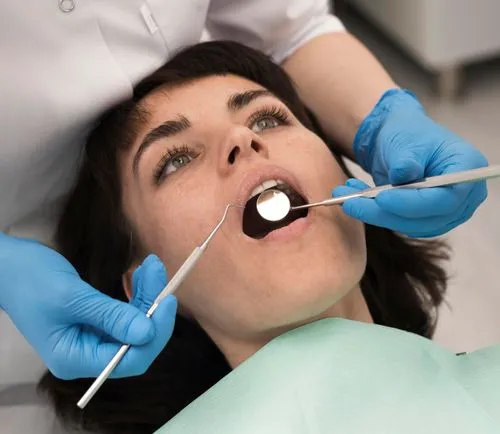
The dentist starts by asking about your concerns and examining the tooth. They may check the damaged area, existing restorations, your bite, and the surrounding tissues. Depending on the situation, they may use dental imaging to gather more information. The findings help the dentist explain the condition and discuss possible next steps.
The decision can depend on several factors:
- How much healthy tooth remains: A small defect and a tooth with extensive damage are not the same situation.
- Where the tooth is located: Front and back teeth have different shapes and roles in biting and chewing.
- What treatment the tooth has already received: A tooth with a large restoration or prior root canal treatment may need a different discussion from an otherwise intact tooth.
- Whether there is a crack or fracture: The dentist needs to evaluate its location and extent, rather than relying on symptoms alone.
- Your overall oral health and goals: The clinician can explain relevant options and how they relate to your needs.
Ask the dentist to show or explain what they found, what choices are available, and why a crown is or is not being considered. You can also ask what may happen if you monitor the tooth or choose another approach, and what signs should prompt you to call again. For questions about tooth pain that may involve the nerve, the guide to the root canal process offers general background; your dentist can say whether that topic applies to your case.
It can also help to ask how the recommendation relates to the tooth's present condition, rather than focusing only on the name of a procedure. For example, ask whether the main concern is lost tooth structure, a crack, an existing restoration, or something else. If more than one option is reasonable, invite the dentist to compare what each option is intended to address and what follow-up may be needed. A clear explanation should help you understand the reasoning without requiring you to make a decision based on symptoms or an online description alone.
How do common tooth concerns compare?
The table below can help organize what you have noticed before an appointment. It does not identify a diagnosis or promise a specific restoration. A dentist must assess the tooth to recommend care.
| What you notice | Why an evaluation may help | Useful next step |
|---|---|---|
| Crack, fracture, or a piece missing | The visible area may not show the full extent of the damage. | Contact a dental office and describe when it happened and any discomfort. |
| Large cavity or filling that has broken | The amount of remaining tooth structure can affect what repair is appropriate. | Arrange an exam and ask the dentist to explain the available options. |
| Tooth has had root canal treatment | The restoration plan depends on the tooth and its condition after treatment. | Follow up with the treating dental team about the next step for that tooth. |
| Pain or tenderness when chewing | Several issues can cause these symptoms; they do not confirm a crown is needed. | Note which tooth and what triggers the sensation, then request an evaluation. |
| No symptoms, but a dentist noticed damage | Some concerns are found during an exam before they become noticeable to you. | Ask what was seen, whether imaging is relevant, and when to follow up. |
What should you ask before deciding on a crown?
A clear conversation can make the next step feel less uncertain. Consider bringing a short list of questions or writing down the answers after your visit. You do not need to know dental terminology to take part in the discussion. Before the visit, write down when you first noticed the change and whether it has happened once or repeatedly. Note whether it comes with chewing, temperature, or pressure, but do not test the tooth repeatedly to provoke a symptom. Bring a list of medications and relevant dental history, including prior treatment on that tooth if you know it. If you have already had an evaluation elsewhere, ask how to share those records with the dental team.
It may be helpful to plan the appointment in two parts: first, explain your concern in your own words; then ask the dentist to summarize what the exam suggests. A simple timeline is often useful—when the sensation started, whether it has changed, and what makes it better or worse. If you do not know which tooth is involved, that is fine; describe the side or area as best you can. The dental team can help identify the specific tooth during the exam.
During the appointment, ask the dentist to separate what is known from what is still uncertain. For instance, ask whether the tooth is visibly damaged, whether additional evaluation is needed, and what the dentist is monitoring. If a crown is recommended, ask what the goal is and what alternatives may be suitable. You can take notes or bring someone you trust if that makes it easier to remember the discussion. It is reasonable to ask for clarification before making a decision.
After the visit, follow the instructions the dental team provides and contact the office if symptoms change or worsen. If you are arranging care for a family member, encourage them to describe their own symptoms as clearly as possible. A parent or caregiver can add context, but the person experiencing the discomfort may be able to identify details that are useful to the dentist.
- What did you find during the exam, and can you show me the area?
- How much of the tooth is affected, and what is uncertain?
- Why are you suggesting a crown, or why might another option be appropriate?
- What are the benefits and limitations of the options you recommend?
- What should I expect during the proposed care and afterward?
- What symptoms or changes should lead me to contact the office?
- Would another evaluation or additional information help me make a decision?
If you feel nervous, mention that when you schedule. A dental team can explain what to expect and answer questions before care begins. You can also read about what to expect with twilight sedation for general information, then ask the dental team whether any comfort options are relevant to your visit.
Smile Makers Dental Center serves patients across Northern Virginia. You can review the office locations and use the online appointment page when you are ready to request a visit. If you want to learn more about the practice team, see the dentist profiles.
Frequently asked questions
Does a cracked tooth always need a crown?
No. A crack is a reason to have the tooth assessed, but the right approach depends on its location, extent, and the tooth's condition. A dentist can explain what the examination shows and whether a crown or another option should be considered.
Can I tell from pain alone that I need a crown?
No. Pain when chewing or sensitivity can have different causes. Describe what you feel and when it happens, then let a dentist examine the tooth. Symptoms alone cannot confirm that a crown is needed.
Does every tooth with a large filling need a crown?
No. The size and condition of the filling and the amount of healthy tooth remaining matter. An exam helps the dentist decide whether the existing restoration is adequate or whether a different restoration should be discussed.
Why might a crown be discussed after root canal treatment?
A dentist may discuss a crown for a tooth that has had root canal treatment, particularly when the tooth needs additional restoration. The specific plan depends on the tooth and the findings in your case, so ask your dentist to explain the recommendation.
What should I do if a tooth breaks before my appointment?
Contact a dental office promptly and explain what happened, when it occurred, and whether you have pain or swelling. If symptoms are severe or getting worse, say so when you call. Avoid trying to diagnose the damage yourself; the dental team can advise you about the next step.
What is the next step if you notice these signs?
A crack, large cavity, damaged filling, or tooth that has had root canal treatment may lead a dentist to discuss a crown, but those signs do not prove that one is required. An evaluation gives you a chance to understand the condition of the tooth, ask questions, and consider the options with your dental team.