


If you are searching for a dental implants periodontist, you may be weighing who can help replace one missing tooth and what the process involves. A periodontist focuses on gums and the structures that support teeth; implant planning may involve this specialist along with other dental professionals. The right plan depends on your oral health, history, and goals, so an in-person evaluation is the useful starting point.
Book an appointment to discuss your options
What does a periodontist do for dental implants?
A periodontist is a dental specialist whose field centers on the tissues and bone that support teeth. Implant care can involve examining the mouth, assessing the intended site, planning placement, and monitoring healing. Depending on the case and practice, different dental professionals may coordinate parts of that care.
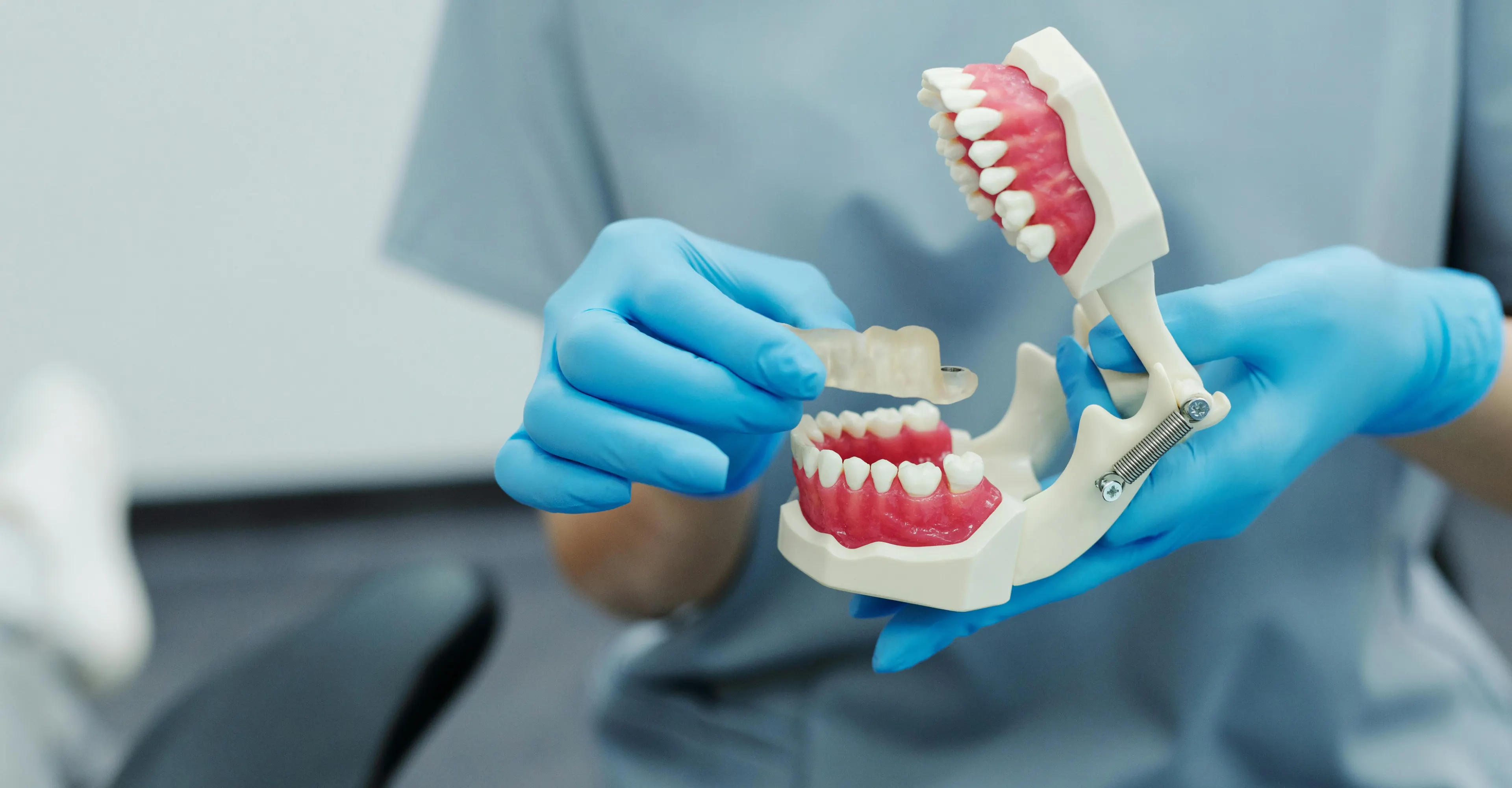
For a single missing tooth, an implant is a post placed in the jaw to support a replacement tooth, often a crown. It differs from a bridge, which uses neighboring teeth as supports. A removable partial denture is another possible option. A clinician can explain which approaches may suit your needs; none is right for every person. See Smile Makers' dental implant care information for the relevant care path.
Specialists may contribute at different points. A periodontist may assess gum and supporting-bone health and discuss the surgical part of care. Another clinician may plan or provide the visible replacement tooth. The precise division of responsibilities varies, so ask who will handle each stage rather than assuming one title describes the entire process.
Is an implant appropriate for one missing tooth?
An implant may be considered when a tooth is missing and a patient wants to explore a replacement that does not rely on neighboring teeth for support. Suitability depends on factors such as oral health, jawbone condition, medical history, and personal preferences. Only a clinician who evaluates you can advise on your individual options.
Ask about the full plan, not only the implant itself. A complete discussion can include preparation, placement, healing, the crown, maintenance, and alternatives. If the tooth was removed recently, ask whether timing or healing changes the recommended next step. If it has been missing for some time, ask what the examination and imaging show about the site today.
- What are the options for replacing this tooth?
- What findings from my exam or imaging affect the plan?
- Which clinician will handle each stage?
- What should I expect during healing and follow-up?
- What risks, limits, or alternatives should I understand?
Bring your questions even if you are not ready to choose a treatment. A consultation can help you understand choices without requiring an immediate decision. For instance, if you are interested in an implant but unsure about timing, ask the clinician to separate decisions that must be made now from those that can wait until after further assessment.
How does a periodontist evaluate implant needs?
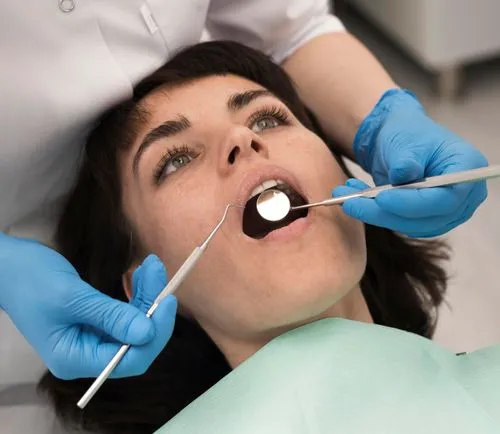
An evaluation usually begins with a conversation about your goals, health history, medicines, and previous dental treatment. The clinician examines your teeth and gums and may recommend imaging to assess the area. These steps help the team understand the site and discuss whether more assessment or preparation may be needed.
Share complete, current information about health conditions, medications, tobacco use, and concerns about comfort. Do not stop or change prescribed medicine based on general information. If another clinician manages a health condition, your dental team may ask for relevant details before planning care.
After the assessment, ask for a plain-language explanation. Request that the clinician explain what they see and how it relates to your choices. The American Dental Association provides patient education resources, but general information cannot determine which treatment is appropriate for you; that requires an individual evaluation.
Think of the consultation as a decision process rather than a single yes-or-no moment. Clarify the problem the team is trying to solve and what the examination shows. Ask what reasonable alternatives exist and how each could affect nearby teeth, daily cleaning, and follow-up. Confirm what information is still missing and whether another assessment is recommended. This sequence can make a complex discussion easier to follow.
If clinicians recommend different roles for different stages, ask how the handoff works. Find out who answers questions about the surgical portion, who plans or places the final tooth, and who monitors the restoration afterward. Ask whether the same office can coordinate visits or whether you should expect care with more than one provider. These are practical questions, not a test of any particular clinician.
An evaluation might identify a need to address gum health before moving forward, or show that the site needs additional assessment. These are possibilities, not predictions about any one patient. Ask what each finding means, what choices it creates, and how the team will decide when the next stage is appropriate.
It may help to organize what you learn in three columns: findings, what they mean for your options, and questions that remain. For example, a note that the clinician wants to assess bone at the site is a finding; whether it changes treatment is a question for the clinician. Do not interpret a single phrase in a report as a complete treatment recommendation. Ask how the finding fits your whole exam and what happens next.
How do an implant and a bridge compare?
A single missing tooth can sometimes be addressed with different approaches. This comparison is a starting point for questions, not a recommendation. Individual needs and suitability vary.
| Option | How it is supported | Questions to discuss |
|---|---|---|
| Single-tooth implant and crown | A post in the jaw supports a crown | Is the site suitable? What stages and healing should I expect? |
| Fixed dental bridge | Neighboring teeth support a replacement tooth | What preparation would adjacent teeth need? How is it maintained? |
| Removable partial denture | A removable appliance replaces one or more teeth | Would it be suitable? What care or adjustment may be needed? |
For more context, read how a dental bridge and implant compare and types of dental implants. Ask what happens to neighboring teeth, what daily care involves, which visits are expected, and what happens if your preferred option is not suitable.
Try framing the conversation around your priorities. If preserving neighboring teeth matters to you, ask how each option affects them. If removability or cleaning is a concern, ask for a demonstration of the daily routine. If you have a preference about the number or timing of visits, share it and ask how that fits with clinical needs. These questions help your clinician explain tradeoffs in relation to your examination.
A practical comparison checklist can include the support for each option, appointments or preparation, home care, and follow-up. Mark unclear points and bring them to another conversation. Also ask how the plan could change if an examination finding differs from what was expected. A careful discussion distinguishes what is known now from what can only be confirmed as care progresses. Avoid comparing only the number of visits or one feature; the whole care sequence matters.
As a worked example, imagine two possible plans are being discussed and you are concerned about keeping nearby teeth unchanged. Instead of deciding from a general article, ask what each plan requires of those teeth, whether the site can support the proposed implant, and how the final tooth will be cleaned. If cleaning access is your chief concern, ask the team to explain the actual home-care routine for each option. The answers may clarify which tradeoffs matter most to you, but the clinician must relate them to your exam.
Schedule a dental consultation
What can affect implant planning?
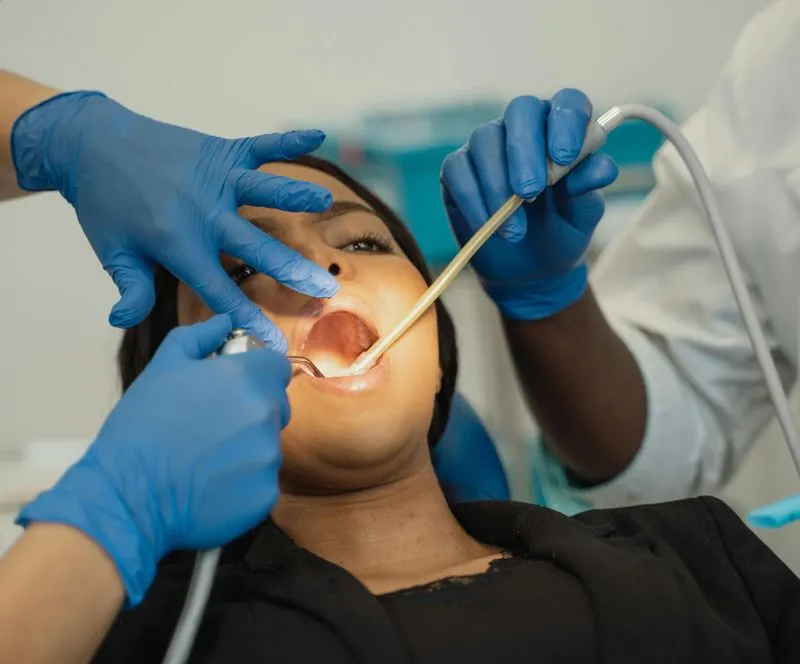
The condition of the gums and nearby teeth matters because oral health is part of planning. The shape and amount of bone at the site may also be assessed. Sometimes a clinician discusses additional procedures or a different approach; any recommendation should be individualized and explained before you agree to care. Learn about periodontal care and oral surgery.
Your general health and medicines can be relevant, too. Share current information and ask how it affects the plan. Healing expectations differ, so another person's timeline is not a reliable prediction for you. Ask what milestones the clinician will look for and how follow-up will be arranged.
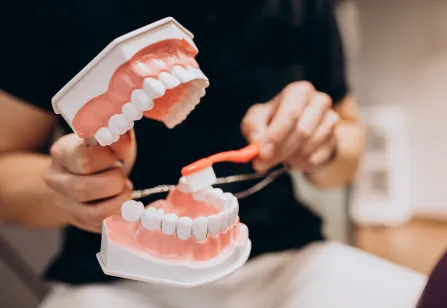
Daily care remains important after tooth replacement. Ask how to clean around the restoration, what routine checkups are recommended, and what symptoms should prompt a call. Instructions depend on the restoration and your oral health. Clarify whom to contact if you have a concern between visits. You can also review ways to feel more comfortable at dental visits if anxiety is part of your planning.
Separate the plan into stages: assessment, recommended preparation, placement, restoration, and ongoing care. For every stage, ask its goal, what choices you have, and how the team will communicate progress. A written outline makes it easier to review details at home and bring follow-up questions.
Ask how the team defines readiness to move from one stage to another. You might want to know what needs to be checked before placement, what follow-up visit comes next, and who confirms that the restoration is ready for routine care. This is not about predicting a fixed timetable; it is about understanding the clinical checkpoints and knowing whom to contact if your plans or health details change.
How can you prepare for a consultation?
Bring a list of medicines and health conditions, and note when the tooth was lost or removed. If you have prior dental images or records, ask whether the office would like them. Write down your main questions so you do not need to remember them during the visit.
- Ask who coordinates the process and whom to contact.
- Request a step-by-step explanation of proposed care and alternatives.
- Ask how healing and follow-up are monitored.
- Discuss comfort concerns and support available during visits.
- Ask for a written plan to review at home.
Consider taking notes or bringing someone you trust if that would help. Before leaving, repeat the next step in your own words and ask whether you understood correctly. Request simple explanations of unfamiliar terms.
A useful way to prepare is to sort questions by topic. Under the examination, ask what the clinician needs to assess. Under options, ask what alternatives exist and why one might be discussed. Under logistics, ask which appointments and clinicians are involved. Under home care, ask how to protect and clean the final restoration. This order helps ensure that the conversation covers both the clinical decision and what day-to-day life may look like afterward.
If dental visits make you nervous, tell the team ahead of time. Read practical ways to feel more comfortable at the dentist and learn about comfort options to discuss. Sharing what worries you can help the team understand what would make a visit easier.
You can review the dental team and office locations before arranging a visit. When comparing providers, focus on whether your questions are answered clearly, clinician roles are explained, and you understand follow-up. Before leaving, confirm the immediate next action, when to expect a response, and whom to contact with new questions.
Frequently asked questions
Does every dental implant need a periodontist?
Not necessarily. The clinicians involved depend on the case and practice. Ask who will evaluate you, who will provide each part of care, and how follow-up will be coordinated.
Can a periodontist tell me whether I am a candidate?
A clinician can assess your oral health, relevant history, and implant site, then explain possible options. Suitability cannot be determined from a search or general article alone.
Is an implant always better than a bridge?
No option is best for everyone. The approaches differ in support and care. Discuss benefits, limitations, and alternatives with a clinician who knows your situation.
What should I ask before agreeing to treatment?
Ask for proposed steps, alternatives, expected follow-up, possible risks, and the roles of each clinician. Make sure you understand the plan and have time to raise concerns before deciding.
What if I need time to decide?
You can ask for a copy of the proposed plan and take time to review it. If questions arise later, contact the practice or bring them to a follow-up conversation.
What is the next step?
If you are considering an implant for one missing tooth, start with an evaluation and conversation about your options. Review available dental services and request an appointment with Smile Makers, which serves Northern Virginia through multiple offices. A personalized discussion can help you understand your choices and the appropriate next step.
Every treatment decision should be made with a qualified dental professional who can evaluate your individual needs.