




You love your porcelain veneers, but lately, you’ve noticed your smile doesn’t seem as vibrant as it once was. It’s a common concern, and many people immediately search for porcelain veneers whitening solutions, hoping for a quick fix. The short answer is that veneers cannot be bleached like natural teeth. They are crafted from a stain-resistant material that doesn't have pores for whitening agents to penetrate. So, what are your options? This isn't bad news; it just means the solution is different. We’ll explore what causes veneers to appear dull and discuss the effective, professional methods for bringing back their original luster.
Key Takeaways
- Porcelain and Enamel Are Different: Whitening products are made for natural tooth enamel and will not change the color of your porcelain veneers. In fact, abrasive whitening toothpastes can scratch the veneer's surface, which dulls the shine and attracts more stains.
- Protect Your Smile with Smart Habits: The best way to keep veneers bright is through prevention. Use a soft-bristled toothbrush with non-abrasive toothpaste, and make it a habit to rinse with water after enjoying coffee, tea, or red wine to wash away pigments.
- See a Professional for Stains: If you notice discoloration, your dentist is your best resource. A professional cleaning and polishing can safely remove surface stains, while a replacement may be recommended for older veneers or more significant cosmetic concerns.
Can You Whiten Porcelain Veneers?
If you have porcelain veneers, you know how great they are for achieving a bright, confident smile. But what happens if you notice them looking a little less brilliant over time? You might wonder if you can just grab a whitening kit to freshen them up. The short answer is no, but it’s important to understand why and what your actual options are. Let's break it down.
Why Veneers Don't Respond to Whitening
The main reason you can't whiten veneers is simple: they aren't made of the same material as your natural teeth. Veneers are typically crafted from a high-grade, non-porous porcelain. This material is designed to be stain-resistant and to hold its color for years. Whitening products, on the other hand, are formulated to work on the porous enamel of natural teeth, bleaching away stains that have settled in. Because porcelain doesn't have these pores, the whitening agents in at-home kits have no effect on them. It’s a key part of the cosmetic dentistry process to select a veneer shade that you'll be happy with long-term.
The Hidden Risks of At-Home Whitening Kits
Since over-the-counter whitening kits are made for natural tooth enamel, using them on your veneers is not only ineffective but can also be problematic. While the whitening gel won't change the color of your porcelain veneers, it can still come into contact with your gums, potentially causing irritation and sensitivity. You would be applying chemicals to your mouth for no benefit, which is never a good idea. It’s always best to skip the DIY whitening attempts on your veneers and save yourself the time, money, and potential discomfort.
How Abrasives Can Dull Your Veneers' Finish
You should also be careful with certain "whitening" toothpastes or trendy solutions like baking soda and charcoal. These products don't bleach teeth; they work by being abrasive and scrubbing away surface stains. While that might sound helpful, it's incredibly damaging to veneers. The fine porcelain is coated with a smooth, shiny glaze that protects it. Abrasive substances will scratch this finish, permanently dulling your veneers' luster. Worse yet, a scratched surface is no longer stain-resistant and will actually pick up new stains more easily, leaving you with the opposite of what you wanted.
A Better Approach: Whitening Your Natural Teeth
So, what can you do if your smile looks uneven? Often, the issue isn't that the veneers have stained, but that the surrounding natural teeth have yellowed over time. This creates a color mismatch. The best solution is to have a professional whiten your natural teeth to match the shade of your veneers, restoring a seamless and uniform look to your smile. This is a safe and effective procedure when done by a dentist who can control the process and ensure a perfect match. If you're concerned about the color of your veneers or teeth, the first step is to book an appointment for a professional consultation.
What Causes Veneers to Change Color?
Porcelain veneers are celebrated for their durability and resistance to stains, but they aren't completely invincible. Over time, you might notice your bright smile looking a little less vibrant. This usually isn't because the porcelain itself has changed color, but rather due to a few external factors that affect the surface of the veneer or the tooth underneath. Understanding what causes discoloration is the first step toward keeping your veneers looking their best for years to come.
From the foods you eat to the way you brush, several things can affect the shade of your smile. The good news is that most of these issues are preventable with the right care and habits. It's a common misconception that veneers are a "set it and forget it" solution. While they are low-maintenance, they still require mindful care to maintain their original brilliance. Factors like the natural aging of the bonding material, the wearing down of the veneer's protective glaze, and exposure to staining agents can all play a role. Let's look at the primary reasons why veneers can lose their luster and what might be happening behind the scenes. If you're ever concerned about the color of your veneers, a consultation about cosmetic dentistry can give you personalized answers and peace of mind.
When the Protective Glaze Wears Down
Think of the surface of your veneers as having a very thin, glassy top coat. This is a protective glaze that gives them their natural-looking sheen and acts as a shield against stains. However, this glaze can wear down over time. The main culprits are often abrasive whitening toothpastes and stiff-bristled toothbrushes. Aggressive brushing habits can also contribute to eroding this layer. Once the glaze is compromised, the veneer’s surface becomes slightly more porous. This makes it easier for pigments from food and drinks to cling and cause discoloration, taking away that pearly white shine you love.
Stains from Common Foods and Drinks
Just like your natural teeth, your veneers are constantly exposed to the things you eat and drink. While they are highly stain-resistant, consistent contact with dark-colored foods and beverages can eventually leave surface stains. Things like coffee, red wine, tea, and dark berries contain strong pigments called chromogens that can accumulate on the exterior of your veneers. While it takes a lot more to stain a veneer than a natural tooth, years of daily exposure can begin to dull their brightness. This is especially true if the protective glaze has started to wear away, giving those stains a better surface to stick to.
The Effects of Smoking and Tobacco
It’s no secret that tobacco is tough on teeth, and the same holds true for veneers. The nicotine and tar found in cigarettes, cigars, and chewing tobacco are powerful staining agents that can quickly turn veneers yellow or brown. These stains are often stubborn and can settle onto the surface, making them difficult to remove with regular brushing alone. If you want to maintain a bright, white smile, avoiding tobacco products is one of the most effective steps you can take to protect your investment in your veneers and your overall oral health.
How Bonding Cement Ages Over Time
Sometimes, the issue isn't with the veneer itself but with the material used to attach it to your tooth. Dentists use a special bonding cement to secure your porcelain veneers in place. Over many years, this cement can slowly darken or become discolored, especially around the edges of the veneer. When this happens, it can create a shadowy or yellowish halo effect, making the entire veneer appear darker than it actually is. This is a natural aging process, but it’s something your dentist can evaluate during your regular check-ups to determine the best course of action.
Which Foods and Drinks Can Stain Veneers?
Porcelain veneers are fantastic because they are highly resistant to stains, which is one of the main reasons people love them. However, they aren't completely stain-proof. Over time, and with repeated exposure, certain foods and drinks can begin to leave their mark. Think of it this way: anything that can stain a white t-shirt has the potential to discolor your veneers. While the effect isn't immediate, the cumulative impact of these items can gradually diminish the brightness of your smile.
The good news is that it takes a lot more to stain a veneer than it does a natural tooth. The non-porous surface and protective glaze do a great job of repelling pigments. The trouble can start when that glaze wears down from abrasive toothpastes or simply from years of use. Once the surface becomes slightly more porous, it can start to pick up stains from deeply colored foods and beverages. Knowing which items are the biggest offenders is the first step in keeping your smile bright and beautiful for years to come. It's not about creating a restrictive diet, but about being mindful so you can protect your investment and enjoy your brilliant smile for as long as possible.
The Usual Suspects: Coffee, Tea, and Red Wine
Your morning coffee, afternoon tea, and evening glass of red wine are common culprits for tooth discoloration, and the same holds true for veneers. These drinks are rich in dark pigments called chromogens, which have a knack for sticking to surfaces. While your veneers will resist these stains much better than your natural teeth, consistent, long-term contact can eventually lead to a dull or yellowish appearance on the surface.
This doesn't mean you have to give up your favorite drinks. It's just about being mindful of how often you indulge and what you do afterward. Maintaining a bright, confident smile is a key part of our cosmetic dentistry philosophy, and that includes helping you protect your investment.
Other Stainers to Watch: Berries and Dark Sauces
Beyond the big three beverages, other intensely colored foods can also contribute to surface stains. Think of vibrant fruits like blueberries, blackberries, and pomegranates. While they are healthy, their deep colors can leave pigments behind. The same goes for dark sauces and condiments, such as soy sauce, balsamic vinegar, tomato sauce, and curry.
A good rule of thumb is if it’s dark or vibrant in color and could stain your clothes, it has the potential to affect your veneers over time. You don’t need to cut these foods out of your diet, but being aware of them helps you take simple preventative steps. Our comprehensive dental services are designed to help you maintain great oral health without sacrificing the foods you love.
How to Enjoy Your Favorites Without Worry
You can absolutely still enjoy your favorite foods and drinks without stressing about stains. It all comes down to a few simple habits. When drinking coffee, tea, or soda, try using a straw. This helps the liquid bypass your front teeth, minimizing direct contact. After you finish a meal with dark sauces or a handful of berries, swish your mouth with water. This simple rinse helps wash away staining pigments before they have a chance to settle.
Moderation is also your friend. Instead of sipping a coffee for hours, try to enjoy it in one sitting. These small adjustments can make a huge difference in the long-term brightness of your veneers. If you're concerned about existing discoloration, you can always book an appointment for a professional cleaning and polish.
How to Keep Your Veneers Bright
Porcelain veneers are incredibly durable and resistant to stains, which is one of the reasons they are such a popular choice for a smile makeover. However, they aren't completely immune to discoloration over time. The good news is that keeping them bright and beautiful is straightforward with the right care routine. It’s less about intensive whitening treatments and more about consistent, gentle maintenance. By adopting a few simple habits, you can protect your investment and ensure your smile stays as radiant as the day you got your veneers. Here are four key strategies to keep your veneers looking their best for years to come.
Rely on Professional Cleanings
Think of your dental hygienist as your veneer's best friend. While your at-home care is vital, nothing replaces the effectiveness of a professional cleaning. We use special tools and polishing pastes that can gently lift surface stains from your veneers without scratching the delicate glaze. Trying to scrape away stains at home can cause permanent damage, but our team knows exactly how to handle them safely. Regular check-ups allow us to monitor the health of your veneers and underlying teeth, catching any potential issues early. We recommend scheduling a cleaning every six months to maintain both the beauty and health of your smile. These routine dental services are the cornerstone of long-lasting results.
Choose the Right Toothpaste and Toothbrush
When you have veneers, the products you use every day matter. Many whitening toothpastes contain abrasive ingredients that scrub away stains from natural teeth. While effective for enamel, these particles can create tiny scratches on the surface of your porcelain veneers. Over time, these scratches can dull the finish and, ironically, make your veneers more susceptible to staining. Instead, opt for a non-abrasive gel toothpaste and always use a soft-bristled toothbrush. Gentle, circular motions are all you need to effectively clean your veneers and the surrounding gum tissue without causing any harm. Your smile is an investment, and choosing the right tools is a simple way to protect it.
Build Smart Daily Habits
The best way to care for your veneers is to treat them just like your natural teeth. This means committing to a consistent oral hygiene routine of brushing at least twice a day and flossing daily. This simple practice removes plaque and food particles before they have a chance to cause stains or decay. It's also important to be mindful of habits like smoking. Tobacco is a major cause of staining, not just for the veneers themselves but also for the natural teeth around them. It can even cause the bonding agent that holds your veneers in place to weaken over time. Building these healthy habits is a key part of our philosophy at Smile Makers Dental Center.
Rinse or Brush After Staining Foods and Drinks
You don't have to give up your morning coffee or that glass of red wine with dinner. The key is to be strategic. Highly pigmented foods and drinks can leave residue that, over time, can stain the edges of your veneers or the bonding material. An easy fix is to simply rinse your mouth with water after you indulge. If you have the opportunity, brushing your teeth about 30 minutes after eating or drinking is even better. This helps wash away the staining compounds and acids before they have a chance to settle on your teeth. It’s a small step that makes a huge difference in preserving the bright, clean look of your veneers. If you have questions about your specific routine, you can always book an appointment to chat with us.
What Are Your Options for Stained Veneers?
If you’ve noticed your porcelain veneers aren’t as bright as they used to be, don’t worry. You have a few great options to restore their appearance. Since veneers are made from non-porous ceramic, they don’t respond to traditional whitening treatments, but that doesn’t mean you’re stuck with stains. The right solution depends on what’s causing the discoloration and how deep the stains are.
For many people, a professional cleaning is all it takes to bring back that brilliant shine. However, if the stains are more stubborn or the veneers are old, a replacement might be the best path forward. The first step is always to get a professional opinion to understand the condition of your veneers and find a solution that works for you. A dentist can help you figure out the most effective and safest way to get your smile back to its best.
Start with a Professional Cleaning and Polish
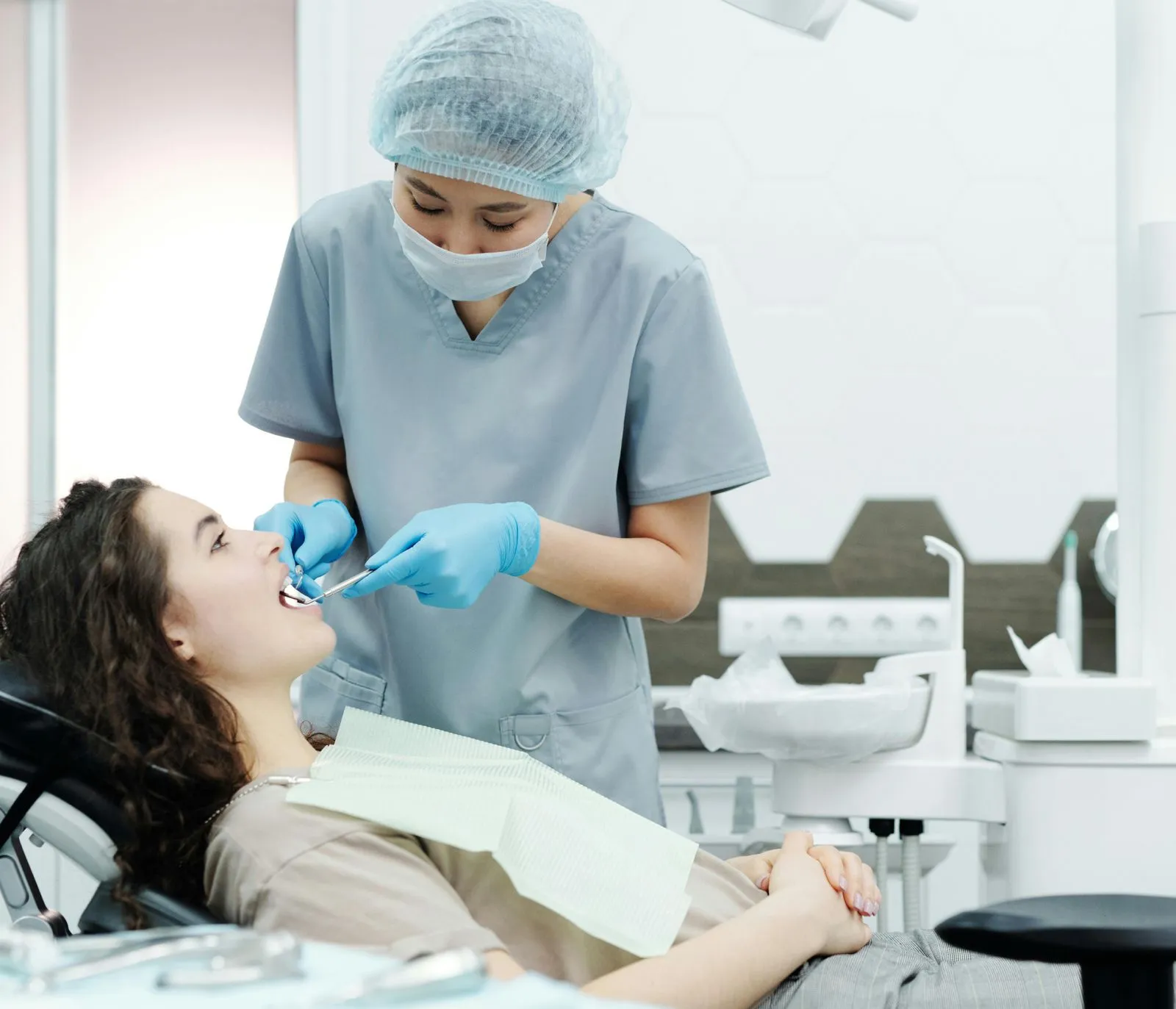
Before considering more intensive options, your first step should be a professional cleaning. Over time, the protective glaze on your veneers can wear down, making them more susceptible to surface stains from food and drinks. During a routine dental visit, your dentist can use special tools and a gentle polishing paste to remove this surface discoloration.
This process is non-invasive and can often restore your veneers’ original luster, making them look new again. It’s particularly effective for minor staining and for reviving a dull finish. Think of it as a refresh for your smile. A professional polish is the safest way to remove stains without scratching or damaging the veneer’s surface, which is a risk with at-home abrasive products. Our team provides a range of dental services to keep your smile looking its best.
Know When to Consider a Replacement
Sometimes, a polish isn't enough to correct discoloration. If stains have penetrated deep into the bonding material behind the veneer or if the veneer itself is old and worn, replacement is often the most effective solution. This is also true if your veneers are chipped, cracked, or damaged. A new veneer will give you the best cosmetic result, ensuring a seamless and bright smile.
Another reason to consider replacement is gum recession. If your gums have receded, the edge of the veneer and the natural tooth underneath may become visible, creating a dark line that affects your smile’s appearance. In cases of severe staining or significant cosmetic issues, replacing the veneers is the only way to truly restore their brightness and achieve a uniform look.
Get Personalized Advice at Smile Makers Dental Center
Figuring out the best course of action for your veneers isn’t something you should do alone. The only way to know for sure whether you need a polish or a full replacement is to consult with a dental professional. At Smile Makers Dental Center, our dentists can carefully examine your veneers, identify the cause of the staining, and recommend a personalized treatment plan.
We’ll assess the integrity of the veneer, the condition of the bonding, and the health of your gums to give you a clear path forward. Protecting your investment and ensuring your smile looks its best is our top priority. To get expert advice tailored to your specific needs, book an appointment at one of our convenient Northern Virginia locations today.
Related Articles
- Dental Veneers Virginia | Smile Makers Dental Center
- Porcelain Crowns Virginia | Tooth Restoration Dentist
Frequently Asked Questions
My veneers look fine, but my natural teeth have yellowed. What should I do? This is a very common situation, and the solution is straightforward. The best approach is to have a dentist professionally whiten your natural teeth to match the shade of your veneers. This restores a seamless, even color across your entire smile. Trying to whiten your teeth at home can lead to uneven results, so a professional treatment is the safest way to get a perfect match.
What kind of toothpaste is actually safe for veneers? You should look for a non-abrasive gel toothpaste. Many "whitening" toothpastes contain gritty particles like baking soda or hydrated silica that can scratch the smooth surface of your veneers, making them dull and more prone to staining. Always pair your gentle toothpaste with a soft-bristled toothbrush to protect the finish and keep your veneers looking bright.
I already used a whitening kit on my veneers. Did I ruin them? Don't panic. Using a standard whitening gel on your veneers one or two times is unlikely to have caused permanent damage to the porcelain itself, though it may have irritated your gums. The main risk comes from abrasive whitening formulas, not the bleaching agent. The best thing to do is stop using the kit and schedule a check-up so your dentist can examine the surface of your veneers and make sure everything looks good.
How long can I expect my porcelain veneers to last? With proper care, porcelain veneers can last for 15 years or even longer. Their lifespan really depends on your oral hygiene habits and regular dental visits. By brushing and flossing daily, using the right products, and seeing your dentist for cleanings every six months, you can protect your investment and keep your veneers in great condition for a very long time.
If my veneers get stained, does that mean they need to be replaced? Not necessarily. Often, what appears to be a stained veneer is just surface discoloration that can be polished away during a professional dental cleaning. Replacement is usually only necessary if the veneer is old, damaged, or if the bonding cement underneath has darkened significantly. Your first step should always be a consultation with your dentist to see if a simple polish can restore their shine.