






Investing in your smile is one of the best investments you can make in your confidence. When considering veneers, it’s helpful to think about the choice between porcelain veneers vs composite veneers in the same way. One is a long-term, premium investment, while the other offers a more immediate and affordable return. Porcelain veneers are known for their incredible durability and flawless, natural look that can last for over a decade. Composite veneers provide a beautiful, budget-friendly transformation that can often be completed in a single visit. Here, we’ll explore the details of each option to help you decide which investment strategy best fits your personal and financial goals.
Key Takeaways
- Porcelain offers maximum durability while composite is more budget-friendly: Porcelain veneers are a long-term solution, lasting 10 to 20 years and resisting stains. Composite veneers are a more affordable option that can often be completed in one visit but have a shorter lifespan of 5 to 7 years.
- The process for porcelain is permanent, while composite is reversible: Getting porcelain veneers involves removing a thin layer of enamel, making it an irreversible commitment. Composite veneers require little to no enamel removal, giving you more flexibility in the future.
- Your lifestyle and goals determine the right fit: Consider your budget, timeline, and daily habits, like drinking coffee, when making your decision. Discussing these factors with your dentist will help you choose the veneer that best suits your personal needs.
Porcelain vs. Composite: What Are Veneers?
If you're looking for a way to transform your smile, you've probably heard about veneers. Think of them as a way to get the smile you've always wanted by covering imperfections like chips, gaps, or discoloration. They are thin coverings placed over the front part of your teeth. The two most popular types are porcelain and composite, and while they achieve similar results, they are quite different in terms of material, process, and cost. Let's break down what each one involves so you can get a clearer picture of which might be right for you.
What Are Porcelain Veneers?
Porcelain veneers are thin, custom-made shells crafted from a ceramic material that are bonded to the front of your teeth. Their biggest draw is how incredibly natural they look. Porcelain has a slightly translucent quality, much like real tooth enamel, which helps it catch the light just right for a bright, authentic smile. They are also very durable and can last anywhere from 10 to 20 years with proper care. The process does require your dentist to remove a tiny amount of your tooth's surface to ensure a perfect fit. This means the procedure is permanent, and if a veneer chips, repairing it can be a bit more involved.
What Are Composite Veneers?
Composite veneers are made from a tooth-colored resin, the same material often used for dental fillings. Instead of being made in a lab, the resin is applied directly to your tooth, where your dentist skillfully shapes and hardens it. This approach makes them a more affordable option, and the whole process can often be completed in a single visit. They typically last about 5 to 7 years and can be more prone to staining than porcelain. However, one of the great things about composite veneers is that they are easier to repair if they chip, and the process requires less alteration of your natural tooth. To find out if they're right for you, you can always book a consultation with one of our dentists.
Porcelain vs. Composite: A Head-to-Head Comparison
When you’re deciding between porcelain and composite veneers, it helps to see them side-by-side. Both can give you a beautiful smile, but they differ in key areas like durability, application process, appearance, and cost. Let's break down what you can expect from each option so you can feel confident in your choice.
The Materials: Strength and Durability
The biggest difference between the two materials is how long they last. Porcelain veneers are crafted from a strong, ceramic material that can withstand daily wear and tear for about 10 to 20 years. Think of them as a long-term investment in your smile. Composite veneers, made from a tooth-colored resin, are also durable but have a shorter lifespan, typically lasting around 5 to 7 years before they may need repairs or replacement. While not as tough as porcelain, they are a solid and effective choice for many people.
The Process: How They're Applied
Your timeline can play a big role in your decision. Composite veneers are often a same-day solution. Your dentist applies the resin directly to your teeth, shapes it, and hardens it with a special light, usually all in one visit. Porcelain veneers involve a more detailed process. Because they are custom-made in a dental lab, you can expect two or three appointments. During the first visit, your dentist will prepare your teeth by removing a very thin layer of enamel to ensure a perfect fit. This makes the porcelain process irreversible, while composite veneers require little to no enamel removal.
The Look: Achieving a Natural Smile
Both types of veneers are designed to give you a radiant smile, but they achieve it in slightly different ways. Porcelain has a translucent quality that mimics the way light reflects off natural teeth, giving it an incredibly realistic appearance. It’s also highly resistant to staining, so your smile stays bright. Composite veneers look great, too, but they are more porous and can stain over time, much like your natural teeth. They may require occasional polishing to maintain their luster. Exploring our cosmetic dentistry options can help you visualize the results.
The Cost: What to Expect
Budget is always an important factor. Composite veneers are the more affordable option upfront, typically costing between $250 and $800 per tooth. Porcelain veneers have a higher initial price tag, generally ranging from $900 to over $2,500 per tooth. While porcelain costs more at the start, its longevity can make it more cost-effective over the long run, since you won't need to replace it as often. We believe everyone deserves a smile they love, which is why we offer an in-house Loyalty Discount Plan to make treatment more accessible.
Weighing the Pros and Cons of Each Veneer
Choosing between porcelain and composite veneers comes down to what you value most for your smile, budget, and lifestyle. There’s no single "best" option, only the one that’s best for you. To help you get a clearer picture, let's break down the benefits and considerations for each type. Think of this as your personal guide to understanding the trade-offs, so you can feel confident when you discuss your options with your dentist.
Why Choose Porcelain Veneers? (The Pros)
If you’re looking for a durable, long-term solution that mimics the look of natural teeth almost perfectly, porcelain is an incredible choice. These veneers are crafted from a strong ceramic material that has a translucent quality, allowing light to pass through just like real tooth enamel. This gives them an unmatched, natural-looking appearance. Porcelain is also highly resistant to staining, so you can enjoy your coffee, tea, or red wine without worrying about discoloration. With proper care, they can last anywhere from 10 to 20 years, making them a lasting investment in your smile.
What to Consider with Porcelain (The Cons)
The biggest considerations for porcelain veneers are the process and the cost. Getting them typically requires two visits to the office. During the first appointment, a small amount of your natural tooth enamel is removed to ensure the veneer fits perfectly. This means the process isn't reversible. Because they are custom-made in a dental lab, they are more expensive upfront than composite veneers. And while they are very strong, if a porcelain veneer does chip or break, repairing it is a more involved process. It usually requires a full replacement, which can take time and add to the overall cost.
Why Choose Composite Veneers? (The Pros)
Composite veneers are a fantastic option if you’re looking for a faster, more affordable, and less permanent way to enhance your smile. The entire process can usually be completed in a single visit. Your dentist applies a tooth-colored resin directly to your teeth and sculpts it into the desired shape, with minimal to no removal of your natural enamel. This makes the procedure reversible, giving you more flexibility down the road. If a composite veneer happens to chip, it’s typically a quick and easy fix that can be done right in the dental chair. This convenience and lower initial cost make composites an accessible choice for many people.
What to Consider with Composite (The Cons)
The main trade-off with composite veneers is their longevity and maintenance. They generally last between five and eight years, so you’ll need to plan for replacements sooner than you would with porcelain. The composite resin material is also more porous than porcelain, which means it’s more susceptible to staining over time. To keep them looking their best, they may require occasional polishing. While the upfront cost is lower, it’s important to factor in the potential costs of future repairs or replacements. Our Loyalty Discount Plan can help make long-term dental care more manageable, no matter which option you choose.
How Long Do Veneers Last?
Investing in your smile is a big decision, and you want to know that your results will stand the test of time. The good news is that veneers are a durable solution for achieving the smile you’ve always wanted. How long they last really comes down to two things: the material you choose and how you care for them. Both porcelain and composite veneers have different lifespans, and understanding these differences is key to making the right choice for your goals and lifestyle. Let’s look at what you can expect from each type.
The Lifespan of Porcelain Veneers
When it comes to longevity, porcelain veneers are the clear winner. Thanks to their incredibly strong ceramic material, you can expect them to last for 10 to 15 years, and sometimes even up to 20 years with excellent care. This durability makes them a fantastic long-term investment. The non-porous surface of porcelain is also highly resistant to staining, so you don’t have to worry about your morning coffee dulling your smile. Think of them as a permanent upgrade that, with the right maintenance, will keep you smiling confidently for well over a decade. Our team can help you explore all our cosmetic dentistry options to find the perfect fit.
The Lifespan of Composite Veneers
Composite veneers offer a beautiful result with a slightly shorter lifespan, typically lasting between 5 and 10 years. The composite resin material isn't quite as tough as porcelain, which means it can be more prone to chipping or wear over time. Because the material is more porous, it can also stain more easily than porcelain. This doesn't mean they are a bad choice; it just means they may require touch-ups or replacement sooner. For many people, the lower upfront cost and quicker application process make composite veneers an excellent and effective option for transforming their smile.
How to Make Your Veneers Last Longer
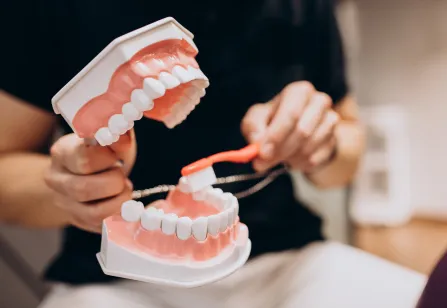
No matter which type of veneer you choose, taking great care of them is the secret to making them last as long as possible. The best part? It’s not complicated. You just need to treat them like your natural teeth. This means brushing twice a day with a soft-bristled toothbrush and non-abrasive toothpaste, and flossing daily. It’s also smart to avoid biting down on very hard things like ice, pen caps, or your fingernails. And, of course, keeping up with your regular dental check-ups is crucial. These visits allow us to polish your veneers and check on their condition, ensuring your smile stays bright and healthy for years. You can easily book an appointment at any of our locations.
How to Choose the Right Veneer for You
Deciding between porcelain and composite veneers is a personal choice, and there’s no single “best” option for everyone. The right veneer for you depends entirely on your unique situation. By thinking through a few key areas of your life, from your budget to your daily habits, you can get a clearer picture of which material aligns with your needs. Let’s walk through the main factors to consider so you can feel confident in your decision.
Your Budget
Let's start with the practical side of things: your budget. Composite veneers are the more affordable option, typically costing between $250 to $1,500 per tooth. This makes them a great choice if you're looking for a significant change without a major upfront investment. On the other hand, porcelain veneers are a bigger financial commitment, usually ranging from $900 to $2,500 per tooth. While the initial cost is higher, their durability can make them more cost-effective over time. We believe everyone deserves a smile they love, which is why we offer a Loyalty Discount Plan to help make your dream smile more accessible.
Your Smile Goals
What is the vision you have for your smile? If you’re aiming for a flawless, brilliantly white, and long-lasting transformation, porcelain veneers are hard to beat. Their translucent quality mimics natural tooth enamel perfectly, and they are highly resistant to stains from things like coffee or red wine. This makes them ideal for a complete smile makeover. If you’re looking to fix smaller imperfections like a minor chip, a small gap, or slight discoloration, composite veneers are an excellent solution. They can be sculpted directly onto your tooth to achieve a beautiful, natural-looking result for more targeted improvements. Our team can discuss all of our cosmetic dental services to find the perfect fit.
Your Lifestyle and Maintenance Habits
Be honest with yourself about your daily habits. Are you an avid coffee drinker or a fan of red wine? Do you sometimes bite your nails or chew on pen caps? Porcelain veneers are incredibly durable and stain-resistant, making them a fantastic low-maintenance option that can stand up to daily life. They won't discolor over time, so you can keep enjoying your favorite foods and drinks without worry. Composite veneers, while strong, are more porous and can stain more easily. They may require more frequent polishing and a bit more mindfulness to keep them looking their best over the years.
Your Timeline
How quickly are you hoping to see your new smile? Your timeline can be a deciding factor. Composite veneers often have a significant advantage here, as the entire process can usually be completed in just one appointment. The material is applied and shaped directly on your teeth, so you can walk out with a transformed smile the same day. Porcelain veneers require a bit more patience. Because they are custom-crafted in a dental lab to fit your teeth perfectly, the process typically takes two to three visits. You’ll wear temporary veneers while your permanent ones are being made, but the final custom fit is well worth the wait for many people. When you're ready, you can book an appointment to get started.
Answering Your Top Questions About Veneers
Getting veneers is a big decision, and it's smart to have questions before you commit. You want to feel confident and informed about the treatment you choose for your smile. To help you out, we’ve gathered answers to some of the most common questions we hear from our patients about the durability, reversibility, and maintenance of veneers.
Are Veneers Really Durable?
Yes, veneers are designed to be a lasting solution, but their lifespan depends heavily on the material you choose. Porcelain veneers are the long-distance runners of the two. Because they are crafted from a stronger, ceramic material, they typically last between 10 and 20 years with proper care. Composite veneers, on the other hand, have a shorter lifespan of about 5 to 7 years before they might need repairs or replacement. Both are excellent cosmetic dental treatments, but thinking about how long you want your results to last can help guide your decision.
Is the Process Reversible?
This is one of the most important distinctions between composite and porcelain veneers. The process for composite veneers is generally reversible. Because they are applied directly to the tooth surface with minimal preparation, they can often be removed and replaced without permanently altering the tooth underneath. Porcelain veneers, however, are considered a permanent treatment. To ensure a seamless fit, a very thin layer of your natural tooth enamel must be removed before the veneer is bonded. Once that enamel is gone, it doesn't grow back, meaning you will always need to have a veneer or other restoration on that tooth.
Will They Stain Like Natural Teeth?
If you can’t imagine starting your day without a cup of coffee, this question is probably on your mind. Porcelain veneers have a major advantage here because they are highly resistant to stains. The ceramic material is non-porous, so it won't discolor from coffee, tea, or red wine. Composite veneers, however, are more porous and can stain over time, much like your natural teeth. They may require occasional polishing to keep them looking bright. No matter which option you choose, maintaining good oral hygiene and regular dental check-ups with our team is the best way to keep your new smile looking its best.
Your Veneer Experience at Smile Makers Dental Center
Thinking about veneers is exciting, and we want you to feel confident and informed every step of the way. At Smile Makers Dental Center, our process is designed around you, your comfort, and your unique smile goals. From the first conversation to the final placement, our team is here to guide you. We’ll work together to create a smile you absolutely love, ensuring you know exactly what to expect. Here’s a look at how we make your veneer journey a smooth and positive one.
Your First Step: The Consultation
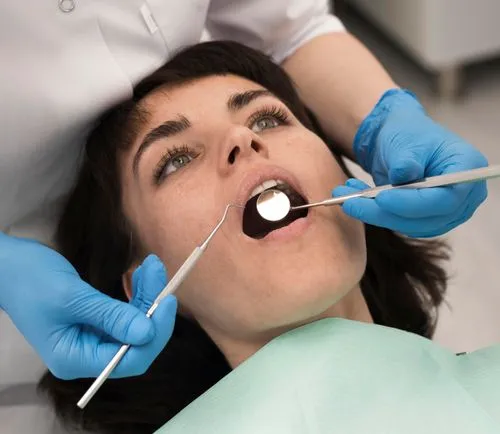
Your journey begins with a simple conversation. During your consultation, one of our dentists will sit down with you to talk about the results you’re hoping for. We’ll take a look at your teeth and overall oral health to make sure veneers are a good fit. This is the perfect time to ask all your questions. We’ll explain the key differences between porcelain and composite materials, helping you understand the pros and cons of each. Together, we’ll figure out the best option for your smile, lifestyle, and budget. Ready to get started? You can book an appointment at any of our convenient locations.
The Veneer Placement Process
Once we have a plan, we’ll move on to the placement. The process varies slightly depending on the type of veneer you choose. Composite veneers can often be completed in a single visit. Your dentist will apply the resin directly to your teeth, then sculpt and polish it to perfection. Porcelain veneers typically require a couple of appointments because they are custom-crafted in a dental lab. At your first visit, we’ll prepare your teeth and may place temporary veneers. Once your permanent ones are ready, you’ll come back so we can bond them securely, revealing your brand-new smile.
Caring for Your New Smile
Your beautiful new veneers deserve great care, and the good news is that it’s simple. Treat them just like you would your natural teeth. This means brushing twice a day with a soft-bristled toothbrush and non-abrasive toothpaste, and flossing daily. While veneers are strong, it’s wise to avoid biting down on very hard things like ice or hard candy. Most importantly, keeping up with your regular dental check-ups is key. These visits allow us to check on your veneers and maintain your overall oral health, ensuring your smile stays bright and healthy for years to come.
Related Articles
- Dental Veneers Virginia | Smile Makers Dental Center
- Porcelain Crowns Virginia | Tooth Restoration Dentist
- Dental Crowns Virginia | Smile Makers Dental Center
- Lumineers Veneers Virginia | Smile Makers Dental Center
- Dental Bonding Virginia | Smile Makers Dental Center
Frequently Asked Questions
Do I have to get veneers on all my teeth? Not at all. The number of veneers you get is completely based on your personal smile goals. If you have one chipped or discolored tooth that bothers you, a single veneer can be custom-matched to blend in perfectly with your other teeth. If you're looking for a more dramatic and uniform transformation, a set of six or eight veneers across your most visible teeth is a more common approach. We'll discuss the best plan for you during your consultation.
Is the process of getting veneers painful? Your comfort is our top priority, and we take every step to ensure the process is as painless as possible. For porcelain veneers, where a small amount of enamel is removed, the area will be numbed so you won't feel anything during the preparation. You might experience some mild sensitivity for a few days afterward, but most people find the entire experience very manageable.
Can I still get cavities if I have veneers? Yes, it's important to remember that your natural tooth is still underneath the veneer. The veneer itself can't decay, but the part of your tooth that isn't covered, especially along the gumline, is still susceptible to cavities. This is why maintaining a great oral hygiene routine, including daily brushing, flossing, and regular dental check-ups, is just as important after you get veneers.
How do you choose the right shade for my veneers? Choosing the right shade is a collaborative process to ensure your new smile looks bright yet completely natural. We will work with you to select a color that complements your skin tone and the shade of your surrounding teeth. Our goal isn't to create a smile that looks artificial, but one that looks like your own, only better. We use a shade guide and discuss your preferences to find the perfect match.
What happens if one of my veneers chips or breaks? While veneers are very strong, accidents can happen. The repair process depends on the material you choose. If a composite veneer chips, it can usually be repaired quickly and easily in a single office visit. Repairing a porcelain veneer is a bit more involved and often requires a full replacement, since it's a single, solid piece crafted in a lab. Proper care and avoiding habits like biting hard objects will significantly reduce this risk.