


Dental veneers are everywhere on social media, often portrayed as a magical, instant fix for a perfect smile. While the before-and-after photos are certainly impressive, they don't tell the whole story. Behind the glamour is a significant dental procedure that requires careful consideration. You might be wondering, are veneers bad for your teeth, and what are the hidden trade-offs for that picture-perfect result? It’s smart to question what happens to your natural teeth underneath and what the commitment truly entails. In this article, we’ll move past the myths and get real about the risks, the rewards, and the lifelong responsibilities that come with veneers, helping you understand if this popular cosmetic treatment is genuinely the right path for you.
Key Takeaways
- Veneers are an irreversible decision: The procedure permanently removes a thin layer of your natural tooth enamel, meaning you're committing to a lifetime of covering your teeth. Be prepared for the long-term cost and maintenance of replacing your veneers down the road.
- Your natural teeth still need protection: A veneer only covers the front of your tooth; it doesn't make it immune to cavities or gum disease. Maintaining excellent oral hygiene is critical to prevent decay from forming along the edges of the veneer and to keep your gums healthy.
- Consider less permanent options first: Before committing to veneers, ask your dentist about other cosmetic treatments. Professional whitening, dental bonding, or clear aligners can solve many common issues without permanently altering your teeth, making them a great starting point for a smile refresh.
What Are Dental Veneers?
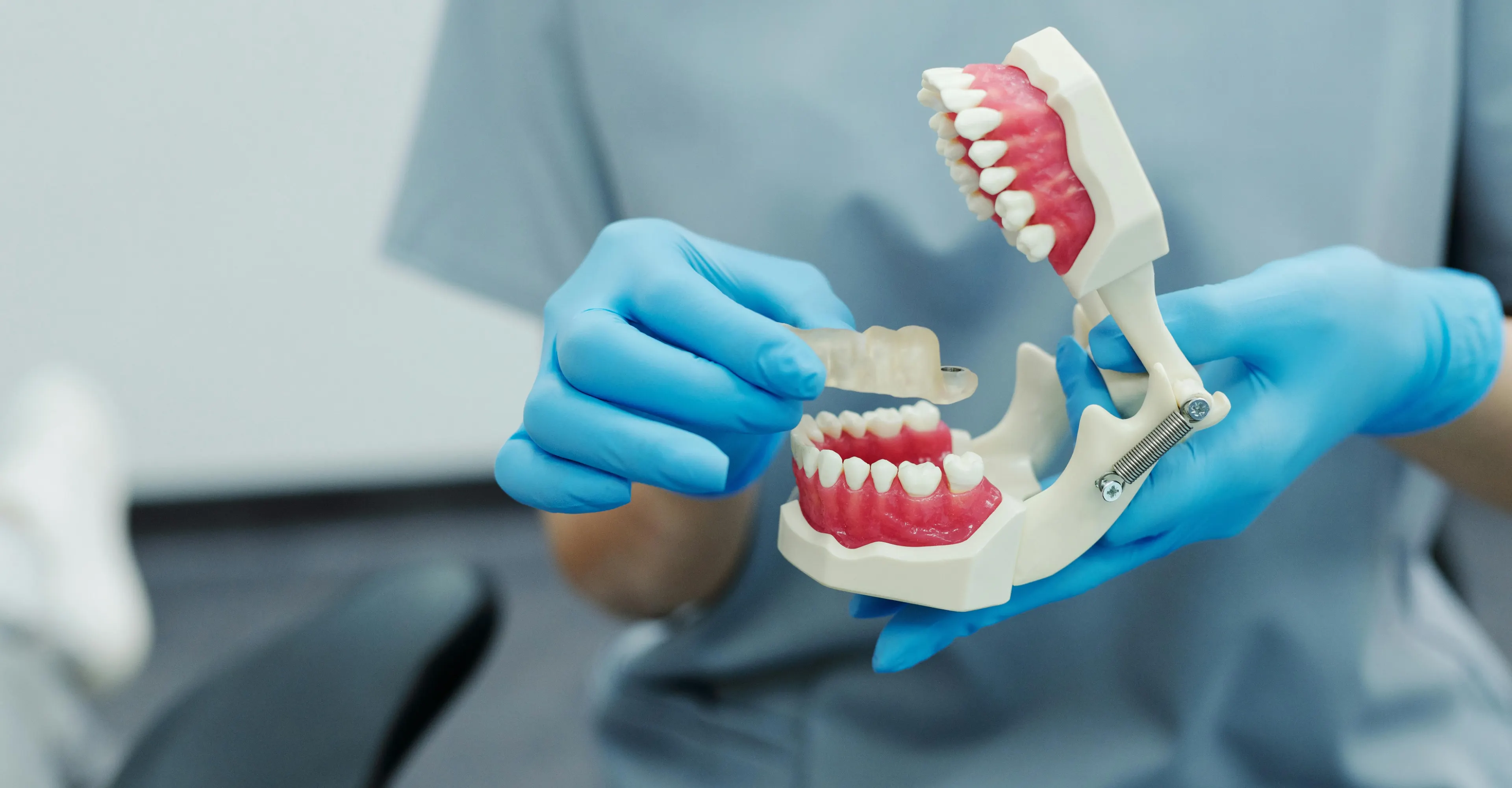
If you've ever wished for a do-over for your smile, you've probably heard about dental veneers. Think of them as very thin, custom-made shells designed to cover the front surface of your teeth. Their whole purpose is to improve your smile's appearance. Made from materials that look just like natural teeth, veneers are a popular choice in cosmetic dentistry because they can instantly change a tooth's color, shape, size, or length.
Veneers are bonded directly to your teeth, creating a durable and seamless new surface. It’s a straightforward way to address cosmetic concerns that might make you feel self-conscious. Whether you have one tooth that stands out for the wrong reasons or you're looking for a more uniform, brighter smile overall, veneers offer a versatile solution. They are crafted to match your surrounding teeth, so the final result looks and feels natural. The goal is to give you a smile you’re proud to show off, hiding imperfections and creating a beautiful, harmonious look.
Porcelain vs. Composite: What's the Difference?
When choosing veneers, you’ll typically decide between two materials: porcelain and composite. Composite veneers are made from a tooth-colored resin, the same material often used for dental bonding. Your dentist applies this resin directly to your tooth and sculpts it into the desired shape in a single visit. This option is often less expensive and involves minimal tooth preparation, making it a great choice for fixing smaller issues like a minor chip or gap.
Porcelain veneers, on the other hand, are ultra-thin shells of medical-grade ceramic custom-made in a dental lab. This process usually takes two visits. During the first, your dentist will prepare the tooth by removing a tiny amount of enamel to ensure a perfect fit. They'll take an impression, and you'll wear temporary veneers while the lab creates your permanent ones. Porcelain is more durable and stain-resistant than composite, offering a long-lasting and incredibly natural-looking result.
What Problems Can Veneers Solve?
Veneers are fantastic for correcting a wide range of cosmetic dental issues. They act like a mask, hiding imperfections and giving your smile a complete refresh. If you're wondering if they could be the right solution for you, veneers are commonly used to address several specific concerns. Many people turn to them when they want to fix cosmetic flaws that other treatments can't.
Veneers can effectively solve problems such as:
- Chipped, cracked, or broken teeth
- Noticeable gaps or spacing between teeth
- Stubborn stains or discoloration that don’t respond to teeth whitening
- Teeth that are naturally too small, worn down, or irregularly shaped
- Slightly crooked or misaligned teeth
By covering these issues, veneers create a straight, white, and even smile. A consultation with one of our dentists can help you determine if veneers are the best path to achieving your smile goals.
Why Veneers Are a Permanent Decision
Thinking about veneers is exciting, but it’s also a decision that will last a lifetime. Unlike teeth whitening or bonding that can be touched up or changed, veneers are an irreversible treatment. The process permanently alters your natural teeth, meaning once you get them, there’s no going back.
This commitment is something we take very seriously at Smile Makers. We want you to feel completely confident and informed before moving forward. Understanding exactly why veneers are a permanent choice is the first step in making a decision that’s right for you and your smile. Let’s walk through what the process involves and what it means for you in the long run.
Understanding Enamel Removal
To get that perfect fit, a small amount of your natural tooth enamel has to be removed. Enamel is the hard, protective outer layer of your teeth. Your dentist carefully reshapes the tooth surface, creating just enough space for the thin veneer to sit flush with your gumline and look completely natural. The key thing to know is that once enamel is removed, it doesn’t grow back. This is why the procedure is not reversible. It’s a necessary step to ensure your new smile doesn’t look or feel bulky, but it’s also the reason veneers are a permanent part of your cosmetic dentistry journey.
Why It's a Lifelong Commitment
Because a layer of enamel is gone forever, your tooth will always need a covering to protect it. This is what makes veneers a lifelong commitment. You can’t simply decide to take them off one day and go back to your original teeth. Veneers themselves don’t last forever; they typically need to be replaced every 10 to 15 years, depending on the material and how well you care for them. You should be prepared for the long-term cost and maintenance of replacing your veneers down the road. It’s a journey you’ll be on for life, so it’s important to partner with a dental team you trust to guide you through every stage.
The Link Between Veneers and Tooth Sensitivity
Removing that protective layer of enamel can sometimes lead to tooth sensitivity. Enamel acts as a shield for the more sensitive dentin layer underneath, which has tiny tubes that lead to the tooth's nerve. With less enamel, your teeth might become more sensitive to hot or cold temperatures, from a morning coffee to a scoop of ice cream. For many people, this sensitivity is temporary and fades after a few weeks as their mouth adjusts. However, for some, it can linger. If you already have sensitive teeth, it’s an important factor to discuss when you book an appointment to talk about veneers.
Are Veneers Bad for Your Teeth? The Potential Risks
Veneers can create a stunning smile, but it’s smart to understand the full picture before you commit. While they are a safe and effective cosmetic solution for many people, they aren’t without potential risks. Knowing what to expect can help you make an informed decision and ensure you get the best possible results for your smile. The main things to consider are the health of the natural tooth underneath, your gum health, and the long-term plan for maintaining or replacing your veneers. A successful outcome depends just as much on excellent dental work as it does on your own diligent care at home.
The Hidden Risk of Decay
One common misconception is that a tooth covered by a veneer is protected from cavities, but that isn’t the case. Your natural tooth is still underneath, and it can still decay if bacteria finds its way in. While decay is unlikely to form under the main surface of a well-bonded veneer, the edges are a different story. The area where the veneer meets your natural tooth or gum line is the most vulnerable spot. If plaque builds up here, it can lead to cavities. This is why maintaining a consistent and thorough oral hygiene routine is absolutely essential after you get veneers. Regular check-ups and cleanings are also key to keeping your underlying teeth healthy and strong.
How Veneers Can Affect Your Gums
Your gums play a huge role in the appearance and longevity of your veneers. For a natural look, the veneer must fit perfectly along the gum line. If a veneer is poorly shaped or not placed correctly, it can irritate the surrounding gum tissue. This can lead to redness, chronic inflammation, or even gum recession, which exposes the edge of the veneer and can compromise the look of your smile. An improper fit can also create tiny gaps that trap food particles and bacteria, increasing your risk for gum disease. Choosing an experienced cosmetic dentist is the best way to ensure your veneers are placed with precision to protect your gum health.
Dealing with Chips, Cracks, and Replacements
Although porcelain veneers are quite durable, they don’t last forever. On average, you can expect them to last about 10 to 15 years with proper care. After that, they will need to be replaced, which means repeating the process and investing in a new set. Veneers can also chip, crack, or even pop off, especially if they weren’t bonded correctly or if you have habits like grinding your teeth or biting hard objects. The long-term cost of replacement is an important factor to consider, which is why programs like our Loyalty Discount Plan can help make future care more manageable.
Debunking Common Veneer Myths
Veneers are surrounded by a lot of information, and not all of it is accurate. It’s easy to get swept up in the idea of a perfect, instant smile without understanding the full picture. Let's clear up some of the most common myths so you can make a decision that feels right for you. Getting the facts straight is the first step toward a smile you can feel confident about, both now and in the future.
Myth #1: Veneers Last Forever
It would be wonderful if veneers were a one-and-done solution, but they are not a permanent fix. Think of them more like a long-term investment that will eventually need to be replaced. High-quality porcelain veneers typically last about 10 to 15 years with proper care. After that time, you will need to have them replaced, which involves additional cost and dental work. Just like a car, they require good maintenance and regular check-ups to keep them in great shape for as long as possible. Understanding this timeline from the start helps set realistic expectations for your smile journey.
Myth #2: Veneers Are a Cure-All
While veneers are fantastic for correcting many cosmetic concerns, they aren’t a universal solution for every dental issue. They work wonders to hide chips, close gaps, and cover stubborn stains that whitening can't fix. However, they can't be placed over existing dental problems. If you have underlying conditions like gum disease, significant tooth decay, or a habit of grinding your teeth (bruxism), these issues must be addressed first. Our team can help you manage these conditions, ensuring your natural teeth are healthy enough to support veneers and give you the best possible outcome.
Myth #3: Veneers Don't Require Special Care
Some people believe that since veneers are made of durable porcelain, they don't need any special attention. This simply isn't true. Your veneers require the same diligent care as your natural teeth, if not more. To ensure they last, you must maintain excellent oral hygiene. This means brushing at least twice a day with a soft-bristled toothbrush and non-abrasive toothpaste, and flossing daily to clean between the veneers and along the gumline. Scheduling regular check-ups is also critical so your dentist can monitor their condition and catch any potential problems early.
How Do Veneers Hold Up Over Time?
Veneers are a fantastic cosmetic solution, but they aren't a "set it and forget it" fix. Think of them more like a long-term relationship that requires care and attention to thrive. Their durability depends heavily on the material you choose, your daily habits, and your commitment to excellent oral hygiene. While they can give you a stunning smile for years, it's important to go in with a clear understanding of their lifespan and what it takes to maintain them. This means being realistic about the fact that they will eventually need to be replaced.
Protecting your investment means being mindful of how you treat your teeth every single day. From the foods you eat to unconscious habits like teeth grinding, several factors can affect how long your veneers last. It’s also a financial commitment that extends beyond the initial procedure. Understanding the full picture, including potential replacement costs down the road, will help you decide if veneers are the right choice for your smile and your budget. Our team at Smile Makers is always here to walk you through the specifics of our cosmetic dentistry services so you can feel confident in your decision. We'll cover the lifespan of different materials, the habits to avoid, and how to think about the true lifetime cost.
The Lifespan of Porcelain vs. Composite
When it comes to longevity, the type of veneer you choose makes a big difference. Porcelain veneers are the gold standard for durability, typically lasting between 10 and 15 years with proper care. They are highly resistant to stains, so you can enjoy your coffee and tea without much worry. However, this durability comes at a higher initial cost, and when they do need to be replaced, it’s a full do-over.
Composite veneers, on the other hand, have a shorter lifespan, usually around five to eight years. They are more affordable upfront and can often be repaired if they chip. The trade-off is that they are more susceptible to staining over time. Whichever material you select, remember that these are just averages. Great dental hygiene and regular check-ups can help you get the most mileage out of your new smile.
Habits That Can Damage Your Veneers
To keep your veneers looking great for years, you’ll need to treat them with a little extra care. Certain habits can put them at risk of chipping, cracking, or breaking. If you grind or clench your teeth at night, your dentist will likely recommend a custom nightguard. This simple appliance protects your veneers (and your natural teeth) from immense pressure while you sleep.
You’ll also want to be mindful at mealtimes. Avoid biting directly into very hard foods like apples, tough crusty bread, or ribs. Instead, cut them into smaller pieces and chew with your back teeth. And it goes without saying, but never use your veneered teeth as tools to open packages or bite your nails. A few small adjustments to your daily routine can make all the difference in protecting your smile.
Calculating the True Lifetime Cost
It’s important to view veneers as a long-term investment in your smile, and that includes the financial aspect. The initial cost can range from $900 to over $2,500 per tooth, depending on the material and the complexity of your case. But the expenses don't stop there. Since porcelain veneers need to be replaced every 10 to 15 years, you should plan for that future cost.
If a veneer chips or breaks, it usually can't be patched up and will require a full replacement, which is another expense to consider. To help make this investment more manageable, we offer a Loyalty Discount Plan that provides savings on various treatments. Being prepared for the ongoing maintenance costs is key to enjoying your beautiful smile without financial stress.
Not Ready for Veneers? Consider These Alternatives
Veneers are a fantastic solution for many, but they are also a significant commitment. If you’re not quite ready to take that step, the good news is you have plenty of other options. Many common cosmetic concerns can be addressed with treatments that are less invasive and more budget-friendly. Exploring these alternatives with your dentist is a great way to find the perfect fit for your smile goals and comfort level. Sometimes, a simpler treatment is all you need to feel confident in your smile. Before you decide on a permanent procedure, it’s worth seeing if one of these alternatives could be right for you.
Professional Teeth Whitening
If your main concern is the color of your teeth, professional whitening might be the perfect solution. Stains from coffee, tea, and life in general can leave your smile looking dull. While veneers cover stains, professional whitening removes them. This treatment uses safe, powerful bleaching agents that deliver much more dramatic results than any over-the-counter kit. As one dental practice points out, it’s wise to explore other options first, like professional whitening for stained teeth. It’s a simple, non-invasive way to brighten your entire smile without altering your tooth structure, making it an excellent first step in any smile makeover.
Dental Bonding
Do you have a small chip, a minor gap, or an irregularly shaped tooth that bothers you? Dental bonding is a quick and effective fix for these types of imperfections. In this procedure, your dentist applies a tooth-colored composite resin directly to your tooth, then shapes and polishes it to blend in seamlessly. It’s a versatile and conservative approach that doesn’t require removing enamel, making it completely reversible. For small chips or cosmetic flaws, dental bonding is a fantastic alternative to a full veneer. It’s a targeted solution that can make a big difference in just one visit to one of our convenient locations.
Orthodontics and Clear Aligners
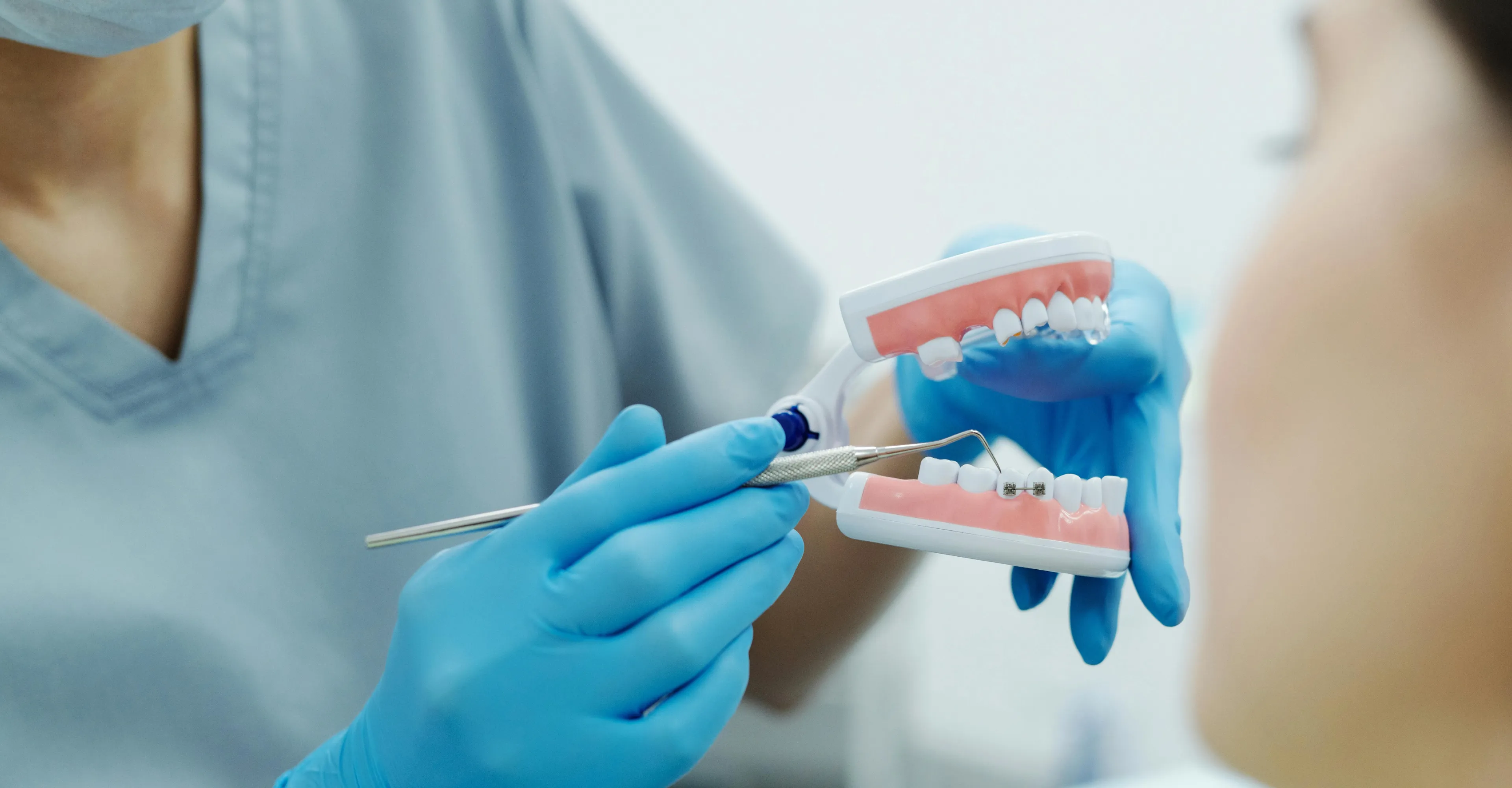
When crooked teeth are the issue, veneers can create the illusion of straightness, but they don’t fix the underlying alignment problem. For a solution that addresses the root cause, orthodontics is the way to go. Treatments like traditional braces or modern clear aligners gradually move your teeth into their ideal positions. This not only improves the appearance of your smile but also enhances your bite and overall oral health. Correcting crooked teeth with orthodontics can prevent future issues and gives you a naturally straight smile that is all your own, no enamel removal required.
Are Veneers the Right Choice for You?
Deciding to get veneers is a big step, and it’s one that should be made with a clear understanding of what the process involves. While they can create a stunning smile, they aren’t the right fit for everyone. Before you commit, it’s important to weigh your aesthetic goals against the practical considerations for your long-term dental health.
First, veneers are a permanent, lifelong commitment. The procedure requires your dentist to remove a thin layer of your natural tooth enamel to ensure the veneer fits perfectly. Because enamel doesn't grow back, your tooth will always need to be covered by a veneer or another type of restoration. This alteration can also make your teeth more sensitive to hot and cold, which is an important factor to consider in your daily life.
Not everyone is an ideal candidate for veneers right away. If you have underlying dental issues like gum disease, thin enamel, or a habit of grinding your teeth (bruxism), these problems must be addressed first. Placing a veneer over an unhealthy tooth or in a stressful environment can lead to failure and more complex issues down the road. It's crucial to start with a healthy foundation. Before settling on veneers, ask your dentist about less invasive alternatives like professional teeth whitening, dental bonding, or clear aligners that might achieve your goals.
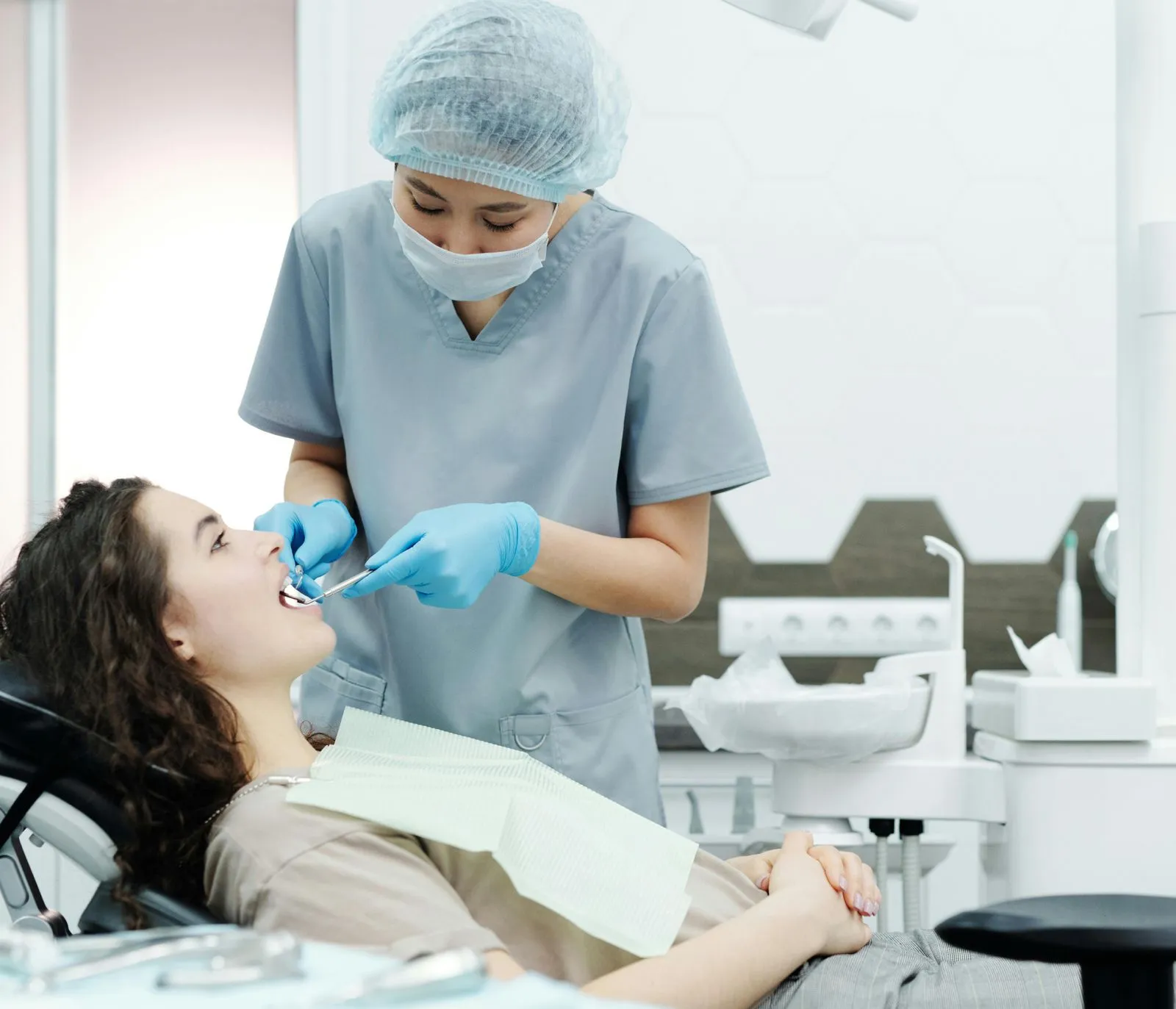
Ultimately, the best way to determine if veneers are right for you is through a detailed conversation with a dentist. A professional consultation allows you to discuss your specific concerns and goals. Your dentist can perform a thorough examination, review your dental history, and walk you through all of your cosmetic dentistry options. This personalized guidance is key to making a confident and informed decision you’ll be happy with for years to come. If you're ready to explore the possibilities, the first step is to book an appointment for a consultation.
Related Articles
- Dental Bonding Virginia | Smile Makers Dental Center
- Dental Veneers Virginia | Smile Makers Dental Center
- Zirconia Bridge Dental: The Ultimate 2026 Guide
Frequently Asked Questions
Will it hurt to get veneers? Most people are surprised by how comfortable the process is. Your dentist will numb the area completely before preparing your teeth, so you shouldn't feel any pain during the procedure. After the numbness wears off, you might experience some temporary sensitivity to hot and cold for a few days or weeks. This is normal as your teeth adjust, and it typically fades on its own.
What happens when my veneers need to be replaced? When it's time for a new set, the process is straightforward. Your dentist will carefully remove the old veneers, clean the surface of your natural teeth, and then take new impressions. From there, it's just like the first time: a dental lab will craft your new custom veneers, and your dentist will bond them into place. It's a normal and expected part of the long-term commitment to veneers.
Do I need to change my diet or oral hygiene routine with veneers? Your oral hygiene routine should stay just as consistent, with diligent brushing and daily flossing. Pay special attention to cleaning the area where the veneer meets your gumline. As for your diet, you don't need a complete overhaul, but it is wise to be mindful. You should avoid biting directly into extremely hard foods, like hard candy or ice, to prevent chips or cracks.
Can anyone get veneers? Veneers are a great option for many, but they aren't suitable for everyone. The best candidates have healthy teeth and gums to start. If you have issues like active gum disease, significant tooth decay, or a strong habit of grinding your teeth, these conditions will need to be managed first. A healthy foundation is essential for ensuring your veneers are successful and last for years.
How do you make sure veneers look natural and not fake? Achieving a natural look is a team effort between you, your dentist, and the dental lab. The process is highly customized. We work with you to select the perfect shade, shape, and size that complements your facial features and matches your surrounding teeth. The goal is to create a beautiful, seamless smile that looks like it has always been yours.