



Maintaining a healthy smile requires more than daily brushing and flossing. While a solid home routine is important, professional care is necessary to keep your teeth and gums in top shape. A common question many patients ask is about the ideal dental cleaning frequency. Visiting your dentist at the right intervals prevents painful dental problems, stops gum infections, and keeps your breath fresh. This article explains how often you should schedule professional teeth cleanings based on your individual oral health needs and why regular visits are essential for your overall well-being.
Ready to schedule your next cleaning? Contact Smile Makers Dental Center today to book your routine visit at one of our six convenient Northern Virginia offices!
The Standard Dental Cleaning Frequency: Why Six Months?
The standard dental cleaning frequency is every six months for most patients. Dental professionals have recommended this twice-yearly schedule for decades because it aligns with how quickly plaque and bacteria accumulate in the mouth. Even with excellent brushing habits, small particles of food and bacteria remain in hard-to-reach areas. Over several months, these deposits lead to early-stage gum inflammation called gingivitis. Catching these problems every half-year allows your dental team to reverse early decay before it progresses.
During these regular visits, a licensed dental hygienist removes harmful plaque and tartar that build up on your teeth over time. At the same time, your dentist inspects your mouth for early signs of decay, oral cancer, and jaw joint issues. The six-month interval is not an arbitrary number. This timeframe is based on scientific research showing how quickly plaque accumulates and how often examinations should occur to prevent disease progression.
While the six-month rule works well for average patients, it is not a one-size-fits-all solution. Your dental cleaning frequency should depend on your unique oral health status. Some patients with excellent oral hygiene and low risk for cavities may only need standard visits. Others with specific health conditions require much more frequent care. Your dentist will evaluate your mouth and recommend a personalized schedule that fits your needs. For a complete overview of our preventive services, visit our family dentistry page to learn more about routine dental cleanings and exams.
Why Home Dental Care Alone is Not Enough
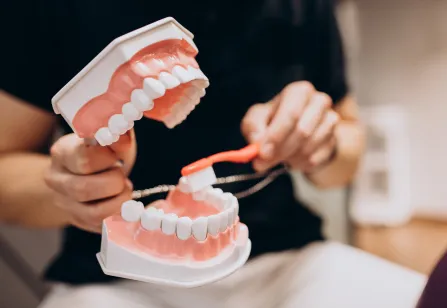
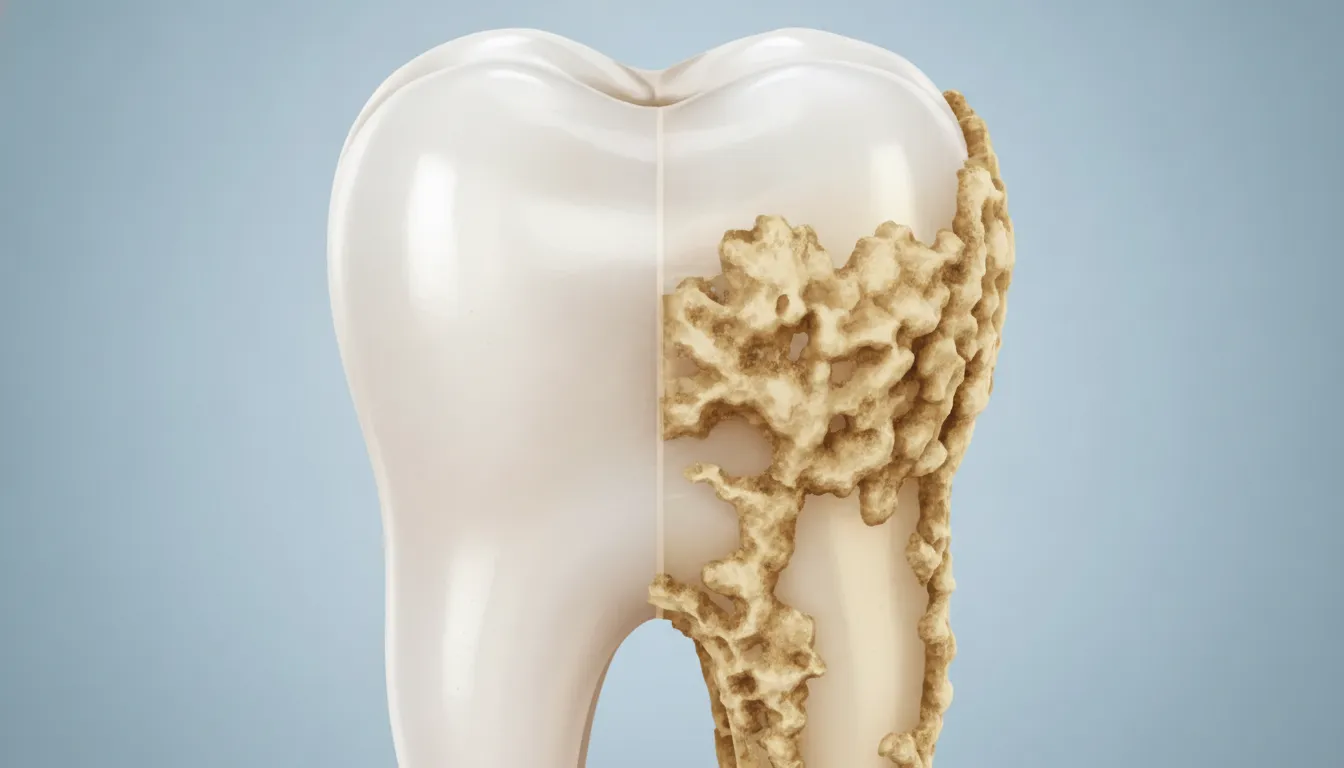
Professional dental cleanings are essential because home brushing and flossing cannot remove hardened tartar. Plaque is a soft, sticky film of bacteria that constantly forms on your teeth. You can easily remove plaque with a soft toothbrush and regular flossing. However, if plaque is left on your teeth for more than forty-eight hours, it mixes with minerals in your saliva and hardens into tartar, also called calculus. Once tartar forms on your tooth enamel, no amount of brushing or flossing at home can remove it.
Only a trained dental hygienist can safely scrape away tartar using specialized metal scalers and ultrasonic instruments. Trying to scrape tartar off your teeth with home tools can scratch your enamel and injure your gums. If you skip professional cleanings, tartar continues to build up along and below your gumline. This buildup provides a rough surface where more bacteria can grow. Over time, the bacteria cause chronic irritation and infection in your gum tissues, leading to bleeding gums, bad breath, and eventually bone loss around your teeth.
Who Needs More Frequent Dental Cleanings?
Certain risk factors and medical conditions mean you need to see your dentist more often than twice a year. For these individuals, a three-month or four-month dental cleaning frequency is much safer. Frequent cleanings help manage bacterial growth and prevent serious complications. If any of the following categories apply to you, discuss a personalized cleaning schedule with your dental team during your next visit.
- Patients with Active Gum Disease: If you have periodontal disease, plaque and tartar cause deep pockets to form between your teeth and gums. These pockets are impossible to clean at home. Getting a cleaning every three to four months prevents bacteria from rebuilding and stops the disease from destroying your jawbone.
- Active Smokers and Tobacco Users: Smoking reduces blood flow to your gums and weakens your body's immune response. This makes tobacco users much more prone to aggressive gum infections and slow healing. Regular cleanings are essential to monitor gum health and manage plaque buildup.
- Expectant Mothers: Pregnancy causes significant hormonal changes that alter how your gums react to plaque. Many pregnant women experience pregnancy gingivitis, which causes swollen, bleeding gums. More frequent cleanings during pregnancy protect both the mother and the developing baby.
- Individuals with Diabetes: Diabetes makes it much harder for your body to fight off bacterial infections. Uncontrolled blood sugar levels can lead to severe gum disease, which in turn makes diabetes harder to manage. Frequent cleanings help control oral bacteria and support your total wellness.
- People with Chronic Dry Mouth: Saliva plays a key role in washing away food particles and neutralizing harmful acids in your mouth. A lack of saliva, often caused by medications or medical treatments, leads to rapid plaque accumulation and a high risk of cavities. More frequent cleanings help protect dry teeth from rapid decay.
How Often Should You Really Get Your Teeth Cleaned?
How often you should get your teeth cleaned depends on your individual oral health status, risk factors, and medical history. While the standard recommendation is every six months. Your dentist may advise a different schedule based on a thorough examination of your gums, bone levels, and overall mouth health. The best way to determine your ideal dental cleaning frequency is to schedule a comprehensive exam with a dental professional who can evaluate your specific needs.
For patients with healthy gums and no history of cavities, a six-month interval provides excellent preventive care. For those with risk factors such as gum disease, smoking, diabetes, or a history of frequent cavities, a three-month or four-month schedule is safer. Your dentist will measure the depth of the pockets around your teeth and check for bleeding, inflammation, and bone loss. Based on these findings, they will recommend the interval that keeps your mouth healthiest.
It is also important to consider your dental insurance coverage, as most plans cover two cleanings per year. If your dentist recommends more frequent visits, your insurance may cover some or all of the additional cleanings depending on your medical history. Always verify your benefits with your provider and discuss any out-of-pocket costs with your dental office before scheduling extra visits.
Standard Cleaning vs. Deep Cleaning: What is the Difference?
Not all professional dental cleanings are the same. A standard cleaning is a preventive treatment for healthy gums, while a deep cleaning is a therapeutic procedure for active gum disease. Knowing the differences between these two services helps you understand your recommended treatment plan and why your dentist may recommend one over the other. A standard cleaning, known as prophylaxis, focuses on the visible surfaces of your teeth above the gumline.
The hygienist cleans plaque and tartar from above the gumline and polishes your enamel to remove light stains. This treatment is ideal for patients with healthy gums and no signs of bone loss. It is a comfortable, straightforward procedure that keeps healthy mouths in excellent condition. A deep cleaning, also called scaling and root planing, goes far beneath your gumline. This treatment is necessary when tartar buildup has caused gums to pull away from the teeth, creating deep pockets where bacteria thrive.
The hygienist numbs the area for your comfort and carefully scrapes tartar from the roots of your teeth. Then smooths the root surfaces so your gums can heal and reattach. The following table highlights the key differences between these two treatments.
| Feature | Standard Cleaning (Prophylaxis) | Deep Cleaning (Scaling and Root Planing) |
|---|---|---|
| Primary Purpose | Preventing gum disease and decay | Treating active gum infection |
| Target Area | Above the gumline only | Deep below the gumline and tooth roots |
| Procedure Depth | Surface scaling and polishing | Deep root cleaning and smoothing |
| Anesthesia | Typically not required | Local numbing is usually applied |
| Typical Schedule | Every six months for maintenance | Performed in sections as treatment plan |
| Who Needs It | Patients with healthy gums | Patients with gum disease |
Do you need to schedule a cleaning or find out which treatment is right for you? Schedule an appointment with our team at Smile Makers Dental Center. We serve patients in Tysons, Falls Church, Fairfax, Bailey's Crossroads, Leesburg, and Woodbridge.
The Oral-Systemic Connection: How Cleanings Protect Your Body
Regular professional dental cleanings protect far more than your teeth and gums. Modern medical research shows a powerful link between your oral health and your overall physical wellness, known as the oral-systemic connection. The health of your mouth directly impacts major systems throughout your body. When you have chronic gum disease, your gums are constantly inflamed and infected. This infection allows harmful oral bacteria to enter your bloodstream through bleeding gum tissues, where they can trigger systemic inflammation.
Once in your blood, these bacteria can travel to other organs and contribute to serious medical conditions. Including cardiovascular disease, arterial clogging, respiratory infections, and complications in diabetes management. Studies published in the Journal of Dental Research and the American Journal of Preventive Medicine have found that patients who receive regular professional cleanings have significantly lower rates of heart attack and stroke.
Regular professional cleanings remove the bacterial reservoirs that cause gum inflammation. By keeping your gums healthy and free of infection, you reduce the level of systemic inflammation in your body. This preventive care supports your heart health and helps protect your general wellness. Visiting your dental team regularly is a simple but powerful way to care for your entire body, not just your smile.
What to Expect During a Professional Teeth Cleaning
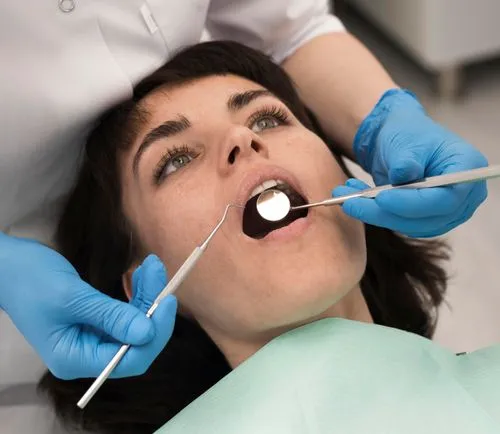
A professional teeth cleaning is a straightforward, comfortable procedure that follows a predictable sequence of steps. Understanding what happens during a cleaning can help ease your anxiety and make your appointment more relaxing. Your hygienist starts by performing a physical examination of your entire mouth using a small mirror to inspect your teeth and gums for any visible signs of decay. Inflammation, or other concerns. This initial check helps your hygienist identify areas that need extra attention.
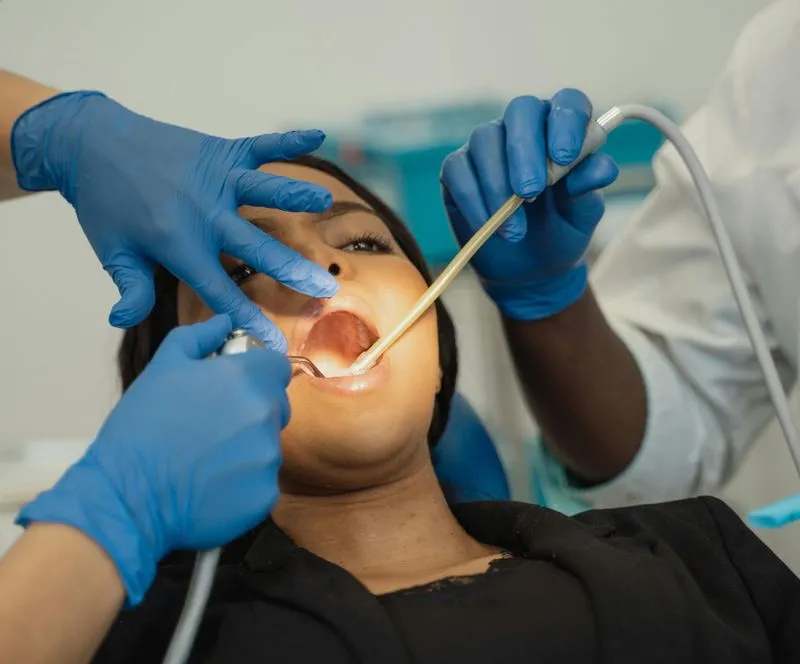
Next, the hygienist uses specialized metal scalers to remove plaque and tartar from your teeth. They gently scrape the deposits, focusing on the spaces between your teeth and along your gumline where buildup is heaviest. Once your teeth are free of tartar. The hygienist polishes them with a high-powered electric brush using a special gritty toothpaste that scrubs away surface stains and makes your teeth feel smooth and clean. After polishing, the hygienist flosses your teeth thoroughly, and you will rinse your mouth. Finally, your dentist performs a comprehensive exam to check your overall oral health.
How Preventive Dental Care Saves You Money Long-Term
Preventive dental care through regular cleanings is one of the most cost-effective health decisions you can make. Some people skip their biannual dental visits to save money, but this decision often leads to much higher costs down the road. Regular cleanings and examinations catch small issues before they become major problems. A small cavity caught during a routine exam can be fixed with a simple, affordable filling. While a cavity left untreated will grow until it reaches the nerve of your tooth, requiring an expensive root canal and a custom crown.
Regular cleanings also protect you from gum disease, which can lead to tooth loss and the need for costly dental implants or bridges. For example, a routine cleaning costs a fraction of what you would pay for a root canal, crown, or tooth replacement. Investing in preventive care today saves you significant time, discomfort, and money in the future. The American Dental Association reports that every dollar spent on preventive dental care saves up to fifty dollars in restorative and emergency treatments over time.
If you do not have traditional dental insurance, you can still access affordable preventive care. Smile Makers Dental Center offers the Kleer Loyalty Discount Program as an insurance alternative. This program provides two routine cleanings, regular exams, and necessary X-rays for a predictable annual fee, plus discounts on other treatments. You can learn more about our options by visiting our Loyalty Discount Plan page and our Financial and Insurance page.
Frequently Asked Questions About Dental Cleaning Frequency
Is teeth cleaning every three months too much?
No, a three-month cleaning frequency is not too much for patients who have active gum disease or are prone to rapid plaque buildup. Gums can heal and stay healthy only when bacteria levels are constantly managed. Your dentist will recommend this schedule if your mouth needs extra support to prevent infection and bone loss.
What is the disadvantage of teeth cleaning?
There are no medical disadvantages to professional teeth cleanings. Some patients with sensitive teeth or mild gum inflammation may experience temporary sensitivity or slight bleeding during or after the procedure. This mild discomfort is normal and typically resolves within twenty-four hours, leaving your mouth cleaner and healthier.
Is teeth cleaning necessary every six months if I brush daily?
Yes, regular cleanings are necessary even if you brush and floss daily. Daily home care is essential, but it cannot remove plaque that has hardened into tartar. Tartar can only be safely removed with professional dental instruments. Regular visits also allow your dentist to inspect your mouth for issues you cannot see at home.
How many dental cleanings does dental insurance cover per year?
Most traditional dental insurance plans cover two preventive cleanings and oral examinations per year, often spaced six months apart. Some plans may cover additional cleanings for patients with specific health conditions like pregnancy or diabetes. You should verify your specific benefits with your insurance provider or our office team.
Prioritize Your Smile and Overall Health Today
Your dental cleaning frequency plays a critical role in keeping your teeth healthy, your gums strong, and your body well. While six months is the standard recommendation, your personal schedule should depend on your unique oral health needs and risk factors. Routine professional cleanings are comfortable, preventive visits that save you from painful dental issues and costly treatments in the future. The most important step is committing to regular care and finding a dental team you trust to guide your oral health journey.
Take charge of your oral health today. Book your professional dental cleaning at one of our six modern offices across Northern Virginia. Let our gentle team keep your smile looking and feeling its best!