



Replacing a missing tooth is a health and planning decision, not simply a line item on a bill. The right restoration depends on several details.
These include where the gap is, how many teeth are missing. The condition of nearby teeth and gums, and the design that best supports your smile and daily routine.
Tooth bridge cost varies from patient to patient because treatment may involve different bridge types, materials, preparation, imaging, laboratory work, and follow-up care. A clear estimate requires an examination and appropriate imaging so your dentist can evaluate your options and explain what your plan includes.
For families and adults throughout Northern Virginia, understanding the basics can make that conversation easier. Start by looking at what a bridge is, how it replaces a missing tooth, and when it may be a practical option.
Schedule an appointment to discuss your tooth replacement options.
What Is a Dental Bridge and When Is It Used?
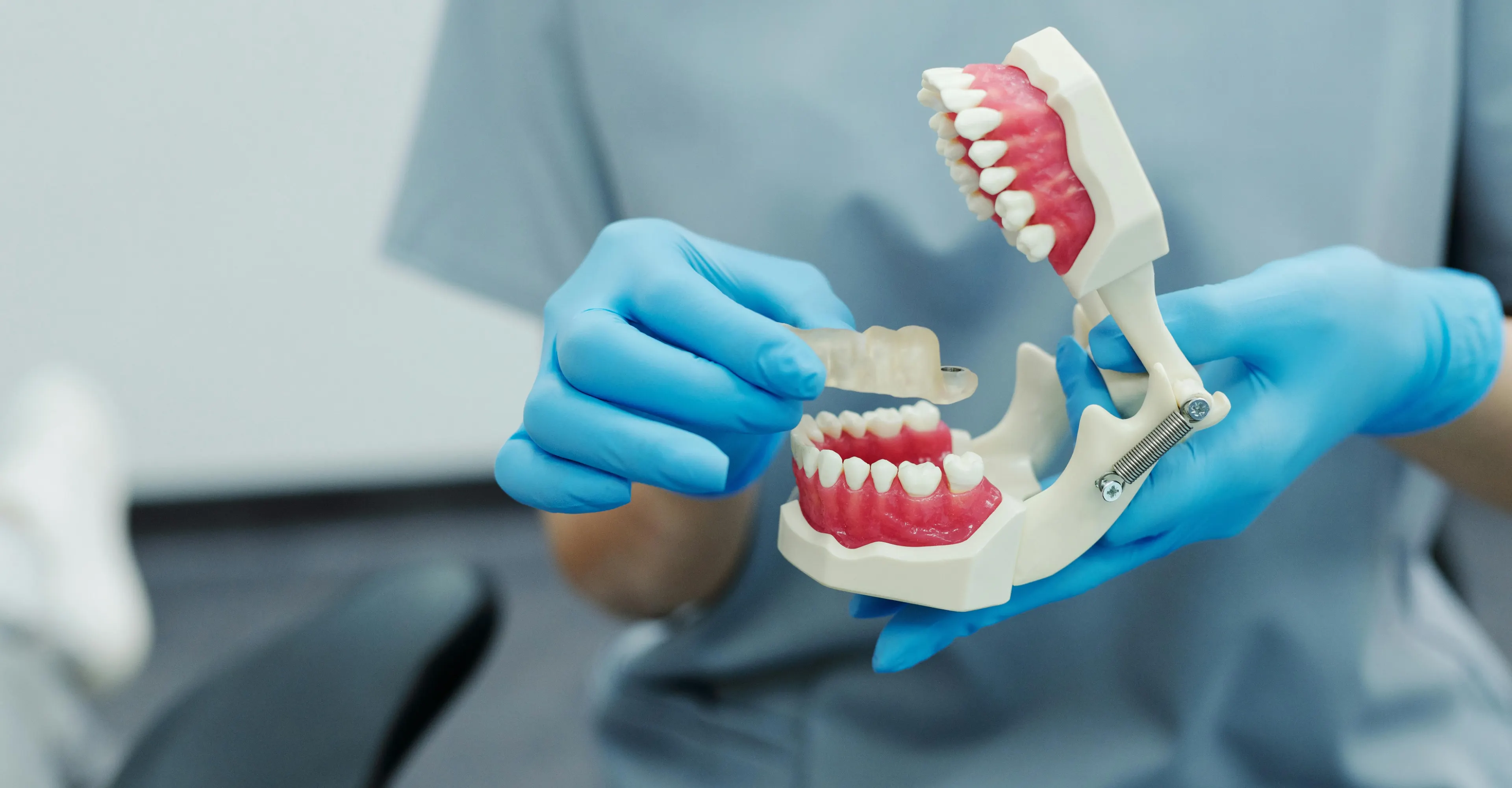
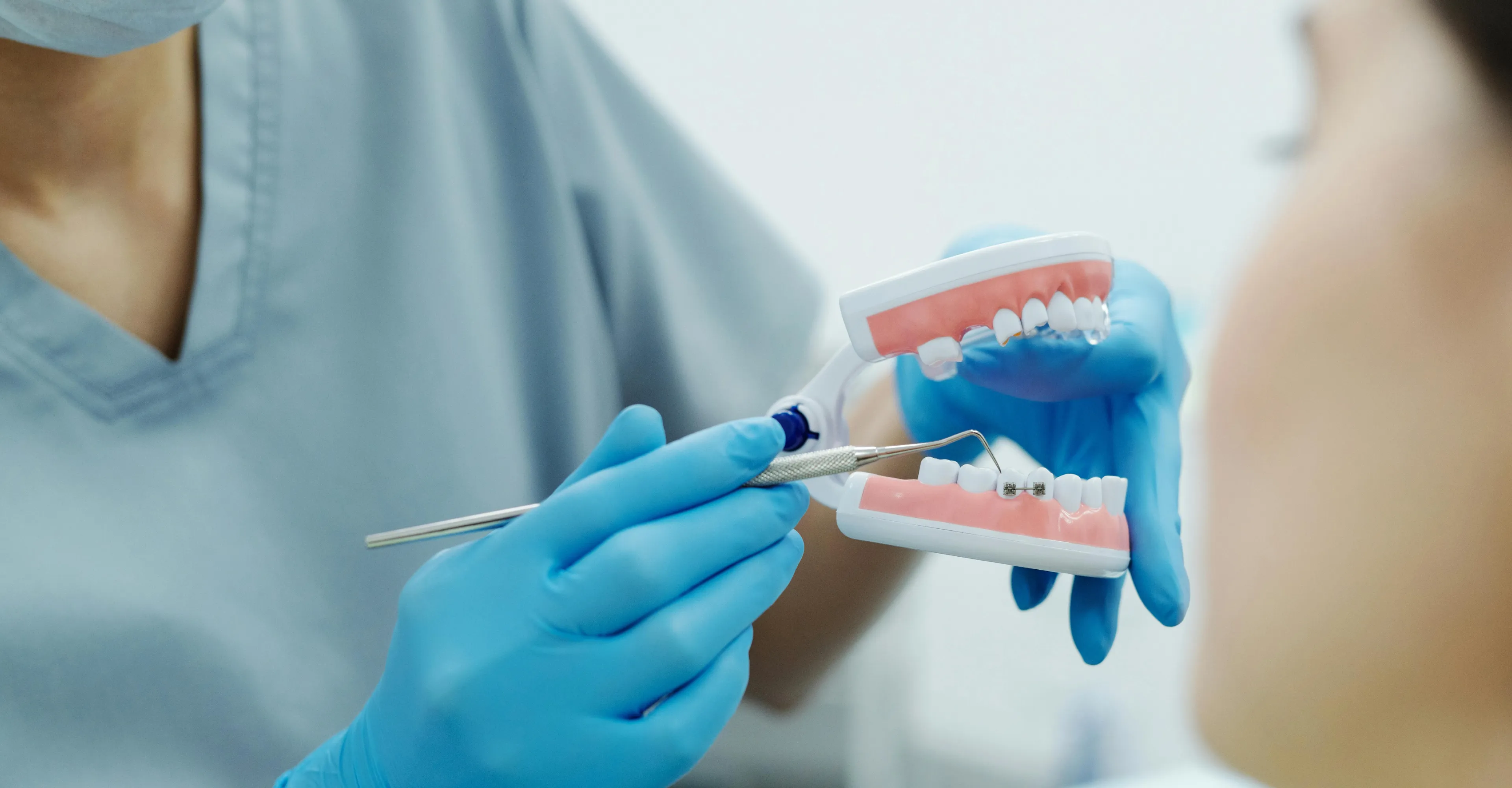
A dental bridge is a custom-made prosthetic that fills the space left by one or more missing teeth. It combines one or more artificial teeth, called pontics, with supporting crowns or connectors called abutments. The abutments may be natural teeth next to the gap or, in some designs, dental implants. Together, these parts create a stable replacement that fits into the surrounding smile.
Unlike a removable appliance, a fixed bridge is designed to stay in place during everyday activities such as speaking, eating, and smiling. The right design depends on the location and size of the space, the condition of nearby teeth, and your broader oral health. The Cleveland Clinic explains how dental bridges use supporting structures to span a gap.
How a Bridge Restores More Than the Appearance of a Smile
A missing tooth can affect how your teeth come together when you chew. Replacing the tooth may help restore more balanced function and make meals and conversation feel more natural. A well-fitted bridge can also help reduce unwanted movement by keeping adjacent teeth from shifting into the open space. That support is one reason dentists consider tooth replacement as part of proactive oral care, rather than only a cosmetic decision.
Bridges may be used to replace a single missing tooth or a row of missing teeth. The number of pontics and the way they are supported will vary with each situation. A shorter gap may be manageable with a conventional design. While a longer row or a more complex pattern of missing teeth may call for a different restorative approach. Exploring the ways to replace missing teeth can help you understand why several options may be discussed during an evaluation.
When people search for tooth bridge cost, they often want a simple answer. In practice, the most useful first step is determining whether a bridge is appropriate and what type of support it would need. An exam allows the dental team to look at the space, surrounding teeth, bite, and gums. Images may also be recommended to understand the structures that support the restoration. These findings shape the treatment plan and the estimate.
Candidacy is not based on the gap alone. Supporting teeth need to be strong enough for their role, and the surrounding gums should be healthy enough to support predictable care. If a tooth beside the space has extensive damage or if gum concerns need attention, those issues may need to be addressed before bridge treatment. This evaluation is not meant to complicate the process. It helps match the restoration to your needs and avoid choosing a design that does not provide adequate support.
For Northern Virginia patients, a personalized conversation can clarify whether a bridge fits your goals, what preparation may be involved, and which alternatives deserve consideration. The goal is a comfortable, informed decision based on your mouth, your health, and the function you want to regain.
How Does Tooth Bridge Cost Change by Bridge Type?
There are four primary dental bridge designs: traditional, cantilever, Maryland, and implant-supported. Each replaces a missing tooth, or several missing teeth, but each relies on a different kind of support. That difference can affect the planning, materials, appointments, and laboratory work involved, so the bridge type is an important part of understanding tooth bridge cost.
Choosing a bridge is not like comparing items on a shelf. Your dentist first evaluates the space, bite, gum health, bone support, and condition of nearby teeth. The design should fit your clinical needs and long-term oral health, not simply the option that appears least expensive at the beginning. The Cleveland Clinic explains the main bridge types, while material and procedure complexity are also recognized cost factors by Aflac's dental bridge guide.
| Bridge type | Support | Planning and cost considerations |
|---|---|---|
| Traditional | Natural teeth on both sides. | Supporting teeth receive crowns. Materials and fabrication affect planning. |
| Cantilever | One natural tooth on one side. | One-sided support affects strength. Bite and tooth health guide suitability. |
| Maryland | Bonded wings behind adjacent teeth. | Often avoids full crowns. Framework and bonding needs affect planning. |
| Implant-supported | Implant connector posts. | Bone, implant, surgical, and restorative planning may add stages. |
Why the same bridge type can have different costs
Even within one category, no two treatment plans are identical. A traditional bridge may require different preparation depending on the condition of the abutment teeth. An implant-supported design may require an evaluation of bone support and additional stages before the final bridge is placed. A Maryland bridge may be appropriate in one location but less suitable where biting forces are heavier. Cantilever designs also require careful assessment because their one-sided support affects strength.
Materials can change the estimate as well. Porcelain, metal, and zirconia each have different restorative properties and laboratory requirements. Shade matching and contouring are customized to your natural teeth, rather than selected from a universal package. If you are also considering crowns, reviewing how dental crowns work can help you understand why neighboring-tooth preparation may be part of some bridge plans.
For patients in Northern Virginia, the most useful next step is an examination and appropriate imaging. Smile Makers Dental Center can compare suitable designs for your mouth and explain the tradeoffs clearly. The team can then provide an individualized estimate based on the recommended treatment rather than a generic online range.
Why Does Tooth Bridge Cost Vary From Patient to Patient?
A dental bridge is planned around the teeth, gums, bite, and goals of the individual patient. That is why a general online estimate cannot show what your treatment will involve. The number and location of missing teeth are important starting points. Replacing one front tooth may require a different design and cosmetic approach than replacing several back teeth that handle stronger chewing forces. The condition of the neighboring teeth also determines whether they can support the bridge or whether another option should be considered.
Your oral health sets the foundation for treatment
Before recommending a bridge, the dentist evaluates the potential abutments, the natural teeth that support the restoration, along with the surrounding gum tissue. Existing decay, cracks, large fillings, or weakened tooth structure can make preparation more involved. Gum disease may also need attention before bridge treatment so the supporting teeth and tissues have a stable foundation. Cleveland Clinic explains that the health of the supporting teeth is an important part of determining whether a bridge is appropriate: learn more about dental bridge considerations.
An examination and appropriate imaging add another layer to the planning process. X-rays can help the dental team assess the roots, bone, and supporting structures that cannot be fully evaluated by looking at the visible tooth surfaces. These diagnostic steps, along with treatment planning and follow-up visits, may be part of the overall care process. Delta Dental also notes that bridge treatment can include the exam, diagnostic X-rays, fabrication, and subsequent care: review what may be included in bridge treatment planning.
Materials and laboratory work influence the restoration as well. Porcelain, metal, and zirconia each have different functional and appearance characteristics. The laboratory fabricates the bridge to fit the planned space, and custom shade matching and contouring help it blend with the surrounding teeth. A restoration involving visible front teeth may require especially careful attention to color, shape, and translucency. The material choice should reflect the location of the bridge, the bite, appearance goals, and long-term treatment plan, rather than a one-size-fits-all preference.
Procedure complexity can affect the time, appointments, and clinical steps involved. Preparing healthy abutments is different from first treating damaged teeth or addressing gum concerns. The design may also require more planning when the missing teeth are in a challenging location or when the bite needs careful evaluation. A dental office may use digital scans, detailed imaging, and other dental technology and diagnostics to support a more precise assessment. Technology can improve the planning workflow, but it does not replace professional judgment.
The most useful way to understand your tooth bridge cost is to schedule an examination and ask for an itemized, personalized estimate. Your dentist can explain the recommended design, material, laboratory work, diagnostic steps, and any preliminary treatment before you decide how to proceed.
Does Insurance Help With a Dental Bridge?
Dental insurance may help with part of a bridge treatment plan, but coverage depends on your specific policy and the reason the bridge is recommended. Plans often review whether replacing the missing tooth is medically necessary, and they may require documentation before deciding what they will contribute. The Delta Dental guide to bridge treatment costs explains why benefits can vary from one plan and patient to another.
Questions to ask before treatment begins
Ask your insurance company whether bridges are covered for your situation. Ask whether the plan has rules about the restoration type, the location of the missing tooth, or the supporting teeth. It is also helpful to ask about:
- Your deductible and how much remains before benefits begin.
- Your annual maximum and whether other treatment has already used part of it.
- Waiting periods that could apply to restorative care.
- Exclusions, frequency limits, replacement rules, and network requirements.
- Whether preauthorization or a predetermination is recommended before treatment.
- Which records the insurer needs, such as an exam, X-rays, photographs, or a treatment narrative.
A preauthorization can clarify how the plan is likely to process a claim, but it is not a guarantee of payment. Benefits can change, and the final decision is made when the claim is reviewed. For that reason, treat an insurance estimate as planning information rather than a promise of coverage.
Build a payment plan that feels manageable
At your consultation, ask the Smile Makers team to review the proposed treatment, expected insurance submission, and possible out-of-pocket responsibility with you. The office can also discuss payment options and financing conversations, as recommended in this Aflac overview of dental bridge costs and insurance. Useful questions include whether the claim will be filed for you, when an explanation of benefits may arrive, and whom to contact if the insurer requests more information.
If traditional insurance is not available or does not fit your needs, ask about Smile Makers' membership plan options as an insurance alternative. A membership plan is not the same as insurance, so the office can explain its terms and whether it applies to the services in your treatment plan. The goal is a clear discussion of clinical needs and payment choices, without pressure and without assuming coverage.
How Long Do Bridges Last With Good Care?
A dental bridge can remain useful for many years, but there is no single lifespan that applies to every patient or every design. The bridge material, the condition of the supporting teeth, gum health, bite forces, daily habits, and quality of fit all influence how well it performs over time. Cleveland Clinic notes that proper care can help dental bridges last for many years. Available long-term evidence is limited and uncertain. That is why a personalized maintenance plan matters more than relying on a guaranteed number of years.
Daily habits protect the bridge and its supporting teeth
Brush twice daily with a soft-bristled toothbrush and fluoride toothpaste, paying attention to the crowns or other supports as well as the artificial tooth. A bridge does not make the surrounding teeth immune to decay. Plaque around the supporting teeth can weaken them, and gum inflammation can affect the tissues that help keep the restoration comfortable and stable.
Cleaning beneath the bridge is just as important. Food particles and plaque can collect between the pontic, the artificial tooth that fills the space, and the gum below it. Ask your dental team to demonstrate the best way to guide floss, a floss threader, or another interdental cleaning aid under the bridge. Use it without forcing or damaging the gum tissue. For additional daily dental hygiene guidance, use a routine you can follow consistently rather than an occasional intensive effort.
Gum health deserves special attention. Bleeding, swelling, tenderness, persistent odor, or difficulty cleaning around the bridge should not be ignored. These signs can indicate irritation or a problem with the supporting area. Addressing concerns early may help protect the abutment teeth and surrounding tissues before a minor issue becomes more disruptive.
Habits also affect the stresses placed on a restoration. Avoid using the bridge to open packages or bite hard nonfood objects. If you regularly clench or grind your teeth, mention it at an appointment. Your dentist may discuss ways to reduce those forces and protect both the bridge and natural teeth. A change in comfort, chewing, bite, or the way the bridge feels should prompt a professional review rather than an attempt to adjust it at home.
Follow-up visits allow the dental team to check the bridge, examine the abutment teeth, assess gum health, and monitor the fit. Delta Dental emphasizes that follow-up care is essential for bridge maintenance. These visits are also an opportunity to refresh cleaning techniques and identify whether your current routine is working.
When a bridge needs repair or replacement, the next option depends on why it failed and how the surrounding teeth and gums have changed. Alternatives may include another bridge design, an implant-supported restoration, or a removable option. A careful evaluation can connect the treatment choice with your oral health, comfort, and long-term goals, rather than treating a bridge lifespan as a promise.
How to Get a Clear, Personalized Bridge Estimate in Northern Virginia
A useful estimate should explain your treatment options and likely care. It should also show how insurance or payment arrangements could affect your responsibility. Because tooth bridge cost varies by the practice, location, materials, and each patient's needs, a general online range cannot replace an individualized review. Use this checklist to prepare for a productive conversation at one of Smile Makers Dental Center's Northern Virginia dental locations.
- Bring your insurance information. Have your member ID, plan contact details, and any explanation of benefits available. Ask the office to review whether bridge treatment is included. Whether the plan requires documentation of medical necessity, and whether deductibles, annual maximums, waiting periods, or exclusions may apply. Coverage is determined by your plan, so an estimate should distinguish the expected total fee from any unconfirmed insurance contribution.
- Describe your missing-tooth history. Be ready to explain when the tooth or teeth were lost, how it happened, and whether you have experienced sensitivity, chewing changes, discomfort, or movement of nearby teeth. Also mention previous crowns, fillings, implants, gum treatment, or dental injuries. This history helps the dentist understand the condition of the space and the teeth that might support a bridge.
- Complete the recommended exam and imaging. A clear estimate depends on examining the gums, supporting teeth, bite, and available space. X-rays or other appropriate imaging can help evaluate the structures involved in treatment planning. Existing gum problems or weakened supporting teeth may need attention before a bridge is considered. Exam and diagnostic fees can be separate parts of the overall care process, so ask how they are included in the written plan.
- Discuss bridge designs and materials. Ask why a traditional, cantilever, Maryland, or implant-supported bridge is being considered, and what tradeoffs each option presents for your situation. The material and laboratory process can also affect the estimate. Bridges are customized for the patient, including shade and contour, so ask how the recommended material will look, function, and fit with your natural teeth.
- Request a written estimate with plain-language details. Confirm that it lists the proposed bridge, any preparation for supporting teeth, imaging, laboratory work, temporary restorations if applicable, and follow-up visits. Ask whether the estimate includes every planned stage or only the bridge itself. You can also ask what circumstances could change the estimate and whether a preauthorization can be submitted to your insurer before treatment.
- Clarify payment and follow-up before deciding. Ask which payment options are available and whether insurance alternatives or membership plan options may be relevant. Before treatment begins, make sure you understand the expected sequence of visits, home-care responsibilities, and how the office will monitor the bridge and supporting teeth afterward. A careful estimate is not simply a number. It is a shared plan that lets you compare appropriate options and make a confident, informed decision.
Smile Makers provides restorative and prosthetic care in-house across its Northern Virginia offices, allowing your questions, examination, and treatment planning to be coordinated within one practice.
Talk with our team about a personalized bridge plan.
Frequently Asked Questions
How can I get an accurate estimate for tooth bridge cost?
An accurate estimate requires an examination and appropriate imaging so the dentist can assess the missing-tooth area, supporting teeth, gums, and treatment complexity. The plan may also account for bridge design, material selection, laboratory fabrication, and follow-up visits. Because costs vary by each patient and practice, a consultation is the most reliable way to understand your recommended options. Learn more about dental bridge planning.
Will dental insurance help pay for a bridge?
Some dental plans cover part of a bridge when it is considered medically necessary, but coverage depends on your policy. Before treatment, ask about deductibles, annual limits, waiting periods, exclusions, and whether preauthorization is required. Your dental office can review available payment or insurance-alternative options with you, so you understand your expected share before moving forward. Review general bridge coverage considerations.
Which type of bridge is right for my missing tooth?
The best design depends on the location and size of the space, the health of nearby teeth and gums, and your overall treatment plan. Traditional bridges use supporting teeth on both sides, while cantilever bridges use support on one side. Maryland bridges bond wings to adjacent teeth, and implant-supported bridges use implant connector posts. Each option has different preparation, function, and maintenance considerations.
What preparation is needed before a bridge is placed?
Your dentist may complete an exam and X-rays, evaluate the gums and supporting teeth, and address active problems before recommending a bridge. Healthy abutments, meaning the teeth or implant supports holding the bridge, are important to the treatment plan. The bridge is then custom designed, including its shade and contours, to fit your smile.
How should I maintain my dental bridge?
Brush and clean around and beneath the bridge every day, and attend recommended follow-up visits. A dentist can monitor the bridge, gums, and abutment teeth over time. Consistent hygiene and professional care support the bridge's longevity, although no restoration lasts forever. See Cleveland Clinic guidance on dental bridges.
Schedule Your Personalized Bridge Evaluation
A thoughtful evaluation can clarify which bridge options fit your oral health, goals, and treatment questions. Smile Makers Dental Center can help you review the next steps for replacing a missing tooth or teeth and discuss payment considerations clearly.