
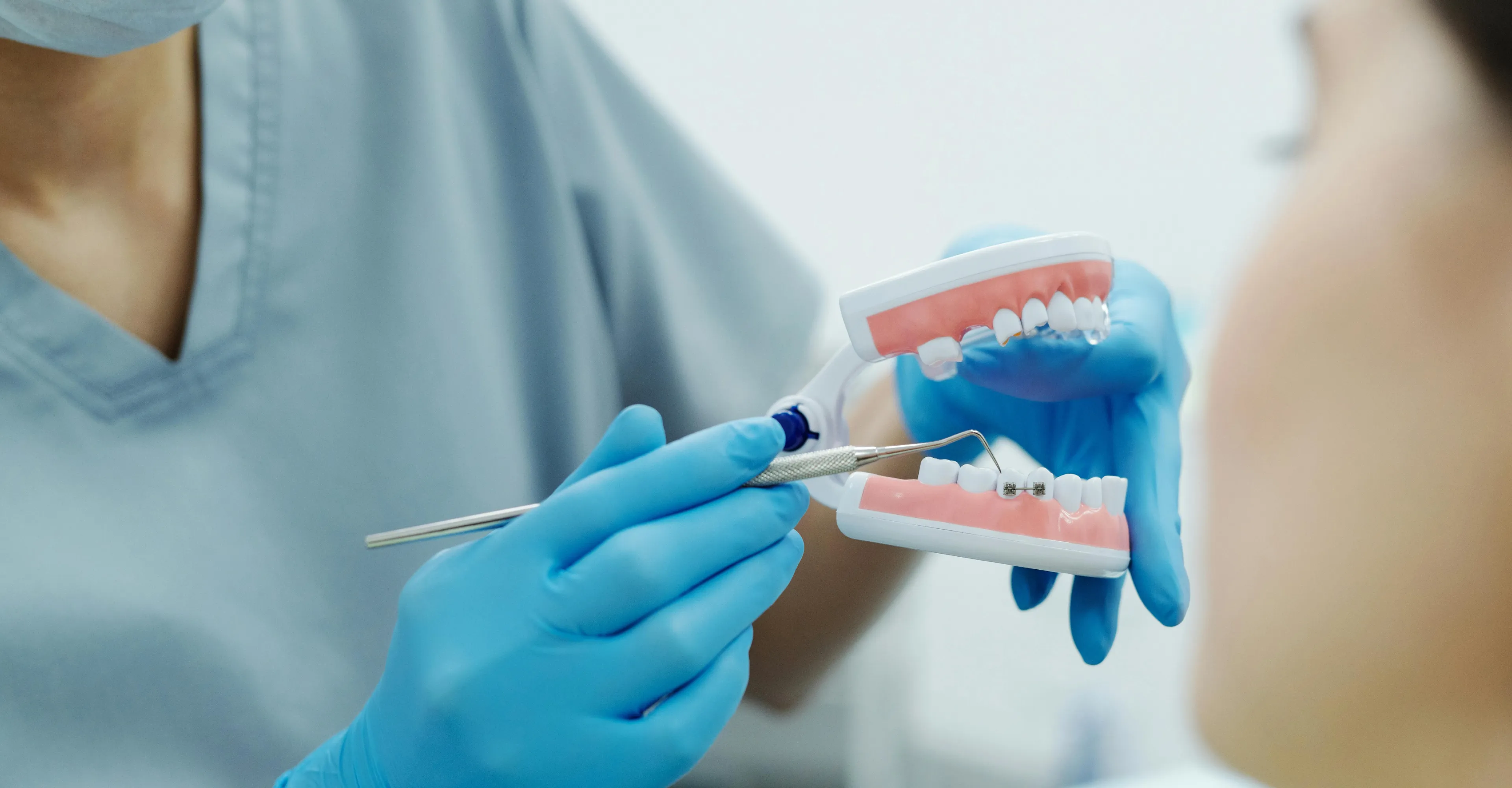



If you are comparing a tmj mouth guard vs splint, the first thing to know is that the names are not always used consistently. Both may refer to removable dental appliances, but the design and purpose can vary; the right choice depends on your symptoms, teeth, jaw, and a dental evaluation.
What do people mean by a TMJ mouth guard or splint?
TMJ is a common shorthand for the temporomandibular joint, which connects the lower jaw to the skull. People also use “TMJ” when talking about jaw-joint or chewing-muscle symptoms. A dentist may use terms such as oral appliance, bite guard, night guard, or splint. The labels can overlap, so the name alone does not tell you exactly what an appliance is designed to do.
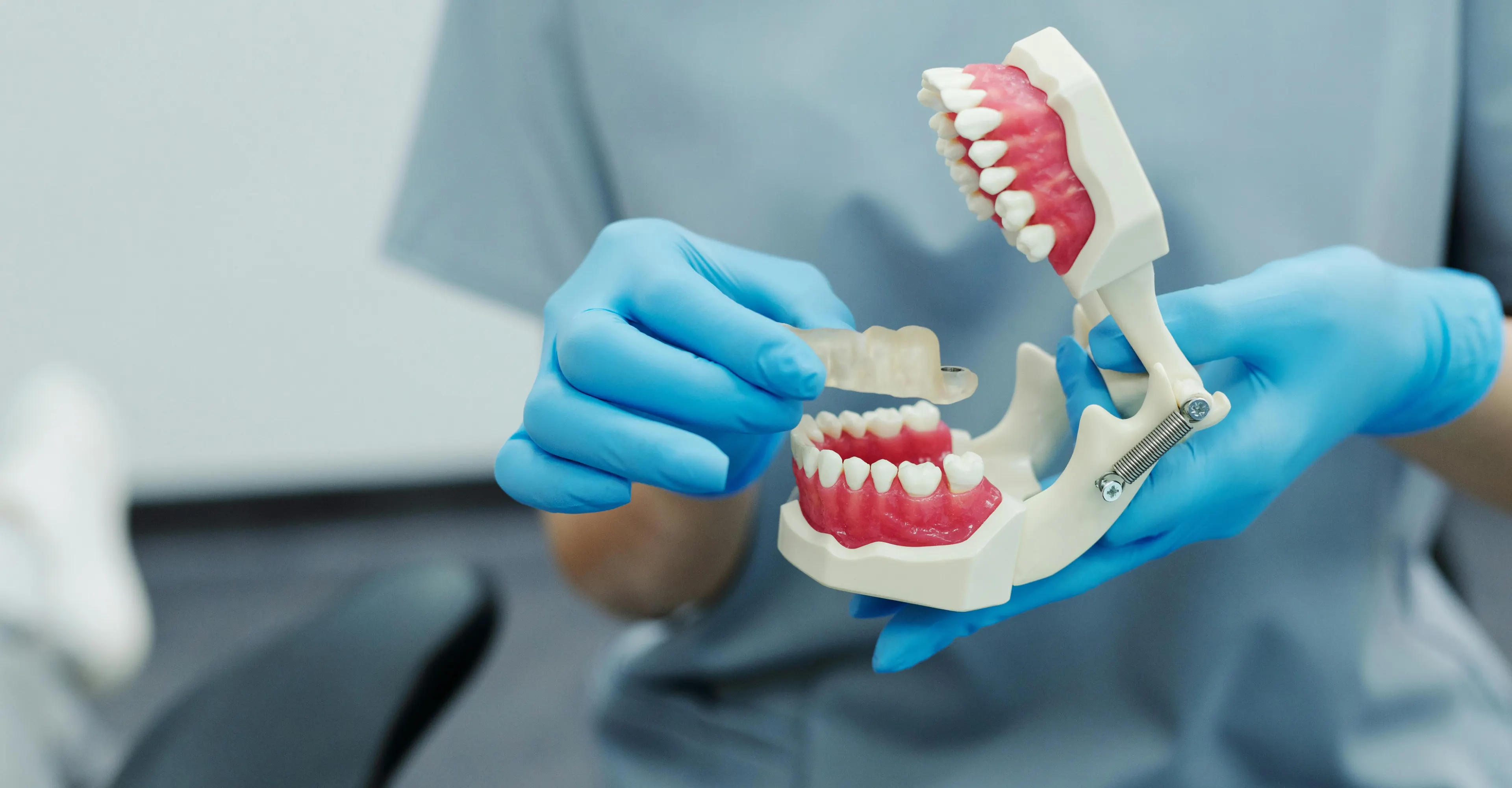
A mouth guard often brings to mind a sports guard that cushions teeth during contact sports. In a jaw-care conversation, people may instead mean a removable appliance worn over the teeth, often while sleeping. A splint is also a removable appliance, generally selected and shaped for a particular goal. Some dentists use “guard” and “splint” interchangeably; others use “splint” to describe a particular design or treatment plan.
That variation is why an online product name cannot determine whether an appliance is suitable for you. A device made for sports protection is not automatically the same as an appliance selected for jaw symptoms. If you are unsure what you already have, bring it to your appointment and ask what it is intended to do.
For a wider overview of jaw-joint concerns, read what TMJ means and common care considerations. If you want to understand the symptom side first, this guide to what TMJ discomfort can feel like may also help you describe your experience.
TMJ mouth guard vs splint: how can they differ?
There is no single feature that separates every “mouth guard” from every “splint.” The meaningful comparison is the individual appliance’s material, coverage, fit, wear schedule, and stated purpose. A dentist evaluates those details along with your teeth, bite, jaw movement, and symptoms.
| What to compare | Mouth guard or night guard | Splint | Question to ask |
|---|---|---|---|
| Name and design | The term may describe different removable guards, including devices for sports or nighttime wear. | Often used for an appliance designed for a particular dental or jaw-care purpose; the term varies by clinician. | What is this specific device called, and why was it selected? |
| Fit | Store-bought versions may come in standard shapes or require user fitting; fit is not individualized in the same way as a professionally made device. | A dentist may recommend an appliance made or adjusted for a patient’s mouth and treatment plan. | Does it fit my teeth and bite as intended? |
| Coverage and contact | Coverage can vary. A guard may cover some or all of the teeth, depending on its type. | Design and tooth contact depend on the particular splint and its intended use. | Which teeth should it cover, and where should it contact? |
| Wear directions | Directions depend on whether it is for sports, nighttime use, or another purpose. | Wear time and follow-up depend on the individual plan. | When should I wear it, and when should I remove it? |
| Monitoring | A generic device may not include professional checks of fit or changes in symptoms. | A dentist can explain whether adjustments or follow-up checks are needed. | When should I return, and what changes should I report? |
The table describes common distinctions, not a diagnosis or a guarantee about a particular device. Products and clinical terms differ. Two appliances with similar names can have different designs, while two devices called different names may serve a similar role. Ask the treating dental professional to explain the device in front of you rather than relying on the label.
Talk with a dentist about jaw discomfort
How does a dentist decide which appliance to consider?
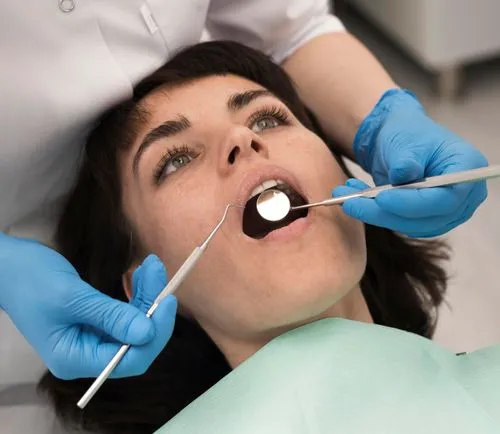
A useful evaluation starts with your story. The dentist may ask where you feel discomfort, when it began, what movements or activities seem to affect it, and whether the problem changes over time. Share whether you notice jaw stiffness, difficulty opening comfortably, tooth wear, clenching or grinding concerns, or symptoms that interfere with eating or sleep. These details help guide a conversation; they do not establish the cause by themselves.
The dentist may examine your teeth and bite, listen to or feel jaw movement, and assess how comfortably you open and close. Bring any existing guard or splint, along with its case if available. Mention when and how you wear it, whether it feels loose or tight, and whether you have noticed a change in your bite or discomfort. If you have records or a prior recommendation, bring those too.
From there, the clinician can explain whether an appliance is appropriate to consider, what it is intended to address, and what other steps or evaluations may be relevant. A guard or splint is not a universal answer for every source of jaw pain. The next step depends on the findings and your individual needs, and a dental visit is an opportunity to ask about options rather than commit to a device before its purpose is clear.
It can help to describe a typical day rather than trying to diagnose yourself. Note when discomfort appears, what you were doing, and whether it eases or returns. Mention if you wake with symptoms, notice them during meals, or find that jaw movement feels different at certain times. You do not need a perfect symptom log; a few specific examples can make the conversation more useful. Tell the dentist about other care you have tried, including any device, how often you used it, and what you noticed. The aim is to give the clinician context and understand the reasoning behind possible next steps.
For more on choosing a professional to discuss jaw symptoms, see who may evaluate TMJ concerns. If you are considering professional care, review the practice’s TMJ and sleep apnea services and meet the dental team.
Should you try an over-the-counter mouth guard?
An over-the-counter guard may seem convenient, but convenience does not establish that the device fits your mouth or matches your concern. Some products are intended for sports; others are marketed for nighttime wear. Read the product’s directions and intended use, and do not assume one type can replace another.
A poorly fitting or uncomfortable appliance may be hard to wear as directed. If a device feels painful, is difficult to remove, or seems to change how your teeth come together, stop and contact a dental professional for guidance. Do not force it into place or keep adjusting it in a way the directions do not describe. If you already have a professionally provided appliance, ask the dentist who recommended it before substituting a different product.
A dental professional can help you compare a store-bought device with an individually selected appliance, including the expected fit, purpose, cleaning instructions, and follow-up. This is especially useful when symptoms are ongoing, changing, or interfering with normal activities. If you are looking for low-pressure ways to prepare for an appointment, our article on feeling more comfortable at the dentist offers practical ideas.
Before using any removable appliance, make sure you understand the directions for putting it in, taking it out, cleaning it, and storing it. Follow the instructions provided for that particular device rather than assuming all materials can be cleaned the same way. Keep it in its case when it is not in use, and bring it to checkups so the dentist can see its condition and review how it fits. Do not trim, reshape, or repair an appliance on your own unless the provider has specifically instructed you to do so. If you lose it or it becomes cracked, warped, or uncomfortable, ask the dental office how to proceed instead of continuing to wear it by default.
What should you ask before choosing a guard or splint?
Clear questions make it easier to understand the recommendation and decide what to do next. You can write them down or bring a support person if that helps you feel at ease.
- What is the name and intended purpose of this appliance?
- What did you find during the examination that makes this option worth considering?
- How should it fit, and what should it feel like when I put it in?
- Which teeth does it cover, and how should my teeth meet while wearing it?
- When and for how long should I wear it? Are there times I should not use it?
- How should I clean and store it?
- What changes in comfort, jaw movement, or bite should I report?
- When should the fit and my symptoms be reviewed?
- What are the alternatives if I cannot tolerate it or it does not meet its intended purpose?
Ask the clinician to explain any unfamiliar term in plain language. A helpful recommendation should make its purpose and next steps understandable. If you are already using an appliance, ask whether it remains appropriate and whether it needs to be checked or adjusted. Do not assume that discomfort means you simply need to wear it longer.
For general oral and craniofacial health information, the National Institute of Dental and Craniofacial Research is a government research resource. It can provide broader background, while a dental professional can discuss how your symptoms and exam relate to your own care.
When should you arrange a dental evaluation?
Consider contacting a dentist when jaw discomfort persists, returns, changes, or makes everyday activities such as eating or opening your mouth difficult. An evaluation can help clarify what may be contributing and whether an appliance or another approach should be discussed. It can also help if a guard you already use feels uncomfortable, does not stay in place, or seems associated with a new change in your bite.
Do not wait for an appliance to solve symptoms that are getting worse. A dentist can help determine whether the concern fits within dental care or needs a different kind of assessment. If symptoms are severe or follow an injury, seek prompt professional guidance. For additional context about jaw movement and discomfort, see our information on gentle TMJ exercises and jaw symptoms that may be felt near the ear; online information cannot replace an individual evaluation.
Frequently asked questions
Are a TMJ mouth guard and a splint the same thing?
Sometimes the terms overlap, but they do not identify one standardized design. Ask what a specific appliance is intended to do, how it fits, and when to wear it.
Can I use a sports mouth guard for jaw discomfort?
A sports guard is intended for a different context and should not automatically be treated as a jaw appliance. Ask a dentist whether the device you have is appropriate for your concern.
Is a custom appliance always the right choice?
Not necessarily. Whether to consider an appliance, and which design to use, depends on an evaluation and the intended goal. Discuss fit, alternatives, and follow-up with your dentist.
What if a guard makes my jaw or bite feel worse?
Stop using a device that is painful or seems to change your bite and contact a dental professional for instructions. Do not force it or make unapproved changes to its shape.
Can a mouth guard diagnose the cause of jaw pain?
No. An appliance is not a diagnostic test. A dental professional needs to consider your symptoms and examine you to discuss possible causes and next steps.
What is the next step?
A TMJ mouth guard and a splint may sound like two clear-cut choices, but the terms and designs can overlap. Focus on the purpose, fit, wear directions, and follow-up for the individual appliance, then discuss your symptoms with a dental professional before choosing or changing one.