


Sleep apnea is more than loud snoring or feeling tired the next day. When breathing repeatedly stops during sleep, oxygen levels can fall and the body must work harder to restart normal breathing. Over time, that strain can affect the heart, blood vessels, brain, and daytime alertness.
So, can sleep apnea kill you? Untreated sleep apnea can become life-threatening, especially when it is severe or contributes to heart disease, stroke, or dangerous daytime sleepiness. The condition is treatable, and recognizing it early can help you take practical steps to protect your health. Book an appointment
That does not mean every person with sleep apnea faces an immediate crisis. It does mean persistent symptoms deserve a thoughtful evaluation and an appropriate treatment plan. Understanding the risks can help you make informed decisions about testing, medical care, and options such as a custom dental oral appliance.
Can Sleep Apnea Kill You? A Direct, Honest Answer
Usually, obstructive sleep apnea does not cause sudden death by itself. However, untreated severe sleep apnea is a serious medical condition that can place ongoing strain on the heart, blood vessels, and brain. Over time, that strain can increase the risk of life-threatening events, including heart failure, heart attack, stroke, and sudden cardiac problems.
The concern is not that every pause in breathing creates an immediate emergency. It is that repeated airway collapse can lower oxygen levels and force the body to work hard to restart breathing throughout the night. The National Heart, Lung, and Blood Institute notes that this repeated effort may damage organs and blood vessels. While untreated sleep apnea raises the risk of heart attack, heart failure, and stroke. Learn more from the NHLBI.
Sleep apnea can also affect blood pressure. According to the Centers for Disease Control and Prevention, sleep problems can keep blood pressure elevated for longer periods. And high blood pressure is a leading risk factor for heart disease and stroke. The American Heart Association likewise describes a strong relationship between sleep apnea, heart disease, and stroke. These connections help explain why the answer to "can sleep apnea kill you" deserves a calm but prompt conversation with a qualified healthcare professional.
| Condition | What it may mean | Typical goal |
|---|---|---|
| Untreated severe sleep apnea | Repeated oxygen drops and disrupted sleep can raise the risk of heart attack, heart failure, and stroke. | Obtain an evaluation and begin an appropriate treatment plan. |
| Treated sleep apnea | Keeping the airway open can improve sleep and reduce some of the strain associated with untreated disease. | Use the recommended treatment consistently and attend follow-up visits. |
A systematic review and meta-analysis also examined the relationship between obstructive sleep apnea and sudden death, reinforcing why severe or untreated symptoms should not be ignored. The findings describe an association and do not mean that a person with sleep apnea is destined for a fatal event. Risk depends on factors such as severity, overall health, and whether treatment is effective. Review the sudden-death meta-analysis and the American Heart Association overview.
Book an appointment to discuss your sleep apnea concerns.
How Untreated Sleep Apnea Strains Your Heart and Brain
Each pause in breathing during obstructive sleep apnea briefly limits the oxygen reaching your body. The brain responds by partially waking you and signaling the muscles of the throat to reopen the airway. You may not remember these awakenings, but they can happen repeatedly throughout the night, preventing the deep, restorative sleep your body needs.
That cycle also activates the body's stress response. Heart rate and blood pressure can rise as breathing resumes, then repeat the pattern when the next obstruction occurs. Over time, these repeated surges place extra demand on the heart and blood vessels. The National Heart, Lung, and Blood Institute explains that the effort required to restart breathing again and again can damage organs and blood vessels. Untreated sleep apnea is also associated with serious cardiovascular conditions, including heart attack, heart failure, and stroke.
Sleep normally gives blood pressure an opportunity to fall. When sleep is repeatedly interrupted, blood pressure can remain elevated for longer periods. The Centers for Disease Control and Prevention notes that high blood pressure is a leading risk factor for heart disease and stroke. This does not mean that every person with sleep apnea will develop one of these conditions. But it does explain why identifying and treating the disorder matters, especially when symptoms such as loud snoring, gasping, or morning headaches are persistent.
Why the effects extend beyond the heart
Sleep apnea affects more than the cardiovascular system. Repeated oxygen drops, fragmented sleep, and ongoing physical stress can influence several organs and body systems. The NHLBI identifies associations between sleep apnea and type 2 diabetes, chronic kidney disease, and dementia in older adults. These are health risks, not guarantees, and a person's overall risk depends on factors such as the severity of apnea, age, existing conditions, and treatment.
The brain is affected in another important way: disrupted sleep can make it harder to concentrate, remember information, make decisions, and regulate behavior during the day. That combination of cognitive strain and fatigue can affect work, relationships, and safe daily activities. Learning more about understanding sleep apnea and its types can help you recognize why evaluation is worthwhile.
If you or a family member notices signs of sleep apnea, bring them to a qualified healthcare professional. A sleep evaluation can clarify what is happening and guide an appropriate treatment plan. Addressing the condition is a proactive way to reduce repeated strain and support better long-term health.
The Link Between Sleep Apnea and Stroke
Sleep apnea and stroke are connected through several changes that can occur night after night. When breathing repeatedly pauses during sleep, oxygen levels can fall, sleep becomes fragmented, and the body works harder to restore normal breathing. Over time, that repeated stress can affect the heart, blood vessels, and brain.
The National Heart, Lung, and Blood Institute lists stroke among the serious conditions associated with untreated sleep apnea, along with heart attack and heart failure. The concern is not that every person with sleep apnea will have a stroke. Rather, untreated sleep apnea can add to a person's overall cardiovascular risk. Especially when other factors such as high blood pressure, diabetes, smoking, or a history of vascular disease are also present. Learn more from the NHLBI about living with sleep apnea.
Why oxygen dips and blood pressure matter
During a breathing pause, the body may respond as though it needs to solve an immediate problem. The effort to restart breathing can activate stress responses, increase strain on blood vessels, and contribute to repeated oxygen fluctuations. These events may be easy to miss because they happen while a person is asleep, but they can occur many times over the course of a night.
Sleep problems can also keep blood pressure elevated for longer periods instead of allowing it to fall normally during sleep. The Centers for Disease Control and Prevention explains that high blood pressure is one of the leading risks for heart disease and stroke. The American Heart Association also describes the strong relationship between sleep apnea, heart disease, and stroke. Together, these effects help explain why untreated sleep apnea deserves medical attention rather than being dismissed as ordinary snoring.
Reducing risk through evaluation and treatment
Recognizing possible risk factors is a practical first step. If you or a partner notices loud snoring, gasping, witnessed breathing pauses, morning headaches, or persistent daytime fatigue, discuss those symptoms with a qualified healthcare professional. You can also review the risk factors for sleep apnea to prepare for that conversation. A sleep evaluation can help determine whether apnea is present and how severe it is.
Treatment is intended to keep the airway open, improve sleep quality, and reduce the strain caused by repeated breathing interruptions. The NHLBI notes that successful treatment can help lower high blood pressure and reduce the risk of heart disease and stroke. Depending on the diagnosis, options may include positive airway pressure, lifestyle measures, or a dentist-fitted oral appliance. Addressing sleep apnea does not guarantee that a stroke will never occur, but it is a meaningful part of protecting long-term cardiovascular health.
Daytime Sleepiness, Accidents, and Everyday Risk
A night of fragmented sleep can affect far more than how refreshed you feel in the morning. When obstructive sleep apnea repeatedly interrupts breathing, the brain and body may not receive the sustained, restorative rest needed for steady attention during the day. The result can be persistent sleepiness, slower thinking, and difficulty staying alert during routine activities.
According to the National Heart, Lung, and Blood Institute, untreated sleep apnea can cause problems with concentration, memory, decision-making, and behavior control because it prevents sufficient rest. These effects may show up as forgetting appointments, losing focus during a conversation, making avoidable errors, or feeling unusually irritable. They are not a character flaw or simply a sign that you need more coffee. They can be symptoms of a sleep disorder that deserves evaluation.
Why alertness matters behind the wheel
Daytime sleepiness can make driving more difficult, especially on long trips, early in the morning, or during monotonous stretches of road. Reduced concentration and slower decision-making can also make it harder to respond promptly to changing traffic conditions. For the same reason, untreated sleep apnea may raise the risk of accidents in workplaces that involve vehicles, machinery, heights, or other tasks requiring sustained attention.
This does not mean that every person with sleep apnea will have an accident. It does mean that unexplained sleepiness should not be ignored, particularly if you nod off unintentionally. Struggle to stay awake while driving, or rely heavily on stimulants to get through the day. If you feel too sleepy to drive safely, pull over and arrange another way to reach your destination.
Recognizing the signs and getting help
Some people notice their daytime symptoms first. A partner or family member may be the one who reports loud snoring, gasping, or pauses in breathing at night. Reviewing the warning signs of sleep apnea can help you decide whether it is time to speak with a qualified healthcare professional.
A diagnosis creates a path forward. Sleep testing can clarify what is happening, and an appropriate treatment plan can improve sleep quality and daytime alertness. Addressing the problem is a practical step toward safer driving, more reliable concentration, and better participation in everyday life.
Treatment Lowers the Risk: Dental Oral Appliances as a Comfortable Option
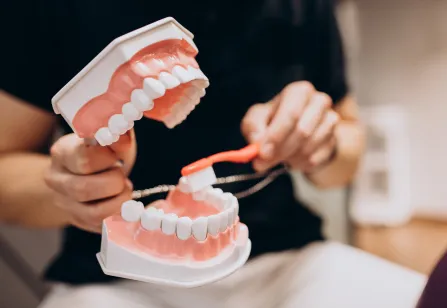
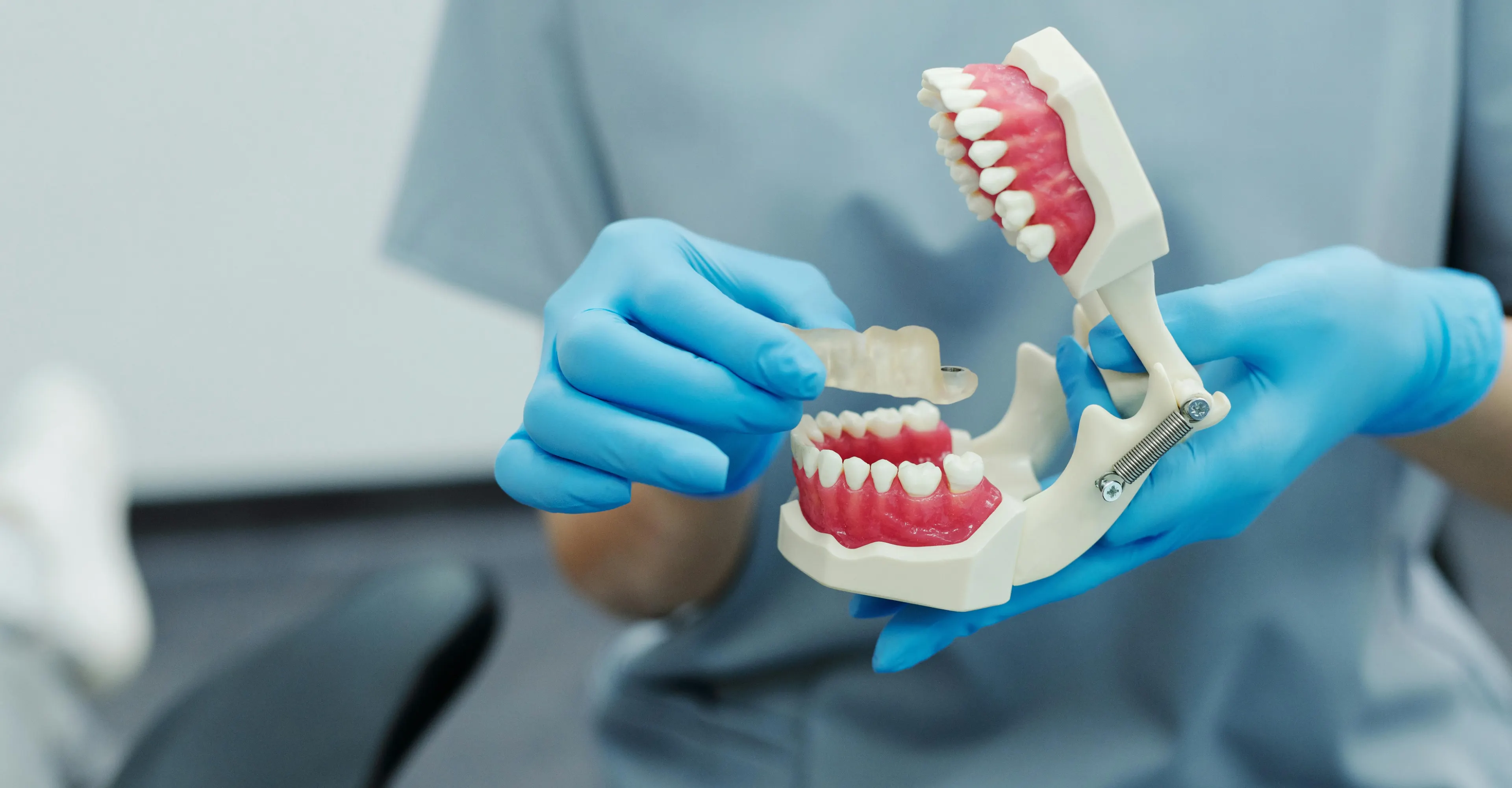
When sleep apnea is affecting your breathing, treatment should fit your health needs and your daily life. For many people with mild to moderate obstructive sleep apnea, an oral appliance can provide a comfortable, practical way to help keep the airway open during sleep. The device is worn at night and gently positions the jaw or tongue forward, reducing the chance that soft tissues will block airflow. The Mayo Clinic explains that oral appliances are a recognized treatment for obstructive sleep apnea and work by keeping the airway open during sleep: learn more about oral appliance treatment.
This approach is different from a standard dental mouthguard. A custom sleep appliance is designed for airway support and should be prescribed, fitted, and monitored by a qualified dental professional. You can also learn more about dental mouthguards and sleep apnea before discussing your options.
Why an oral appliance may be a good fit
Oral appliances are often chosen for mild to moderate sleep apnea, especially when patients prefer a quieter, more portable option than CPAP. Many people find these devices easier to use and more comfortable, although the right treatment depends on the severity and pattern of your condition. A sleep study and medical evaluation help determine whether an oral appliance is appropriate.
Keeping the airway open matters beyond reducing snoring. Repeated breathing interruptions can lower oxygen levels and force the body to work hard to restart breathing, which may strain organs and blood vessels. Untreated sleep apnea also raises the risk of serious conditions, including heart attack, heart failure, and stroke. Sleep problems can keep blood pressure elevated for longer, and high blood pressure is a leading risk factor for heart disease and stroke. Sources: National Heart, Lung, and Blood Institute information on living with sleep apnea and CDC guidance on sleep and heart health.
What to expect when getting fitted
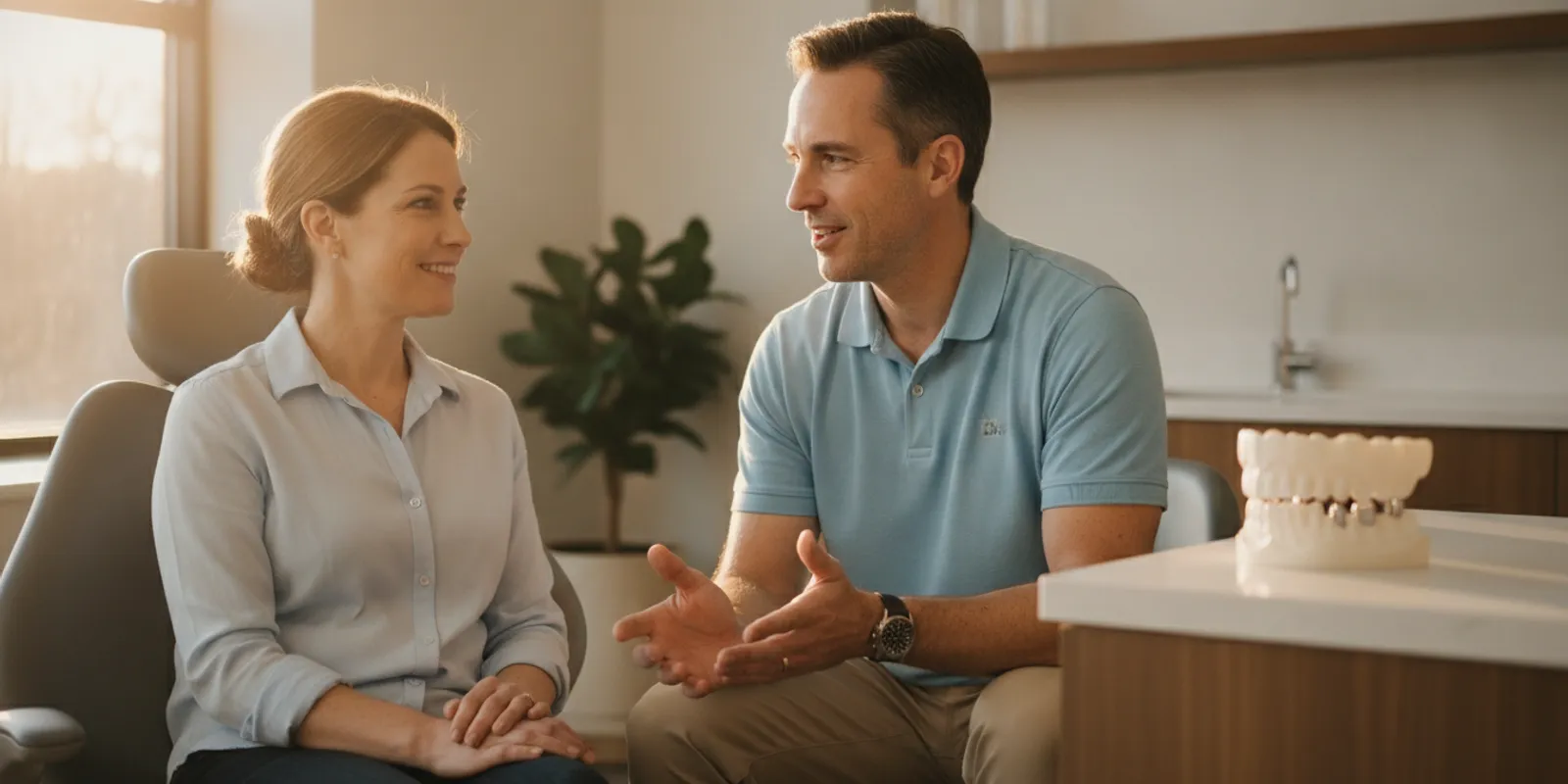
A dental practice can guide you through a straightforward fitting process. At Smile Makers Dental Center, patients in Northern Virginia can ask about dental sleep apnea treatment and whether an oral appliance may support their care plan.
- Discuss your symptoms and diagnosis. Share concerns such as snoring, gasping during sleep, morning headaches, or daytime fatigue. Bring any sleep-study results and information from your physician or sleep specialist. If you are still learning the basics, start by reading about what sleep apnea is and its types.
- Complete an oral and jaw evaluation. Your dentist reviews your teeth, gums, bite, jaw movement, and overall oral health. This helps identify whether a custom device can be worn safely and comfortably.
- Have the appliance designed and fitted. The appliance is made to fit your mouth and hold the jaw in a forward position, helping prevent airway collapse. Your dentist explains insertion, removal, cleaning, and storage.
- Return for adjustments and follow-up. A follow-up visit helps address comfort, bite changes, jaw symptoms, or other concerns. Your provider may recommend repeat testing to confirm that the appliance is improving your breathing during sleep.
An oral appliance is not a reason to delay evaluation. If you are concerned about whether can sleep apnea kill you, the practical answer is to get diagnosed and discuss effective treatment rather than live with untreated symptoms. A comfortable device that you can use consistently may be an important part of protecting your long-term health.
Schedule a sleep apnea treatment consultation
Taking the Next Step: Protecting Your Health Long Term
A sleep apnea diagnosis is not a reason to feel discouraged. It is useful information that gives you a chance to protect your health with a treatment plan that fits your needs. Addressing the condition can also make everyday life feel more manageable, from waking with more energy to staying focused during work, school, and family activities.
Sleep apnea affects more than the quality of your rest. Repeated breathing interruptions can lower oxygen levels and place added demands on the cardiovascular system. The National Heart, Lung, and Blood Institute explains that successful sleep apnea treatment can help reduce high blood pressure. Improve sleep quality, and lower the risk of heart disease and stroke. Read the NHLBI guidance on living with sleep apnea.
That does not mean every person with sleep apnea will experience a serious complication, and it does not mean you should approach treatment with fear. It means that evaluation and consistent care are worthwhile, especially when symptoms such as loud snoring, witnessed pauses in breathing, morning headaches, or persistent daytime fatigue continue. Treating the underlying problem may help you feel more alert while reducing a source of long-term strain.
A dentist with training in dental sleep medicine can screen for signs that your breathing may be interrupted during sleep and help coordinate next steps with a physician or sleep specialist. In Northern Virginia, a qualified sleep medicine provider can perform or arrange the appropriate evaluation. While a dentist can determine whether an oral appliance may be a suitable option. These devices are designed to help keep the airway open during sleep, but the right treatment depends on your diagnosis, anatomy, and overall health.
It can also be helpful to consider how the jaw, bite, and airway work together. If you experience jaw discomfort, clenching, or other concerns along with sleep symptoms, learn more about the TMJ and airway connection.
Taking action does not require solving everything at once. Start by discussing your symptoms with a healthcare professional, completing recommended testing, and asking which treatment choices are realistic for your routine. With the right support, better sleep and better daytime function can become part of a broader plan for long-term health.
Frequently Asked Questions
Can sleep apnea kill you directly?
Sleep apnea is not usually described as an immediate cause of death during one breathing pause. However, repeated oxygen drops and interruptions in breathing place significant strain on the body. Over time, untreated sleep apnea can raise the risk of serious cardiovascular conditions, including heart attack, heart failure, and stroke. The National Heart, Lung, and Blood Institute explains these health risks.
Is untreated sleep apnea life-threatening?
It can be, especially when it is moderate or severe and remains untreated. The condition can keep blood pressure elevated for longer periods during the night, and high blood pressure is a leading risk factor for heart disease and stroke. That does not mean every person with sleep apnea faces the same outcome, but it does mean a proper evaluation and treatment plan are important. The CDC connects sleep problems and prolonged high blood pressure with cardiovascular risk.
Can sleep apnea cause a stroke?
Sleep apnea can increase stroke risk through recurring low oxygen levels, disrupted sleep, and cardiovascular strain. It is one of several factors that may contribute to stroke, so treating sleep apnea should complement management of blood pressure and other health risks. If you have symptoms such as loud snoring, witnessed breathing pauses, or excessive daytime sleepiness, ask a qualified healthcare professional about evaluation.
Does sleep apnea increase the risk of car accidents?
Yes. Untreated sleep apnea can leave you excessively sleepy and can impair concentration, memory, and decision-making. Those effects may make driving and other safety-sensitive activities more hazardous. NHLBI notes that untreated sleep apnea can interfere with concentration, remembering, and making decisions.
Can a dental oral appliance lower sleep apnea risks?
For appropriate patients, yes. An oral appliance holds the jaw or tongue forward to help keep the airway open during sleep. These devices are commonly used for mild to moderate obstructive sleep apnea and may be quieter and easier to use than CPAP. Successful sleep apnea treatment can help reduce high blood pressure and lower heart disease and stroke risk, although treatment should be selected and monitored for your specific diagnosis. Mayo Clinic describes how oral appliances work and when they may be used.
Ready to Protect Your Health and Your Sleep?
Untreated sleep apnea is a real health risk, but the good news is that treatment works. With evaluation and a comfortable dental oral appliance fitted to your needs, many patients manage their sleep apnea, protect their heart and brain, and wake up rested.
The team at Smile Makers Dental Center provides sleep apnea screening and oral appliance therapy for families and adults across Northern Virginia. You do not have to navigate this alone, and you do not have to keep losing sleep.
Book your appointment today and take the next step toward safer, more restful sleep.