



Sleep apnea is more than occasional snoring or a restless night. It can develop when the upper airway becomes too narrow or closes repeatedly during sleep, interrupting normal breathing and restful sleep.
So, what causes sleep apnea? In obstructive sleep apnea, the muscles of the throat relax during sleep, allowing the tongue or soft palate to narrow or block the airway. Body weight, age, airway anatomy, family history, alcohol use, smoking, and certain medical conditions can increase the likelihood of this happening. A dental appliance may help suitable patients by gently positioning the lower jaw forward to help keep the airway open.
Understanding the mechanics behind these breathing interruptions makes it easier to recognize personal risk factors and choose an appropriate next step. A closer look at the airway itself explains why obstructive sleep apnea develops in the first place.
What Causes Obstructive Sleep Apnea?
During sleep, the muscles in your throat naturally relax. Usually, the airway remains open and air moves freely into the lungs. With obstructive sleep apnea, that relaxation allows soft tissues, including the tongue and soft palate, to move backward and narrow or close the upper airway. Breathing may pause repeatedly before the body briefly arouses enough to reopen the passage.
These pauses can happen without the person fully waking up. A bed partner may notice loud snoring, quiet pauses, or a sudden gasp, while the sleeper may mainly notice morning fatigue or dry mouth. The pattern can repeat throughout the night, making it harder to receive steady, restorative sleep. The underlying issue is not simply noisy breathing. It is a temporary physical blockage that interrupts airflow.
How the airway becomes blocked
The throat is a flexible passage supported by muscles and surrounded by soft tissues. When those supporting muscles relax, the tongue and soft palate can reduce the space available for air. If the airway closes enough to stop airflow, an obstructive apnea occurs. The brain still sends the signal to breathe, but air cannot pass normally because the passage is narrowed or blocked.
Several features can make this collapse more likely, including the natural shape of the throat and the position of the tongue during sleep. Risk factors such as age, body composition, or enlarged tissues may further reduce the airway space. But obstructive sleep apnea can affect people with different body types and backgrounds. A proper evaluation is more useful than trying to judge risk from appearance alone.
Obstructive versus central sleep apnea
Not every breathing pause has the same cause. Obstructive sleep apnea results from a physical blockage in the upper airway. Central sleep apnea, which is less common, occurs when problems with the brain's control of breathing interrupt the normal signal to breathe. In central sleep apnea, the primary issue is not that the tongue or soft palate has blocked the airway.
- Obstructive sleep apnea: Throat muscles relax, and soft tissues narrow or close the airway.
- Central sleep apnea: The brain's breathing-control signals are disrupted, rather than the airway being physically blocked.
Because symptoms can overlap, identifying the type and cause of sleep-disordered breathing generally requires professional assessment. The Mayo Clinic explains how throat-muscle relaxation contributes to obstructive sleep apnea. If snoring, gasping, or unexplained daytime sleepiness is affecting you or someone in your family. Discussing those observations with a healthcare professional can help determine the next appropriate step.
What Are the Most Common Risk Factors for Sleep Apnea?
Several factors can make obstructive sleep apnea more likely, but having one or more does not mean you will definitely develop it. The condition occurs when the soft tissues supporting the throat, including the tongue and soft palate, relax during sleep and narrow or block the upper airway. Risk factors can make that airway smaller, easier to collapse, or more vulnerable to repeated obstruction.
Common factors include:
- Excess weight or obesity
- Older age
- Airway or facial anatomy
- Family history and genetic traits
- Sex-related differences in risk and diagnosis
Excess weight and obesity
Obesity is a major risk factor for obstructive sleep apnea. Extra fatty tissue around the neck can narrow the upper airway and leave less room for air to pass while you sleep. This does not mean sleep apnea is limited to people with obesity. Airway structure, muscle tone, and other health factors also matter, and people at many body sizes can experience the condition. The National Heart, Lung, and Blood Institute explains how neck fat deposits can contribute to airway blockage.
Age and changes in soft tissue
Risk can increase with age. Over time, fatty tissue may build up in the neck and tongue, changing the space available for airflow. Muscles and other tissues also change as we get older. If you notice new or worsening snoring, gasping during sleep, morning headaches, or daytime fatigue. It is worth discussing those symptoms with a qualified healthcare professional rather than assuming they are simply part of aging.
Anatomy and family history
Your natural anatomy can influence how easily the airway becomes obstructed. Large tonsils, a large tongue. Or a naturally narrow upper airway may leave less space for airflow or make it easier for the tongue to move backward during sleep. In children, enlarged tonsils or adenoids can also be common causes of obstructive sleep apnea.
Genetics may play a role as well. Your genes help shape the size and structure of your skull, face, and upper airway. A family history of sleep apnea can therefore be a useful reason to pay attention to symptoms, even if your symptoms seem mild. These details are described in the NHLBI overview of sleep apnea causes and risk factors.
Sex-related differences
Sleep apnea is diagnosed more often in men, who are also more likely to be diagnosed at a younger age and to have more serious disease. These patterns do not mean women are protected. Women can develop sleep apnea, and symptoms may be overlooked when they appear as insomnia, fatigue, or mood changes rather than loud snoring. Anyone with persistent symptoms deserves an appropriate evaluation, regardless of age or sex.
Lifestyle and Medical Factors That Raise Your Sleep Apnea Risk
Some contributors to sleep apnea are built into the body's anatomy, while others relate to daily habits or underlying health conditions. These factors can make the upper airway more likely to narrow or close during sleep. Having one does not prove that you have sleep apnea, and not having any obvious risk factor does not rule it out. A thoughtful evaluation can help clarify what may be affecting your breathing.
Alcohol is one factor worth discussing, especially when consumed close to bedtime. It can relax the muscles of the mouth and throat, which may allow the upper airway to close more easily during sleep. Smoking can also contribute by causing inflammation in the upper airway and interfering with normal breathing. The National Heart, Lung, and Blood Institute includes both alcohol use and smoking among factors that can raise sleep apnea risk: NHLBI explains common causes and risk factors.
- Alcohol: Relaxed mouth and throat muscles may increase the chance of airway collapse.
- Smoking: Upper-airway inflammation can make breathing more difficult.
- Hormone and endocrine disorders: PCOS, low thyroid hormone levels, and high insulin or growth hormone levels are associated with a higher risk.
- Heart or kidney failure: Fluid can build up in the neck and contribute to airway blockage.
Medical conditions can change airway risk
Endocrine and hormone-related disorders can influence sleep apnea risk in ways that are not always visible from the outside. NHLBI specifically identifies polycystic ovary syndrome, low levels of thyroid hormones, and high levels of insulin or growth hormone as conditions associated with higher risk. Heart and kidney failure may also contribute when fluid collects in the neck and reduces the available space for airflow. These relationships are reasons to share your complete medical history with your healthcare and dental providers rather than treating nighttime symptoms as an isolated problem.
Children may have a different underlying cause
In children, enlarged tonsils or adenoids are common causes of obstructive sleep apnea. Their position can obstruct the breathing passages during sleep, even when a child does not have the same risk profile as an adult. Persistent snoring, restless sleep, gasping, or unusual daytime tiredness deserves a conversation with the child's healthcare professional. NHLBI's overview of sleep apnea in children explains why enlarged tonsils and adenoids matter.
Why Treating Sleep Apnea Matters for Your Health
Sleep apnea is more than loud snoring or feeling tired after a full night in bed. When breathing repeatedly stops and starts, the body has to respond throughout the night. Over time, those interruptions can affect cardiovascular health, sleep quality, alertness, and everyday safety. Treating the condition can help protect your health and make it easier to function during the day.
Untreated apnea can affect the heart and circulation
The breathing pauses associated with sleep apnea place repeated stress on the body. Untreated sleep apnea is linked with a higher risk of heart disease, high blood pressure, and stroke, according to the National Heart, Lung, and Blood Institute (NHLBI). These risks are important reasons to take persistent symptoms seriously, even when they seem manageable during the day.
This does not mean that every person who snores has a serious medical problem, and it does not replace an evaluation by a qualified professional. It does mean that ongoing snoring, witnessed breathing pauses, gasping during sleep, or unexplained daytime fatigue deserve attention. A proactive screening can help clarify whether sleep apnea may be contributing to your symptoms.
Breathing pauses prevent restorative sleep
People with sleep apnea may not remember waking up, but their brains can briefly arouse them each time breathing is interrupted. The NHLBI explains that repeated stops and starts in breathing cause frequent arousals that prevent deep, restorative sleep. As a result, someone may spend enough hours in bed yet wake feeling unrefreshed.
Poor-quality sleep can affect concentration, mood, memory, and energy. It may also contribute to morning headaches or a persistent sense that ordinary tasks require extra effort. Identifying and treating the underlying sleep disorder can support better rest rather than relying only on caffeine or trying to sleep longer.
Daytime sleepiness can create safety concerns
Excessive daytime sleepiness is not simply inconvenient. The NHLBI notes that sleepiness related to sleep apnea can impair work performance and increase the risk of driving accidents. If you find yourself struggling to stay alert in meetings, making unusual mistakes. Nodding off while watching television, or feeling drowsy behind the wheel, speak with a healthcare professional promptly. Avoid driving when you feel too sleepy to do so safely.
How sleep apnea is diagnosed
Diagnosis often involves a sleep study, also called polysomnography. During an overnight study, clinicians monitor breathing patterns, heart rate, and oxygen levels while you sleep. The results help determine whether breathing interruptions are present and guide an appropriate treatment plan. Depending on your symptoms and situation, a provider may explain whether an overnight lab study or another form of sleep evaluation is suitable.
Recognizing the warning signs early gives you a practical next step. A screening can help connect nighttime symptoms with daytime effects and identify care options that fit your needs.
schedule your sleep apnea screening today
Natural and Lifestyle Approaches to Manage Sleep Apnea
Lifestyle changes can sometimes reduce obstructive sleep apnea episodes, especially when airway narrowing is affected by sleeping position, weight, or substances that relax the throat. They are supportive steps, not a substitute for evaluation or professional treatment. Because the right approach depends on the type and severity of apnea, discuss persistent snoring, gasping, witnessed breathing pauses, or daytime sleepiness with a qualified healthcare professional.
- Try side sleeping. Sleeping on your side instead of your back can help prevent the tongue and soft palate from collapsing into the airway. A body pillow, positional support device, or another comfortable reminder may make side sleeping easier to maintain through the night. This adjustment may help some people, but it does not address every cause of sleep apnea.
- Work toward a healthy weight when appropriate. For people with obesity, weight loss may improve obstructive sleep apnea symptoms. The National Heart, Lung, and Blood Institute explains that extra fat deposits in the neck can narrow or block the upper airway. A realistic plan developed with a healthcare professional is more sustainable than extreme dieting. Read more about sleep apnea risk factors from the NHLBI.
- Limit alcohol and discuss sedatives. Alcohol can relax the muscles in the mouth and throat, which may allow the upper airway to close more easily. Avoiding alcohol near bedtime may reduce this added risk. Prescription sleep medicines, anti-anxiety medicines, opioid medications, and other sedatives can also affect breathing or muscle tone. Never stop a prescribed medication on your own. Ask the prescribing clinician whether its timing or use should be reviewed.
- Quit smoking. Smoking can inflame the upper airway and interfere with comfortable breathing. A cessation plan, nicotine-replacement option, or support program can help you choose a practical next step.
These measures may be useful alongside a sleep study, CPAP, or a dentist-fitted oral appliance when recommended. They should not delay care if symptoms continue. A sleep apnea evaluation can identify what is contributing to disrupted breathing and help guide treatment that keeps your airway open more reliably.
How a Dental Appliance Can Help Treat Sleep Apnea
When obstructive sleep apnea is related to the position of the jaw, tongue. Or other soft tissues, a custom oral appliance may help keep the airway open during sleep. This type of device is designed to support easier breathing without asking you to sleep with your mouth and nose covered by a mask.
How a mandibular advancement device works
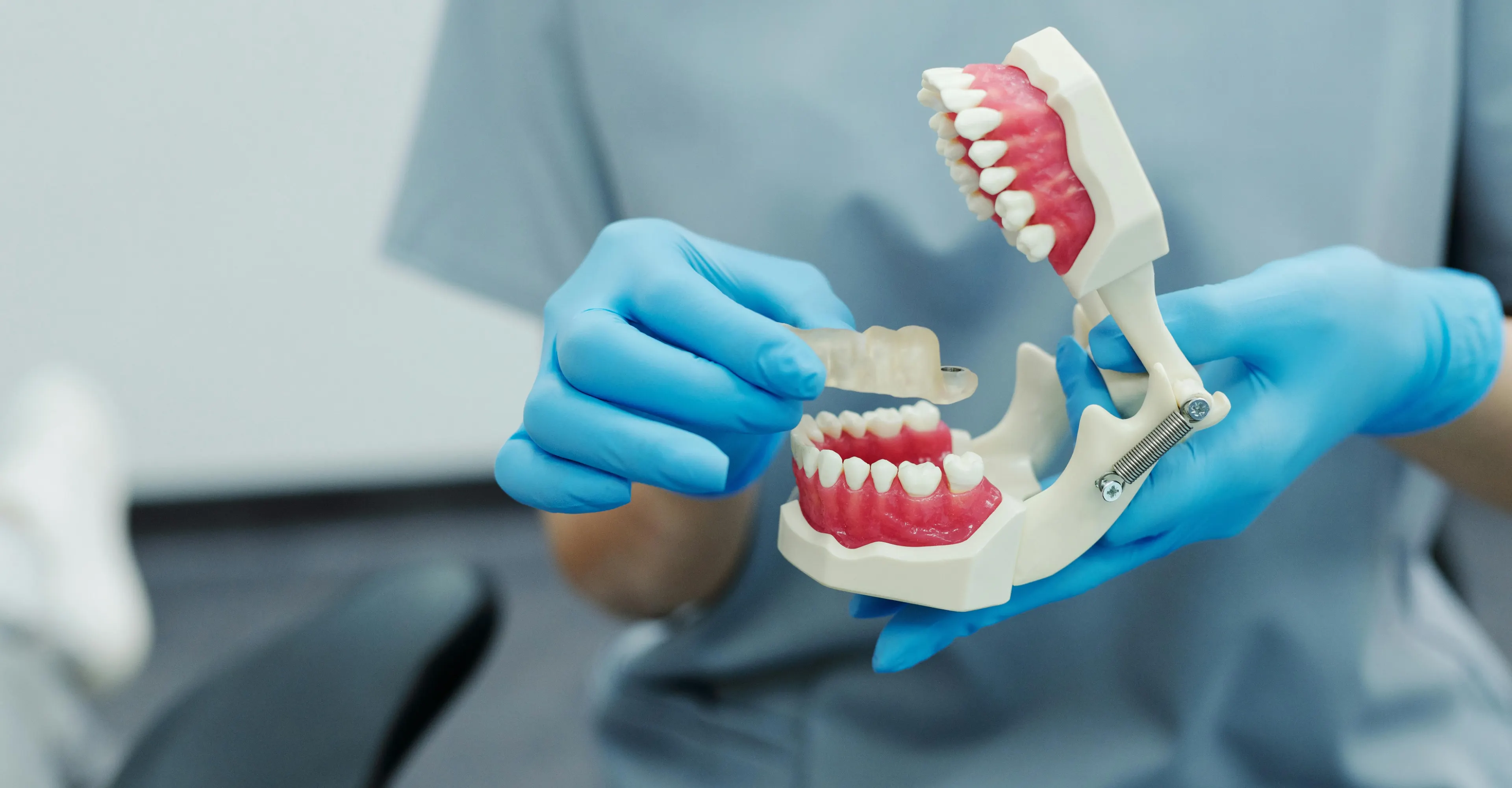
A common sleep apnea appliance is a mandibular advancement device. It gently holds the lower jaw in a forward position while you sleep. Moving the jaw forward can create more room behind the tongue and reduce the chance that the tongue or nearby tissues will collapse into the throat. Other oral appliances work primarily by helping prevent the tongue from blocking the airway. Mayo Clinic describes these mouthpieces as an option that can thrust the lower jaw forward during sleep and help keep the airway open.
The goal is not to force the jaw into an uncomfortable position. A dentist evaluates your bite, teeth, jaw joints, and oral health before designing and adjusting the appliance. The fit matters because the device must remain comfortable enough for consistent nightly use while providing the intended airway support. You can learn more about the mechanics in our guide to dental appliance therapy.
Why custom fitting matters
Over-the-counter mouthpieces may seem convenient, but they are not designed for your specific anatomy or dental needs. According to Mayo Clinic, custom-made oral appliances fitted by a dentist are often more effective and comfortable than over-the-counter options. A professional fitting also gives you a place to discuss pressure, soreness, bite changes, or other concerns instead of trying to manage them alone.
Custom treatment does not mean an appliance is right for every person with sleep apnea. It is generally considered for suitable patients with obstructive sleep apnea, based on the diagnosis, severity, anatomy, symptoms, and ability to use the device consistently. A sleep evaluation is an important first step because not every breathing disorder has the same cause. Obstructive sleep apnea involves physical airway blockage, while central sleep apnea involves problems with the brain's control of breathing.
How an appliance compares with CPAP
CPAP remains the most common treatment and the gold-standard approach for moderate-to-severe obstructive sleep apnea. It uses a steady stream of air to help keep the airway open. Some patients do well with CPAP, while others may need to discuss an oral appliance because of comfort, tolerance, or treatment preferences. The choice should be guided by a qualified clinician rather than by symptoms alone.
| Option | How it works | May suit someone who |
|---|---|---|
| CPAP machine | Delivers a steady stream of air through a mask to keep the airway open | Has moderate-to-severe obstructive sleep apnea and tolerates wearing a mask at night |
| Custom dental appliance | Holds the lower jaw forward and/or prevents the tongue from collapsing to keep the airway open | Prefers a comfortable, mask-free option and can wear a dentist-fitted device consistently |
Our comparison of mandibular advancement device vs CPAP explains how these options differ. If snoring, gasping, morning headaches, or persistent daytime fatigue raises a concern, a screening can help clarify whether further evaluation is appropriate. A gentle conversation with your dental care team is a practical next step toward finding the right support for healthier sleep.
Frequently Asked Questions
What is the most common cause of sleep apnea?
Obstructive sleep apnea most often occurs when throat muscles relax during sleep and the tongue or soft palate blocks the upper airway. A naturally narrow airway, enlarged tonsils, a larger tongue, or extra tissue around the neck can make this blockage more likely. Mayo Clinic explains the airway mechanics behind obstructive sleep apnea.
What is the difference between obstructive and central sleep apnea?
Obstructive sleep apnea involves a physical blockage in the upper airway. Central sleep apnea is different: the brain does not send the normal signals that control breathing during sleep, so the issue is not a blocked airway. A sleep professional can help determine which type may be involved and recommend appropriate testing.
What are the warning signs of sleep apnea?
Common signs include loud or persistent snoring, gasping or choking during sleep, repeated awakenings, morning dry mouth or sore throat, and excessive daytime sleepiness. These symptoms can have other causes, so a clinician may recommend a sleep study to monitor breathing, heart rate, and oxygen levels overnight. The National Heart, Lung, and Blood Institute describes diagnosis and symptoms.
Can sleep apnea improve naturally?
Some changes may reduce episodes, depending on the cause and severity. Sleeping on your side can help keep the tongue and soft palate from collapsing into the airway, and weight loss may improve symptoms for people with obesity. These steps should not replace evaluation when symptoms persist, because untreated apnea may continue to interrupt restorative sleep.
How can a dental appliance help with sleep apnea?
A custom oral appliance can hold the lower jaw forward or help prevent the tongue from collapsing into the throat, keeping the airway more open during sleep. A dentist fits the device to your mouth and coordinates care with sleep testing when appropriate. Oral appliance therapy is one treatment option for obstructive sleep apnea, while CPAP remains a common treatment for moderate-to-severe cases.
Ready to Explore Your Sleep Apnea Options?
Understanding the factors behind sleep apnea is a helpful first step toward more restful, healthier sleep. A screening can help you discuss your symptoms, possible causes, and whether dental appliance therapy may fit your needs. When you are ready, book a sleep apnea screening at Smile Makers Dental Center and take a proactive step toward personalized guidance.