





If you wear a night guard for grinding or clenching, you may wonder when it has done enough work to need replacing. The short answer is that you should replace a night guard when it is cracked, perforated, badly worn, misshapen, uncomfortable, or no longer fits securely. A guard that still looks usable can also need professional review if your bite, teeth, or symptoms have changed.
A night guard is a protective appliance, not a permanent device. How long it lasts depends on the material, the force of your clenching or grinding, how often you wear it, and how well you clean and store it. This guide explains the practical signs to watch for and when to arrange an appointment.
Quick answer: There is no universal replacement date for every night guard. Check it regularly and ask a dentist to evaluate it if you see holes, thinning, cracks, sharp edges, a distorted shape, a loose fit, new soreness, or changes in your teeth. Do not keep wearing an appliance that causes pain or has damaged edges.
Book an appointment to have your night guard checked
When should you replace a night guard?
You should replace a night guard when it can no longer protect your teeth comfortably and consistently. For some people, that may be after several years. For someone who grinds forcefully every night, it may happen much sooner. A calendar reminder can help, but the appliance itself is the better guide.
Look for these clear replacement signals:
- Visible damage: A crack, split, hole, tear, or sharp edge can make the appliance less protective and less comfortable.
- Significant thinning: Deep grooves, a paper-thin area, or a spot where your teeth nearly meet through the material suggest heavy wear.
- Loss of fit: The guard feels loose, rocks from side to side, falls out during sleep, or requires you to bite down to hold it in place.
- Shape changes: Heat, pressure, or repeated chewing can distort the guard so it no longer sits where it was designed to sit.
- New irritation: Rough edges, gum rubbing, cheek irritation, jaw fatigue, or morning soreness should not be ignored.
- Changes in your mouth: Dental treatment, a new crown, tooth movement, an extraction, or changes in your bite can make an old guard unsuitable.
A worn guard is not necessarily an emergency, but it is a reason to pause and arrange an evaluation rather than guessing. If the appliance is broken, painful, or causing a new bite problem, leave it out until a dentist tells you it is safe to use again.
What are the signs that a night guard is worn out?
Night guards often wear gradually, so compare the appliance with how it looked when it was new. Hold it under good light and inspect both the biting surface and the sides. If you use a case, keep it with the appliance so you can compare its shape over time.
Holes, splits, or exposed edges
A small mark can be normal, but a hole that goes through the guard, a split that is spreading, or a sharp edge that catches on your tongue is a strong replacement signal. Damage can also trap debris and make the appliance harder to clean. Do not trim a damaged guard at home because an uneven edge may change the fit.
Deep tooth marks and thinning
Some tooth impressions are expected, especially on a soft material. The concern is a deep channel, a thin spot, or a visible area where your upper and lower teeth are close to touching. These changes may show that the force placed on the guard is exceeding what the material can comfortably handle.
A loose or distorted fit
A properly fitted appliance should feel secure without being painful. If the guard slips out, rocks, catches on one tooth, or feels different from one night to the next, do not force it into place. A loose guard may provide inconsistent coverage and can be difficult to keep clean.
New discomfort after wearing it
Call a dental office for advice if you develop new jaw soreness, tooth sensitivity, gum irritation, headaches, or a bite that feels different after removing the guard. These symptoms can have multiple causes, and a night guard may not be the only factor. A professional assessment is more useful than trying to reshape the appliance yourself.
For background on clenching and grinding, see the Smile Makers guide to mouthguards for jaw clenching. That article covers how a guard can protect teeth, while this guide focuses on whether an existing appliance is ready for replacement.
How long do night guards usually last?
Night guard lifespan varies widely. A thin over-the-counter appliance may wear quickly for a person who clenches heavily. A professionally made appliance may last longer, but it still needs periodic inspection. Material, design, bite force, nightly use, cleaning habits, and changes in your teeth all matter.
Rather than relying on a promise that a guard will last a specific number of months or years, use a simple routine:
- Inspect it when you clean it. Look for cracks, holes, rough edges, discoloration that does not rinse away, and thinning.
- Notice how it feels. A new pressure point, loose fit, or changed bite deserves attention.
- Bring it to routine visits. A dentist can inspect the appliance and your teeth together, which gives better context than looking at the guard alone.
- Recheck it after dental treatment. A restoration, orthodontic change, extraction, or other procedure may affect fit.
The right replacement interval is therefore individual. The goal is not to replace a usable guard early or stretch a damaged one too long. It is to keep the appliance protective, comfortable, and compatible with your current mouth.
What can make a night guard wear out faster?
Grinding and clenching place repeated force on the material. If your stress, sleep, medications, bite, or dental health changes, your pattern of clenching may change too. The National Institute of Dental and Craniofacial Research explains that bruxism can occur during sleep or while awake and may contribute to tooth and jaw problems. A guard can protect tooth surfaces, but it does not automatically remove the reason a person clenches.
Common factors that may shorten an appliance’s useful life include:
- Wearing it every night while grinding forcefully.
- Chewing on it or using it outside its intended purpose.
- Cleaning it with very hot water, which can distort some materials.
- Using abrasive toothpaste or harsh household cleaners that scratch the surface.
- Leaving it loose in a bag, where it can bend or collect debris.
- Storing it while damp, which can contribute to odor and buildup.
- Continuing to use it after a crown, filling, extraction, orthodontic change, or other dental treatment.
Rinse the guard with cool or lukewarm water, clean it according to your dentist’s instructions, allow it to dry, and store it in a ventilated case. Keep pets away from the case because many animals will chew dental appliances. If the appliance develops a persistent odor or film despite appropriate cleaning, bring it to a dental visit for advice.
Should you replace the guard or schedule an evaluation first?
Replacement is not always the only question. A guard can wear because the underlying grinding pattern is intense, because the design is not a good match, or because the fit has changed. The following guide can help you decide what to do next.
| What you notice | Reasonable next step | Why it matters |
|---|---|---|
| Light surface marks, secure fit, no discomfort | Keep cleaning it and bring it to your next routine visit | Minor wear may be monitored when the appliance remains comfortable and intact |
| Deep grooves, thinning, or a small crack | Arrange a dental evaluation before continued regular use | The guard may be nearing the end of its protective life |
| Loose, distorted, or painful appliance | Stop using it and contact a dental office | A poor fit can irritate tissues or fail to protect consistently |
| Recent crown, filling, extraction, or bite change | Have the fit checked before wearing it again | The old shape may not match your current teeth |
| Persistent jaw pain, tooth sensitivity, or morning headaches | Schedule an assessment rather than simply ordering a new guard | Symptoms may need a broader evaluation and appliance plan |
A replacement guard should fit the current shape of your teeth and support the treatment goal. A dentist may recommend a different material or design when your needs have changed. For patients comparing appliances for jaw discomfort, the TMJ mouth guard versus splint guide explains why these devices are not interchangeable for every person.
How does a dentist check whether a night guard needs replacing?
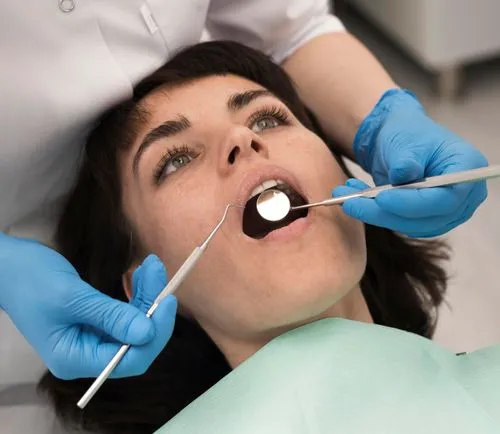
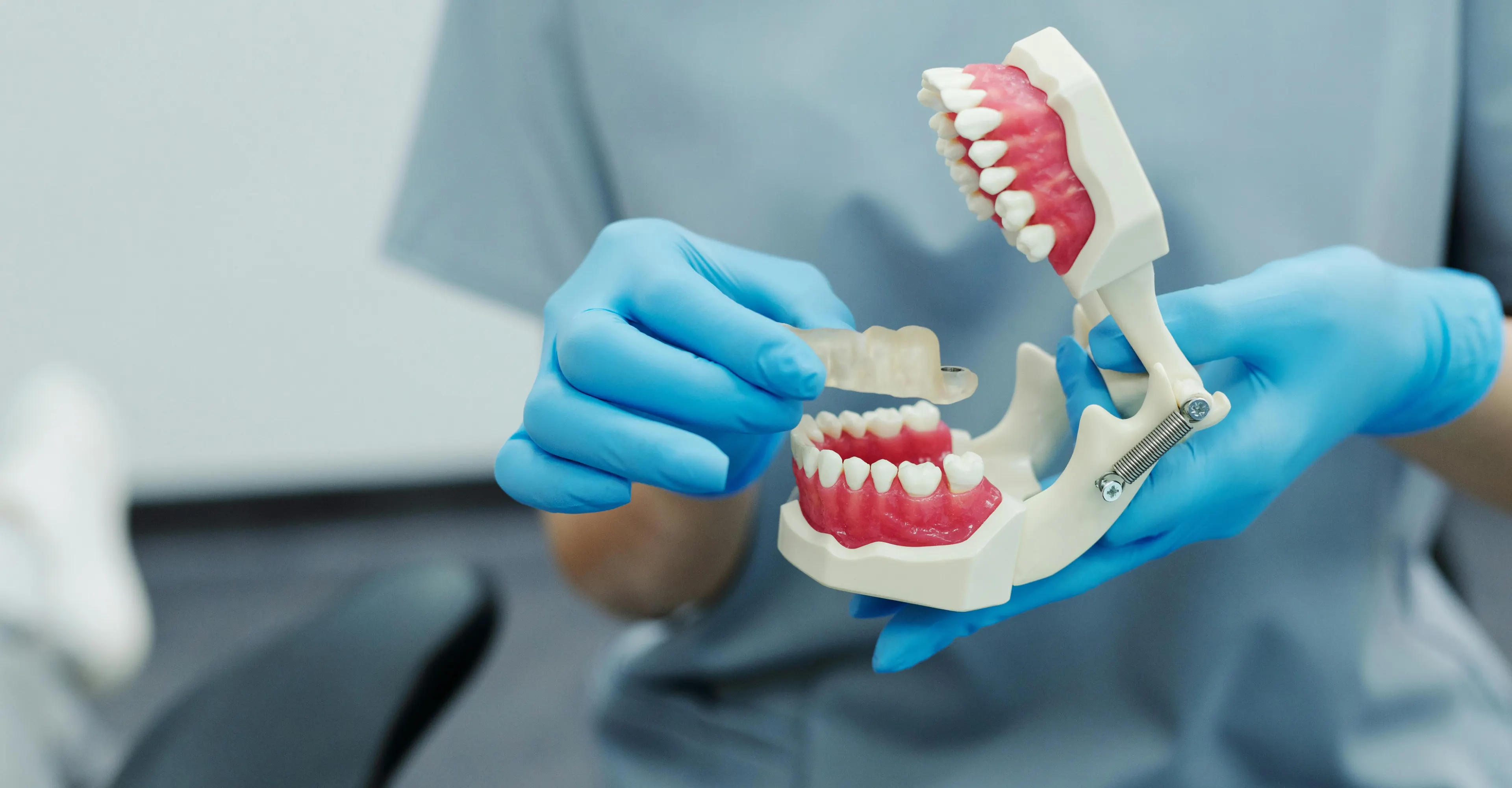
At an appointment, the dentist can inspect the guard for cracks, wear patterns, distortion, odor, and areas that may rub the gums or cheeks. They can also look at the appliance’s contact points and compare those marks with the condition of your teeth, gums, jaw muscles, and bite.
Be ready to share:
- How often you wear the guard and how long you have had it.
- Whether you wake up with it in place or find it outside your mouth.
- Any new jaw soreness, tooth sensitivity, headaches, gum irritation, or bite changes.
- Recent dental work or changes in medications, sleep, stress, or daytime clenching.
- How you clean and store the appliance.
The goal is not simply to sell another appliance. It is to understand whether the current guard is protecting your teeth, whether it fits your mouth now, and whether another evaluation or treatment conversation is appropriate. NIDCR’s TMD information also emphasizes that jaw symptoms can have different causes, which is why persistent discomfort deserves individualized care.
Schedule a Smile Makers evaluation for a worn or uncomfortable night guard
How should you care for a replacement night guard?
Good care can help a replacement appliance remain comfortable and easier to inspect. Follow the instructions supplied for your specific material, and ask the dental office if you are unsure about a cleaning product.
- Rinse the guard with cool or lukewarm water when you remove it.
- Use a soft toothbrush and the cleaning method recommended for that appliance.
- Let it dry before placing it in a ventilated, protective case.
- Keep it away from hot water, direct heat, and direct sunlight.
- Do not share it with anyone else.
- Inspect it weekly for changes in fit, cracks, holes, roughness, or buildup.
- Bring it to appointments instead of leaving it at home when you want a fit check.
Do not make major adjustments with scissors, a knife, hot water, or a heat source. Small changes can affect how the appliance contacts your teeth. If you think the guard is uncomfortable, have it evaluated instead.
Night guards, TMJ concerns, and sleep apnea are not the same question
People often use “night guard” as a broad term, but different appliances may serve different purposes. A device intended to protect teeth from grinding is not automatically the same as an oral appliance designed for sleep-related breathing concerns. If you are exploring care for sleep apnea, read the Smile Makers explanation of how sleep apnea mouth guards work and discuss the appropriate evaluation with a qualified clinician.
Likewise, jaw pain, clicking, limited movement, or facial discomfort should not be managed by repeatedly replacing guards without an assessment. The Smile Makers TMJ and sleep-apnea care page is the current specialty path for this topic. It replaces the older dental-service path referenced in some planning materials, which is no longer the live URL.
For additional education, you can review TMJ exercises, what TMJ means, and how TMJ symptoms may change over time. These resources are not a substitute for an exam, especially when symptoms are new, worsening, or affecting eating and sleep.
Frequently asked questions
Can I keep wearing a night guard with small scratches?
Light surface scratches do not always mean the guard needs immediate replacement. Check whether the fit remains secure and whether there are deep grooves, holes, sharp edges, or discomfort. Bring it to a dentist if you are unsure, because the significance of a mark depends on its location and depth.
How often should I check my night guard?
Look at it each time you clean it and perform a closer inspection at least weekly. Also check it after illness, travel, dental treatment, or any change in how your bite feels. Regular checks make gradual thinning easier to notice.
Can a night guard stop teeth grinding?
A night guard may help shield teeth from some effects of clenching or grinding, but it does not necessarily stop the behavior or address every contributing factor. The NHS overview of teeth grinding notes that persistent grinding can be associated with dental and jaw symptoms. A dentist can help determine what evaluation is appropriate for your situation.
What if my replacement guard feels tighter than the old one?
A new appliance may feel different, but it should not cause significant pain, prevent you from closing comfortably, or change your bite in a concerning way. Contact the dental office that made it if the fit feels wrong. Do not heat or reshape it yourself unless the manufacturer’s instructions and your dentist specifically say to do so.
Should I replace a night guard after a crown or filling?
Have the fit checked after dental work. A restoration can change the shape or contact of a tooth, so the old appliance may not seat correctly. Your dentist can tell you whether it can be adjusted, replaced, or used safely.
Can I buy the same type of night guard online?
It is possible to buy many types of guards, but the same label does not guarantee the same fit or purpose. If your current guard is damaged, uncomfortable, or associated with symptoms, an evaluation can help identify the safest next step instead of repeating the same problem.
Request a night guard fit and replacement consultation
Bottom line: Replace a night guard when it is damaged, worn thin, distorted, loose, uncomfortable, or no longer matches your mouth. If you have new symptoms or recent dental work, schedule an evaluation before choosing a replacement. A comfortable, well-fitting appliance should support your care plan, not create a new problem.
Sources