





Gum swelling around one tooth can make eating or brushing uncomfortable. If you are looking for gum disease treatment tysons va, start with the cause rather than assuming the swelling means gum disease: irritation, trapped food, a tooth problem, and gum infection can look similar. A dental exam helps identify what is happening and which next step fits your symptoms.
What can cause swelling around one tooth?
Gums can become puffy, tender, red, or prone to bleeding for several reasons. Plaque left along the gumline may irritate the tissue. When inflammation is limited to the gums, it may be gingivitis. If gum disease affects the supporting tissues around teeth, it may be periodontitis. A dentist can assess the tissue and determine whether gum disease is present and how advanced it is.
Swelling in one small area is not automatically gum disease. Food caught between teeth, a rough edge on a filling, a recent bump, or irritation from brushing can affect one spot. A cavity or infection near a tooth root may also cause discomfort or swelling that seems to come from the gum. Since those problems need different care, appearance alone cannot reliably identify the source.
Notice the pattern and any changes around it. Did the swelling begin after a meal, a dental procedure, or a change in your brushing routine? Is the area sore only when you floss, or does it hurt without touching it? Does it bleed, have a pimple-like bump, or produce a bad taste? Is the tooth sensitive to temperature or pressure? These observations give the dentist useful context, but they are not a substitute for an examination.
If you are considering dental care at the Tysons office, note where the swelling is and when it began before you book. Smile Makers also describes its dental services and periodontal care. The dentist will consider your symptoms and examination findings together, not rely on one sign by itself.
A short-lived sore spot after food gets caught may settle once the irritant is removed. Swelling that keeps returning, gets larger, or comes with pain, drainage, or a change in the tooth deserves attention. Do not wait for a routine cleaning if the symptoms are worsening. When in doubt, call a dental office and describe what you are experiencing so the team can advise you about timing.
Which symptoms should you pay attention to?
Gum disease may develop gradually, and early changes can be easy to overlook. Tender, swollen, or red gums; bleeding during brushing or flossing; persistent bad breath; and gums that seem to pull away from teeth are reasons to ask a dental professional for guidance. These signs do not confirm a diagnosis on their own. A dental exam can check the gumline and supporting structures and help distinguish gum disease from other causes.
It may help to separate ordinary discomfort from signs that should change your next step. The guide below is not a diagnostic tool; symptoms overlap, and a clinician needs to assess the individual situation.
| What you notice | Possible explanation | Practical next step |
|---|---|---|
| General puffiness or bleeding along several areas of the gumline | Gum irritation, including possible gingivitis | Arrange an evaluation and continue gentle daily cleaning. |
| A tender spot around one tooth after eating | Food or another irritant may be caught, though other causes are possible | Rinse and floss carefully; book an exam if it persists or returns. |
| A bump, drainage, worsening pain, or a bad taste | A tooth or gum infection may need prompt assessment | Contact a dental office promptly for advice and evaluation. |
| Facial swelling, fever, or trouble swallowing or breathing | A potentially serious infection or another urgent problem | Seek urgent medical attention, especially for breathing or swallowing difficulty. |
Do not squeeze a gum bump, put aspirin directly on the tissue, or try to drain swelling at home. These steps can injure the gum and do not address the cause. If pain is severe, swelling is spreading, or you feel unwell, contact a dental professional promptly. Trouble breathing or swallowing calls for emergency medical care.
For general patient education about oral health, the American Dental Association provides information and resources. For your own symptoms, a dentist who can examine you is the right person to interpret what the signs mean.
How does a dentist find the cause?
The visit usually begins with a conversation. Tell the dental team when you first noticed the swelling, whether it is getting better or worse, and whether you have pain, bleeding, a bad taste, or sensitivity. Mention recent dental work, an injury, a new oral-care product, or anything that seems to trigger the discomfort. Bring a list of medicines and relevant health conditions, too.
It is useful to be specific without trying to diagnose yourself. For example, you might say, “The gum between these two teeth became sore yesterday after lunch, and it bleeds when I brush.” If the area has changed over a few days, describe that sequence. You can also mention whether chewing feels different or whether the tooth reacts to cold. Those details help the clinician decide what to examine first.
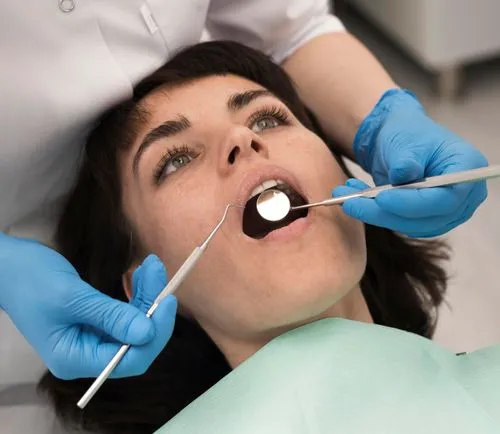
The dentist will look at the gum tissue and nearby teeth. Depending on what they find, they may check how the gums fit around the teeth, look for plaque or tartar, and assess the tooth itself. Dental X-rays may be recommended when the clinician needs to evaluate structures that cannot be seen during a visual exam. The tests chosen depend on the symptoms and examination; not every patient needs every test.
A useful evaluation answers more than “Is this gum disease?” It should clarify whether the problem is limited to the gum tissue or may involve the tooth or deeper supporting structures, what care is appropriate now, and what signs should lead you to follow up. Ask the dentist to explain the findings in plain language and what to expect after treatment. If you feel anxious, share that before the exam; the team can explain each step and pause for questions. You can also read about ways to feel more comfortable during dental care.
Smile Makers serves Northern Virginia through multiple offices. Review the office locations and the dental team before choosing where to book. If you are unsure which appointment type to select, the patient information page can help you get oriented.
What might gum disease treatment involve?
Treatment depends on the diagnosis. If the issue is mild gum irritation, the dentist may focus on improving plaque removal at home and removing deposits that brushing cannot clear. Gingivitis can often improve when the source of irritation is addressed and the patient follows a consistent cleaning routine, but your dentist should confirm what is appropriate in your case.
When periodontitis is present, care may involve a deeper cleaning below the gumline, often called scaling and root planing. This removes plaque and tartar from areas regular brushing cannot reach and smooths root surfaces where indicated. The dentist may recommend follow-up visits to check the tissue response and decide whether additional periodontal care is needed. The plan depends on the extent of disease and the patient's needs.
If swelling comes from a tooth problem, treatment may instead focus on that tooth. A dentist may discuss options such as a filling, root canal treatment, or another procedure based on the examination. If infection is suspected, the clinician determines what treatment is needed; antibiotics are not a substitute for addressing the source, and whether medicine is appropriate depends on the individual situation.
After treatment, regular professional cleanings and home care help maintain the result. Your dentist may suggest a follow-up interval based on your gum health rather than a one-size-fits-all schedule. Smile Makers explains its dental technology, which can support evaluation and planning when clinically appropriate. You can also learn about common causes of bad breath, while remembering that persistent symptoms deserve an individual assessment.
It is reasonable to ask what each recommended step is intended to address. For example, if the dentist recommends cleaning below the gumline, ask which areas need it and how the team will assess the response. If the swelling seems tied to one tooth, ask how the tooth will be checked and whether any further evaluation is needed. Understanding the purpose of a recommendation can make the plan feel less uncertain and help you know what to expect at home.
If you need to make an appointment, use the online booking page. For a visit in Tysons, the Tysons office information can help you confirm the location and plan your visit.
What can you do at home while you wait?
Keep the area clean, but be gentle. Brush with a soft-bristled toothbrush using light pressure, and clean between the teeth carefully. If flossing causes bleeding, do not dig or snap the floss into the gum. A warm salt-water rinse may feel soothing for some people, but it does not treat the underlying cause. Avoid harsh substances or home remedies that could burn or irritate the tissue.
Choose foods that are comfortable to chew and avoid anything that seems to aggravate the spot. If a piece of food is caught, rinse and floss gently rather than using a sharp object. Do not stop brushing around the swollen area altogether, since plaque buildup can add to irritation. If a step causes sharp pain or bleeding that concerns you, stop and ask the dental team what to do.
Keep track of how the area changes. Note when symptoms began, whether swelling is spreading, and any accompanying fever, drainage, tooth sensitivity, or facial swelling. This information can make the appointment more focused. If symptoms worsen before your scheduled visit, call the office to ask whether you should be seen sooner. If breathing or swallowing becomes difficult, seek emergency medical care rather than waiting for a dental appointment.
Good daily habits support gum health: brush twice a day with fluoride toothpaste, clean between teeth every day as you are able, and keep recommended dental visits. If floss is difficult to use, ask about other cleaning tools that may fit your mouth and dexterity. Consistency is more useful than aggressive scrubbing or trying several unverified remedies. If you have not had a cleaning in a while, you can read about how dental cleaning frequency is determined and discuss an interval that fits your oral health.
For a calmer appointment, write down your top questions before you arrive. You might ask what is causing the swelling, whether the nearby tooth needs treatment, what home-care changes are useful, and when to call if symptoms change. Bring the list even if it seems simple; it is easy to forget questions when you are uncomfortable. If you already have a scheduled visit and the symptoms change, let the office know rather than assuming the original timing is still right.
Patients who are nervous about a procedure can review Smile Makers' information about comfortable visit options and discuss concerns with the dental team. Comfort questions are part of planning care, not a reason to delay describing symptoms.
Frequently Asked Questions
Can gum swelling around one tooth go away by itself?
Sometimes minor irritation settles when the trigger is removed, but swelling can also signal a problem that needs professional care. If it persists, returns, worsens, or comes with pain, a bump, drainage, or a bad taste, contact a dental office for an evaluation.
Does bleeding when I brush mean I have gum disease?
Bleeding can occur with gum inflammation, but it does not prove the cause or severity. Brushing too hard or local irritation can also contribute. Keep cleaning gently and arrange an exam if bleeding continues or occurs with swelling, tenderness, or other changes.
Is a swollen gum bump always an abscess?
No. A bump can have different causes, and only an examination can determine what is happening. Do not squeeze or puncture it. Seek prompt dental advice, especially if there is worsening pain, drainage, fever, or swelling in the face.
When should I seek urgent help?
Contact a dental professional promptly for severe or worsening pain, spreading swelling, fever, or a suspected infection. Difficulty breathing or swallowing, or rapidly increasing facial or neck swelling, requires emergency medical attention.
Take the next step for persistent swelling
Swollen gums are a reason to pay attention, not a reason to panic. An evaluation can help identify the cause and guide care that fits your symptoms and oral health, so contact a dental office if the area persists, returns, or worsens.