


The tension from clenching your jaw doesn’t just stay in your mouth. It can radiate outward, causing persistent tension headaches, neck aches, and facial soreness. This is because the muscles in your jaw are overworked, creating a chain reaction of strain. While protecting your teeth from wear and tear is critical, a good mouthguard for jaw clenching does more than that. By creating a small space between your teeth, it allows your overworked jaw muscles to relax. This simple change can significantly reduce the muscle fatigue that contributes to painful headaches, helping you wake up feeling more comfortable and refreshed.
Key Takeaways
- A mouthguard does more than protect teeth: It provides comprehensive support for your entire jaw system by absorbing pressure, which helps relieve jaw soreness and tension headaches.
- A custom fit is essential for effective relief: While store-bought options are tempting, a professionally made guard offers the comfort and precise protection needed to prevent long-term damage and ensure you actually wear it.
- Listen to your body's warning signs: Persistent jaw pain, morning headaches, or visible tooth wear are clear indicators that it is time to consult a dentist for a professional evaluation and a solution that truly works.
What Is a Mouthguard for Jaw Clenching?
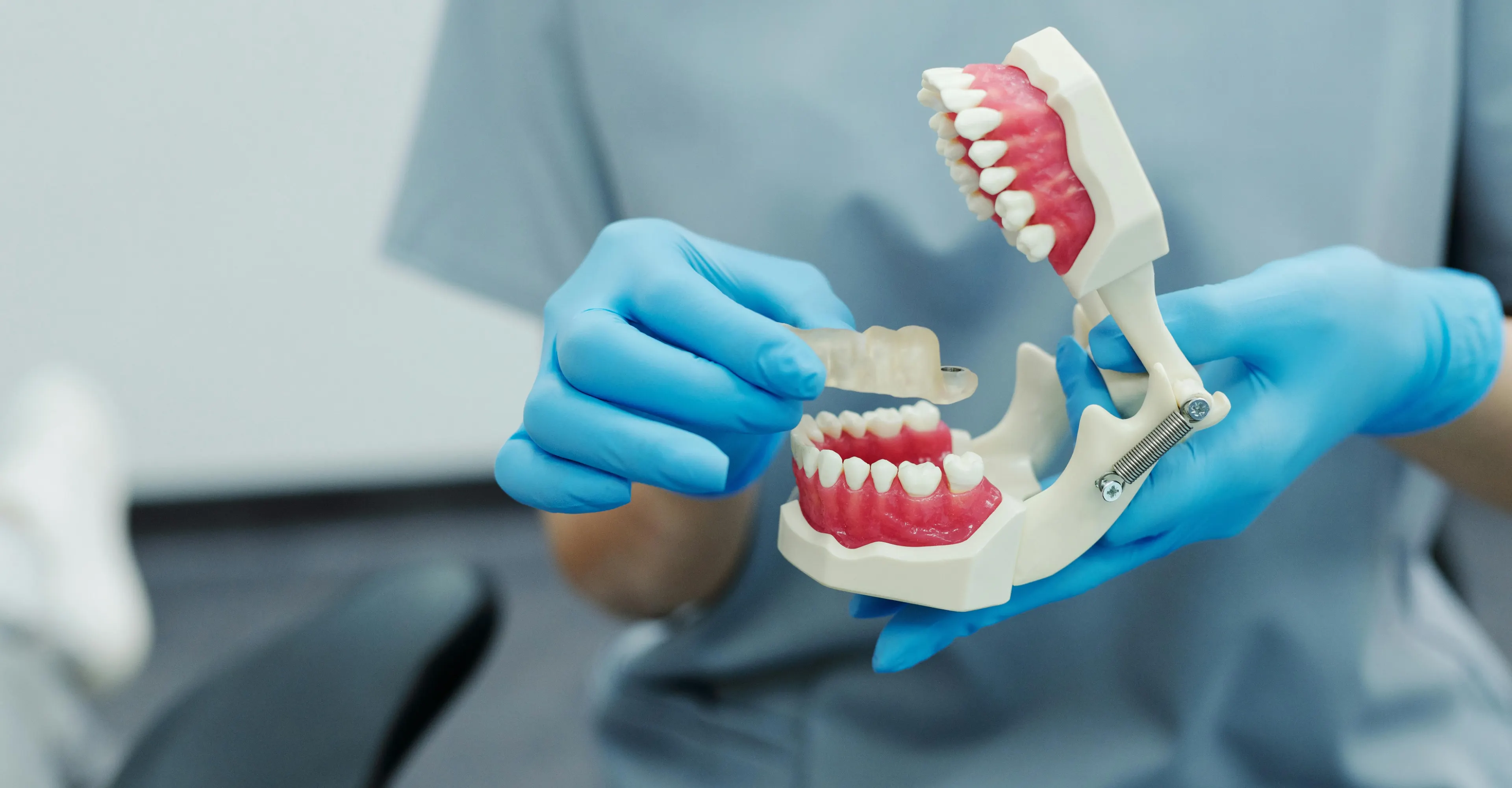
If you often wake up with a sore jaw or a dull headache, you might be clenching your teeth at night without even realizing it. A mouthguard for jaw clenching, also known as a bruxism guard, is a simple yet powerful tool designed to protect your oral health. Think of it as a custom-fit cushion that sits between your upper and lower teeth, creating a physical barrier. This barrier absorbs the immense pressure you exert when you clench or grind, which can prevent a whole host of problems like worn-down enamel, chipped or cracked teeth, and persistent jaw pain.
This device is a game-changer for anyone dealing with bruxism, the medical term for involuntary teeth grinding and jaw clenching that often happens during sleep. Because you can’t consciously stop it, a mouthguard acts as your smile’s nighttime protector. It takes the hit so your teeth don’t have to. At Smile Makers Dental Center, we offer a range of specialized treatments to address the root causes and symptoms of jaw clenching, ensuring you get the relief you need.
The Hidden Damage of Grinding Your Teeth
You might not think grinding your teeth is a big deal, but the damage can add up over time. The force from clenching can be up to six times stronger than the pressure you use for normal chewing. That’s a lot of strain on your jaw joint and the surrounding muscles. This constant pressure is what leads to sore jaws, tension headaches, and visible damage to your teeth. Without a protective barrier, you risk wearing down your enamel, cracking teeth, and developing more serious issues. It’s a hidden habit that can have very real consequences for your comfort and your smile.
How a Mouthguard Protects Your Smile
A mouthguard plays a crucial role in protecting your smile by preventing your upper and lower teeth from making direct contact. This simple separation does two important things: it reduces muscle tension in your jaw and it physically shields your teeth from the destructive forces of grinding. By wearing one, you’re not just preventing future damage; you’re also actively alleviating the discomfort you feel now. For many people, a mouthguard can also help relieve symptoms associated with temporomandibular joint (TMJ) disorders, providing a straightforward path to feeling better.
Key Benefits of a Mouthguard for Clenching
If you wake up with a sore jaw or a dull headache, you might be clenching your teeth at night without even realizing it. This habit, known as bruxism, can do more than just disrupt your sleep; it can cause significant issues for your teeth and jaw over time. A mouthguard for clenching is a simple yet effective tool that provides a protective barrier. By wearing one, you can absorb the pressure from grinding, prevent long-term damage, and finally get some relief. Let's look at the key benefits a mouthguard can offer.
Prevent Damage to Your Teeth
One of the most important jobs of a mouthguard is to protect your teeth from the intense force of clenching and grinding. This constant pressure can wear down your enamel, leading to sensitivity, and can even cause your teeth to chip, fracture, or become loose. A mouthguard acts as a cushion, separating your upper and lower teeth so they can’t grind against each other. This simple barrier prevents costly and painful damage, preserving your natural smile. If you're already experiencing issues from grinding, our restorative dentistry services can help repair your smile.
Relieve Jaw Pain and Tension
Jaw clenching puts your facial muscles and jaw joint (the TMJ) under constant strain, which often leads to soreness, fatigue, and clicking or popping sounds. A mouthguard helps by creating a small space between your teeth, allowing your jaw muscles to relax. By reducing this muscle tension, the guard can significantly decrease the jaw pain you feel throughout the day. Many people find that wearing a mouthguard at night helps them wake up feeling more comfortable and without the tell-tale soreness that comes from a night of clenching. This can be a key part of managing TMJ disorders.
Reduce Clenching-Related Headaches
Do you frequently wake up with a headache? The tension from grinding your teeth doesn't just stay in your jaw. It can radiate outward, leading to persistent tension headaches and even migraines. When your jaw muscles are overworked all night, it creates a chain reaction of tension in your head and neck. A mouthguard helps break this cycle. By easing the strain on your jaw, it reduces the muscle tension that contributes to these painful headaches. A properly fitted guard is crucial, as a poor fit can sometimes make headaches worse.
Support Long-Term Jaw Health
Chronic clenching doesn't just cause temporary pain; it can lead to long-term damage to your jaw joint. Over time, the constant pressure can contribute to arthritis in the joint and other serious TMJ disorders. Using a mouthguard is a proactive step toward protecting your jaw for the future. A custom-fit guard made by a dentist is especially effective because it’s designed for your unique bite. It provides superior protection and comfort, making it a worthwhile investment in your long-term oral health. If you're ready to protect your smile, you can book an appointment with us today.
What Are the Different Types of Mouthguards?
When you start looking for a mouthguard, you’ll quickly find there isn’t a one-size-fits-all solution. The right guard for you depends on how severely you clench, your comfort preferences, and your overall dental health. Understanding the main types can help you have a more informed conversation with your dentist about what you need. From soft, flexible options to firm, custom-fitted splints, each type is designed to address jaw clenching in a specific way.
Soft Mouthguards
You’ve probably seen soft mouthguards at your local pharmacy. Made from a flexible, rubber-like material, they are designed to provide a simple cushion between your upper and lower teeth. While they can offer some protection from the pressure of grinding, they aren't always the best solution for chronic clenching. For some people, the soft, chewy texture can actually encourage more jaw activity, almost like chewing gum in your sleep. This can sometimes make jaw tension worse instead of better. If you only clench lightly or infrequently, a soft guard might be a decent starting point, but it’s important to monitor your symptoms.
Hard Acrylic Mouthguards
If you’re a serious clencher, a hard acrylic mouthguard is often the most effective choice. These guards are made from a firm, durable plastic and are custom-made by a dentist to fit your mouth perfectly. Unlike a soft guard that just cushions, a hard guard creates a rigid barrier that helps distribute pressure evenly across your jaw. This can help your jaw muscles relax and find a more balanced position, reducing strain and preventing tooth damage. Because they are custom-fitted, they provide superior support and are one of the most common dental services recommended for managing bruxism.
Dual-Laminate Mouthguards
A dual-laminate mouthguard offers a middle ground between soft and hard guards. It combines the best of both worlds with a hard outer layer for durability and a soft inner layer for comfort. The firm exterior stands up to the force of heavy clenching and grinding, while the soft lining rests comfortably against your teeth and gums. This hybrid design can be a great option if you find hard acrylic guards uncomfortable but need more support than a soft guard can provide. It’s a durable yet comfortable solution that protects your teeth effectively.
Stabilization Splints
For those dealing with more complex issues like TMJ disorders, a stabilization splint may be the answer. These are highly specialized, custom-fitted devices designed not just to protect your teeth but also to help your jaw joint function correctly. A stabilization splint prevents the harmful forces from grinding and encourages your jaw muscles to relax into a healthier, more stable position. By doing so, it can significantly reduce jaw pain, headaches, and other symptoms associated with TMJ problems. Our team offers several specialized treatments, including solutions for TMJ, to help restore your comfort and function.
Over-the-Counter vs. Custom-Fit: Which Mouthguard Is Right for You?
When you’re looking for relief from jaw clenching, you’ll find two main options: over-the-counter guards from a drugstore and custom-fit guards from a dentist. It can be tempting to grab the quickest, cheapest option, but it’s important to understand the differences. The right choice depends on your specific needs, but a poorly fitting guard can sometimes do more harm than good. Let's break down the pros and cons of each so you can make an informed decision for your smile and your jaw.
Store-Bought Guards: The Pros and Cons
You’ve probably seen over-the-counter mouthguards at your local pharmacy. They’re affordable and accessible, which makes them a tempting first step. Most are "boil-and-bite," meaning you soften them in hot water and then bite down to create an impression of your teeth. While this is better than nothing, the fit is often bulky and imprecise. This can lead to discomfort that makes it hard to sleep. An ill-fitting guard may not provide even protection and, in some cases, can even encourage more clenching or cause your bite to shift over time. They also tend to wear out much faster than their custom-made counterparts.
Custom-Fit Guards: The Pros and Cons
A custom-fit mouthguard is made by a dental professional based on a precise mold of your teeth. This process ensures the guard fits perfectly, offering superior comfort and protection. Because it’s tailored to your unique bite, it stays in place and feels much less bulky, so you’re more likely to wear it consistently. These guards are crafted from high-quality, durable materials that can withstand heavy grinding for years. The main drawback is the higher initial cost and the need for a dental visit. However, think of it as a long-term investment in your health. A custom guard is one of the key restorative dentistry tools for preventing future damage.
A Head-to-Head Comparison: Comfort, Fit, and Price
When you put them side-by-side, the biggest difference is the quality of the fit. A custom guard snaps securely onto your teeth, while a store-bought one can feel loose and awkward. This superior fit makes the custom option far more comfortable and effective at protecting your teeth from wear and tear. Of course, price is a major factor. Over-the-counter guards are inexpensive, while a professionally made one is a bigger financial commitment. But when you consider that a custom guard can prevent costly dental work like crowns or implants down the road, the value becomes clear. Plus, many dental practices offer ways to make care more affordable. Our Loyalty Discount Plan, for example, can help make essential treatments fit more easily into your budget.
How to Choose the Right Mouthguard
Finding the perfect mouthguard can feel like a bit of a puzzle, but it’s one of the best things you can do for your teeth and jaw. The right guard can make a world of difference in your comfort and long-term oral health. When you’re ready to choose one, it’s not just about grabbing the first option you see. You’ll want to think about how it fits, what it’s made of, and your specific clenching habits. Let’s walk through the key factors to help you make a choice that will protect your smile for years to come.
Consider the Fit and Material
The most important factor in a mouthguard is how it fits. A guard that doesn't fit properly can be uncomfortable and might even create new problems like jaw pain or breathing issues. While over-the-counter options exist, a custom-made mouthguard from your dentist is the gold standard. These are created from a precise mold of your teeth, ensuring a perfect fit that’s more comfortable and provides far better protection. Because they are designed just for you, they tend to last longer and are much more effective, especially if you clench or grind your teeth heavily. A snug, comfortable fit means you’re more likely to wear it consistently, which is the key to preventing damage.
Factor in Your Clenching Severity
The intensity of your clenching or grinding plays a big role in what type of mouthguard you need. Soft guards can provide a good cushion between your teeth, but for some people, the soft material can actually encourage them to clench more. On the other hand, hard acrylic guards are often better for more serious clenching because they offer firm support and are more durable. For anyone dealing with severe bruxism, a custom-made hard mouthguard is usually the best choice for long-term protection. A dentist can help you figure out the severity of your clenching and recommend the material that will give you the most relief and protection.
Decide Between Day vs. Night Use
Most people grind or clench their teeth at night without even realizing it, which is why night guards are so common. These types of mouthguards are designed specifically to protect your teeth from damage while you sleep. However, some people also clench their jaw during the day, often due to stress or concentration. If you have issues with TMJ, a custom-fitted stabilization splint can help reposition your jaw and relieve pain, but it’s critical that it fits perfectly. Whether you need a guard for daytime, nighttime, or both, getting a professional evaluation will ensure you get the right solution for your specific needs.
Think About Cleaning and Maintenance
Once you have your mouthguard, taking good care of it is essential. Proper maintenance keeps it clean, effective, and helps it last longer. You should get into the habit of cleaning your mouthguard every day with a toothbrush and cool water. Avoid using hot water, as it can warp the material and ruin the custom fit. When you’re not wearing it, store your guard in a protective case that has air holes to allow it to dry out and prevent bacteria from growing. And remember, mouthguards don’t last forever. If you notice any signs of wear and tear, it’s time to book an appointment for a replacement.
Common Mouthguard Myths, Debunked
When it comes to mouthguards, there's a lot of information floating around, and not all of it is accurate. Believing these common myths can lead you to choose a guard that’s uncomfortable or, worse, ineffective. Let's clear up some of the biggest misconceptions so you can make a choice that truly protects your smile and relieves your jaw pain. Getting the facts straight is the first step toward finding real relief.
Myth: Softer Is Always Better
It seems logical that a softer, more flexible mouthguard would be the most comfortable option. While they do provide a cushion for your teeth, that softness can sometimes backfire. For many people who clench their jaw, a squishy guard can actually encourage the jaw muscles to bite down even harder, almost like a piece of gum. This can make your jaw tension and pain worse, not better. A soft guard might feel nice at first, but it may not give you the firm, stable support you need to stop the cycle of clenching and grinding.
Myth: Store-Bought Guards Are Just as Good
We all love finding a good deal, so the low price of an over-the-counter mouthguard can be tempting. These "boil-and-bite" guards promise a custom-like fit at a fraction of the cost. The problem is, they rarely fit as well as they claim. An ill-fitting guard can be bulky and uncomfortable, making it difficult to wear consistently. More importantly, a poor fit can sometimes shift your teeth or worsen your jaw pain over time. When it comes to your health, a custom-fitted device from your dentist is an investment that pays off in comfort and effectiveness.
Myth: Mouthguards Only Protect Your Teeth
While protecting your teeth from wear and tear is a huge benefit, it’s not the only job a mouthguard has. These devices are essential tools for managing the entire system of your jaw. A properly fitted mouthguard helps alleviate pressure on your jaw joints (TMJ), which can reduce tension headaches and facial pain. By creating a barrier, they help your jaw muscles relax, addressing the root cause of clenching and grinding, a condition known as bruxism. Think of it less as just a tooth shield and more as a comprehensive tool for your jaw's health.
When to See a Dentist About Jaw Clenching
Deciding to try a mouthguard is a great first step, but sometimes a store-bought solution isn't enough to address the root of the problem. Jaw clenching, or bruxism, can cause more than just worn-down teeth; it can lead to chronic pain and other oral health issues. If you’ve tried managing it on your own without success, or if your symptoms are persistent, it’s time to get a professional opinion. A dentist can accurately diagnose the severity of your clenching and recommend a treatment plan that provides real, long-term relief.
Seeing a dentist ensures you get a solution tailored specifically to you. Instead of guessing which product might work, you get an expert evaluation and a device designed for your unique bite. This personalized approach is key to protecting your smile and finally getting a good, pain-free night's sleep. Don't hesitate to reach out for help; your jaw will thank you for it.
Signs You Need Professional Advice
It’s easy to dismiss a little jaw tension, but certain signs indicate it's time to talk to a professional. If you consistently wake up with a sore jaw, a dull headache, or sensitive teeth, your body is telling you something is wrong. Other red flags include hearing a clicking or popping sound when you open and close your mouth, difficulty chewing, or seeing visible wear on your teeth. These symptoms often point to moderate or severe bruxism that requires more than a generic guard. A dentist can help identify the cause of your discomfort, which could be related to TMJ/Sleep Apnea solutions that need specialized care.
Why Your Over-the-Counter Guard Might Not Be Enough
While over-the-counter "boil-and-bite" mouthguards are inexpensive and accessible, they often fall short. Because they aren't made for your specific mouth, they can fit poorly and feel bulky or uncomfortable. An ill-fitting guard can do more harm than good, sometimes making jaw pain worse or even causing your teeth to shift over time. If you find yourself constantly adjusting your guard or waking up with new soreness in your teeth or gums, it’s a clear sign that the generic option isn't working. A custom-fit guard is an investment in your comfort and long-term oral health, and our Loyalty Discount Plan can help make it more affordable.
What to Expect When Getting a Custom Mouthguard
Getting a custom-fit mouthguard from a dentist is a simple and straightforward process. During your appointment, we will take precise molds of your teeth. These impressions are then sent to a dental lab where technicians create a guard that fits your mouth perfectly. The material used is durable and designed for maximum protection and comfort. In about two weeks, your custom guard will be ready. For anyone dealing with serious clenching, a hard, professionally made mouthguard is the most effective choice for protecting your teeth and relieving jaw strain. Ready to find a solution that truly fits? You can book an appointment at one of our convenient locations today.
Get Your Custom-Fit Mouthguard at Smile Makers Dental Center
If you're dealing with jaw clenching, you know that finding the right solution is key to feeling better. When it comes to protecting your teeth and easing discomfort, a custom-fit mouthguard is the best option. Unlike the one-size-fits-all guards you find at the drugstore, a custom-made mouthguard from a dentist is designed to fit your mouth perfectly. This means it’s more comfortable, lasts longer, and gives your teeth much better protection, especially if you have a serious clenching or grinding habit.
A poorly fitting guard can actually make things worse, sometimes causing new jaw pain or even headaches. That’s why investing in a professional fit is so important for your comfort and health. For those who clench their teeth a lot, a hard, custom-made guard is often the most effective choice. Not only does it shield your teeth from wear and tear, but it can also help relieve the tension headaches that often come with a tight jaw. It’s a comprehensive approach to managing the effects of clenching.
At Smile Makers Dental Center, our team is dedicated to creating a custom-fitted mouthguard that addresses your specific needs. We take precise impressions of your teeth to ensure the final product is comfortable enough for you to wear all night long, so you can finally get a restful, pain-free sleep. If you’re ready to stop the grind, schedule an appointment with us today. We have several convenient locations across Northern Virginia to make your visit as easy as possible.
Related Articles
- Custom Night Guard Virginia | Mouth Guards for Bruxism
- Bruxism Treatment – Stop Teeth Grinding with Night Guards
Frequently Asked Questions
How do I know if I'm clenching my teeth at night? Since teeth clenching, or bruxism, often happens while you're asleep, you might not be aware you're doing it. The biggest clues are the symptoms you feel when you wake up. If you consistently start your day with a sore, tired jaw, a dull headache centered around your temples, or unexplained tooth sensitivity, there's a good chance you're clenching. You might also notice your teeth looking flatter or more worn down over time. The best way to know for sure is to have a dentist evaluate your symptoms and check for signs of wear on your teeth.
Will a mouthguard actually stop me from grinding my teeth? This is a common point of confusion. A mouthguard doesn't necessarily stop the physical habit of clenching your jaw muscles. Instead, its main job is to manage the consequences of that habit. It acts as a protective barrier that absorbs the intense force of grinding, preventing your upper and lower teeth from damaging each other. By creating this separation, it also helps your jaw muscles relax into a less strained position, which is what provides relief from pain and tension.
Can I just use a sports mouthguard instead? While they might look similar, a sports mouthguard is not a good substitute for a clenching guard. Sports guards are designed to be thick and bulky to absorb the shock from a sudden impact, like a hit to the face. They are not made to withstand the constant, repetitive pressure of grinding. Using one for clenching can feel uncomfortable, and the soft material can sometimes encourage even more chewing activity. A proper night guard is made from more durable materials and is designed for a slim, comfortable fit.
How long will a custom-fit mouthguard last? The lifespan of a custom-fit mouthguard depends on how severely you clench or grind your teeth, but they are built to be very durable. A professionally made guard can last for several years, unlike store-bought versions that often wear out in a matter of months. We use high-quality materials designed to withstand significant force. You'll know it's time for a replacement when you start to see noticeable signs of wear, like thin spots or cracks in the material.
Is getting a custom mouthguard a complicated process? Not at all. Getting a custom mouthguard is a very simple and straightforward process that usually takes just two appointments. At your first visit, we will take precise impressions, or molds, of your teeth. We send these molds to a dental lab where your guard is professionally crafted. A couple of weeks later, you'll come back for a second quick visit to ensure the guard fits perfectly and comfortably. It's a small time investment for years of protection and relief.