

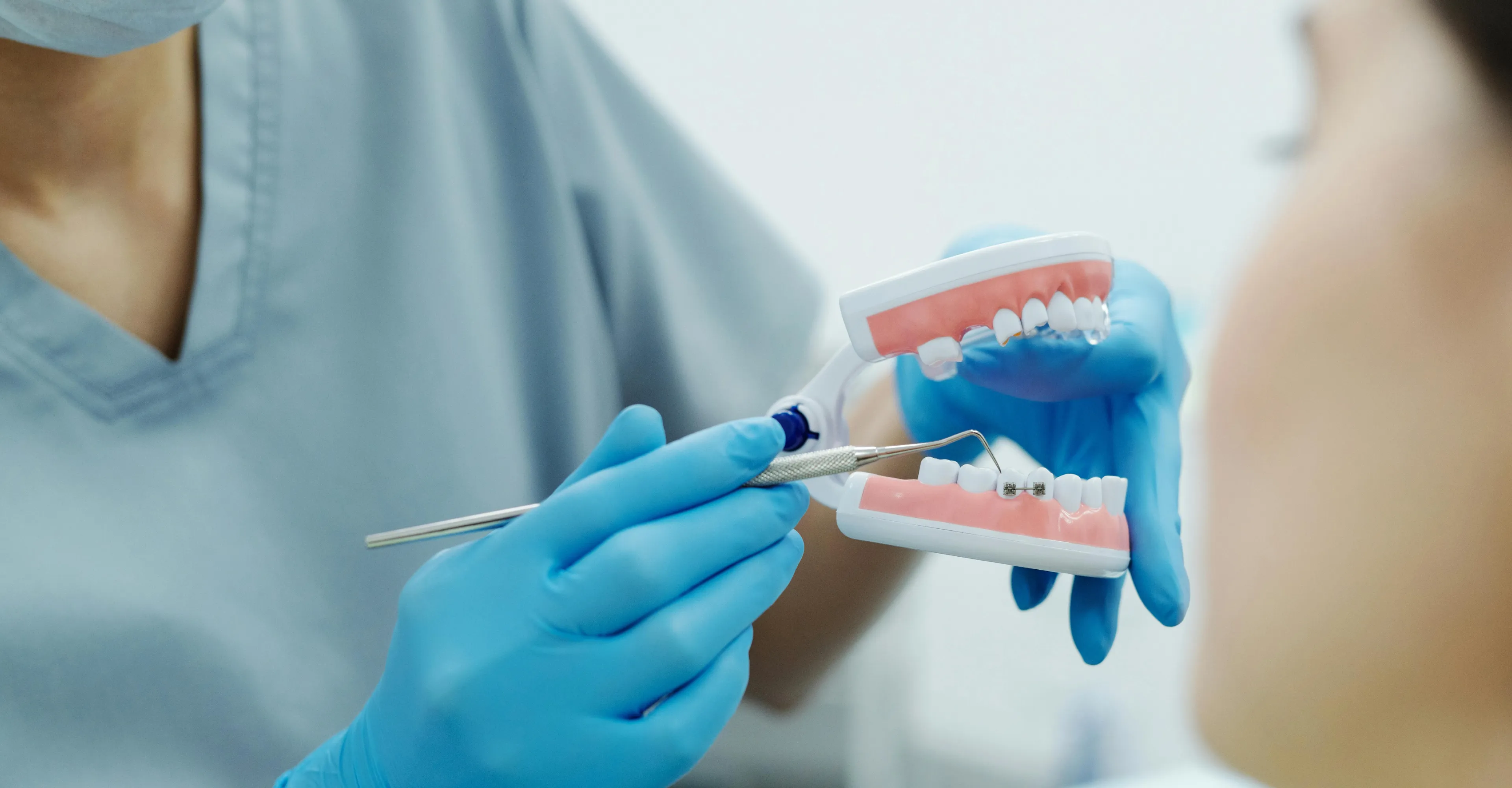



A sticky layer of dental plaque turns everyday sugars into harmful acids within minutes of eating. This constant acid attack slowly wears down your hard enamel and begins the silent process of tooth decay.
Tooth decay is a very common bacterial infection that starts when sticky plaque bacteria feed on sugars in your daily food to produce harmful, destructive acids. According to the National Institute of Dental and Craniofacial Research, these strong acids constantly wash over your teeth, stripping away vital minerals and wearing down the hard enamel. This steady mineral loss weakens your tooth structure over time, which eventually creates permanent enamel damage and forms the small holes in your teeth known as dental cavities. If you leave this common disease untreated, the infection will spread much deeper into the inner tooth pulp to cause severe pain, serious swelling, and eventual tooth loss.
Understanding this dental process is the key first step to keeping your teeth strong and healthy. Knowing what happens inside your mouth can help you prevent painful damage before it ever starts. To explore What Is Tooth Decay and What Causes It?, the journey begins with
Schedule Your Dental Exam at Smile Makers Dental Center
What Is Tooth Decay and What Causes It?
To keep your smile healthy, it is vital to understand what happens inside your mouth. Many people think a cavity is just a sudden spot of damage on a tooth. But tooth decay is a slow process that starts long before a hole forms.
The Nature of Tooth Decay
At its core, tooth decay is a disease driven by a mix of factors. Medical experts use the term dental caries to describe this issue. They define it as a biofilm-mediated disease that causes a net loss of minerals in dental hard tissues.
This means that decay does not just appear out of nowhere. Instead, it is a constant tug-of-war on the surface of your teeth. The process is driven by how bacteria, food, and your own body interact every single day.
While you might worry about fixing damage, preventing tooth decay effectively is much simpler when you know what causes it. By learning how these factors work together, you can protect your teeth from harm.
The Role of Mouth Bacteria
Your mouth is home to a wide range of microscopic life. In fact, many different types of bacteria live on your teeth, gums, and tongue. These bacteria are diverse, and they play different roles in your oral health.
It is important to know that not all of these tiny germs are bad for you. Some bacteria are helpful to your mouth, but others play a direct role in the tooth decay process.
The harmful bacteria are the ones that cause infections. Tooth decay is the result of an infection with these specific types of bacteria.
These specific bacteria are always looking for food. When they find what they need, they multiply and form a sticky layer. To stop them, you must understand how this sticky layer forms and how it acts on your teeth.
How Plaque and Sugars Cause Damage
Throughout the day, a clear coating forms on your teeth. Dental experts call this film plaque. In fact, plaque is a sticky, colorless film of bacteria that builds up on your teeth.
When you eat or drink, these bacteria feed on the leftovers in your mouth. They use the sugars and starches from your meals to create strong acids. This is where the real damage to your smile begins.
These acids begin to eat away at the hard outer surface of your teeth, which is called enamel. Over time, the constant contact with acid weakens the tooth and causes minerals to wash away. This process is called an acid attack.
To prevent decay, you must look at what you eat. Many people know that sweet treats like candy and soda are bad for teeth. But other types of food can be just as harmful.
In fact, starchy foods like bread and cookies are just as likely to feed plaque bacteria. When you eat starchy snacks, the particles stick to your teeth. The bacteria use these starches to produce the same harmful acids.
This is why eating habits matter so much for your oral health. If you eat or drink sweet or starchy things often, you make it easy for these acid attacks to happen. Every snack can trigger a new round of damage if the plaque is not cleaned away.
To protect your smile, you must disrupt this process before permanent damage occurs. Regular brushing and flossing help remove the sticky film of plaque from your teeth. By cutting down on sweet and starchy foods, you can keep the bacteria from making the acids that cause decay.
The Stages of Tooth Decay, From Demineralization to Abscess
Tooth decay is a progressive disease that does not happen overnight. As shown by health guides on the tooth decay process, the damage starts on the outer surface of your tooth and moves deeper over time. If you do not stop it, this process moves through distinct stages, starting from the first mineral loss and ending with deep infections. To see what happens when tooth decay requires treatment, we can look at how the disease grows from a tiny spot into a severe problem.
Our team at Smile Makers Dental Center sees patients from Leesburg to Woodbridge who deal with these stages of decay. We focus on gentle, proactive care to help you find and treat issues before they become painful. By learning the signs of each stage, you can protect your family's oral health and keep your own teeth strong.
Stage 1: Enamel Demineralization
The first stage of decay starts when acids attack the outer layer of the tooth. This outer shell is called enamel. In this early tooth decay stage, the enamel begins to lose vital minerals. This loss often shows up as small white spots on your teeth. You may not feel any pain yet, and you can still stop or reverse the damage at this point. Saliva plays a key role here by bringing minerals back to the tooth to help repair the outer shell.
In young children, a process like early childhood caries can affect baby teeth. This severe type of decay often starts in the baby's front teeth. It can quickly spread to the back teeth if you do not treat it. Parents should check baby teeth often for any new white or dark spots. Spotting these signs early helps keep your child's mouth healthy as they grow.
Stage 2: Dentin Decay and Cavity Growth
If the mineral loss goes on, the enamel weakens and breaks down. Once the outer shell is gone, a cavity forms. A cavity is permanent enamel damage that a dentist must repair with a filling. This filling stops the decay from spreading further into the tooth structure.
Without a filling, the decay reaches the next layer of the tooth, which is called dentin. Dentin is softer than enamel and contains tiny tubes that lead straight to the nerves. Once decay enters the dentin, you may feel mild pain. You might also notice tooth sensitivity when you eat hot, cold, or sweet foods.
Stage 3: Pulp Damage and Dental Abscess
If you do not get a filling, the decay will eat through the dentin. It then enters the center of the tooth, which is called the pulp. The pulp contains the tooth's nerves and blood vessels. When bacteria invade this space, the tissue becomes swollen and infected. This stage often causes severe, constant pain.
Over time, untreated tooth decay can lead to pain, severe infection, and tooth loss. The infection can also spread past the tooth root. It can develop into a dental abscess, which is a severe infection that needs quick care. At this point, you will need more complex treatment to save your smile.
Early Symptoms of Tooth Decay You Should Not Ignore
You might not feel tooth decay when it first starts. Early decay does not hurt at first. This is why you need to know what to look for before a permanent cavity forms. If you wait until it hurts, the damage may be deep.
Visible spots on the enamel
One of the first signs of decay is a change in how your teeth look. When minerals leave your enamel, a white spot may appear on the tooth. This spot shows that the enamel is starting to weaken. If you find these spots early, you can often reverse the damage.
If the decay keeps going, the spot can turn brown or black. These dark spots often form along your gumline or in the deep grooves of your teeth. This color change means the enamel has broken down and you may now have a cavity.
Tooth sensitivity and mild pain
As decay goes deeper, you will start to feel it. You may notice a sharp flash of pain when you eat sweet, hot, or cold foods. This hurts. The pain happens because the acid has reached the soft layer under your enamel. Sometimes you will also feel a dull ache when you bite down. Do not wait for the pain to get worse.
Some decay is hard to see. It often hides in the tight spaces where your teeth touch. You might notice that floss shreds or that food gets stuck in those spots. These issues are often clear signs of tooth decay between teeth. Dental checkups help find these hidden spots early.
When decay reaches the center of the tooth, the pain can become constant. This pain can keep you awake at night. At this stage, you need quick care to stop a bad infection.
Root decay in older adults
As you age, your mouth changes. Many older adults have receding gums, which pull away from the teeth. This shift can expose the soft tooth roots to harmful bacteria. Because these root surfaces do not have a hard layer of enamel, they are prone to fast decay.
This is why root decay is a major risk for seniors. Root decay can spread quickly because the root tissue is much softer than enamel. Older adults need regular exams to watch these weak spots.
You should never ignore these early signs. If you do not treat the problem, it will grow. Over time, untreated tooth decay can lead to severe pain, deep infections, and even tooth loss. Seeing a dentist at the first sign of trouble can save your tooth. Early care keeps your smile bright and healthy for years.
Can You Reverse Early Tooth Decay?
Many people believe that once tooth decay starts, a cavity is bound to form. This is not always the case. The early stages of decay can often be stopped and even turned around. Your teeth are in a constant state of change. This means that you have a window of opportunity to protect your smile. By understanding how teeth gain and lose minerals, you can play an active role in keeping them strong.
The mineral tug-of-war in your mouth
Our teeth go through a natural process of losing minerals and regaining minerals all day long. This mineral battle happens in the mouth between harmful acids and healthy saliva. When you eat foods with sugar or starch, plaque bacteria feed on them and make acids. These acids slowly wear down the hard outer layer of your teeth, which is called enamel. This acid attack strips away the essential minerals that keep your enamel hard.
Saliva is your body's main tool to fight this mineral loss. It washes away food and uses calcium and phosphate to rebuild the tooth enamel. This natural repair is known as remineralization. Using fluoride from toothpaste or tap water makes this defense team even stronger. Fluoride bonds with the minerals in your mouth to help your teeth heal from early acid damage. This mineral makes the outer shell of your teeth more resistant to future acid attacks.
The critical role of preventive habits
You can interrupt and even reverse this process to avoid a cavity. Early tooth decay often shows up as a dull white spot on your tooth. This spot is a clear warning sign that minerals have been lost. If you improve your brushing and flossing now, you can keep the tooth from getting worse. Reducing your intake of sugary foods and drinks will also help protect your teeth. These simple changes give your saliva and fluoride the time they need to repair your enamel.
When a cavity becomes permanent
If the decay process is not stopped, the tooth enamel will eventually break down. This permanent damage creates a physical hole in your tooth, which is a cavity. Once a cavity forms, you cannot cure it or rebuild the tooth at home. A dental professional must step in to treat the spot and restore the tooth with a filling. It is vital to understand when tooth decay requires treatment so you can act before you feel pain. Catching decay before it reaches this point will save you time, money, and discomfort.
The table below outlines the differences between early decay that you can reverse at home and decay that needs care from a professional.
| Condition | What it looks like | How it is addressed | Who acts |
|---|---|---|---|
| Reversible early decay | A dull white spot on the tooth surface | Fluoride therapy, daily flossing, and a low-sugar diet | You at home with dental guidance |
| Needs dental treatment | A brown or dark spot, a physical hole, or a toothache | A custom dental filling, a crown, or a root canal | A dentist in a clinical office |
Book a Dental Exam and Cleaning Today
How to Prevent Tooth Decay With Simple Daily Habits
You can stop tooth decay before it hurts your smile. Daily oral care is the best way to keep your teeth strong. When you make small changes to your routine, you can protect your teeth. These quick habits work to stop the daily buildup of plaque. Taking charge of your health today will save you from deep cavities tomorrow.
Daily brushing and flossing
To keep plaque from building up, you must clean your teeth well. Plaque is a sticky film of bacteria that grows on your teeth all day. Brushing twice a day with a soft brush helps remove this film. This simple step is vital to preventing tooth decay at home before it starts to wear down your enamel.
You also need to clean the tight spaces between your teeth. Flossing once a day removes plaque that your toothbrush cannot reach. This daily routine helps disrupt the buildup of dental plaque on all sides of your teeth. Steady cleaning stops plaque bacteria from making the strong acids that wear down your enamel. Cleaning between your teeth also helps protect your sensitive gum tissue.
The power of fluoride
Fluoride is a natural mineral that strengthens your teeth. It helps your tooth enamel repair itself by adding back lost minerals. When you use fluoride toothpaste, you give your teeth a shield against acid. Drinking water with fluoride is another easy way to get this daily defense. This simple mineral works around the clock to keep your smile bright and healthy. You can easily find it in most tap water and toothpastes.
By using fluoride often, you stop early damage from becoming a cavity. The National Institute of Dental and Craniofacial Research states that fluoride helps teeth heal. These basic habits can help you interrupt the tooth decay process. Keeping your teeth strong helps you avoid complex dental care. Using a fluoride mouth rinse after brushing can give you even more protection.
Smart food choices
What you eat and drink also affects your dental health. When you eat foods with sugar or starch, the bacteria use them to produce acids. Common snacks like bread, chips, and cookies can lead to acid attacks. These acid attacks can weaken your teeth and start the decay process. To protect your smile, try to limit these foods between meals.
Choosing water over sweet drinks is another great habit. Water washes away food bits. It also keeps saliva flowing and protects your mouth. Water is also a great source of natural fluoride in many areas. For example, older adults often get decay on exposed tooth roots because of receding gums. Good food choices and daily care keep your smile strong.
How Regular Dental Checkups Help Stop Tooth Decay Early
Preventing tooth decay is not just about brushing at home. Proactive dental care is the best way to keep your mouth healthy and avoid complex issues. A routine checkup helps guard your smile. These visits let your team track your teeth so you stay ahead of pain. To learn what a typical appointment involves, see our guide to what happens at a routine dental checkup.
Early detection of decay
Dental experts play a key role in finding decay early. They know how to spot the first signs of mineral loss on your teeth. If you catch it now, you can reverse early tooth decay before it forms a cavity.
This is why routine checkups are vital. They let your dentist find weak spots when they are easy to fix. If you wait until a tooth hurts, you may need a filling or a root canal.
At Smile Makers Dental Center, the team views checkups as vital to keep your teeth in great shape. These visits are not just about finding holes. They keep your whole mouth in balance. Proactive tracking helps you save time and prevents small issues from growing into large, painful problems.
Professional cleaning and comfort tools
A big part of your routine visit is a deep clean. Brushing and flossing at home are great, but plaque can still build up in tight spots. Expert cleanings get rid of the hard buildup. This helps stop decay before it can start, which is why regular dental cleaning frequency matters so much for long-term oral health.
Many people feel nervous about a trip to the dentist. Smile Makers knows this fear. We work to make your visit easy. The practice uses modern dental tools to make your care smooth and pain-free.
From soft chairs to high-tech scans, you can relax while your teeth get the best care. If a sudden tooth pain pops up, the office provides swift help. They have emergency care. This means you can get fast relief when you need it most.
Proactive oral health partners
Caring for your teeth is a long-term plan. But you do not have to do it on your own. When you schedule a professional dental exam, you team up with experts who care about your health. With six offices in Northern Virginia, Smile Makers makes it simple to get care near your home.
Do not wait for a toothache to tell you there is a problem. Act now. Booking a visit today is the best way to keep your smile bright and healthy for years. Our friendly team is ready to help you and your family protect your smiles.
Schedule Your Next Checkup at Smile Makers
Frequently Asked Questions
What causes tooth decay?
Tooth decay happens when plaque, which is a sticky film of bacteria, builds up on your teeth. When you eat starchy or sugary foods, these harmful bacteria feed on the sugars to produce acids. According to the NIDCR, these bacterial acids eat away at the hard outer enamel of your teeth. Over time, this constant acid attack breaks down the tooth structure and creates permanent damage.
What are the early symptoms of tooth decay?
According to the NIDCR, the earliest sign of decay is often a dull white spot on your tooth enamel. This spot shows where your tooth has lost important minerals. At this early stage, you might also feel mild tooth sensitivity when eating hot, cold, or sweet foods. If you do not treat it, the spot can turn brown or black, which means a cavity has formed.
Can you reverse tooth decay?
Yes, you can stop and even reverse early tooth decay before a cavity forms. Your teeth lose and gain minerals all day in a constant oral struggle. The NIDCR explains that minerals in your saliva, along with fluoride from your toothpaste or water, help the enamel repair itself. However, once a real cavity forms, only a dentist can fix it with a filling.
Are cavities and tooth decay the same thing?
They are closely related, but they are not the exact same thing. Tooth decay is the actual process of bacteria and acid damaging your tooth over time. A cavity is the physical hole that forms in your tooth when the decay is not stopped. According to the NIDCR, a cavity is permanent damage that your dentist must repair with a dental filling.
How can I prevent tooth decay?
You can prevent tooth decay by brushing twice a day with fluoride toothpaste and flossing once a day. This daily care removes plaque and bacteria from your teeth. It also helps to eat fewer sugary and starchy snacks. Finally, Smile Makers Dental Center recommends scheduling regular checkups so dental teams can find and treat any early signs of decay before a cavity forms.
Ready to Protect Your Smile from Tooth Decay?
Leaving tooth decay untreated can lead to severe pain, deep infections, and permanent tooth loss that is both painful and costly to fix. Booking a routine checkup today allows our caring team to find and reverse early soft spots before they turn into deep cavities. Taking proactive action now keeps your natural smile healthy, protects your overall wellness, and avoids the need for complex dental work down the road.
Ready to book? Book your visit online today to schedule a dental exam and cleaning. Our friendly local team is always excited to help your family maintain healthy and bright smiles. We look forward to seeing you soon at one of our six locations.