






So, you’ve just had a filling between teeth, or you’re about to get one, and you’re determined to make it your last. That’s the best mindset to have. While getting a filling is a great way to fix a cavity, the real win is preventing them from happening again. This guide is about more than just the procedure itself; it’s your complete game plan for future oral health. We’ll cover the simple, effective habits that make a huge difference, like perfecting your flossing technique and making tooth-friendly food choices. Let’s get your smile healthy and keep it that way for years to come.
Key Takeaways
- Brushing alone isn't enough: Cavities often form between teeth because toothbrush bristles cannot reach these tight spaces. Daily flossing is essential to remove the trapped plaque and food that lead to this specific type of decay.
- Getting a filling is a comfortable process: Your comfort is the priority during a filling procedure. Thanks to effective numbing, you can expect a pain-free experience while your dentist restores your tooth's health and function.
- Combine daily habits with professional care: Preventing future cavities requires a consistent routine. Pair daily flossing and proper brushing with regular dental check-ups to remove stubborn tartar and catch any potential issues early.
What Is a Cavity Between Teeth (and How Do You Get One)?
You brush twice a day, but have you ever wondered about the spaces your toothbrush can’t reach? Cavities can form anywhere on a tooth, including the smooth surfaces between them. Dentists call these "interproximal cavities," and they're particularly sneaky because you can't see them just by looking in the mirror. They often go unnoticed until they show up on a dental X-ray or start causing sensitivity. These cavities develop when food particles and plaque get trapped and are not removed. Over time, this buildup leads to decay that can compromise two teeth at once.
Why Food and Bacteria Get Stuck
The main culprit behind any cavity is plaque, a sticky film of bacteria that constantly forms on your teeth. When you consume sugary or starchy foods, the bacteria in plaque feast on them and produce acids. These acids attack your tooth enamel, the hard, protective outer layer of your teeth. The spaces between your teeth are a perfect hiding spot for plaque and tiny food particles. Since a toothbrush can't clean these areas effectively, the acid has plenty of time to eat away at the enamel, eventually creating a hole. This is why daily flossing is a non-negotiable part of complete oral hygiene.
What Puts You at a Higher Risk?
Certain factors can make you more prone to developing cavities between your teeth. If your teeth are crowded or misaligned, it can create tight, overlapping areas that are extremely difficult to clean, even with diligent flossing. A dry mouth also significantly increases your risk. Saliva is your body’s natural mouthwash; it helps rinse away food debris and neutralize harmful acids. Without enough of it, plaque and bacteria can thrive. A diet high in sugar, simple carbohydrates, and acidic beverages also provides the perfect fuel for cavity-causing bacteria. Understanding your personal risk factors can help you and your dentist create a more effective prevention plan.
Why You Shouldn't Ignore a Cavity Between Your Teeth
It can be tempting to put off a dental visit, especially if you aren't feeling any pain. However, ignoring a cavity between your teeth is a mistake. What starts as a small area of decay can quickly grow larger, spreading deeper into the tooth's structure. If it reaches the inner pulp, you could be facing a painful infection, a root canal, or even tooth loss. The good news is that treating an interproximal cavity early with a filling is a simple and routine procedure. It stops the decay from progressing and protects your oral health. If you're overdue for a check-up, it's time to book an appointment and get peace of mind.
What Are Your Filling Options?
Once your dentist confirms you have a cavity, the next step is deciding how to fill it. You have more options than you might think, and the best choice depends on the tooth’s location, your budget, and your personal preference. Some materials are prized for their strength, while others are chosen because they blend in seamlessly with your natural teeth. We'll walk you through the most common types of fillings so you can feel confident discussing them with your dentist. At Smile Makers, we're here to help you find the perfect solution for your smile and your health.
Composite Resin
If you’re looking for a filling that looks and feels like your natural tooth, composite resin is an excellent choice. This material is a tooth-colored mixture of plastic and fine glass particles, which allows your dentist to match it to the exact shade of your surrounding teeth. Because it blends in so well, composite resin is a popular option for fillings between front teeth or any other visible areas. The material bonds directly to the tooth, which can provide extra support. We can help you decide if this is the right material for your restorative dentistry needs during your visit.
Dental Amalgam
Dental amalgam fillings, often called "silver fillings," are known for their exceptional strength and durability. Made from a stable mix of metals including silver, tin, copper, and mercury, these fillings have been used safely for over a century. Their incredible resilience makes them a great choice for molars in the back of your mouth, where chewing forces are strongest. While they are more noticeable than tooth-colored options, amalgam fillings are a reliable and cost-effective solution that can last for many years with proper care. Your dentist can help you weigh the pros and cons to determine if an amalgam filling is suitable for you.
Glass Ionomer
Glass ionomer fillings are another tooth-colored option made from a special type of glass powder. What makes this material unique is its ability to release small amounts of fluoride over time, which helps protect the tooth from future decay. This makes them a fantastic choice for small cavities, fillings near the gumline, or for patients who may be at a higher risk for cavities. While not as durable as amalgam or composite resin for handling heavy chewing pressure, glass ionomer is a valuable tool in modern dentistry for keeping teeth healthy and strong.
Gold and Porcelain
For a premium and long-lasting solution, gold or porcelain fillings are top-tier choices. Gold fillings are made from an alloy of gold and other metals, creating an incredibly durable restoration that can last for decades. They are very strong and well-tolerated by gum tissues. Porcelain fillings, also known as inlays or onlays, are custom-made in a lab to perfectly match your tooth color and shape, offering both strength and a beautiful, natural appearance. Both options typically require more than one appointment but provide an excellent, long-term investment in your dental health. You can book an appointment to discuss these advanced options with our team.
Getting a Filling: A Step-by-Step Guide
Hearing you have a cavity is never fun, but the fix is usually straightforward and much less intimidating than you might think. Knowing exactly what happens during a filling procedure can help ease any anxiety and make you feel more comfortable in the dental chair. We’ll walk you through the entire process, from start to finish, so you know just what to expect when you come in for your appointment.
Step 1: Numbing the Area
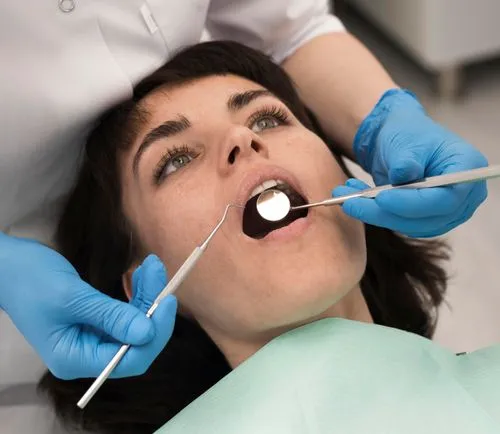
Our first priority is your comfort. Before we begin, we’ll completely numb the tooth and the surrounding gum tissue. This usually starts with a topical gel applied to your gums to numb the surface, so you barely feel the injection that follows. We then administer a local anesthetic to ensure the entire area is without sensation. You might feel a little pressure, but you won’t feel any pain during the procedure. For patients who feel particularly anxious, we also offer sedation dentistry options to help you relax. Your peace of mind is important to us, and we’ll make sure you’re comfortable every step of the way.
Step 2: Isolating the Tooth
Once you’re numb, we need to keep the affected tooth clean and dry while we work. To do this, your dentist may place a small, flexible sheet called a rubber dam over the area. This sheet fits snugly around the tooth, isolating it from the rest of your mouth. It might sound a little strange, but it’s incredibly helpful. A rubber dam keeps saliva away from the tooth, which is essential for the filling material to bond correctly. It also prevents any debris from the procedure from being swallowed, creating a safe and sterile environment for us to perform our best work.
Step 3: Removing the Decay
With the tooth numb and isolated, it’s time to address the cavity itself. Your dentist will use a precise dental instrument, often called a handpiece, to gently and carefully remove the decayed portion of your tooth. The sound is often more noticeable than the sensation. Our goal is always to preserve as much of your healthy tooth structure as possible, so we only remove what’s necessary to stop the decay from spreading. This is a core principle of modern restorative dentistry, ensuring your tooth remains strong and functional for years to come.
Step 4: Cleaning and Preparing the Tooth
After all the decay has been removed, we give the tooth a thorough cleaning. Think of it as creating a perfectly clean slate for the new filling. We’ll rinse the area to wash away any remaining bacteria or debris. This step is critical because it ensures that no harmful bacteria get trapped underneath the filling, which could cause problems later on. We then dry the tooth completely, as the bonding agents and filling materials we use work best on a dry surface. This preparation ensures your new filling will be strong, secure, and long-lasting.
Step 5: Placing and Shaping the Filling
Now for the main event: rebuilding your tooth. We typically use a tooth-colored composite resin that we can perfectly match to your natural tooth shade. Your dentist will apply this material in layers, carefully sculpting it to restore the tooth’s original shape and contours. After applying each layer, we use a special blue light to cure, or harden, the resin. This layering technique creates a very strong and durable bond with your tooth. This process is part of our cosmetic dentistry services, as it leaves you with a restoration that blends in seamlessly with your smile.
Step 6: Polishing and Checking Your Bite
Once the filling is in place and fully hardened, we add the finishing touches. Your dentist will carefully smooth and polish the filling so it feels just like your natural tooth and has a healthy shine. Next, we check your bite. We’ll have you bite down on a piece of colored articulating paper, which shows us if the new filling is hitting correctly against your other teeth. If it’s a little high, we’ll make tiny adjustments until your bite feels completely normal and comfortable. With that, your tooth is restored, and you’re ready to show off your healthy smile.
After the Filling: What to Expect as You Heal
Great job getting your cavity taken care of! The hard part is over, and the healing process is usually very simple. Once the numbness wears off, you can get back to your routine with just a few things in mind. Knowing what to expect can help you feel confident and comfortable as your new filling settles in. We’ll walk through managing sensitivity, what you can eat, how long your filling should last, and when it’s a good idea to give us a call.
Managing Post-Filling Sensitivity
It’s completely normal to feel some sensitivity in the treated tooth for a little while. For the first week or two, you might notice a twinge when you eat or drink something hot or cold, or when you bite down. This happens because the tooth has been through a bit of work, and the nerve just needs some time to calm down. This sensation typically fades on its own as the tooth heals. Using a toothpaste designed for sensitive teeth can also provide some relief during this period. If you have any concerns about your recovery, our restorative dentistry team is always here to help.
What to Eat (and What to Avoid)
Your mouth will likely be numb for a few hours after your appointment. While you can drink cool liquids, it’s best to avoid eating or drinking anything hot until the feeling fully returns. This simple step prevents you from accidentally biting your tongue, cheek, or lips, which is surprisingly easy to do when you can’t feel them. Once the numbness is gone, you can eat, but try to stick with softer foods for the rest of the day. Think smoothies, yogurt, or soup. For the first 24 hours, it’s also a good idea to avoid anything particularly hard, sticky, or chewy to give your new filling a chance to fully set and settle.
How Long Will Your New Filling Last?
With proper care, your new filling can protect your tooth for many years. The lifespan of a filling depends on the material used, with some lasting up to 20 years or even longer. Your daily habits play a huge role, too. Consistent brushing and flossing, along with a tooth-friendly diet, are the best ways to protect your investment and the health of your surrounding teeth. Regular dental check-ups allow us to monitor your fillings and catch any potential issues early. Our Loyalty Discount Plan makes it easier and more affordable to maintain these important visits.
When to Call Your Dentist
Most people heal from a filling without any issues, but it’s important to know what signs warrant a follow-up call. Please get in touch with us if you experience severe pain that isn’t managed by over-the-counter pain relievers. You should also call if your tooth sensitivity lasts longer than two weeks or seems to be getting worse instead of better. Other reasons to check in include noticing a crack in the filling or feeling that your bite is uneven or "off" after the numbness wears off. Your comfort is our priority, so never hesitate to book an appointment if something doesn’t feel right.
Does Getting a Filling Between Your Teeth Hurt?
Let’s get straight to the point: the thought of a dental drill is probably more intimidating than the reality. The number one question we hear about fillings is, "Will it hurt?" The simple answer is, it shouldn't. Modern dentistry has come a long way, and your comfort is your dentist's top priority. From the moment you sit in the chair, the goal is to make the entire process as smooth and pain-free as possible.
We’ll walk through how your dentist keeps you comfortable, what you can do to ease any anxiety, and what to expect when it comes to the cost of your filling.
Ensuring a Comfortable, Pain-Free Procedure
Getting a dental filling is a routine procedure that is usually not painful thanks to effective numbing medicines. Before starting any work, your dentist will apply a topical anesthetic (a numbing gel) to your gums. After a minute, they will administer a local anesthetic to completely numb the tooth and the surrounding area. You might feel a tiny pinch, but the area will quickly become numb, ensuring you don't feel any pain during the procedure. Our team is trained to perform gentle, expert restorative dentistry so you can relax knowing you’re in good hands. The goal is for you to feel nothing more than some slight pressure or vibration.
Tips for Easing Dental Anxiety
It’s completely normal to feel a little nervous about a dental procedure. If you have dental anxiety, you are not alone, and there are several ways to make your visit more relaxing. The most important step is to communicate with your dental team. As dental professionals explain, they will check on you often and can offer ways to help you relax.
Don’t hesitate to let us know how you’re feeling. We can walk you through each step, agree on a hand signal if you need a break, or discuss options like sedation dentistry for a more deeply relaxed state. Simple things like bringing headphones to listen to music or a podcast can also make a big difference in helping you feel at ease.
Understanding the Cost of Your Filling
The cost of a filling can vary depending on the material used, the size of the cavity, and its location in your mouth. For example, traditional amalgam fillings are often more affordable, while tooth-colored composite fillings can cost a bit more. According to one dental practice, composite fillings that match your natural tooth color typically range from $150 to $450 per tooth.
We believe quality dental care should be accessible. Before your procedure, our team will provide a clear breakdown of the costs and review your insurance coverage. For patients without insurance, we offer a Loyalty Discount Plan to help make your treatment more affordable. Your oral health is an investment, and we’re here to help you find a solution that fits your budget.
How to Prevent Future Cavities Between Your Teeth
Getting a filling is an effective fix, but the real goal is to prevent cavities from forming in the first place. Once you’ve had a cavity between your teeth, you know how tricky that spot can be to keep clean. The good news is that a few simple, consistent habits can make a huge difference in keeping your smile healthy and avoiding future fillings. Think of it as your new and improved game plan for oral health. It’s all about being proactive and giving those hard-to-reach areas the attention they deserve.
Floss Daily (Yes, Really)
I know, I know. Every dentist says it, but we say it for a reason. Flossing is your number one defense against cavities between your teeth. Your toothbrush bristles are great, but they simply can’t squeeze into the tight spaces where plaque loves to hide. Daily flossing physically removes food particles and plaque buildup from these areas, stopping decay before it can even start. Whether you prefer traditional string floss, dental picks, or a water flosser, the key is to do it every single day. It’s a two-minute habit that can save you from another trip to the dental chair for a filling.
Perfect Your Brushing Routine
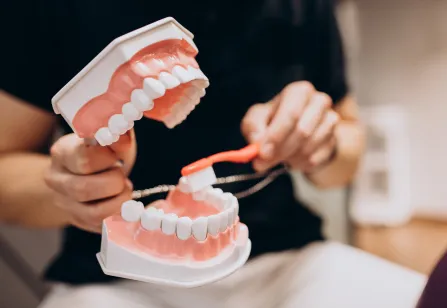
Brushing is a given, but how you brush matters. For the best results, brush your teeth twice a day for two full minutes with a fluoride toothpaste. Angle your toothbrush at 45 degrees toward your gumline to effectively clean away plaque from the front, back, and chewing surfaces of each tooth. Using a soft-bristled brush prevents you from scrubbing too hard, which can damage your enamel and gums. Making your routine consistent and thorough is a core part of any good preventative dental services plan. It’s a simple practice that protects your entire smile.
Choose Tooth-Friendly Foods
What you eat directly impacts your risk for cavities. Sugary and acidic foods and drinks create the perfect environment for harmful bacteria to thrive and produce acids that eat away at your tooth enamel. You don’t have to give up all your favorite treats, but try to limit them and be mindful of frequent snacking. Instead, reach for tooth-friendly options like crunchy fruits and vegetables, cheese, and nuts. Drinking plenty of water, especially after meals, also helps rinse away food debris and neutralize acids, giving your teeth a much-needed break.
Don't Skip Your Dental Check-Ups
Regular dental check-ups are essential for maintaining a healthy smile. Even with perfect at-home care, hardened plaque (tartar) can build up in spots you can’t reach. During a professional cleaning, your hygienist will remove this tartar, significantly lowering your risk for cavities. Plus, your dentist can spot potential issues long before you’d ever notice them, allowing for early and less invasive treatment. Think of us as your partners in oral health. We’re here to help you keep your smile strong for years to come, so be sure to book an appointment every six months.
Restore Your Smile with Expert Care at Smile Makers Dental Center
Finding out you have a cavity, especially one hiding between your teeth, can feel a little discouraging. These tricky spots, known as interproximal cavities, often form when food and bacteria get trapped where a toothbrush can’t quite reach. The good news is that treating them is a routine part of maintaining a healthy smile, and the team at Smile Makers Dental Center is here to make the process comfortable and stress-free. Putting off treatment can lead to bigger problems, so it’s always best to address a cavity as soon as it’s found.
Getting a dental filling is a straightforward procedure designed to restore your tooth's function and appearance. First, your dentist will numb the area to ensure you don’t feel any pain. Next, they will gently remove the decayed portion of the tooth, clean the area, and fill the space with a durable material. We often use composite resin, a tooth-colored option that blends seamlessly with your natural teeth, so your smile looks just as good as it feels.
Our goal is to provide gentle, expert care that puts you at ease. We believe that restoring your smile should be a positive experience. If you think you might have a cavity or you’re simply due for a check-up, our team is ready to help. With a full range of restorative dental services, we can get your oral health back on track. Don’t wait for a small issue to become a larger one; book an appointment at one of our convenient Northern Virginia locations today.
Related Articles
- The Different Types of Cavities - What You Need to Know
- 5 Clear Signs You Need a Root Canal
- What Is Full Mouth Reconstruction? A Complete Guide
- Your Guide to Gum Disease Treatment Options
Frequently Asked Questions
How will I know if I have a cavity between my teeth if I can't see it? You often won't know, which is why these cavities are so sneaky. They typically don't cause pain until the decay has become more advanced. The most common way they are found is through routine dental X-rays during a check-up. Sometimes, you might notice a clue like your floss shredding in a specific spot or new sensitivity to sweets, but relying on symptoms is not a reliable prevention strategy. Regular dental visits are the best way to catch them early.
Which type of filling is best for a cavity between my teeth? The best filling material really depends on the tooth's location and your personal preference. For a cavity between your front teeth, a tooth-colored composite resin is usually the top choice because it blends in perfectly with your smile. For molars in the back that handle a lot of chewing pressure, you might consider a stronger material like dental amalgam or even a porcelain inlay. Your dentist will discuss the pros and cons of each option with you to find the right fit for your health and budget.
I already floss, so why did I still get a cavity between my teeth? This is a common and understandable frustration. While daily flossing is your best defense, other factors can contribute to these cavities. If your teeth are very crowded, it can create tight spots that are nearly impossible to clean perfectly. Your diet also plays a huge role; frequent snacking on sugary or starchy foods can overwhelm even good hygiene habits. Lastly, flossing only removes soft plaque, not hardened tartar, which is why professional cleanings are essential to get your teeth completely clean.
How long will I be numb after my filling, and when can I eat normally? You can expect the numbness to last for a few hours after your appointment. It's very important to wait until the feeling has completely returned before you try to eat a meal. This prevents you from accidentally biting your cheek or tongue. Once the numbness is gone, you can eat, but it's a good idea to stick with softer foods for the rest of the day and avoid chewing directly on the new filling if possible. You can typically return to your normal diet the next day.
I'm really nervous about dental work. What can I do to feel more comfortable during my filling appointment? Feeling anxious is completely normal, and you should always share your concerns with your dental team. We can help by explaining every step of the process, agreeing on a hand signal for when you need a break, or simply offering reassurance. Many patients find that listening to music or a podcast with headphones helps them relax. For those with more significant anxiety, we also offer sedation options to ensure your experience is as calm and comfortable as possible.