





Cavities are common, but they are not an unavoidable part of life. More than 80% of people have had at least one cavity by age 34, according to the CDC, which makes prevention relevant for children, adults, and seniors alike. The good news is that small daily choices can reduce the conditions that allow tooth decay to develop.
Learning how to prevent cavities starts with removing plaque consistently, using fluoride, limiting added sugar, drinking water, and keeping regular dental visits. These habits protect enamel and help a dental team find early changes before they become painful or require more involved treatment.
A cavity begins when everyday factors, including oral bacteria, frequent snacking, sugary drinks, and incomplete cleaning, work together to damage the tooth surface. Understanding that process makes each prevention step more practical, so the guide begins with what is happening inside the mouth.
How To Prevent Cavities: What Causes Cavities?
Tooth decay begins with plaque, the sticky film that builds up on teeth. Bacteria in plaque feed on sugars and starches from food and drinks, then release acids. Each acid attack can pull minerals from enamel, the hard outer layer of a tooth. Frequent snacking, sipping sugary drinks, and inadequate cleaning give plaque more opportunities to produce acid. These are among the common causes of cavities identified by the Mayo Clinic.
The five stages of tooth decay
A cavity does not appear all at once. Decay typically progresses through increasingly deeper layers:
- White spots: Early mineral loss may show as a chalky white area on the enamel. At this stage, the process may be reversible with professional guidance and improved oral care.
- Enamel decay: Continued acid exposure weakens the enamel and creates a small area of damage. Once a hole forms, the tooth cannot repair the lost structure on its own.
- Dentin decay: Decay reaches the softer layer beneath enamel. This stage can cause sensitivity to cold, heat, or sweet foods because dentin connects more directly with the tooth's nerve.
- Pulp damage: As decay advances toward the center of the tooth, it can irritate or inflame the pulp, which contains nerves and blood vessels. Pain may become stronger or linger after eating and drinking.
- Abscess: Untreated infection can spread beyond the pulp and form an abscess. Swelling, severe pain, fever, or a bad taste requires prompt dental attention.
Why symptoms can be misleading
Early decay often has no symptoms. As it grows, signs may progress from occasional sensitivity to a toothache, pain when biting, staining, or visible holes. The Mayo Clinic notes that cavities can lead to infection and tooth loss when they are not treated. A painless tooth is not necessarily a healthy tooth, especially when plaque buildup or frequent sugar exposure is present.
A dental examination can identify weakened areas before they become larger problems. If decay has already damaged the tooth, restorative dentistry can address the affected structure and help protect the remaining tooth. Understanding this process is an important first step in learning how to prevent cavities, rather than waiting for pain to signal that treatment is needed.
Build Cavity-Fighting Daily Habits
Consistent home care removes plaque before it can contribute to tooth decay. The CDC recommends brushing well twice a day and flossing between the teeth to remove plaque, along with using fluoride toothpaste and drinking fluoridated tap water when available. Learn more about the CDC's oral health tips.
Brush thoroughly, not aggressively
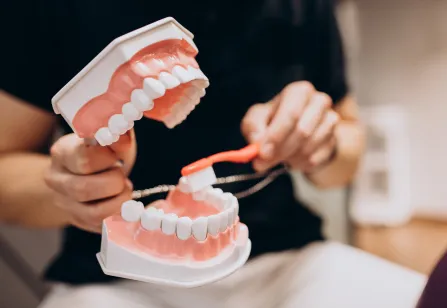
Use a soft-bristled toothbrush and fluoride toothpaste. Brush for about two minutes in the morning and again before bed, using gentle circular motions rather than scrubbing back and forth. Angle the bristles toward the gumline, then clean the outer, inner, and chewing surfaces of every tooth. Brushing too forcefully can irritate the gums and wear the tooth surface, while rushing can leave plaque behind in easy-to-miss areas.
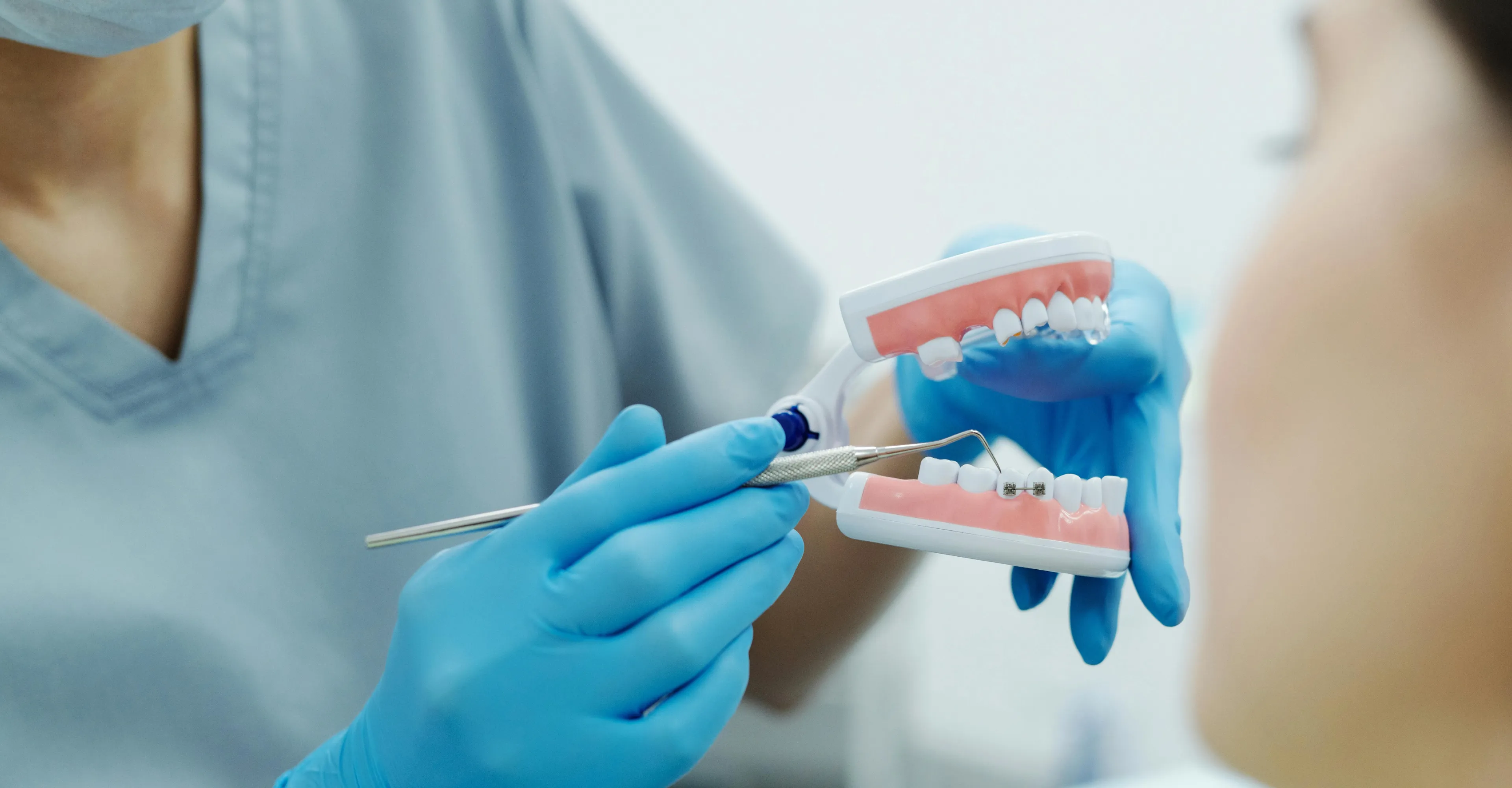
Replace the toothbrush or brush head when the bristles become frayed. Children may need help or supervision until they can reliably reach every surface. Patients with braces, dry mouth, a history of frequent cavities, or other risk factors can ask a dentist whether they need a specific brush, toothpaste, or technique. A visit for family dentistry services can help each member of the household build a practical routine.
Clean between teeth every day
Floss once daily to disrupt plaque where a toothbrush cannot reach, including the spaces between teeth and just beneath the gumline. Guide the floss gently between the teeth, curve it around each tooth in a C shape, and move it up and down without snapping it into the gums. Floss picks or an interdental cleaner may be useful alternatives when traditional floss is difficult to handle.
Use fluoride strategically
Fluoride does more than strengthen enamel. The National Institute of Dental and Craniofacial Research explains that it helps prevent mineral loss and replace minerals lost during acid attacks, while also reducing bacteria's acid production. A fluoride mouthwash may provide added support for people at higher risk of cavities, but it should complement brushing and flossing, not replace either one. Ask a dentist which product and schedule are appropriate, especially for children or anyone already using prescription fluoride.
Dietary Tips to Protect Your Teeth from Decay
What you eat and drink affects how often your teeth face acid attacks. Oral bacteria use sugar from foods and beverages to produce acids that weaken enamel. Each exposure can keep that acid attack active for about 20 minutes. So frequent sipping or snacking may be more harmful than having the same treat with a meal.
Reduce sugar and avoid sticky snacks
Limit added-sugar foods and drinks, including soda, candy, sweetened coffee, and fruit juice. The CDC recommends avoiding foods and drinks with added sugar as much as possible because they contribute to oral disease. Sticky sweets deserve extra caution because they cling to grooves and spaces around the teeth, giving bacteria more time to use the sugar.
When you do choose dessert, have it with a meal rather than grazing on sweets throughout the day. Increased saliva flow during meals helps dilute acids and supports the mouth's natural neutralizing process. After brushing at bedtime, avoid all food and drinks except water. Saliva production decreases during sleep, leaving teeth with less protection.
Choose water and protect enamel
Drink fluoridated tap water throughout the day when available. Water helps rinse away food residue, while fluoride helps strengthen enamel and prevent cavities. After acidic foods or drinks, wait about 30 minutes before brushing. Brushing immediately can be too abrasive for enamel that has been temporarily softened by acid.
Manage dry mouth
A dry mouth raises the risk of oral health problems because there is less saliva to wash away food and neutralize acids. Drink plenty of water and chew sugarless gum to stimulate saliva flow. If a medication seems to be causing persistent dryness, speak with the prescribing doctor rather than stopping it independently. The CDC also recommends discussing possible medication alternatives with a doctor when appropriate. Learn more about dietary and dry-mouth guidance from the CDC.
Professional Treatments That Prevent Cavities
Even a consistent home routine cannot reach every risk factor. Professional preventive care helps protect vulnerable tooth surfaces, strengthen enamel, and identify problems before they become painful. A dentist can tailor prevention to age, enamel strength, dry mouth, medications, and cavity history. The CDC recommends visiting a dentist at least once a year for an evaluation of cavities and other oral health concerns. Although some patients benefit from more frequent visits.
| Treatment | What It Does | Best For | Effectiveness |
|---|---|---|---|
| Dental sealants | Applies a thin protective coating to the grooves of back teeth, where food and plaque can collect. | Children and teens when permanent molars erupt, plus adults with deep grooves or elevated risk. | CDC reports that sealants prevent 80% of cavities in back teeth. |
| Fluoride varnish | Paints concentrated fluoride onto teeth to support remineralization and strengthen vulnerable areas. | Children, seniors, and patients with frequent cavities, exposed roots, or other risk factors. | CDC reports that fluoride varnish reduces cavities in baby teeth by one-third. |
| Professional cleanings | Removes plaque and hardened tartar that brushing and flossing may leave behind. | Everyone, with timing based on individual risk and dental recommendations. | Helps prevent plaque-related decay from progressing and supports earlier detection. |
| Oral cancer screening | Uses a visual and tactile examination to check the mouth and surrounding tissues for unusual changes. | Adults, especially people who smoke or drink heavily. | Early detection can improve treatment options and may save lives. |
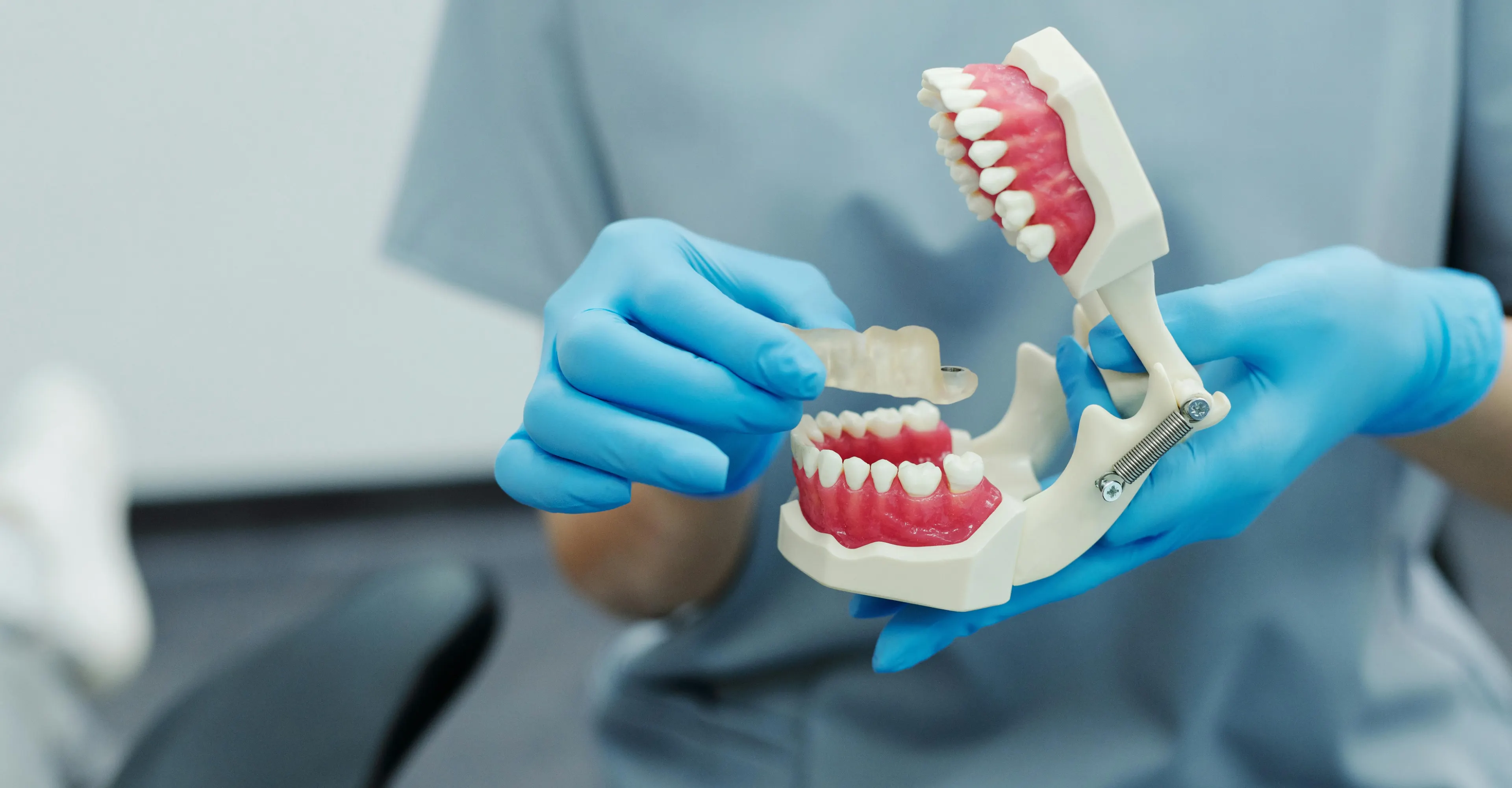
Fluoride care can take more than one form. The National Institute of Dental and Craniofacial Research describes fluoride gel or varnish, prescription fluoride tablets, and fluoride mouth rinse as options a dental professional may consider. These are not interchangeable for every patient, so the recommendation should reflect age, risk level, existing fluoride exposure, and medical history.
Preventive visits are also an opportunity to review brushing, flossing, diet, dry-mouth symptoms, and changes around dental restorations. Families looking for coordinated care can explore family dentistry services to build a prevention plan for children, adults, and seniors.
CDC cavity prevention guidance and NIDCR fluoride information provide additional background on these approaches.
How Often Should You See the Dentist for Cavity Prevention?
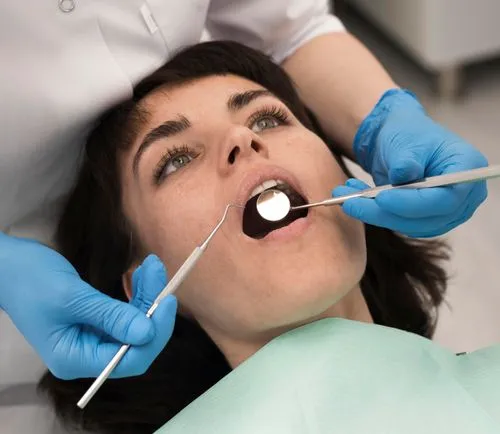
Most patients benefit from a preventive checkup every six months, or two visits each year. The CDC recommends visiting a dentist at least once a year because an exam can identify cavities. Other oral health problems, and signs of oral cancer before symptoms become obvious. Patients with a higher risk of decay, dry mouth, gum disease, orthodontic appliances, or a history of frequent cavities may need three or four visits annually. Your dentist can recommend a schedule based on your health history and current risk.
A typical checkup follows a clear sequence:
- Plaque and tartar removal: A dental hygienist uses scaling instruments to remove hardened tartar and plaque from areas that are difficult to clean at home. This helps reduce the buildup that can contribute to decay and gum irritation.
- Professional polishing: Polishing smooths the tooth surfaces and removes remaining surface stains and soft deposits. It also leaves the mouth feeling clean without replacing the need for daily brushing and flossing.
- Oral cancer screening: The dentist examines the mouth, gums, tongue, cheeks, and throat for unusual changes. Regular screenings are an important part of a complete preventive visit.
- Cavity detection: The dentist checks for visible changes, weakened enamel, and early decay. When appropriate, dental X-rays help reveal cavities between teeth or below the visible surface, where a visual exam alone may not be enough.
- Fluoride treatment: A fluoride varnish, gel, or other treatment may strengthen enamel and help protect teeth from acid-related mineral loss. The recommendation depends on age, risk, and existing fluoride exposure.
- Personalized home care advice: Your dentist explains how to improve brushing, flossing, fluoride use, and diet based on what the exam shows.
Early detection can often mean a simpler response. If decay has progressed, restorative dentistry can address the damage and help protect the tooth's function.
Frequently Asked Questions
How can I prevent cavities naturally?
Focus on habits that reduce plaque and frequent acid exposure: brush thoroughly twice a day. Clean between your teeth daily, drink water, and choose foods and drinks with little or no added sugar. If your mouth feels dry, drink plenty of water and consider chewing sugarless gum. These steps support oral health, but they do not replace professional dental care when decay is present.
How does fluoride help prevent cavities?
Fluoride helps teeth replace minerals lost during acid attacks and makes enamel more resistant to future damage. Use fluoride toothpaste as directed and drink fluoridated tap water when available. A dentist may recommend additional fluoride, such as a gel, varnish, or rinse, based on your cavity risk.
Can cavities be reversed?
Very early enamel changes may sometimes be managed with fluoride, improved cleaning, and dietary changes before a hole forms. Once decay creates a cavity, however, it cannot be repaired with home care alone. A dental examination can determine whether monitoring, fluoride treatment, or a filling is appropriate.
Are sealants effective in cavity prevention?
Dental sealants cover the grooves on back teeth where plaque and food can collect, making those surfaces easier to keep clean. The CDC reports that sealants can prevent 80% of cavities in back teeth. A dentist can check whether sealants are suitable for a child, teen, or adult at higher risk.
What foods should I avoid to prevent cavities?
Limit foods and drinks with added sugar, especially sticky sweets, sugary beverages, and frequent snacks between meals. Sipping or grazing gives mouth bacteria repeated opportunities to produce acids. Water is a better everyday choice, and keeping sweet foods for occasional meals can reduce repeated acid exposure.
Ready to Protect Your Smile?
Regular preventive care can help identify early changes before they become larger dental concerns. Smile Makers Dental Center makes it convenient for Northern Virginia patients to receive personalized guidance across eight office locations. Schedule Your Preventive Dental Exam to review your cavity prevention habits and discuss the care that best supports your smile.