


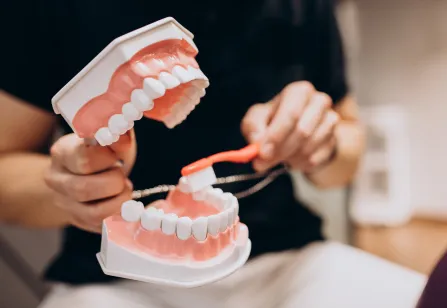






Think of a filling as patching a small pothole in a road—it’s a straightforward fix for surface-level damage. A root canal, on the other hand, is like repairing the foundation beneath that road. It’s a more involved process for a much deeper problem. When you’re dealing with tooth pain, knowing which repair you need can feel daunting. That’s why we’ve put together this simple guide to explain the teeth filling vs root canal decision. We’ll break down what each procedure involves, why your dentist might recommend one over the other, and how we ensure your comfort every step of the way.
Key Takeaways
- Fillings and root canals treat different levels of damage: A filling is a straightforward fix for a cavity on the tooth's surface, whereas a root canal is required to save a tooth when an infection reaches the sensitive inner pulp.
- Pay attention to your symptoms: Mild sensitivity to hot or cold usually points to a filling. Severe, lingering pain, swelling, or a discolored tooth are clear signs you may need a root canal.
- Only a dentist can make the right call: While understanding the symptoms is helpful, self-diagnosing can cause unnecessary stress. The best step is always to schedule an appointment for a proper examination to determine the correct treatment.
Filling vs. Root Canal: What's the Difference?
When you have a problem with a tooth, the goal is always to save it. Both fillings and root canals are common procedures, but they address issues of very different magnitudes. A filling is like patching a small pothole, while a root canal is like repairing the foundation underneath. Both are essential repairs that tackle problems at different depths. Understanding the key differences can help you feel more prepared when discussing treatment options with your dentist.
What Each Procedure Aims to Fix
The main difference between a filling and a root canal is how far decay has spread. A filling is a straightforward fix for a cavity affecting only the hard, outer layers of your tooth. Your dentist removes the decayed part and fills the space to restore the tooth’s shape. A root canal is needed when the problem runs much deeper, reaching the tooth’s innermost part, called the pulp. The pulp contains nerves and blood vessels, and an infection here can be very painful. A root canal cleans out this infected pulp to save the tooth. Both are key restorative dentistry procedures that get your smile back to health.
Treating Minor vs. Major Tooth Damage
You’ll likely need a filling for a minor cavity, which you might not even notice until a routine check-up. It’s the go-to solution for small spots of decay. A root canal is reserved for more serious situations, like when a cavity is left untreated and infects the pulp. Other reasons include a severe crack that exposes the pulp or trauma that damages the nerve. These issues often come with noticeable symptoms like intense pain, swelling, or extreme sensitivity. Our team offers specialized treatments to handle these more complex cases and relieve your discomfort.
Comparing Time and Complexity
Because they treat different levels of damage, the procedures vary in time and complexity. Getting a filling is a quick process, usually completed in a single appointment. Your dentist numbs the area, removes the decay, and places the filling material. A root canal is more involved. It requires your dentist to carefully remove the infected pulp, then clean and seal the inner canals. This can take one or two visits and is often followed by a crown to restore the tooth's strength. While it sounds intimidating, modern endodontics makes the procedure as comfortable as getting a regular filling.
When Do You Need a Filling vs. a Root Canal?
Trying to figure out what’s happening with a painful tooth can be stressful. Is it a minor issue or something more serious? Understanding the signals your body is sending can help you know what to expect. While a filling and a root canal both treat tooth decay, they address problems at very different stages. A filling is for a smaller cavity that hasn't reached the inner pulp of your tooth, while a root canal is needed when the decay or damage is much deeper.
The key difference comes down to the extent of the damage. Think of a filling as a small patch for a pothole on a road. It’s a straightforward fix for surface-level problems. A root canal, on the other hand, is more like repairing the foundation beneath the road. It’s a necessary procedure when the tooth's inner nerve and pulp are infected or inflamed. Let's break down the specific symptoms for each so you can get a clearer picture of what you might be experiencing.
Signs You Might Need a Filling
If your tooth decay is in its early stages, you’ll likely need a filling. The symptoms are usually less severe and might even come and go. Think of them as gentle warnings that something isn’t quite right. You should consider scheduling a check-up if you notice any of these signs.
Common indicators include:
- Sensitivity: A quick, sharp pain when your tooth is exposed to hot, cold, or sweet foods and drinks.
- Mild Pain: A noticeable ache, especially a throbbing or sharp pain that happens when you bite down or chew.
- Visible Signs: You might see a small dark spot on your tooth or even feel a tiny hole with your tongue.
These symptoms suggest the cavity hasn't reached the tooth's nerve yet, making it a good candidate for our restorative dentistry services.
Symptoms That Point to a Root Canal
When a cavity is left untreated, the decay can spread deep into the tooth and infect the pulp, which contains nerves and blood vessels. At this point, the symptoms become much more intense and persistent, signaling that a root canal might be necessary to save the tooth.
Look out for these more severe signs:
- Severe, Constant Pain: This isn't just a momentary twinge. It’s a moderate to severe toothache that can be constant or come in waves, and it may even wake you up at night.
- Swollen Gums: The gums around the painful tooth may be swollen, tender, or have a small, pimple-like bump.
- Extreme Sensitivity: Lingering pain after eating or drinking something hot or cold is a major red flag.
- Tooth Discoloration: The infected tooth might darken, appearing grayish-black.
If you're experiencing these issues, it's important to see an endodontics specialist right away.
How Your Dentist Decides on the Best Treatment
While it’s helpful to understand the symptoms, trying to diagnose yourself online can lead to more anxiety than answers. The only way to know for sure what your tooth needs is to have a dental professional take a look. When you come in for a visit, we can properly assess the situation and recommend the right course of action.
To determine the best treatment, your dentist will perform a thorough examination, which usually includes taking X-rays. This allows us to see how deep the decay goes and whether it has reached the pulp. Based on the extent of the damage, we’ll know if a simple filling will solve the problem or if a root canal is needed to clear out the infection and save your tooth. If you have any tooth pain at all, the best first step is to book an appointment so we can get you out of pain and on the road to recovery.
What to Expect During Each Procedure
Knowing what happens during a dental procedure can make the experience much less stressful. Whether you need a simple filling or a more involved root canal, our team at Smile Makers Dental Center prioritizes your comfort. Here’s a look at what you can expect.
A Step-by-Step Look at Fillings
Getting a filling is a common and straightforward restorative dentistry procedure. First, your dentist numbs the area around the tooth so you won’t feel a thing. Next, they carefully remove the decayed portion. Once the decay is gone, the clean space is filled with a special material. Finally, your dentist shapes and polishes the filling to match your natural bite, leaving your tooth healthy and strong. The whole process is typically completed in a single visit.
Breaking Down the Root Canal Process
A root canal is a more detailed procedure designed to save a deeply infected tooth. Like a filling, your dentist starts by numbing the area completely. They then create a small opening to access the inner pulp, which contains the tooth's nerves. The infected pulp is carefully removed, and the inside of the tooth is cleaned and disinfected. After cleaning, the canals are filled and sealed. Often, a crown is placed on top to protect the tooth, a process that may take one or two appointments.
How We Keep You Comfortable
Your comfort is our top priority. For both fillings and root canals, we use effective local anesthesia to ensure the procedure is pain-free. We understand dental anxiety is real, which is why we also offer sedation dentistry options to help you feel calm and relaxed. Our team will talk you through every step to make sure you feel at ease. You can trust that you are in caring hands at any of our Northern Virginia locations.
Recovery and Aftercare
After a filling, the numbness wears off in a few hours, and you can usually get back to your normal routine. Recovery from a root canal is also typically smooth, though it’s common to feel mild discomfort for a few days. You can manage this with over-the-counter pain medication and by sticking to soft foods. We’ll provide specific aftercare instructions. If pain or discomfort lasts longer than a week, please contact our office so we can help.
A Look at the Costs of Fillings and Root Canals
Understanding the cost of dental work is a major part of planning your care. While it’s impossible to give an exact price without an examination, we can walk through the factors that influence the cost of both fillings and root canals. The final price depends on the specific tooth, the materials used, and the complexity of the procedure. Our goal is to provide you with clear information so you can feel confident about your treatment plan.
We believe quality dental care should be accessible. That’s why we offer a Loyalty Discount Plan and work with you to find a solution that fits your budget. Your oral health is the priority, and we’re here to help you manage the financial side of things without stress.
How Material Choice Affects Filling Costs
The material used for your filling plays a big role in the total cost. Traditional amalgam (silver) fillings are often the most affordable option. However, many people prefer composite fillings because the tooth-colored resin blends in seamlessly with their natural smile. While composite fillings cost more than amalgam, they offer a great cosmetic result.
For more extensive restorations, gold or porcelain fillings are also available. These materials are incredibly durable but come at a higher price point. During your visit, we’ll discuss all the restorative dentistry options and help you choose the best material for your tooth, your goals, and your budget.
What Determines the Cost of a Root Canal?
A root canal is a more involved procedure than a filling, which is reflected in the cost. Because it addresses a deep infection inside the tooth’s pulp, it requires more time and specialized skill. The price can vary depending on which tooth needs treatment. For example, molars have more roots than front teeth, making their root canal procedures more complex and typically more expensive. The extent of the damage also factors in. We’ll always provide a clear cost breakdown before beginning any treatment, so you know exactly what to expect.
Understanding Your Payment and Insurance Options
Dealing with dental insurance can feel tricky, but we’re here to help. Most insurance plans cover a portion of the cost for both fillings and root canals, but the exact coverage depends on your specific provider and plan. We recommend contacting your insurance company directly to understand your benefits.
Our team is also happy to help you with insurance claims and paperwork. If you have questions about your payment options or want to discuss our loyalty plan, please don’t hesitate to reach out. The best first step is to book an appointment so we can assess your needs and create a personalized treatment plan.
Choosing the Right Treatment for You
Deciding between a filling and a root canal can feel overwhelming, but understanding the long-term outlook and how to care for your teeth can make the choice clearer. The goal is always to preserve your natural tooth and keep your smile healthy for years to come. Your dentist is your partner in this, helping you weigh the options based on your specific situation. Together, you can create a plan that not only fixes the immediate problem but also sets you up for lasting oral health.
Durability and Long-Term Care
The right treatment for you depends entirely on the extent of the tooth damage. Fillings are designed to handle minor decay, patching up a small cavity to restore the tooth's function. A root canal, on the other hand, is needed for more severe decay or infection that has reached the tooth's inner pulp. After a root canal, the tooth can become more brittle, which is why your dentist will almost always place a dental crown over it. This crown acts like a helmet, protecting the treated tooth from fracturing. A filled tooth simply relies on its remaining healthy structure for strength.
How to Prevent Future Tooth Trouble
The best way to deal with fillings and root canals is to avoid needing them in the first place. A solid oral hygiene routine is your first line of defense. This means brushing twice a day, flossing daily, and maintaining a diet that's low in sugar. Just as important are your regular dental checkups. These visits allow us to spot minor issues, like a small cavity that needs a simple filling, before they can develop into a painful infection that requires a root canal. Think of it as proactive care that saves you time, discomfort, and money down the road.
Making the Final Decision With Your Dentist
While it’s great to be informed, you can’t diagnose whether you need a filling or a root canal just by reading articles online. Only a dental professional can give you a definitive answer. If you’re experiencing any tooth pain, sensitivity, or discomfort, the most important step is to schedule a visit. We will examine your tooth, likely take some X-rays, and assess the extent of the damage. Based on these findings, we can confidently recommend the right treatment to get your oral health back on track. Your comfort and long-term health are our top priorities, so don't hesitate to book an appointment to get the care you need.
Related Articles
- 5 Clear Signs You Need a Root Canal
- Why Do So Many People Fear Root Canals?
- Root Canal Virginia | Pain-Free Tooth Infection Treatment
Frequently Asked Questions
Is a root canal painful? This is the number one question people have, and it’s completely understandable. The good news is that with modern techniques and effective anesthesia, a root canal shouldn't feel any more uncomfortable than getting a standard filling. The procedure is designed to relieve the intense pain caused by the infection, not create more. Our team prioritizes your comfort and can discuss sedation options if you feel anxious.
Why is a crown usually needed after a root canal? A root canal involves removing the inner pulp of the tooth, which contains its nerve and blood supply. While this saves the tooth from infection, it can leave the tooth's structure more brittle and prone to fracture. A dental crown acts as a protective cap, restoring the tooth's strength and function so you can chew with confidence for years to come.
Can a small cavity that needs a filling eventually require a root canal? Yes, absolutely. This is why we stress the importance of regular checkups. A small cavity that is caught early can be fixed with a simple filling. If left untreated, however, the decay can continue to spread deeper into the tooth until it reaches the pulp. At that point, the infection requires a root canal to save the tooth.
If my tooth doesn't hurt, could I still need one of these procedures? It’s definitely possible. Early-stage cavities often don't cause any pain, which is why they can go unnoticed without a professional exam. Similarly, a tooth that previously had a severe ache might stop hurting if the nerve inside has died, but the infection will still be present. The only way to be certain about your tooth's health is to have a dentist take a look.
How long can I expect a filling or a root-canaled tooth to last? Both treatments are designed to be long-lasting solutions. The lifespan of a filling depends on the material used and your oral hygiene habits, but many can last for over a decade. A tooth that has had a root canal and is protected by a well-made crown can last a lifetime with proper care, just like any of your other natural teeth.