

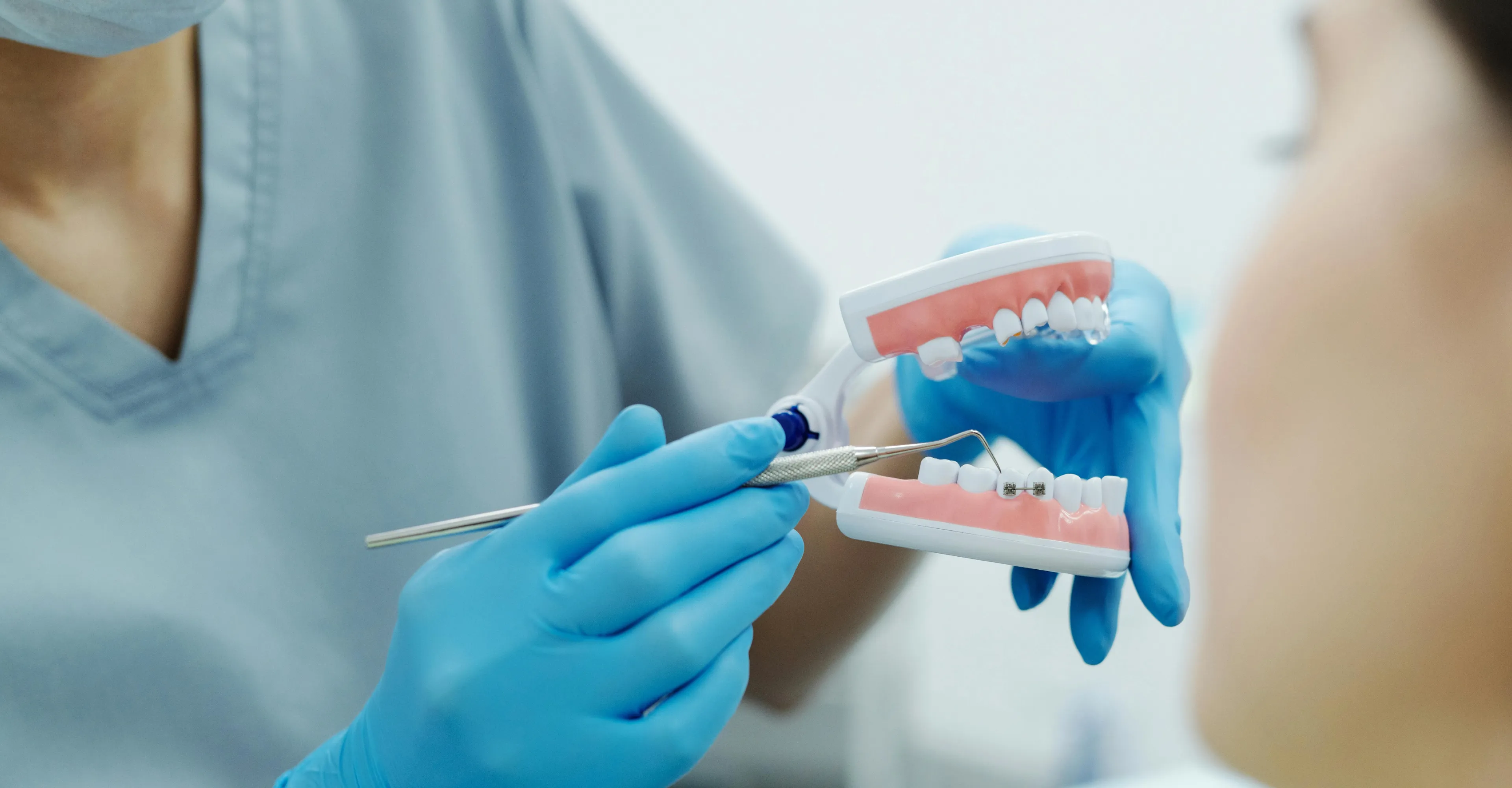



A routine dental visit is more than a quick look at your teeth. It is a comfortable opportunity to remove buildup, check the health of your gums and mouth, and discuss any concerns before they become more complicated. At Smile Makers Dental Center, patients and families receive attentive preventive care in a welcoming environment across Northern Virginia.
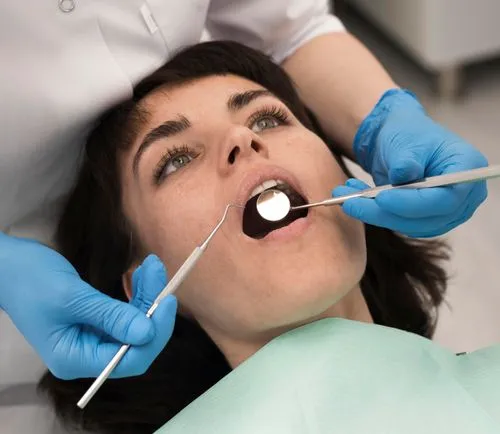
A routine dental checkup typically includes a professional cleaning, an examination of your teeth and gums, and screenings or X-rays when clinically appropriate. The dental team will also explain what they find and recommend practical next steps for maintaining a healthy smile.
Knowing what happens from the moment you arrive can make the appointment feel easier and help you prepare questions for the care team. The visit begins with a few simple steps designed to understand your needs and make you feel at home.
What to Expect When You Arrive for Your Routine Dental Checkup
From the moment a patient walks through the door, Smile Makers Dental Center is designed to make a dental visit feel comfortable and straightforward. The same warm, welcoming approach is available across all six Northern Virginia locations. So patients and families can choose an office that fits their routine without sacrificing a familiar experience.
At check-in, the front desk team confirms the appointment and helps new or returning patients with any necessary details. New patients may complete forms before arriving through the online intake process, which can make the first visit more efficient. Patients who prefer to complete paperwork in the office can do that with guidance from the team. It is helpful to bring an updated list of medications, dental concerns, and insurance information when applicable.
A friendly welcome from the dental team
After checking in, patients are greeted by the dental team and invited to settle in. The team can answer questions, review concerns, and explain what will happen next. Sharing details about tooth sensitivity, changes in the mouth, or dental anxiety at this stage gives the care team useful context and helps the appointment feel more personalized.
The goal is not to rush patients from one step to the next. Instead, the team creates a calm transition from the reception area to the treatment room. Once seated, patients can take a moment to get comfortable while the dental professional prepares for the checkup and confirms the reason for the visit. Parents can also ask questions about how the appointment will be adapted for a child or family member.
Support for patients with dental anxiety
Patients who feel nervous about dental care should mention it before treatment begins. Smile Makers Dental Center offers sedation options for anxious patients, and the team can discuss which approach may be appropriate based on the patient's needs and planned care. Asking about comfort measures early helps the team build a more reassuring experience.
Whether visiting for preventive care or returning after time away, patients can expect compassionate attention, clear communication, and a professional environment that treats them like family.
Step 1: The Professional Dental Cleaning
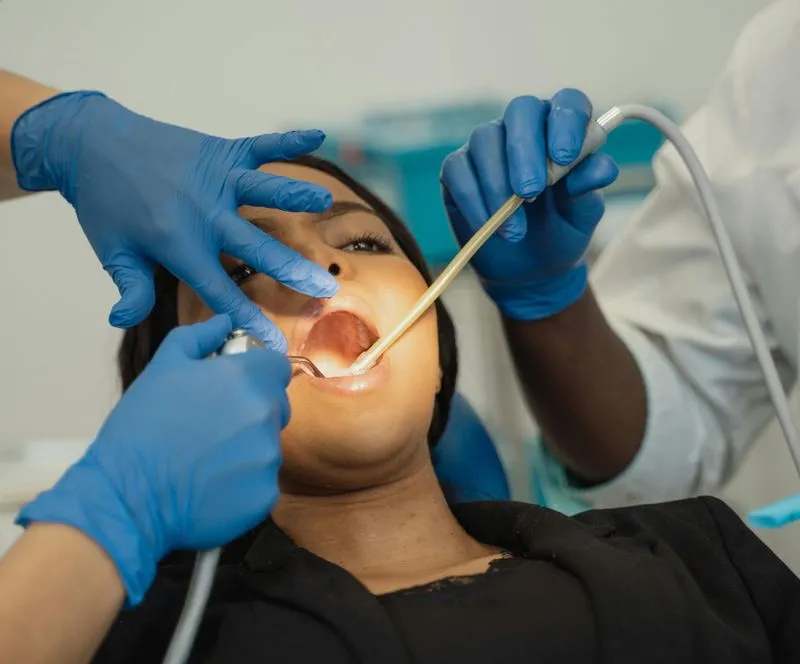
A professional cleaning removes buildup that brushing and flossing at home cannot always reach. The process is designed to be thorough while remaining gentle and comfortable, and the dental team can explain each step before beginning.
Scaling removes plaque and tartar
The hygienist uses specialized dental instruments to remove plaque and tartar from the visible surfaces of the teeth and from areas above and below the gumline. Plaque is a soft, sticky film, while tartar is hardened buildup that cannot be removed with a toothbrush alone. Careful scaling helps clean around the gumline without damaging the teeth. The process may involve light pressure and vibration, but patients can ask for a break or let the team know if an area feels sensitive.
Polishing smooths the tooth surfaces
After scaling, the hygienist polishes the teeth with a high-powered brush and a mildly gritty dental paste. This step smooths the tooth surfaces and removes remaining surface stains and fine deposits. The paste may feel grainy and have a minty or other fresh flavor. Polishing also leaves the teeth feeling clean and smooth when the appointment is finished. Scaling followed by polishing is a standard part of a typical dental cleaning, as described by the Cleveland Clinic.
Flossing cleans between the teeth
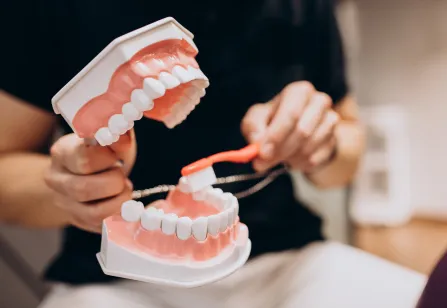
The final cleaning step is professional flossing between the teeth and along the gumline. Flossing removes leftover particles and confirms that the spaces between teeth are clean. It also gives the hygienist an opportunity to identify areas where gums bleed or where plaque tends to collect. Patients may receive practical guidance for improving flossing technique at home, especially if certain teeth are difficult to reach.
Routine professional cleanings every six months can help prevent gum disease and cavities, according to the Cleveland Clinic. Maintaining this schedule, along with daily brushing and flossing, supports a healthier smile between visits.
Step 2: The Comprehensive Dental Exam
After the cleaning, the dentist performs a closer evaluation of your oral health. This part of a routine dental checkup is not limited to looking for cavities. It gives the care team a broader view of how your teeth, gums, jaw, and surrounding tissues are functioning.
Teeth, gums, and existing dental work
The dentist checks each tooth for signs of decay, cracks, wear, sensitivity, or other changes. Existing fillings, crowns, bridges, and other restorations are reviewed to make sure they remain comfortable, secure, and effective. The dentist may also look for areas where plaque tends to collect or where a tooth is receiving unusual pressure.
Gum health is another important part of the exam. The dentist evaluates the depth of the spaces, or pockets, around the teeth, along with redness, swelling, bleeding, and gum recession. These findings help identify inflammation and possible periodontal concerns before they become more difficult to manage.
A complete look at oral and jaw health
The examination also includes the soft tissues inside the mouth. The dentist looks at the cheeks, tongue, palate, and throat for changes that may need closer attention. The neck may be checked as well, including the lymph nodes. Dentists routinely examine the gums, soft tissues, and neck as part of a comprehensive dental checkup.
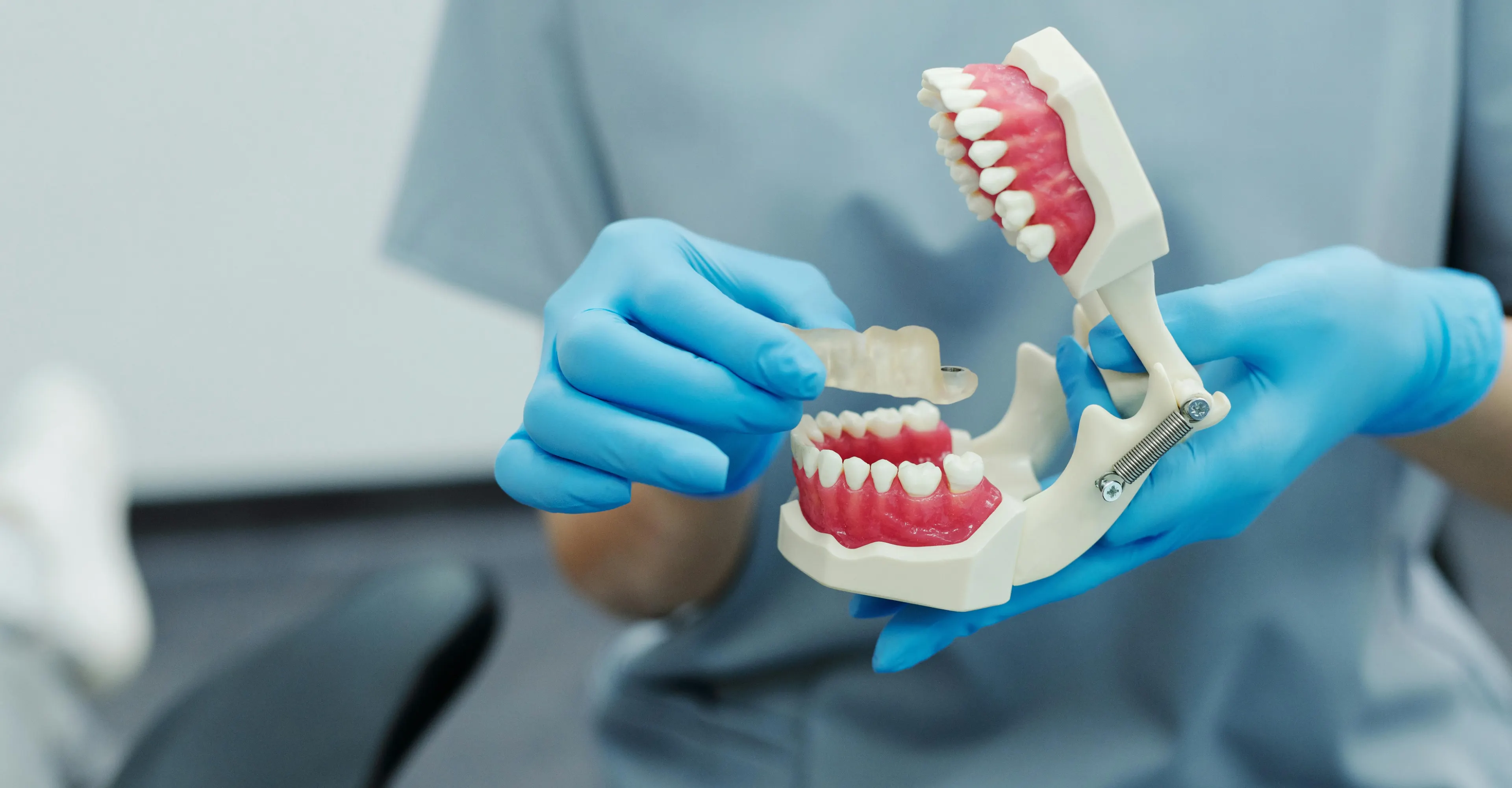
Depending on your symptoms and dental history, the dentist may assess how your upper and lower teeth come together. How the jaw moves, and whether there are signs of bruxism, or teeth grinding. Flattened or worn tooth surfaces, jaw tenderness, headaches, and muscle tension can all provide useful clues. Identifying these patterns can help protect teeth and improve comfort.
If the exam reveals a concern, the dentist explains the findings in clear language and discusses the available options. Patients are partners in deciding what happens next. Together, the dentist and patient can create a personalized care plan that reflects current needs, long-term goals, comfort, and practical priorities.
Step 3: Dental X-Rays and Oral Cancer Screening
Some parts of a dental checkup happen above the gumline, while others require a closer look beneath the surface. Dental X-rays and oral cancer screening give the dental team additional information that a visual exam alone cannot provide. Together, these steps support thorough, preventive care without adding unnecessary testing to every visit.
When dental X-rays may be recommended
Dental X-rays can help reveal problems that are difficult to see during a standard examination, including areas between teeth, changes around tooth roots, and concerns below the gumline. The type of image selected depends on what the dentist needs to evaluate:
- Bitewing X-rays can show the crowns of upper and lower teeth and the areas between them.
- Periapical X-rays capture an entire tooth, including the root and surrounding bone.
- Panoramic X-rays provide a broad view of the jaws, teeth, and nearby structures.
X-rays are not needed at every routine dental checkup. The recommended timing depends on factors such as oral health history, age, current symptoms, previous findings, and individual risk factors. Smile Makers Dental Center uses the information available from the patient's history and examination to determine whether updated images are appropriate.
What happens during an oral cancer screening
Many dentists perform an oral cancer screening during a regular dental visit, according to the Mayo Clinic. The screening is generally a straightforward visual and tactile examination. The dentist looks at the lips, gums, tongue, inside of the cheeks, roof of the mouth, floor of the mouth, and throat. They may also gently feel tissues in and around the mouth and neck for unusual changes.
This screening is not meant to cause alarm. It is one part of a comprehensive routine dental checkup designed to notice changes early and determine whether further evaluation is needed. Patients should also mention persistent sores, lumps, pain, numbness, or other changes they have noticed between appointments.
By combining appropriate imaging with a careful soft-tissue screening, Smile Makers Dental Center provides preventive care that is detailed, thoughtful, and centered on each patient's needs.
Why Regular Routine Dental Checkups Matter
Preventive dental visits are about more than a quick polish. They give the dental team a consistent opportunity to assess changes, answer questions, and address concerns before they interfere with your comfort, appearance, or daily routine. Most dentists recommend a cleaning and checkup every six months, although your recommended schedule may be different if you have specific oral health needs. A routine dental checkup is a practical way to stay ahead of those needs.
Small problems are easier to manage
Tooth decay and gum disease can develop quietly. A cavity may not hurt until it reaches deeper layers of the tooth, and early gum disease may cause few noticeable symptoms. Regular examinations help catch these concerns sooner, when treatment may be simpler, less invasive, and more affordable. HealthPartners identifies preventive checkups as a way to catch issues such as tooth decay and gum disease early. Delaying care can allow a small area of decay to become a larger restoration, or let gum inflammation progress and affect the tissues supporting the teeth.
Routine cleanings also help prevent gum disease and cavities by removing plaque and tartar that brushing and flossing cannot always eliminate. A typical appointment, including the examination and cleaning, is usually scheduled for about 45 to 60 minutes. That modest time investment can help prevent the discomfort, expense, and disruption associated with advanced dental problems.
| With regular checkups | Without regular checkups | |
|---|---|---|
| Cavities | Caught early, simple filling | May need root canal or extraction |
| Gum health | Plaque removed every 6 months | Plaque hardens, gums may recede |
| Cost | Low copay, most insurance covers it | High out-of-pocket for major work |
| Time | 45-60 minutes, twice a year | Multiple visits for urgent repair |
| Overall health | Oral issues linked to heart disease and diabetes are monitored | Oral inflammation may affect other conditions |
Prevention supports whole-person health
Oral health is connected to the rest of the body, so dental visits are especially important for patients managing conditions such as diabetes or heart disease. Keeping the dental team informed about your overall health helps support safer, more coordinated care. It also gives patients a chance to discuss dry mouth, bleeding gums, sensitivity, medication effects, or other changes that may influence both oral and general well-being.
Use the benefits already available
Many dental insurance plans cover two exams and two cleanings each year, though coverage varies by plan. Checking your benefits can make it easier to use preventive care consistently instead of waiting until a problem becomes urgent. Smile Makers Dental Center provides comprehensive family dental care to help patients maintain healthy routines across generations.
Frequently Asked Questions
What happens during a routine dental checkup?
The visit typically includes a professional cleaning followed by a dental exam. The dental team removes buildup from the teeth, then the dentist evaluates the teeth, gums, soft tissues, and surrounding areas. X-rays may also be reviewed or taken when they are appropriate for the patient's history and clinical needs.
How often should you get a dental checkup and cleaning?
Many patients benefit from scheduling a checkup and cleaning about every six months, but the right interval depends on oral health, gum condition, medical history, and risk factors. The dentist can recommend a schedule that fits the patient's needs rather than relying on a one-size-fits-all timeline.
What is included in a professional dental cleaning?
A professional cleaning focuses on removing plaque and tartar from tooth surfaces and along the gum line. The teeth are then polished to smooth the surfaces and help remove remaining surface stains. Regular cleanings also support prevention by reducing buildup that can contribute to gum disease and cavities.
Do I need X-rays at every dental checkup?
Not necessarily. Dental X-rays are recommended according to the patient's dental history, current symptoms, age, risk factors, and clinical findings. The dentist will decide when imaging is useful and explain why it is recommended, so patients can ask questions before the images are taken.
What happens if the dentist finds a problem?
The dentist will explain the finding, discuss available options, and recommend next steps based on the patient's priorities and oral health. Some concerns may simply need monitoring, while others may call for a separate treatment visit. Asking questions during the appointment can help clarify timing, comfort, and expected results.
Ready to Schedule Your Appointment?
A routine dental checkup and cleaning gives the dental team an opportunity to assess your oral health and support your everyday smile care. If you are due for a visit, schedule your appointment with Smile Makers Dental Center. The team can help you take the next step toward maintaining a healthy, comfortable smile.