





A throbbing toothache, swelling, or a sudden bad taste can make it difficult to focus on anything else. These symptoms deserve prompt attention, even if the pain briefly improves. An abscess is an infection that can continue developing beneath a tooth or around the gums without resolving on its own. Schedule an emergency dental evaluation at Smile Makers Dental Center if you are experiencing these symptoms.
Tooth abscess treatment requires a professional dental evaluation to locate the infection and determine whether drainage, root canal therapy, antibiotics, or extraction is appropriate. Because pressure from an infection inside the tooth can cause severe pain, early care can relieve symptoms and help prevent complications.
Understanding what causes an abscess and how it develops can make the next step feel less uncertain. Start by looking at what this infection is and where it forms.
What Is a Tooth Abscess?
A tooth abscess is a bacterial infection that creates a pocket of pus inside a tooth, at its root, or in the surrounding gum tissue. It usually develops when bacteria enter through decay, a crack, an injury, or a failed root canal. Dental abscesses typically arise from dental caries, trauma, or failed root canal treatment, according to the National Center for Biotechnology Information.
A tooth abscess is a bacterial infection that creates a pus pocket in the tooth root or gums. It requires professional diagnosis and treatment, as the infection will not resolve on its own. Early intervention can prevent the infection from spreading to surrounding tissues.
Periapical abscesses
A periapical abscess forms at the tip of a tooth's root. It often begins when untreated decay reaches the pulp, the innermost part of the tooth that contains nerves and blood vessels. Trauma can also damage the pulp, even if the tooth does not look broken. Once bacteria reach this area, the pulp can become inflamed or die. The infection then moves through the root canal and collects around the root tip, where pressure may cause deep, persistent pain.
| Feature | Periapical Abscess | Periodontal Abscess |
|---|---|---|
| Origin | Infection inside the tooth pulp | Infection in the gum tissue |
| Common cause | Deep decay, crack, or trauma | Gum disease or trapped debris |
| Tooth appearance | Often visibly decayed or damaged | May appear intact initially |
| Treatment approach | Root canal or extraction | Gum drainage and periodontal care |
Periodontal abscesses
A periodontal abscess develops in the gum tissue beside a tooth rather than inside the tooth's pulp. Gum disease, a deep gum pocket, or trapped debris can allow bacteria to multiply below the gumline. The area may feel tender, swollen, or painful when you bite. Because the tooth itself may initially appear intact, a dental examination is important for distinguishing a gum abscess from an infection that began inside the tooth.
How the infection progresses
Tooth enamel and dentine normally protect the pulp. A cavity, crack, or injury can break down that protection and give bacteria a path inward. As the infection grows in the confined pulp cavity, it can compress the inner dentine walls and cause severe pain. The infection may eventually extend beyond the root or into nearby gum and bone, creating swelling or a visible bump. Pain that suddenly decreases does not necessarily mean the infection is gone, because the pulp may have lost its ability to respond.
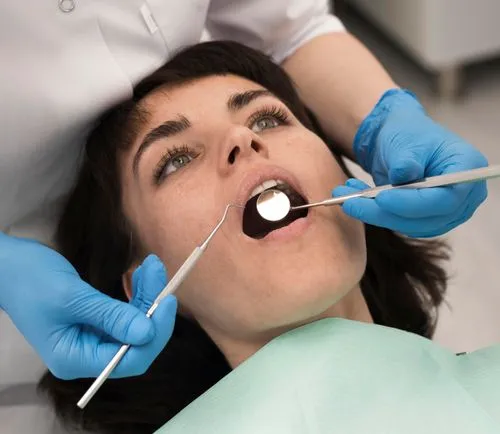
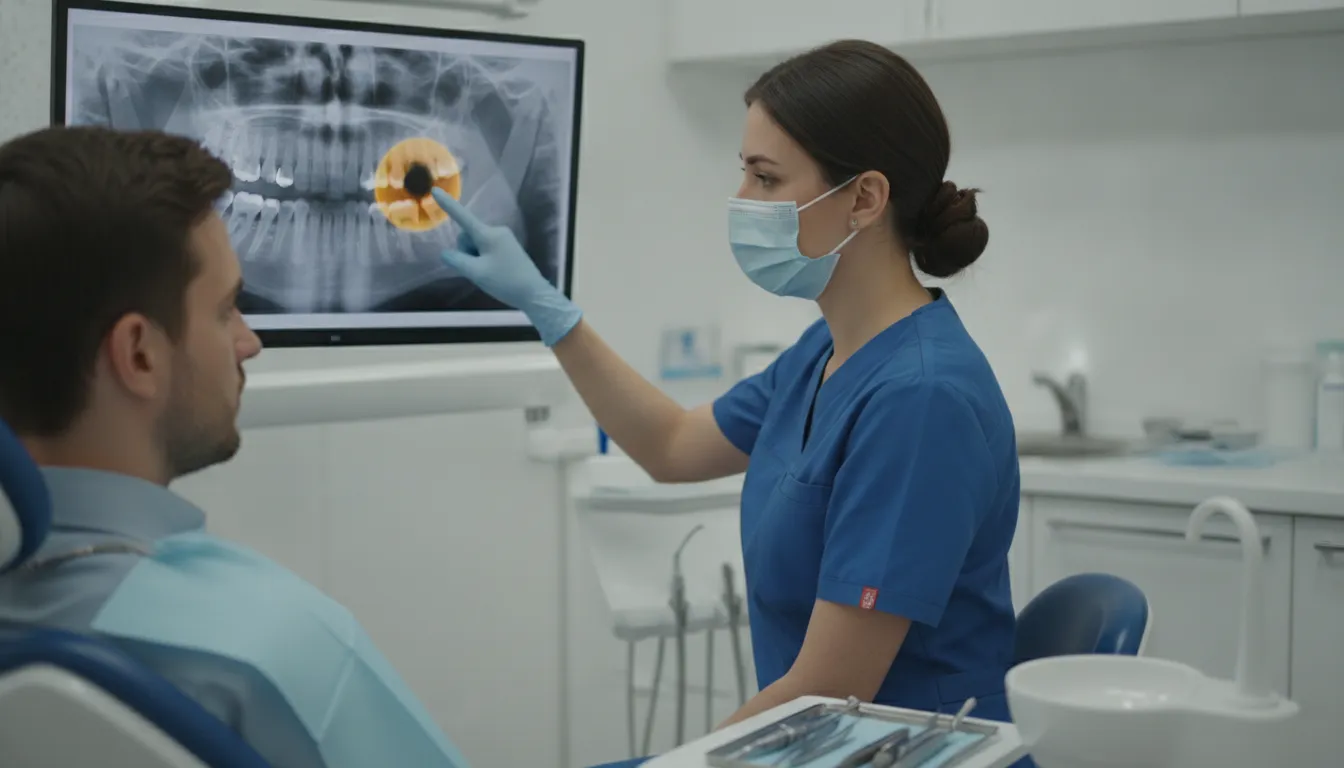
An abscess cannot be diagnosed reliably by symptoms alone. A dentist may examine the tooth and gums and use dental imaging to locate the infection and determine whether the source is the tooth or the surrounding tissues.
Signs and Symptoms of a Dental Abscess
A dental abscess can begin with a toothache that feels manageable, then become much more intense. Recognizing the early warning signs helps you seek care before the infection causes more extensive damage.
Common tooth abscess symptoms include severe throbbing pain, sensitivity to hot and cold, facial swelling, fever, a foul taste in the mouth, and swollen lymph nodes. Symptoms can escalate quickly, and the absence of swelling does not rule out an abscess. Prompt dental evaluation is the only reliable way to diagnose and treat the infection.
Common symptoms include:
- Severe, persistent toothache: Pain may throb, worsen when you lie down, or radiate into the jaw, ear, or neck. An abscess can cause severe pain because growing infection compresses the inner dentine walls within the limited space of the pulp cavity.1
- Sensitivity to hot and cold: A sharp or lingering response to hot drinks, cold foods, or temperature changes may signal irritation or infection inside the tooth.
- Facial or cheek swelling: Swelling near the tooth, cheek, jaw, or gums can indicate that inflammation is spreading beyond the tooth itself. The area may feel tender, warm, or tight.
- Fever: A fever, chills, or a general feeling of being unwell can occur as your body responds to infection.
- A bad taste in your mouth: A sudden foul or salty taste, especially with fluid draining near the tooth, may mean an abscess has opened. Pain can briefly improve after drainage, but the infection still needs professional treatment.
- Swollen lymph nodes: Tender or enlarged lymph nodes beneath the jaw or in the neck may accompany a dental infection.
Symptoms can change quickly
These symptoms do not always appear at the same time, and the absence of swelling does not rule out an abscess. Tooth pain may come and go, but that does not mean the infection has resolved. Without dental evaluation, the source remains and symptoms can progress from localized discomfort to swelling, fever, or difficulty opening your mouth and eating.
If you are dealing with intense tooth pain, review our relief tips for severe dental pain while arranging an appointment. Temporary comfort measures may help you get through the next few hours, but they cannot eliminate an abscess. Prompt evaluation is the safest way to determine whether the tooth needs drainage, root canal treatment, or another form of care.
What Causes a Tooth Abscess?
A tooth abscess develops when bacteria get past the tooth's protective layers or collect in the surrounding gum tissue. Several problems can create that opening, and more than one may be present at the same time. A dental abscess is typically linked to tooth decay, trauma, or a failed root canal treatment, according to the National Center for Biotechnology Information.
Tooth abscesses are caused by bacteria entering the tooth through untreated decay, cracks or chips, failed dental work, or gum disease. Deep cavities, fractured teeth, and periodontal pockets are the most common entry points. Regular checkups at Smile Makers Dental Center can identify these problems before they lead to infection.
Deep decay and untreated cavities
A cavity begins in the outer enamel and can gradually move through the dentin toward the pulp, where the tooth's nerves and blood vessels are located. If decay reaches the pulp, bacteria can trigger an infection that extends down toward the root. Delaying care for a small cavity can therefore turn a straightforward filling into a more involved restorative procedure.
Cracks, chips, and failed dental work
A crack or chip can expose inner tooth structure and give bacteria a path into the pulp. Even a tooth that looks mostly intact may have a fracture below the gumline. Older fillings and crowns can also develop gaps, loosen, or stop sealing effectively. In some cases, infection returns after previous root canal treatment, creating a need for careful evaluation and possible retreatment.
Gum disease and wisdom teeth
Periodontitis can create deep pockets between the gums and teeth. These spaces trap bacteria and may lead to a periodontal abscess, even when the tooth's pulp is not the original source of infection. Partially erupted wisdom teeth are another common site. When the crown is only partly visible, food and bacteria can become trapped between the tooth and the surrounding soft tissue, causing inflammation and infection.
Regular checkups help Smile Makers Dental Center identify cavities, weakened restorations, cracks, and gum disease before they become emergencies. When an abscess does develop, our Northern Virginia offices combine preventive, restorative, endodontic. And surgical services under one practice umbrella, helping patients receive coordinated care in a reassuring setting. Explore Smile Makers' comprehensive dental services or contact the nearest office for an evaluation. For additional reading on what happens during a routine dental exam, see our guide on what to expect at a routine checkup.
Why Prompt Tooth Abscess Treatment Is Critical
A tooth abscess is an active infection, not a problem that can safely be watched at home. Even if the pain fades, the bacteria and infected tissue may remain. The infection can continue moving through surrounding tissues, especially when there is no professional evaluation and drainage.
Prompt tooth abscess treatment is critical because the infection can spread beyond the tooth into the jaw, face, neck, or bloodstream. Home remedies like rinses and cold compresses provide temporary comfort but do not eliminate the infection. Only professional drainage and treatment of the source can resolve an abscess.
The infection can spread beyond the tooth
As an abscess progresses, swelling may extend into the gum, jaw, face, or nearby sinus areas. In more serious cases, untreated dental infections can descend into the deep neck spaces or travel upward toward the intracranial sinuses. These complications are uncommon, but they can become medically dangerous and require urgent care. Seek immediate help for rapidly increasing swelling, difficulty breathing or swallowing, confusion, or a high fever.
Facial cellulitis, sinus involvement, and systemic infection are not outcomes to manage with home care alone. A dental abscess can also make it harder to open your mouth or eat comfortably, and delays may limit the options for saving the affected tooth.
Home remedies do not remove the cause
Warm saltwater rinses, cold compresses, and over-the-counter pain relievers may provide temporary comfort while you arrange an appointment. They do not eliminate the infected source. Do not place aspirin directly on the gum, attempt to drain the abscess yourself, or use leftover antibiotics. These approaches can irritate tissue, delay appropriate care, or mask symptoms while the infection continues.
The primary response to an acute abscess is prompt dental evaluation followed by definitive drainage when indicated. Your dentist will assess the tooth and surrounding tissues, then determine whether root canal therapy, extraction, or another procedure is needed. Antibiotics may be appropriate in selected cases, particularly when infection has spread or systemic symptoms are present, but they are not a substitute for treating the source.
If you are dealing with swelling, persistent tooth pain, or a bad taste associated with an abscess, contact Smile Makers Dental Center for emergency dentistry. Early attention can reduce discomfort and help prevent a localized infection from becoming a broader health concern. Learn more about tooth extraction aftercare if extraction becomes necessary.
Tooth Abscess Treatment Options
The right treatment depends on where the infection started, how far it has spread, and whether the tooth can be restored. Because an abscess is an active infection, prompt dental evaluation and definitive drainage are central to treatment, rather than simply waiting for pain to fade. A dentist will examine the area and may use dental X-rays to determine the source before recommending the least invasive option that can resolve the infection.
Tooth abscess treatment options include incision and drainage, root canal therapy, antibiotics for spreading infection, and extraction when the tooth cannot be saved. The dentist selects the approach based on the infection's location, the tooth's restorability, and whether systemic symptoms are present.
Incision and drainage
When pus has collected in the gum or around the tooth, a dentist may make a small opening to drain it. This relieves pressure and can reduce swelling, but drainage alone may not address the damaged or infected tooth that caused the abscess. Follow-up treatment is usually needed to remove the source and prevent the infection from returning.
Root canal therapy
If the infection has reached the pulp inside the tooth and the tooth has enough healthy structure to save, root canal therapy (endodontic treatment) may be recommended. The dentist removes the infected pulp, cleans and disinfects the canals, then seals the space. A final restoration may be needed to protect the tooth and restore normal function. Patients who are unsure whether their symptoms point to this treatment can review these signs you may need a root canal, but an in-person evaluation is still necessary for a diagnosis.
Antibiotics as an adjunct
Antibiotics may be prescribed when there are signs that the infection is spreading or affecting surrounding tissues, such as significant swelling or systemic symptoms. They can help control bacterial spread, but they do not remove infected pulp or replace drainage and definitive dental care. Taking an antibiotic without treating the source can allow the problem to persist or recur. Your dentist will determine whether medication is appropriate for your situation.
Extraction when a tooth cannot be saved
If a tooth is too damaged, fractured, or weakened to restore predictably, extraction may be the safest option. Removing the tooth eliminates the infected source. Your dentist can then discuss replacement choices when appropriate, helping protect chewing function and the health of nearby teeth. See our guide on All-on-4 dental implants for one tooth replacement option.
Smile Makers Dental Center provides in-house endodontic and oral surgery care across six Northern Virginia locations, including Leesburg, Tysons, Falls Church, Fairfax, Bailey's Crossroads, and Woodbridge. Coordinating care within one practice can make it easier to move from urgent evaluation to the treatment your tooth needs, with clear explanations at each step.
How to Prevent a Tooth Abscess
Most tooth abscesses are preventable when small problems receive attention before bacteria can reach the inner tooth or surrounding tissues. A consistent daily routine, regular professional care, and prompt treatment for damage can lower your risk and help you avoid an urgent dental visit.
Preventing tooth abscesses requires consistent oral hygiene, early treatment of cavities and cracks, regular dental checkups, and attention to gum disease. A preventive plan with Smile Makers Dental Center can identify risks before they develop into infections. Daily brushing, flossing, and biannual exams form the foundation of abscess prevention.
Build dependable daily habits
Brush twice a day with fluoride toothpaste, using gentle circular motions along the gumline and each tooth surface. Clean between your teeth daily with floss or another interdental cleaner. These steps remove plaque and food debris that can contribute to decay and gum inflammation. If brushing is difficult because of braces, dental work, or sensitive gums, ask your dental team to recommend tools that fit your routine. For more on building a strong routine, read our guide on proper oral hygiene.
Treat cavities, cracks, and chips early
Untreated decay can progress toward the pulp, where infection may develop. Dental abscesses commonly arise from caries, trauma, or failed root canal treatment, so do not wait for severe pain before arranging an evaluation. A filling or other restorative care may address a cavity while it is still manageable. A cracked or chipped tooth also deserves prompt attention, even if it does not hurt. Damage can create an opening for bacteria and may worsen with chewing.
Keep preventive appointments
Routine checkups and professional cleanings help your dentist identify early decay, weakened restorations, and signs of gum disease. Periodontal care is especially important when gums bleed, feel tender, or pull away from the teeth. Treating gum disease can reduce inflammation and protect the tissues that support your teeth.
Pay attention to areas that are harder to clean, including partially erupted wisdom teeth. Bacteria can become trapped between a wisdom tooth and the surrounding soft tissue, making this area more vulnerable to inflammation and abscess formation. Avoid using your teeth to open packages, and wear a mouthguard for contact sports to reduce the chance of dental trauma. Smile Makers Dental Center can help you create a preventive plan that addresses your oral health needs before a problem becomes an emergency.
Sources: StatPearls, Dental Abscess.
Frequently Asked Questions
How do dentists treat a tooth abscess?
Treatment depends on the infection's location and the condition of the tooth. A dentist may drain the abscess, perform root canal therapy to remove infection while preserving the tooth, or recommend extraction when the tooth cannot be saved. Antibiotics may be prescribed when the infection has spread or there are systemic symptoms, but they do not replace treating the source.
Can a tooth abscess go away on its own?
No. An abscess does not heal without professional care. Pain may briefly decrease if the abscess drains, but the infection can remain and spread. Arrange a dental evaluation promptly, even if symptoms seem to improve.
What are the signs of a tooth abscess?
Common signs include a severe or persistent toothache, sensitivity to hot or cold. Swelling in the gum or face, a bad taste or drainage, fever, and swollen lymph nodes. Symptoms can change quickly, and the absence of swelling does not rule out an abscess.
How long does a tooth abscess take to develop?
An abscess can develop over days or weeks. A cavity may take months to reach the pulp, but once bacteria infect the inner tooth, pus can accumulate quickly. Worsening pain over 24 to 48 hours may signal that pressure is building inside the tooth.
Is a tooth abscess an emergency?
A tooth abscess is a time-sensitive condition that requires prompt dental care. While not every abscess requires an emergency room visit. You should seek immediate care if you have rapidly increasing swelling, difficulty breathing or swallowing, confusion, or a high fever. For most cases, scheduling a same-day dental appointment is appropriate.