

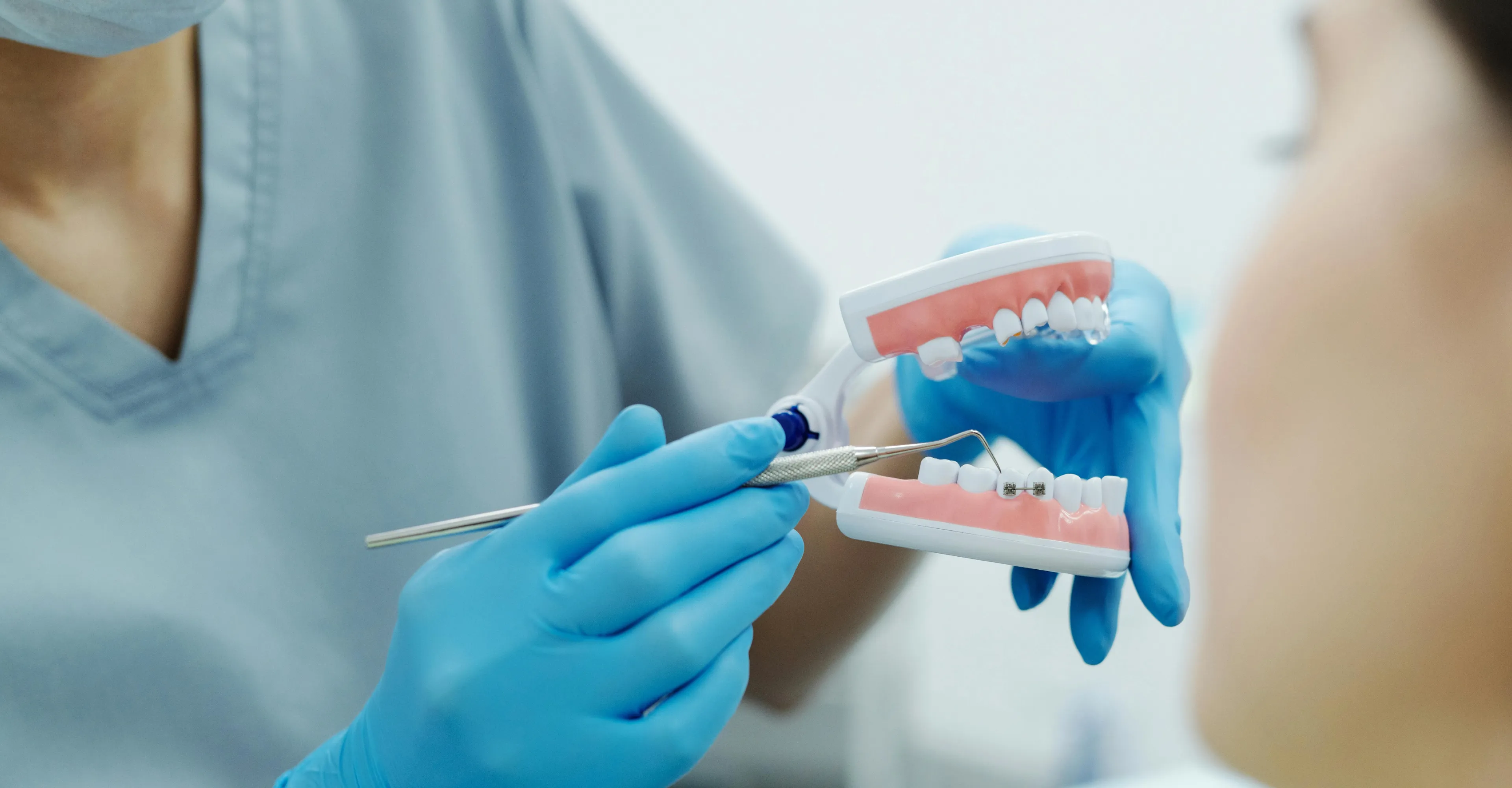



A proper oral hygiene routine does more than make your mouth feel fresh. It removes plaque from the places a toothbrush can reach, cleans between teeth where it cannot, and gives you a dependable way to protect your teeth and gums between dental visits. The best routine is not complicated, but technique matters. A rushed brush or a quick pass with floss can leave the same problem areas behind day after day.
Book an appointment with Smile Makers Dental Center for a personalized preventive-care plan and professional cleaning.
For most people, a good at-home routine has five parts: brush thoroughly, clean between teeth, clean the tongue, use mouthwash when it fits your needs, and keep regular dental visits. Below, Smile Makers Dental Center explains how to do each step carefully and when it is worth asking a dentist for individualized advice.
What should be included in a proper oral hygiene routine?
A proper oral hygiene routine includes brushing twice daily with fluoride toothpaste, cleaning between teeth once a day, and gently cleaning the tongue. Mouthwash can be a useful addition for some patients, but it does not replace brushing or flossing. Consistent technique is more important than buying every product on the shelf.
- Morning: Brush for two minutes with fluoride toothpaste and clean your tongue.
- Once each day: Floss or use another dentist-recommended interdental cleaner.
- Before bed: Brush carefully again, paying attention to the gumline and back teeth.
- As recommended: Use a therapeutic or fluoride mouthwash if it suits your oral-health needs.
The National Institute of Dental and Craniofacial Research notes that plaque is a sticky, colorless film of bacteria. Daily home care is about removing that plaque before it has more time to irritate gums or contribute to tooth decay.
How to brush teeth correctly
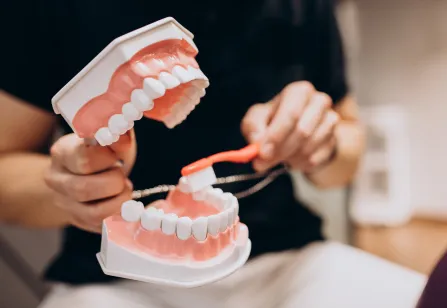
To brush teeth correctly, use a soft-bristled toothbrush and fluoride toothpaste for two full minutes, twice a day. Hold the bristles at a gentle 45-degree angle toward the gumline and use small, controlled motions. Cover the outer, inner, and chewing surfaces of every tooth instead of scrubbing back and forth in only one area.
Use the right angle and pressure
Place the toothbrush so the bristles meet both the tooth and the edge of the gumline. Tilt the brush about 45 degrees toward the gums. Use gentle circles or short back-and-forth strokes. Brushing harder does not mean brushing better. Too much pressure can be uncomfortable and may wear down tooth surfaces or irritate gum tissue.
Follow a simple order
It is easy to miss the same spots when brushing on autopilot. Try starting in the same place every time and moving around the mouth in a set pattern. For example, clean the outer surfaces first, then the inner surfaces, then the chewing surfaces. Finish with the inside of the lower front teeth and the back teeth, which are commonly rushed.
Do not skip the two-minute mark
Two minutes can feel longer than expected, especially on a busy morning. Use a timer, an electric toothbrush with a built-in timer, or a song that lasts about two minutes. After brushing, spit out the toothpaste. Your dentist can advise you on whether rinsing immediately is appropriate for your needs.
Families can reinforce the habit by brushing together. If you are looking for preventive care for every age, learn more about family dentistry at Smile Makers Dental Center.
How do you floss correctly?
Correct flossing cleans the sides of each tooth below the contact point, where toothbrush bristles do not reliably reach. Use a fresh section of floss as you move through the mouth, guide it gently between teeth, and curve it into a C shape against one tooth at a time. Avoid snapping floss down onto the gums.
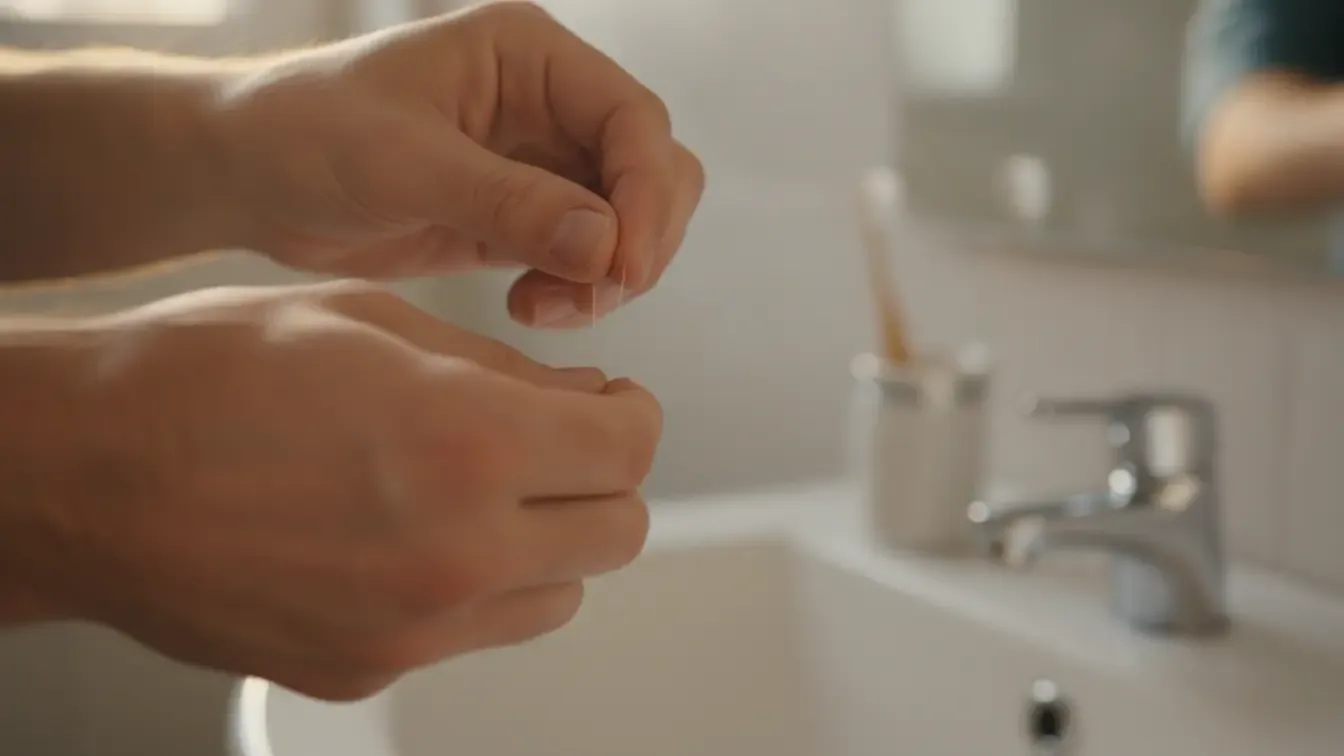
- Break off a comfortable length of floss and wrap most of it around a middle finger on each hand.
- Guide the floss between two teeth with a gentle sawing motion. Do not force it.
- Curve the floss around one tooth in a C shape.
- Move it up and down against that tooth, including just below the gumline.
- Repeat against the neighboring tooth, then move to a clean section of floss for the next space.
If your gums bleed when you begin flossing, do not assume the answer is to stop. Bleeding can be a sign that gums need attention. Gentle daily cleaning is important, and persistent bleeding, swelling, or tenderness should be discussed with a dental professional. Our guide to healthy gums and gingivitis treatment offers more context on when to seek care.
Need help choosing the right cleaning method for crowded teeth, bridges, braces, or sensitive gums? Schedule a visit with Smile Makers Dental Center for guidance that fits your smile.
Should you use mouthwash and clean your tongue?
Mouthwash and tongue cleaning can complement brushing and flossing, but neither is a substitute for them. A tongue scraper or toothbrush can gently remove coating from the tongue, while a dentist-recommended rinse may help address specific concerns such as cavity risk, dry mouth, or gum inflammation.
Clean your tongue gently
Starting at the back of the tongue, gently pull a tongue scraper forward two or three times, rinsing the scraper between passes. If you do not have a scraper, lightly brush the tongue with your toothbrush. Stop if you feel pain or strong gagging. The goal is gentle cleaning, not aggressive scraping.
Use mouthwash for the right reason
Some rinses are designed mainly for fresh breath, while others contain fluoride or antimicrobial ingredients. The American Dental Association's home oral care guidance emphasizes brushing with fluoride toothpaste and cleaning between teeth as the core habits. Ask your dentist which rinse, if any, makes sense for you, particularly if you have dry mouth, cavities, gum disease, restorations, or are caring for a child.
Electric toothbrush vs. manual toothbrush: which is better?
Both manual and electric toothbrushes can support a healthy mouth when used well. An electric toothbrush can be helpful if its timer, small brush head, or pressure sensor makes it easier for you to brush thoroughly. A manual toothbrush remains a sound option when it is soft-bristled, replaced regularly, and used with careful technique.
| Tool | May be helpful when | What matters most |
|---|---|---|
| Soft manual toothbrush | You prefer a simple, affordable option and can keep a two-minute routine. | Gentle pressure, full-mouth coverage, and fluoride toothpaste. |
| Electric toothbrush | A timer, pressure alert, or smaller head helps you stay consistent. | Use it slowly along the gumline instead of pressing or rushing. |
| String floss | You can comfortably clean each contact point and curve around teeth. | Clean both sides of every space without snapping into gums. |
| Water flosser or interdental brush | You have braces, bridges, implants, wider spaces, or need an easier option. | Choose a method your dentist recommends and use it consistently. |
There is no single best tool for everyone. The most effective choice is the one you can use correctly every day. If you are unsure, bring your toothbrush or flossing device to your next visit and ask for a quick demonstration. For patients with gum concerns, this overview of toothpaste choices for gum disease may also be useful.
What is the correct order of oral hygiene?
A practical oral hygiene order is to clean between teeth first, brush with fluoride toothpaste for two minutes, clean the tongue, and then use a recommended rinse if desired. This order keeps the essential steps clear and helps you build a routine you can repeat every day. The best sequence is one you will follow consistently.
Some people prefer to floss before brushing so loosened debris can be brushed away afterward. Others floss at a separate time of day because that makes the habit easier to remember. Either approach can work when you clean between teeth thoroughly once a day and brush twice a day.
When should you see a dentist about your routine?
See a dentist if you have persistent bleeding gums, tooth sensitivity, pain, bad breath that does not improve with routine care, loose teeth, mouth sores that do not heal, or a noticeable change in your gums. A professional exam and cleaning can identify concerns that an at-home routine cannot resolve on its own.
Smile Makers Dental Center offers preventive and comprehensive care across Northern Virginia. Whether you are returning after time away from the dentist or setting up care for your family, our team aims to make the next step feel straightforward and judgment-free. Visit our patient information page to prepare for your first appointment.
Ready to make preventive care part of your routine? Request an appointment with Smile Makers Dental Center.
Frequently asked questions about oral hygiene
What is the 3-3-3 rule for oral hygiene?
The phrase "3-3-3 rule" is used in different ways, so it is not a universal dental standard. Instead of relying on a slogan, focus on the fundamentals: brush twice daily for two minutes, clean between teeth once daily, and maintain regular professional care based on your dentist's recommendation.
What are the five proper steps for oral care?
Five useful steps are brushing with fluoride toothpaste, cleaning between teeth, cleaning the tongue, using a recommended mouthwash when appropriate, and keeping preventive dental appointments. These habits work together because each reaches a different part of daily oral care.
How often should you follow an oral hygiene routine?
Brush twice each day and clean between teeth once each day. Tongue cleaning can be part of your daily routine, and mouthwash use should follow the product directions or your dentist's guidance.
Are water flossers a replacement for string floss?
Water flossers can be valuable tools, especially around braces, bridges, implants, or areas that are difficult to clean. Ask your dentist whether a water flosser should supplement or replace string floss in your specific situation.
What are signs of poor oral hygiene?
Common warning signs include bleeding or swollen gums, persistent bad breath, plaque buildup, tooth sensitivity, or new cavities. These signs do not diagnose a condition by themselves, so schedule an exam if they continue or worsen.