
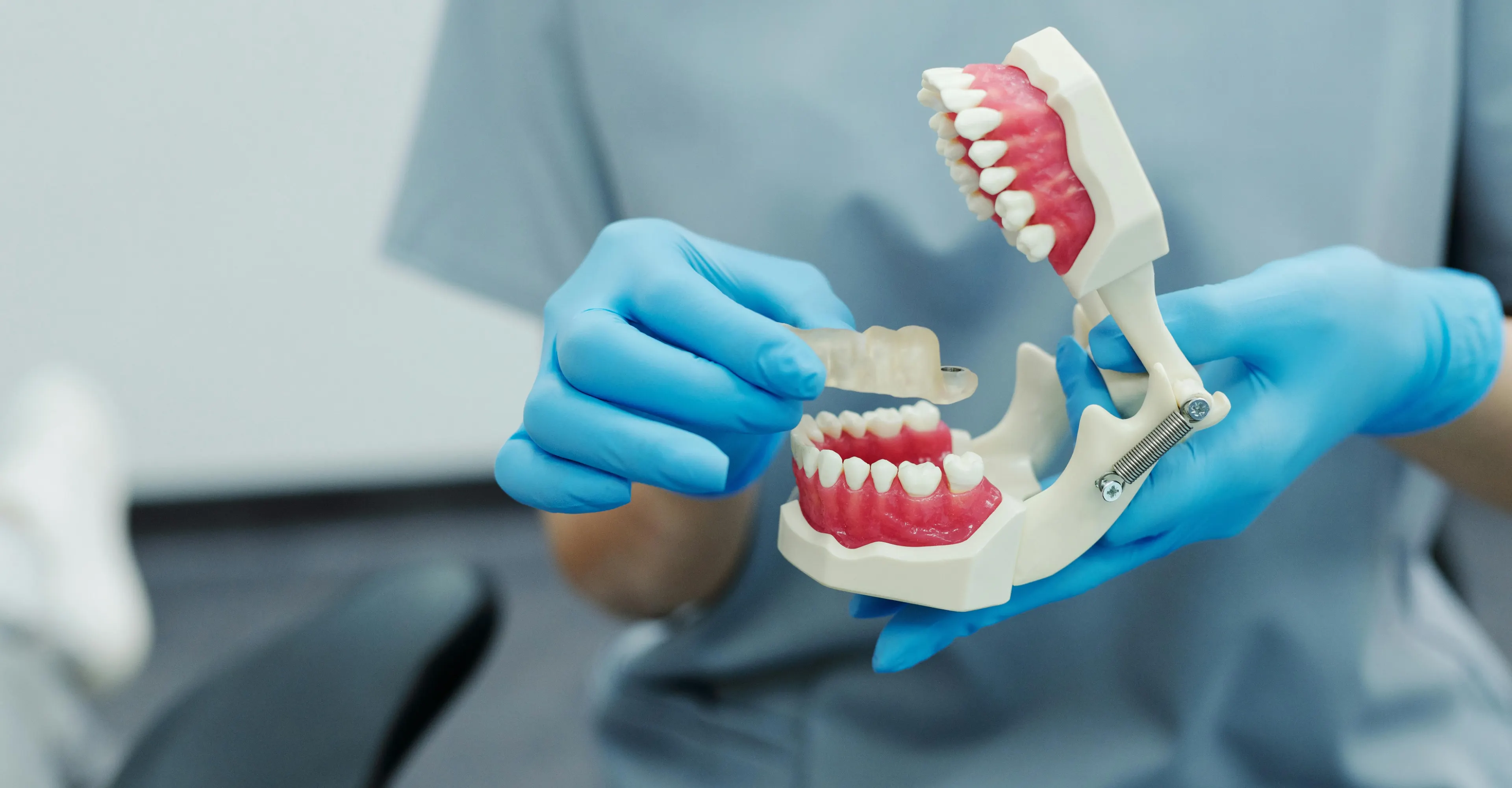
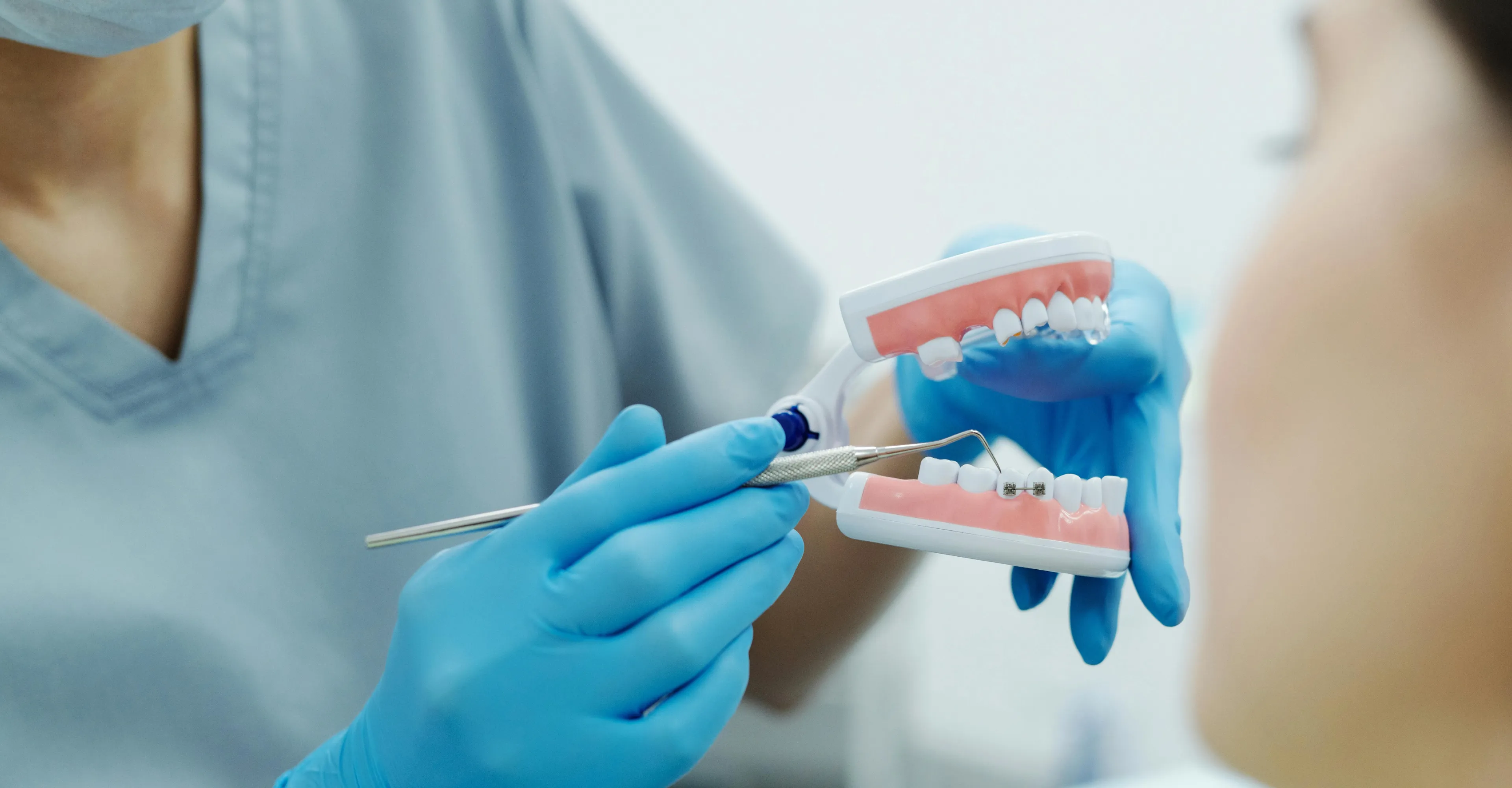
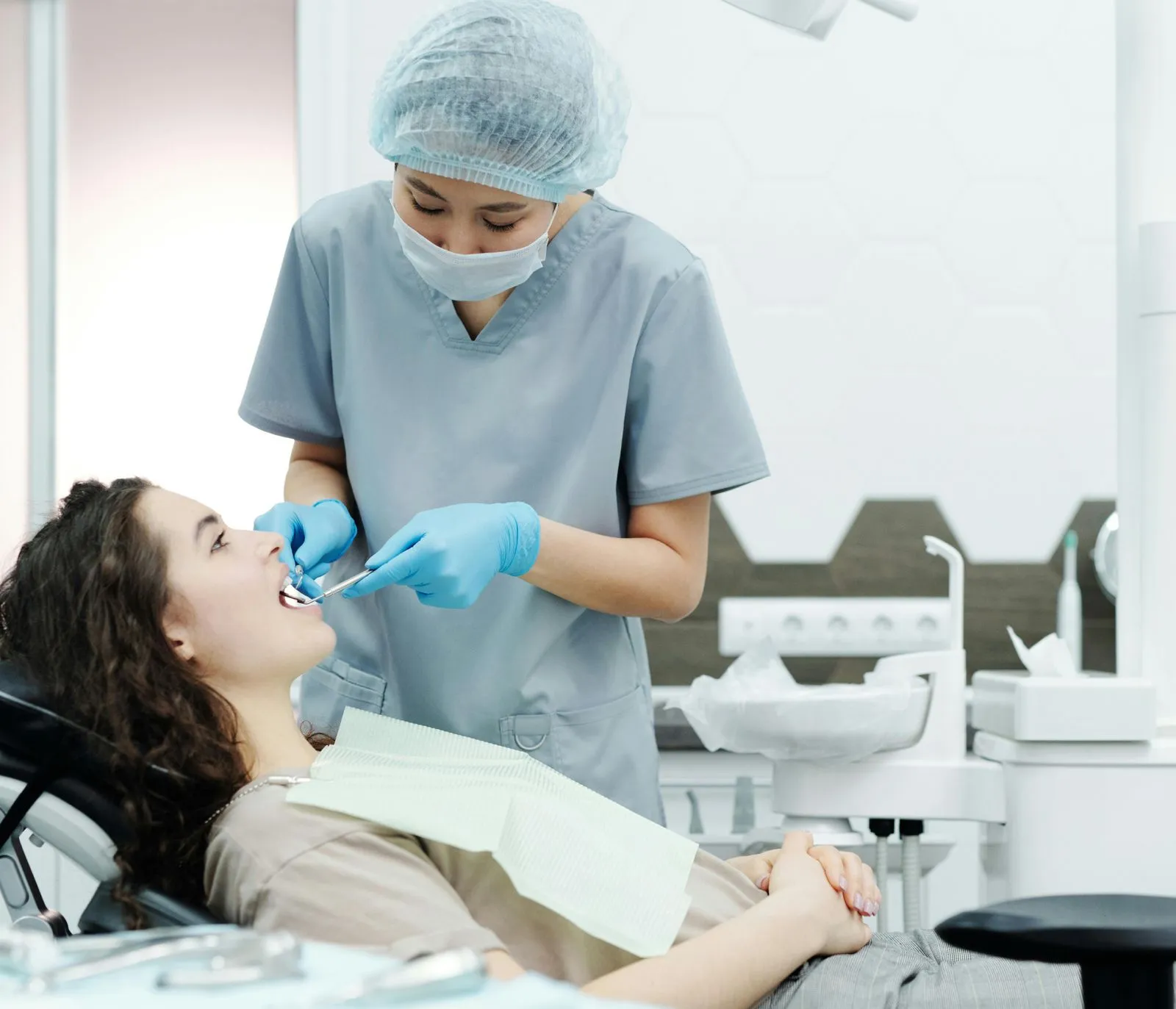


Missing most or all of your teeth can affect far more than your smile. Eating comfortably, speaking clearly, and feeling confident in everyday conversations may become difficult, especially when removable dentures feel unstable or uncomfortable. A fixed, full-arch restoration can offer a more secure way to rebuild both function and appearance.
All-on-4 dental implants use four strategically placed titanium implant posts to support a fixed set of custom teeth. Creating a permanent tooth replacement solution for many people missing all or most of their teeth. Clinical research has reported high cumulative survival rates for full-arch mandibular restorations, although candidacy and expected results depend on an individual evaluation.
Because implant treatment involves both surgical planning and restorative design, the right approach begins with understanding how the system works. What it can address, and how it differs from other replacement options. A closer look at the treatment structure can help you decide whether it fits your needs.
Schedule Your All-on-4 Consultation Today , Call Smile Makers Dental Center at (703) 646-4280 to discuss your tooth replacement options.
What Are All-on-4 Dental Implants?
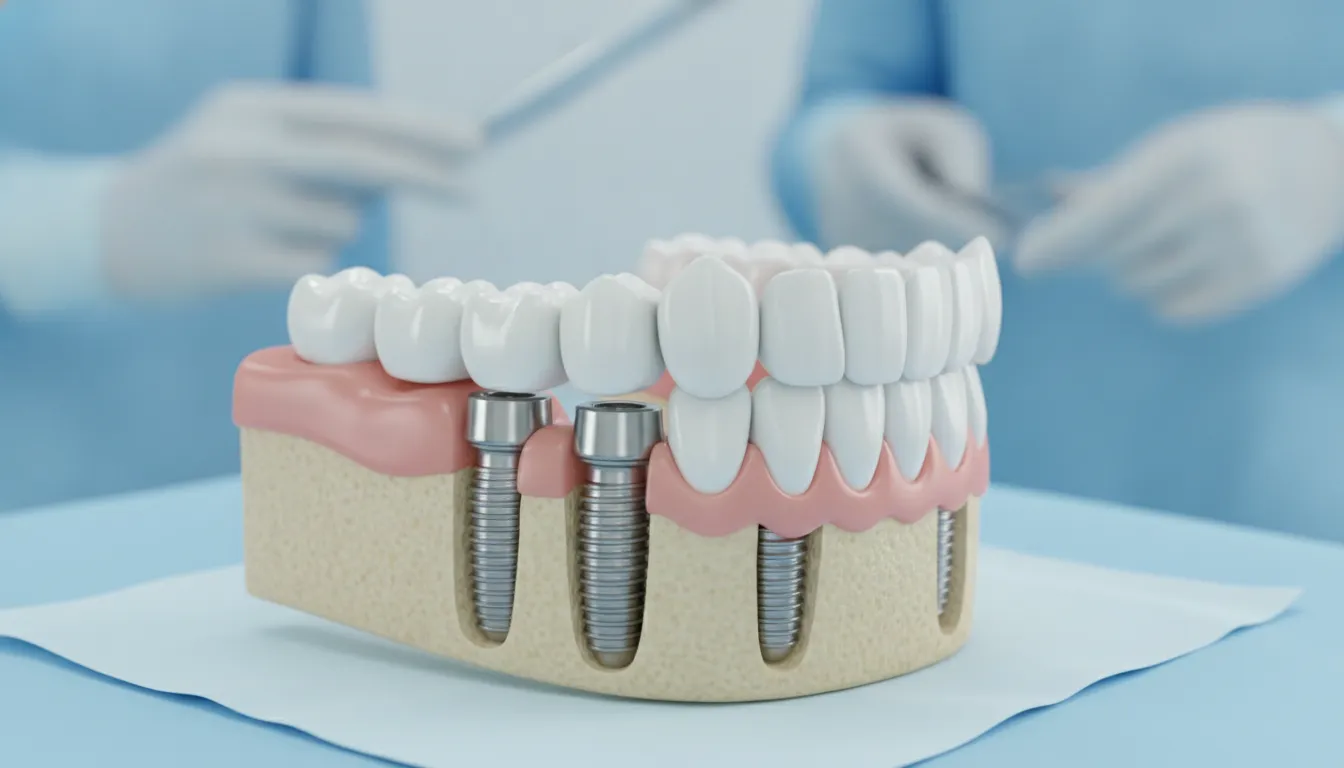
All-on-4 dental implants are a full-arch tooth replacement treatment for people who are missing all or most of their teeth. Instead of placing an individual implant for every missing tooth, the treatment uses four strategically positioned titanium implant posts to support one fixed prosthetic arch. The concept was developed through Nobel Biocare's implant system and is now used as a permanent tooth replacement solution for appropriately selected patients.
Typically, two implants are placed vertically near the front of the jaw, while two implants toward the back are angled. This arrangement helps create a stable foundation for a complete upper or lower arch of replacement teeth. The prosthesis is fixed to the implants, so it is not designed to be removed by the patient like a conventional denture. Treatment planning still varies from person to person, based on oral health, bone structure, medical history, and the condition of any remaining teeth.
How the restoration restores function and appearance
The implant posts act as anchors beneath the gumline, while the custom prosthetic arch replaces the visible teeth. Together, these components can help restore chewing function, speaking confidence, and a natural-looking smile. Smile Makers Dental Center uses titanium implant posts and custom crowns to support both function and aesthetics. Patients can discuss these and other restorative dentistry options during a personalized evaluation.
Bone support and a faster start
Because implants are placed in the jaw, they can provide long-term stability and help preserve supporting bone compared with tooth replacement options that rest only on the gums. Bone preservation is one reason an implant-supported restoration may be considered when tooth loss has affected everyday comfort and confidence. A clinical report on the All-on-4 concept also documented immediate function with fixed prostheses supported by four implants in completely edentulous mandibles. Although the timing of temporary teeth depends on surgical findings and individual treatment planning.
When clinically appropriate, patients may receive same-day provisional teeth after surgery. These temporary fixed teeth allow them to leave treatment with a functioning smile while the implants heal and integrate with the jawbone. The final prosthetic arch is placed later, once healing and stability have been evaluated. Smile Makers Dental Center includes All-on-4 within its permanent tooth replacement services, with care coordinated around each patient's needs and comfort.
Who Is a Candidate for All-on-4 Dental Implants?
All-on-4 dental implants may be a strong option for adults who have lost all or most of the teeth in one arch. Or whose remaining teeth cannot provide a stable foundation for a full smile. The treatment is designed to support a fixed, full-arch restoration. Making it an alternative to removable dentures for patients who want teeth that feel more secure during daily activities such as eating and speaking.
Patients with extensive tooth loss or bone loss
Some patients have significant jawbone loss after years without teeth. Traditional implant treatment may require bone grafting before enough support is available. All-on-4 uses strategically positioned implants and may allow an experienced implant team to support a full arch without the same grafting approach in every case. That does not make bone evaluation optional. Three-dimensional imaging and a detailed clinical examination are needed to assess bone volume, anatomy, gum health, remaining teeth, and the best treatment plan for each patient.
Clinical evidence has found high cumulative survival rates for the All-on-4 concept when used for fixed restorations in completely edentulous jaws. Which can offer appropriate candidates meaningful confidence in the approach. Read the clinical study on All-on-4 outcomes for additional context.
Patients who want a fixed solution with compassionate support
Ideal candidates are also ready to maintain their new teeth and attend follow-up visits. Anxiety should not keep someone from exploring treatment. Smile Makers Dental Center offers sedation dentistry to help nervous patients feel more comfortable during care. The first step is an implant consultation with imaging, where the team can explain whether All-on-4 fits the patient's oral health, goals, and comfort needs, or whether another tooth replacement option would be more appropriate.
The All-on-4 Procedure: What to Expect
The treatment plan is tailored to your oral health, goals, and available bone. All-on-4 treatment is designed to restore an entire arch through a streamlined process, often in one surgical visit rather than a series of separate implant surgeries. For many patients, the angled rear implants maximize contact with the available bone, which may reduce or eliminate the need for bone grafting. Your implant team will confirm whether that approach is appropriate after a detailed evaluation.
Initial consultation and digital imaging
Your first visit includes a review of your dental and medical history, an examination of your gums and remaining teeth. And a conversation about what you want your new teeth to look and feel like. Digital imaging helps the team evaluate bone volume, identify important anatomical structures, and plan the implant positions. This stage also gives you time to discuss sedation, treatment timing, temporary teeth, and the design of your final prosthetic arch.
Implant placement surgery
During the procedure, four implants are placed to support the new arch. Two implants are positioned relatively straight in the front of the jaw. The two rear implants are angled to maximize contact with available bone and create stable support. This configuration is one reason the technique can be completed with a single surgery for many suitable patients. Smile Makers' oral surgery expertise supports careful planning and coordinated care for complex implant cases.
Attachment of a temporary fixed arch
When initial implant stability is sufficient, a temporary fixed arch can be attached soon after surgery, sometimes the same day. This immediate-loading approach is documented in clinical research as providing fixed prosthetic function within hours for appropriately selected patients. The temporary arch is not the final restoration, but it allows you to leave with a fixed set of teeth while the implants heal.
Healing and osseointegration
Over the next several months, the implants integrate with the surrounding jawbone in a process called osseointegration. Healing commonly takes about three to six months before the final restoration is placed, although the timeline varies by patient. Follow-up visits allow the team to monitor healing, make adjustments to the temporary teeth, and guide you on cleaning and eating during recovery.
Placement of the permanent prosthetic arch
Once healing is complete, the temporary arch is replaced with a custom permanent prosthesis. Titanium implant posts provide the foundation, while custom crowns are shaped and arranged to restore function and a natural-looking smile. The final fit, bite, appearance, and comfort are checked carefully so your completed restoration supports everyday speaking, eating, and oral hygiene.
All-on-4 vs Traditional Implants: Cost and Key Differences
For patients replacing an entire arch, the choice between All-on-4 and traditional implant treatment often comes down to anatomy, treatment goals, timeline, and total cost. Both approaches can support a fixed restoration, but they use different surgical strategies. All-on-4 dental implants use four strategically positioned implants to support a full-arch prosthesis. Traditional full-arch treatment commonly uses six to eight implants, which may provide more individual support but can require additional procedures.
| Treatment factor | All-on-4 | Traditional full-arch implants |
|---|---|---|
| Number of implants | Usually four implants support the full arch. | Often six to eight implants support individual or connected restorations. |
| Bone grafting | Often not needed when tilted implant placement can use available bone. | May be needed when bone volume is insufficient at planned implant sites. |
| Surgery count | Often completed through one coordinated surgical phase, when appropriate. | May involve multiple procedures, especially when grafting or staged placement is necessary. |
| Time to final restoration | A temporary fixed prosthesis may be placed the same day, with the final restoration commonly following healing. | Usually takes longer when treatment is staged around grafting, implant healing, and restoration appointments. |
| Typical cost pattern | Generally lower because it uses fewer implants and may reduce the need for grafting. | Generally higher when more implants, procedures, appointments, or grafting are needed. |
Why the lower starting cost may not be the whole picture
All-on-4 is not automatically the least expensive choice for every patient. The estimate should account for imaging, extractions, anesthesia or sedation, the temporary prosthesis, the final prosthesis, maintenance, and any preparatory treatment. A traditional approach may be more appropriate when bone volume, bite forces, or the planned restoration call for additional implant support. A consultation and three-dimensional imaging are needed to compare complete treatment plans rather than implant counts alone.
Long-term results also matter when reviewing value. A clinical report found high cumulative survival for the All-on-4 concept in full-arch mandibular restorations (PubMed clinical study). Nobel Biocare reports a 98% implant survival rate at 7.5 years in its published All-on-4 treatment data. Although individual outcomes depend on health, placement, prosthetic design, and daily maintenance.
For a closer look at the factors that shape a treatment estimate, review full mouth dental implant costs and full mouth implant costs with insurance. Your dentist can then explain which option fits your anatomy and budget without reducing the decision to a single advertised price.
Recovery and Long-Term Care for All-on-4 Implants
Recovery is a staged process, and your dental team will give you instructions tailored to your procedure, health, and temporary restoration. Knowing what to expect can make the transition feel more manageable.
The first week: protect the healing tissues
During the first several days, tenderness, swelling, and mild bruising can be normal. Follow the prescribed medication and cleaning instructions, use cold compresses as directed, and rest with your head elevated if that is comfortable. Choose soft foods that require little chewing, and avoid putting unnecessary pressure on the treatment area. Your team will let you know when it is appropriate to progress to more solid foods.
Three to six months: allowing the implants to integrate
Although a fixed temporary arch may be placed soon after surgery in appropriate cases, the implants still need time to bond with the jawbone. This process, called osseointegration, generally takes about three to six months, along with gum healing, according to published review of implant-supported full-arch rehabilitation outcomes. Follow-up visits allow the team to monitor healing and confirm when you are ready for your permanent arch.
The implant-supported design provides more than a stable way to replace missing teeth. Dental implants can help preserve jawbone health and provide long-term stability, unlike removable dentures, which do not stimulate the bone in the same way. Your permanent arch is designed for comfortable function and a natural appearance, but it still needs thoughtful care.
Maintaining your results for the long term
Keep regular dental checkups so your team can examine the implants, gums, bite, and prosthetic. Brush carefully twice daily and clean beneath and around the arch using the tools recommended for you, such as interdental brushes or a water flosser. Avoid chewing ice, hard candy, or other very hard foods that could chip or damage the prosthetic. With proper maintenance, All-on-4 restorations may last 30 years or even a lifetime, according to American Academy of Implant Dentistry. Consistent home care and professional monitoring give you the best chance of protecting your investment and enjoying a confident smile for years to come.
Pros and Cons of All-on-4 Dental Implants
All-on-4 treatment can offer a fixed, full-arch replacement with fewer implant posts than replacing every tooth individually. It is a significant treatment decision, though, and the right choice depends on bone structure, overall health, oral hygiene, budget, and long-term goals. A balanced review of the benefits and limitations can help you prepare for a consultation.
Potential benefits
- One coordinated surgery: A full arch can be supported by four strategically placed implants, which may simplify treatment compared with placing an implant for each missing tooth.
- Bone grafting may not be necessary: The angled placement of implants can sometimes make use of available bone and reduce the need for grafting. This is not true for every patient. Severe bone loss may require grafting or another treatment plan.
- Fixed teeth quickly: The All-on-4 concept was developed for immediate function, and the original clinical protocol documented fixed prostheses within hours of surgery. Your dentist will determine whether immediate temporary teeth are safe and appropriate for you. Review the clinical study.
- Strong documented outcomes: Research has reported high cumulative implant survival for full-arch mandibular restorations. One cited study reported 100% prosthesis survival, with low average bone resorption. These results describe study populations and do not guarantee an individual outcome. Read the published findings.
- Long-term stability: Implants can help preserve jawbone and provide more stability than removable dentures. Nobel Biocare reports that more than 250,000 patients have been treated with the concept and cites 98% implant survival at 7.5 years. While outcomes vary by patient and maintenance.
- Potential long service life: With careful hygiene, professional maintenance, and appropriate habits, the implant foundation may last for decades. A Northern Virginia oral surgery source notes that treatment can last 30 years or longer with proper care, although the prosthetic teeth may need replacement sooner.
- Potentially lower implant cost: Using four implants to support an arch may cost less than replacing every tooth. Compare full-mouth implant costs to understand the investment across treatment options than replacing each tooth with an individual implant. The total estimate still depends on imaging, extractions, sedation, temporary teeth, the final prosthesis, and follow-up care.
Potential limitations
- Surgery and recovery are required: Swelling, soreness, dietary restrictions, and a recovery period are normal considerations. Osseointegration, or bonding between bone and implants, commonly takes about three to six months before final restoration.
- Higher upfront cost than dentures: All-on-4 may be more economical than many individual implants, but it generally requires a larger initial investment than removable dentures.
- Daily care remains essential: Patients must clean beneath the prosthetic arch and attend regular maintenance visits. Poor hygiene, smoking, uncontrolled health conditions, or excessive biting forces can increase complications.
- The final arch is not maintenance-free: The prosthetic arch may need replacement after roughly 10 to 15 years, even when the implants remain stable. A detailed evaluation is the best way to determine whether the benefits outweigh these tradeoffs for your needs.
Ready to restore your smile? Call (703) 646-4280 or schedule an implant consultation at Smile Makers Dental Center today.
Frequently Asked Questions
Are All-on-4 dental implants permanent?
They are designed as a permanent tooth replacement solution for people missing most or all of their teeth. The implant posts are intended to provide stable support, while the attached prosthetic teeth may require professional maintenance or replacement over time. A consultation can clarify what permanence means for your specific treatment plan.
What is the downside of All-on-4 dental implants?
The treatment involves surgery, a significant financial investment, and a recovery period. It also requires consistent cleaning and professional follow-up to protect the implants and prosthesis. Not every patient is an ideal candidate, so an evaluation of your oral health, bone structure, medical history, and goals is essential before treatment.
How much do All-on-4 implants cost?
There is no single price because the total depends on factors such as the number of arches treated. Preparatory procedures, sedation, the temporary prosthesis, and the final custom restoration. Ask for a written estimate that separates surgical, prosthetic, diagnostic, and follow-up costs so you can compare the complete treatment rather than an incomplete advertised starting price.
What is the recovery time for All-on-4 implants?
Many treatment protocols are designed to support a fixed prosthesis soon after surgery. But the implants still need time to integrate with the jawbone before the final restoration is placed. Recovery varies by patient and procedure. Your team will provide instructions for eating, cleaning, activity, discomfort control, and follow-up visits.
How long do All-on-4 dental implants last?
Implant treatment can provide long-term stability, but longevity depends on factors such as home care. Routine dental visits, bite forces, smoking, overall health, and the condition of the prosthesis. A clinical study reported high cumulative implant and prosthesis survival for full-arch mandibular restorations, supporting the treatment concept: PubMed clinical study.
Schedule Your All-on-4 Implant Consultation
A consultation can help you understand whether All-on-4 treatment fits your needs and how a coordinated, multi-specialty team can support your care. To take the next step, schedule your All-on-4 implant consultation with Smile Makers Dental Center.