



Waking with a tight jaw, a morning headache, or teeth that feel unusually sensitive can be easy to dismiss. Especially if you do not hear yourself grinding at night. Bruxism may happen while you sleep or during the day, often without your awareness, and it can gradually affect teeth, dental work, jaw muscles, and nearby soft tissues.
Effective teeth grinding treatment depends on what is causing the bruxism and how much damage or discomfort it creates. A dentist may recommend a custom night guard to separate the upper and lower teeth, along with steps to address stress, sleep-related concerns, or other contributing factors.
Bruxism is common and treatable, but recognizing its pattern is the first step toward choosing the right care. Understanding how grinding appears during waking hours and sleep can help Northern Virginia patients know which symptoms deserve a dental evaluation.
Understanding Bruxism: What Teeth Grinding Looks Like
Bruxism is the involuntary, often rhythmic contraction of the masseter muscles, the powerful muscles that help close your jaw. That contraction can bring the upper and lower teeth together repeatedly, even when you are not aware of it. Some people grind loudly, while others mainly clench. In either case, repeated pressure can affect the teeth, jaw muscles, and surrounding tissues.
Awake bruxism
Awake bruxism happens while you are conscious, although the habit may still occur without your noticing. It is often an unconscious physical reaction to stress, anxiety, or depression. You may catch yourself holding your teeth together while working, driving, concentrating, or responding to a difficult situation. Awareness is useful because gently relaxing the jaw and keeping the teeth slightly apart can reduce repeated strain. If clenching is frequent or painful, a dental evaluation can help determine whether you need further custom-fitted mouth guards for bruxism.
Sleep bruxism
Sleep bruxism occurs during sleep, so many people learn about it from a partner who hears grinding, or from a dentist who sees unusual wear. It is associated with normal sleep arousals and may also occur alongside conditions such as obstructive sleep apnea. Because the person is asleep, recognizing the pattern often depends on morning jaw soreness, headaches, tooth sensitivity, or visible changes to the teeth.
Bruxism is common. A 2024 meta-analysis estimated that about 22.22% of people worldwide experience it, with sleep bruxism reaching 31% in North America. Cedars-Sinai also reports that up to one-third of adults grind or clench during the day. Children can grind their teeth as well, and many naturally outgrow the habit without treatment. Still, persistent pain, tooth damage, or disrupted sleep deserves attention. An examination can distinguish a temporary habit from a pattern that may benefit from personalized teeth grinding treatment.
What Causes People to Grind Their Teeth
Teeth grinding can have more than one cause, and identifying the pattern matters when choosing teeth grinding treatment. Some people clench while awake without realizing it. Others grind during sleep as part of a broader sleep or medication-related issue. A dental evaluation can help separate these possibilities and identify damage before it becomes more difficult to manage.
Stress, anxiety, and mood changes
Awake bruxism is often connected with stress, anxiety, or depression. Clenching may become an unconscious physical response during concentration, emotional strain, or demanding parts of the day. You may not notice it until your jaw feels tired, your teeth become sensitive, or someone points out that you are holding your teeth together. The connection does not mean the symptoms are "just stress." Persistent clenching can place real pressure on the teeth, jaw muscles, and jaw joints.
Noticing when clenching happens can be useful. For example, setting reminders to relax the jaw, keeping the teeth slightly apart when not chewing. And discussing stress or sleep concerns with an appropriate healthcare professional may complement dental care.
Sleep arousals and obstructive sleep apnea
Sleep-related bruxism is frequently associated with brief sleep arousals. It can also occur alongside conditions such as obstructive sleep apnea, according to the National Center for Biotechnology Information (NCBI clinical reference). This does not mean grinding alone confirms sleep apnea. However, loud snoring, gasping during sleep, morning headaches, or significant daytime sleepiness are worthwhile symptoms to discuss with a dentist and medical provider.
Because the jaw, airway, and sleep patterns can interact, Smile Makers offers specialized TMJ and sleep apnea treatment for patients who need a closer evaluation of these concerns.
Medication effects and bite alignment
Some antidepressants in the selective serotonin reuptake inhibitor family, including fluoxetine, sertraline, and venlafaxine, have been associated with new or worsening bruxism. A systematic review of reports on antidepressant-associated bruxism found that symptoms may begin within two to three weeks of starting a medication or changing its dose (NIH/PMC systematic review). Do not stop or change a prescription on your own. Tell the prescribing clinician and dentist when grinding began so they can coordinate a safe plan.
A bite that does not come together evenly, known as malocclusion, may also contribute to uneven pressure and clenching. Your dentist can assess tooth contacts, restorations, jaw movement, and muscle tenderness to determine whether alignment is part of the picture. Often, several factors overlap, so treatment focuses on protecting the teeth while addressing the underlying contributors.
Signs and Symptoms of Bruxism
Bruxism can be difficult to recognize, especially when it happens during sleep. A partner may be the first person to notice grinding or clenching sounds at night. Sleep bruxism affects about 21% of people globally, with prevalence reaching approximately 31% in North America, according to a 2024 MDPI review. Even when the sound is subtle, repeated pressure can gradually affect the jaw, teeth, and surrounding tissues.
Jaw, face, and head symptoms
Jaw muscle tenderness or stiffness is a common warning sign. You may notice soreness when waking, discomfort while chewing, or pain when opening and closing your mouth. Some people also develop facial pain, ear-area discomfort, or morning headaches caused by sustained muscle tension. During a dental exam, a dentist may check the jaw muscles and joints for tenderness, stiffness, or pain with movement. These findings can help identify bruxism even when no one has heard grinding at night.
Changes to the teeth
Repeated grinding can wear down enamel, making teeth look flatter or more even along the biting edges. As enamel becomes thinner, hot, cold, or sweet foods may trigger tooth sensitivity. More advanced wear can contribute to chips, cracks, discomfort when chewing, or damage to existing dental work. Bruxism may also affect the underlying bone and irritate the soft tissue inside the cheeks. These changes do not always mean bruxism is the only cause, so a dental evaluation is important before choosing teeth grinding treatment.
Jaw discomfort may overlap with temporomandibular joint problems. While you arrange an evaluation, you can review these TMJ home treatment methods, but persistent pain, sensitivity, or visible tooth wear deserves professional attention. Early assessment helps distinguish occasional clenching from a pattern that is putting your oral health at risk.
Professional Teeth Grinding Treatment Options
The right approach depends on how often you grind, whether your teeth or jaw are being damaged, and what may be contributing to the habit. A dental evaluation helps separate simple protection from treatment for worn teeth, jaw disorders, sleep concerns, or medication effects.
1. Custom-fitted night guards
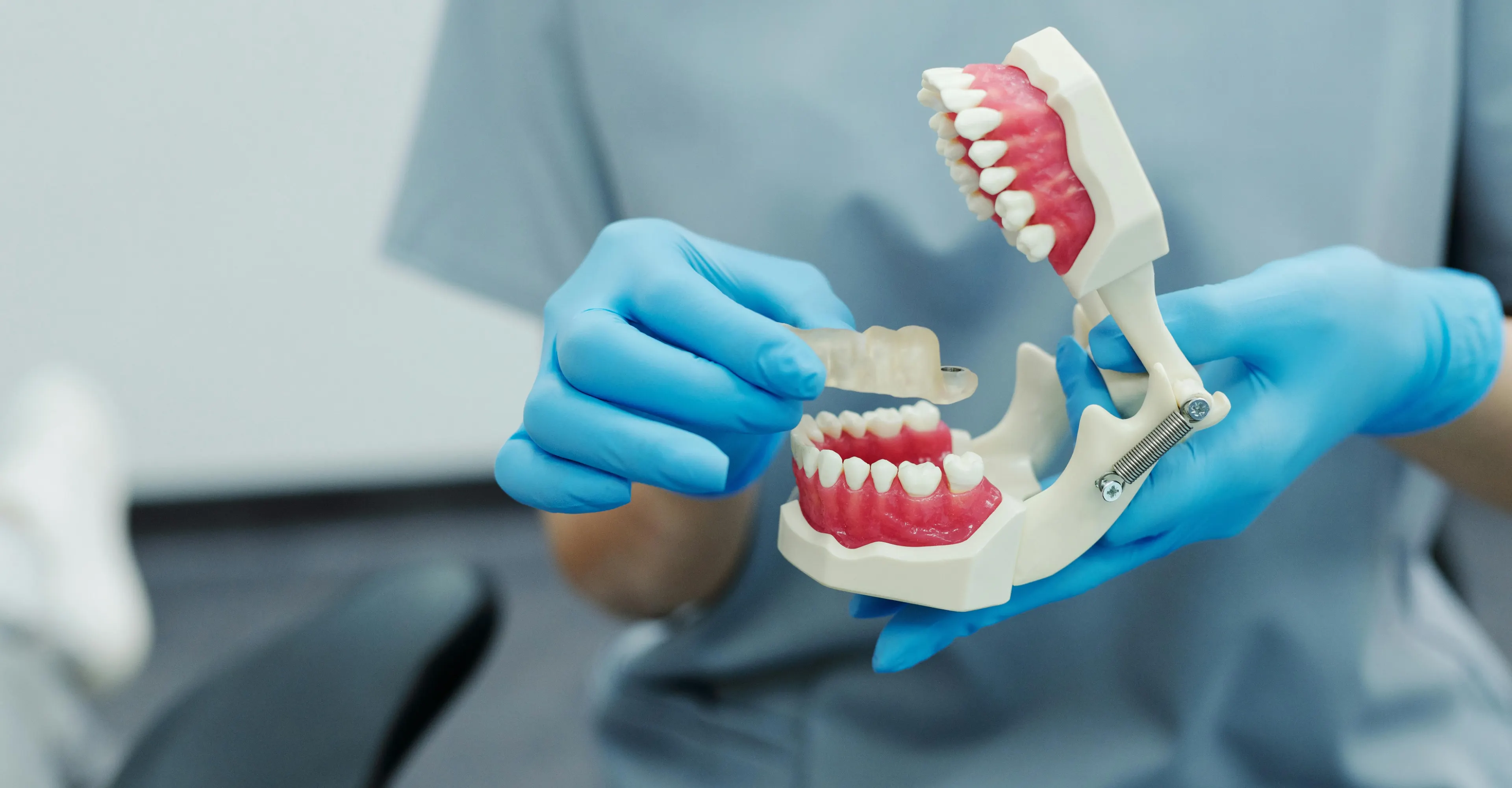
For many patients, a custom-fitted night guard is the first-line option and the practical foundation of teeth grinding treatment. A properly made splint creates a physical barrier between the upper and lower teeth while you sleep, helping prevent the damage caused by clenching and grinding. The Mayo Clinic explains that splints and mouth guards keep the top and bottom teeth separated during sleep.
Custom appliances are designed for your bite and can be adjusted for comfort and fit. They are different from a one-size-fits-all product that may feel bulky, loosen during sleep, or fail to address your specific bite. Read more about teeth grinding mouth guard treatment before choosing an appliance.
2. Stress and muscle-tension management
Stress-related clenching may improve when the nervous system and jaw muscles receive consistent support. Your dentist may recommend meditation, yoga, regular exercise, or cognitive behavioral therapy alongside dental protection. These strategies do not replace an appliance when grinding is wearing down teeth. But they can help address triggers that keep the muscles active during the day or night.
3. Repair for severe tooth wear
When bruxism has caused significant wear, sensitivity, or difficulty chewing, protection alone may not restore function. In severe cases, dental correction can include reshaping chewing surfaces or using crowns to repair damaged teeth. The Mayo Clinic notes that the appropriate correction depends on the extent of wear and the way it affects your bite and daily comfort.
| Treatment | Best For | How It Works |
|---|---|---|
| Custom Night Guard | Moderate to severe grinding, tooth wear | A custom-fitted acrylic splint separates the upper and lower teeth, preventing contact damage during sleep |
| Stress Management | Awake bruxism, anxiety-related clenching | Meditation, yoga, exercise, or CBT reduces the unconscious jaw tension that drives daytime grinding |
| Dental Correction | Advanced tooth wear, sensitivity, chewing difficulty | Crowns or occlusal reshaping restore damaged chewing surfaces and protect weakened teeth |
4. Additional options for persistent bruxism
Some patients ask about Botox injections. Botox can temporarily reduce activity in the jaw muscles, but it is not FDA-approved specifically for teeth grinding, and it is not the right choice for everyone. Discuss potential benefits, limitations, and alternatives with a qualified dental professional.
If clenching starts soon after beginning an SSRI antidepressant or changing its dose, tell both your dentist and prescribing clinician. They can review whether a medication adjustment or another medically appropriate strategy is warranted. Do not stop or change a prescribed medication on your own.
Because grinding can overlap with jaw disorders and sleep-related breathing problems, patients with persistent symptoms may benefit from specialized TMJ and sleep apnea treatment. A personalized plan may combine a night guard, habit and stress support, restorative care, or evaluation of an underlying condition.
When to See a Dentist About Teeth Grinding
Occasional jaw tension does not always mean you need urgent treatment. Many adults grind or clench mildly, and some cases do not require active care. However, recurring symptoms deserve attention because ongoing pressure can gradually affect your teeth, jaw, and comfort.
Signs it is time to schedule an evaluation
Make a dental appointment if you notice persistent jaw pain, tenderness, stiffness, or discomfort when opening and closing your mouth. Morning headaches, especially tension around the temples, can also point to overnight clenching. Tell your dentist if a partner or family member hears grinding while you sleep, since sleep-related bruxism may happen without your awareness.
Visible changes to your teeth are another reason to be evaluated. Flattened chewing surfaces, small chips, cracks, worn enamel, or new sensitivity can indicate that grinding is putting excess force on your teeth. Bruxism may also affect the underlying bone and the soft tissue inside the cheeks. A dentist can look for these changes during a regular exam, along with tenderness in the jaw muscles or joints. Mayo Clinic explains how bruxism is diagnosed and treated.
What happens during a bruxism evaluation?
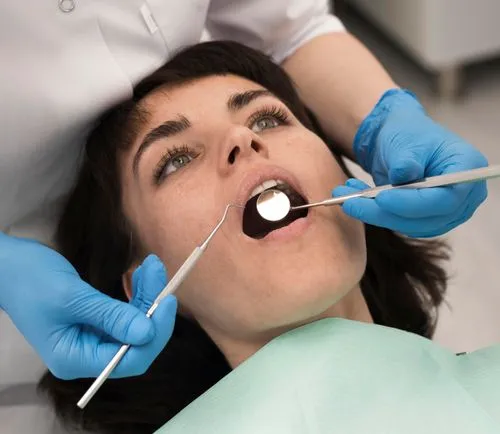
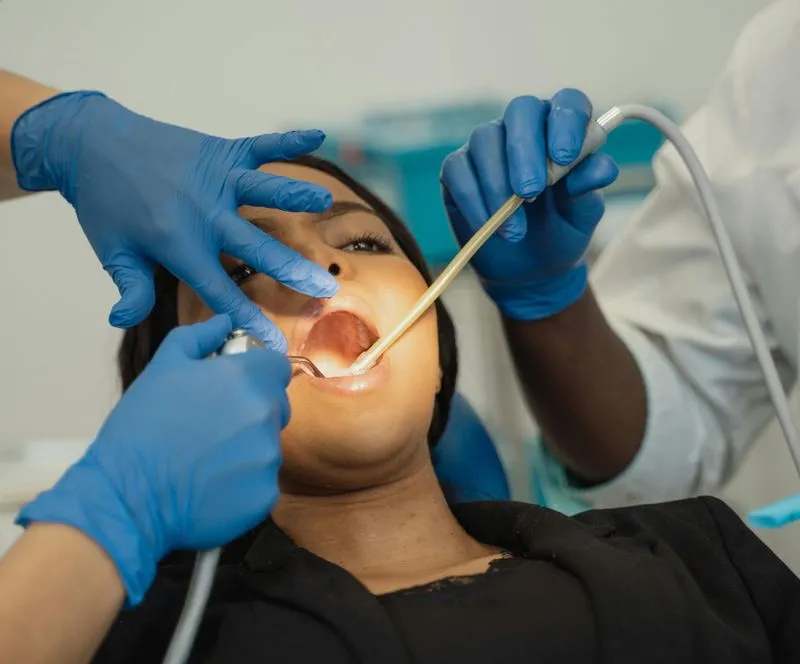
Your dentist will ask about symptoms, sleep patterns, stress, medications, and any reports of nighttime grinding. The examination may include your teeth, bite, jaw muscles, and jaw joints. If your symptoms suggest a related concern, such as TMJ dysfunction or sleep apnea, your care plan can address those factors rather than focusing only on the grinding.
Smile Makers Dental Center provides comprehensive bruxism evaluations across six Northern Virginia locations in Leesburg, Tysons, Falls Church, Fairfax, Bailey's Crossroads, and Woodbridge. Custom night guards are available in-house to create a comfortable barrier between the upper and lower teeth and help reduce damage while you sleep. Your dentist can explain whether a guard, monitoring, restorative care, or simple observation is the most appropriate next step. If pain, sensitivity, or visible wear is increasing, schedule a visit rather than waiting for the problem to become disruptive.
Frequently Asked Questions
Can a dentist tell if I grind my teeth at night?
Often, yes. During a routine exam, a dentist can look for worn enamel, tooth damage, jaw muscle tenderness, stiffness, or pain when moving the jaw. A bed partner's report of grinding sounds can also provide a helpful clue. Mayo Clinic describes these exam findings as common parts of bruxism evaluation.
Will a custom night guard stop teeth grinding?
A custom night guard may not eliminate the underlying urge to clench or grind, but it can protect the teeth while you sleep. The appliance separates the upper and lower teeth, helping prevent damage caused by repeated contact. Your dentist can determine whether a custom-fitted guard is appropriate for your bite, symptoms, and amount of tooth wear.
Is teeth grinding connected to sleep apnea?
It can be. Sleep-related bruxism is associated with sleep arousals and may occur alongside conditions such as obstructive sleep apnea. If grinding happens with loud snoring, breathing pauses, gasping, or significant daytime sleepiness, mention those symptoms during your dental and medical evaluation. NCBI identifies obstructive sleep apnea as one condition linked with sleep-related bruxism.
Do children always need treatment for bruxism?
No. Many children outgrow bruxism without intervention, and some adults do not grind or clench severely enough to require active treatment. A dental visit is still useful when grinding causes pain, sensitivity, visible tooth wear, chewing difficulty, or other concerns. Mayo Clinic notes that treatment is not needed in every case.
}Ready to Schedule a Bruxism Evaluation?
If teeth grinding is affecting your jaw comfort, sleep, or confidence in your smile, a professional evaluation can help clarify the next step. Smile Makers Dental Center can discuss your symptoms and whether a custom night guard or another treatment approach may be appropriate. Schedule a consultation online at one of six Northern Virginia locations, or use the online booking tool to find the office nearest you.