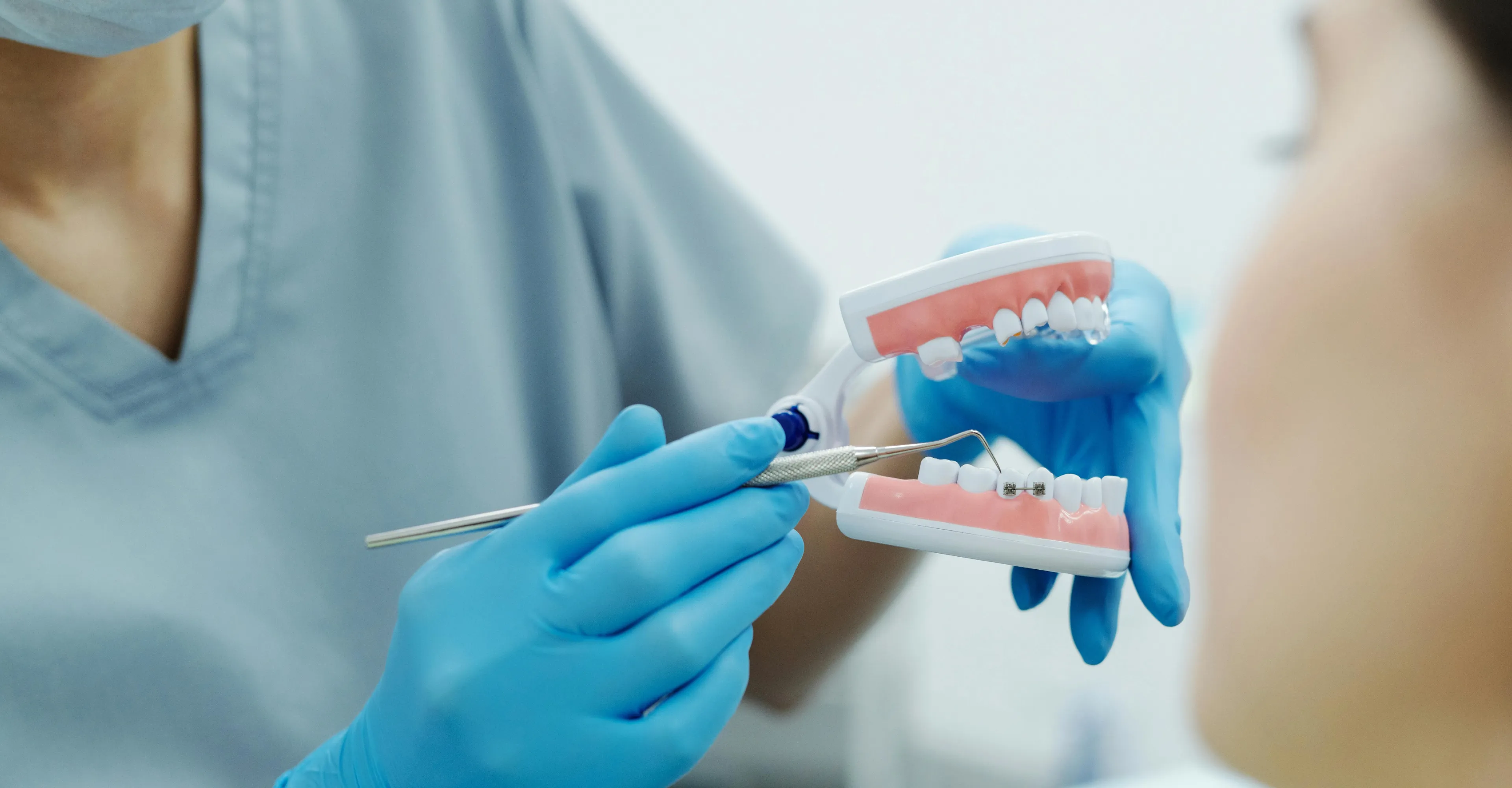
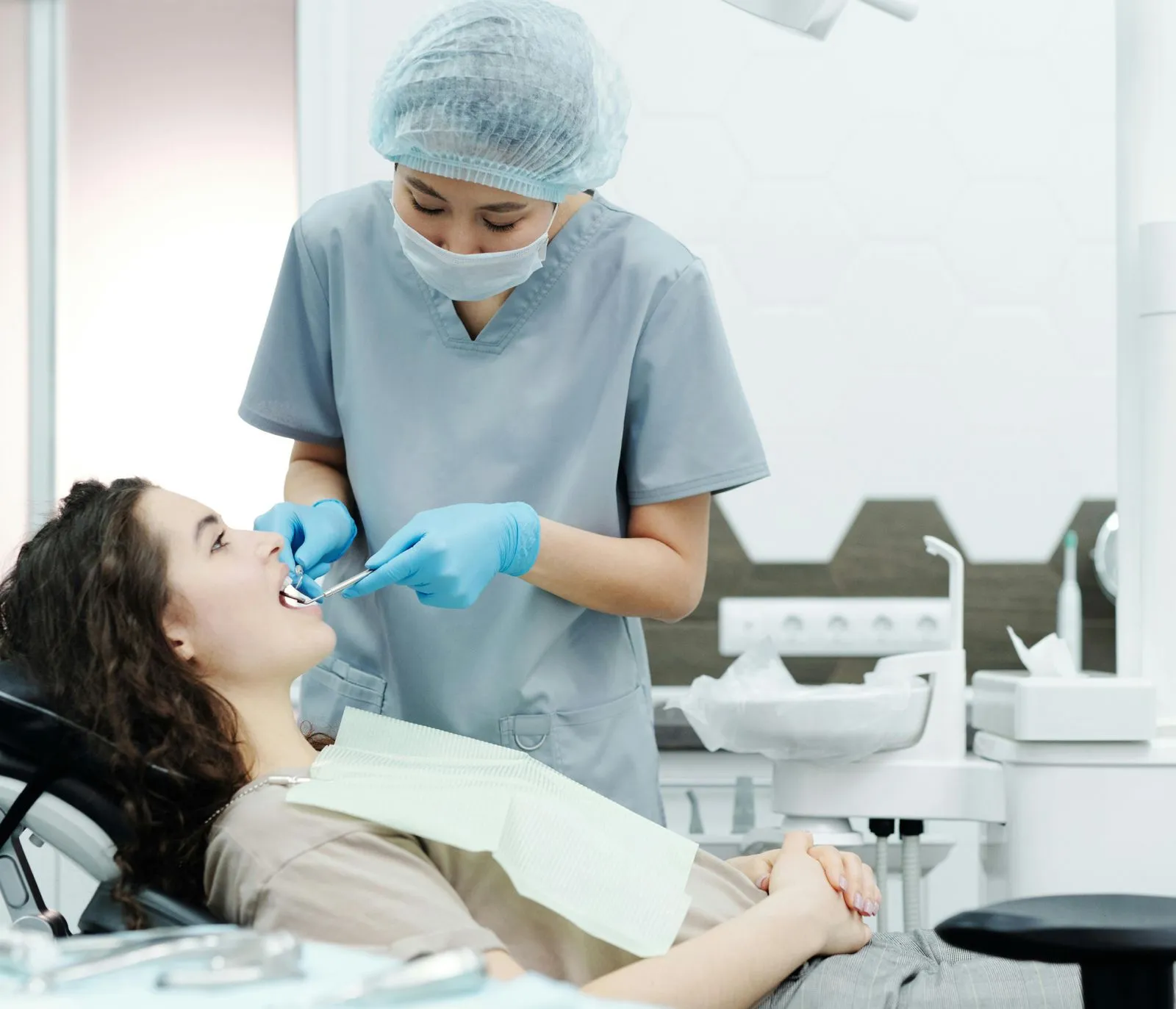


Immediate dentures are removable dentures prepared before planned tooth extractions and placed soon after the teeth are removed. They can help you avoid a period without a denture, but the fit can change as your mouth heals, so follow-up visits and adjustments are an important part of planning.
Book an appointment to discuss your denture options
What are immediate dentures?
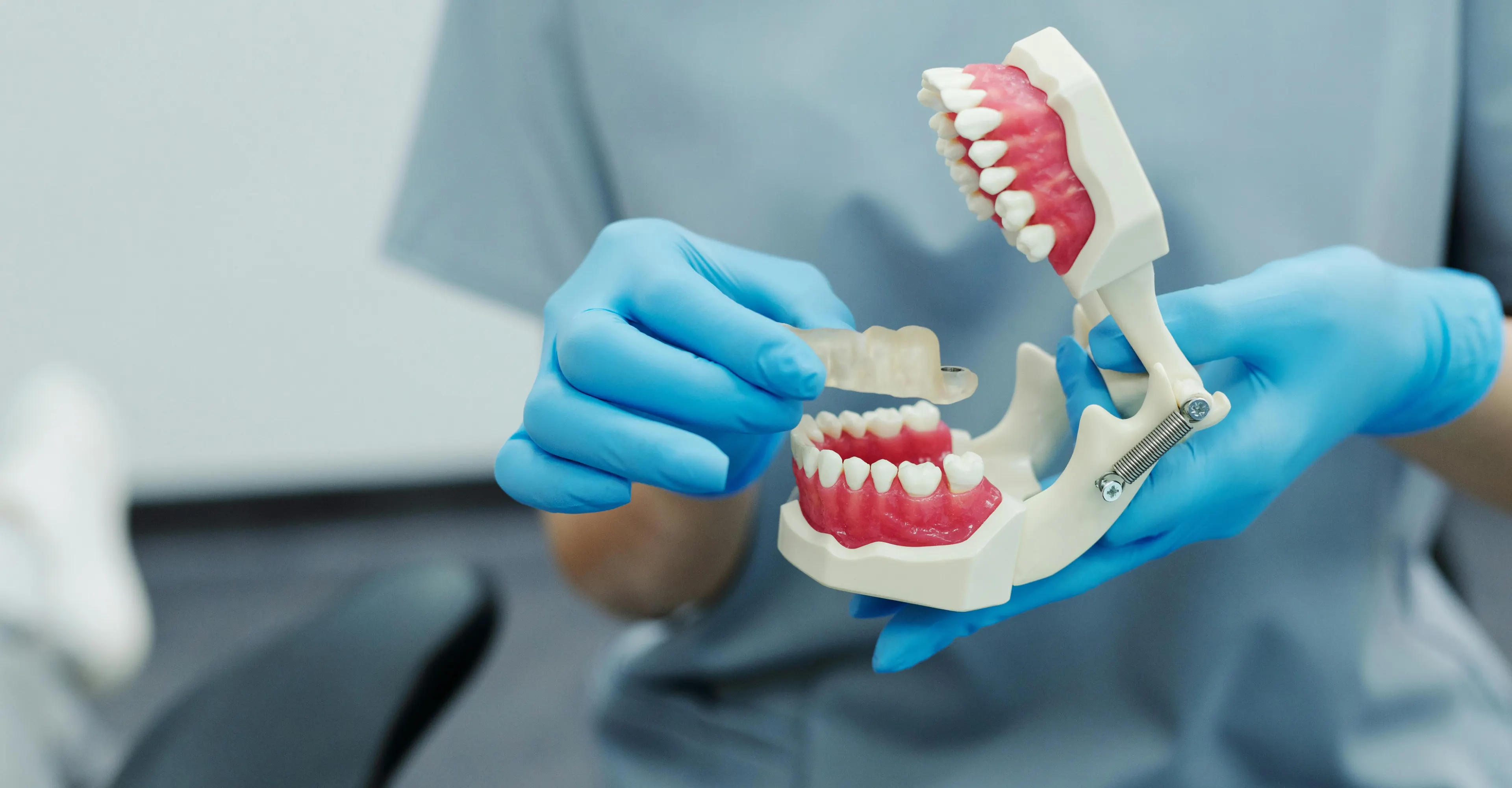
An immediate denture is a removable replacement made in advance and inserted at the time of extraction or soon afterward, as arranged with your dental team. A dentist or dental laboratory uses information about your mouth and the teeth expected to be removed to prepare the appliance before the extraction visit. That timing distinguishes an immediate denture from a conventional denture that is made after the extraction areas have healed.
Immediate dentures may replace several teeth or, in some treatment plans, all teeth in an arch. They can support speaking, eating, and appearance while the mouth begins to heal. An immediate denture is not the same as a permanent, unchanging fit: tissues and bone remodel after teeth are removed, and that can affect how the appliance sits. A dentist needs to explain whether this approach is suitable for your specific oral health and treatment plan.
The University of Iowa College of Dentistry notes that an immediate denture can act as a covering over the tissues after extraction and may help protect them and reduce bleeding. That is one potential role, not a guarantee of how any individual will heal. Ask your dentist what you should expect in your case and whom to contact if something feels wrong. (University of Iowa: Immediate Dentures)
How does the planning process work?
Planning usually starts with an examination and a conversation about which teeth are being removed, what type of denture is being considered, and what matters most to you. Your dentist may take impressions or digital records and assess the teeth, gums, bite, and other factors needed to make a plan. The exact sequence depends on the clinical situation; not every detail can be decided from a general description online.
- Discuss the treatment plan. Ask which teeth are expected to be removed, whether the extractions are planned for one visit or more, and whether an immediate denture is an option for you.
- Records are collected. The dental team gathers the information needed to design the denture. Tell them about any concerns with fit, speaking, eating, gagging, or past denture experiences.
- The denture is prepared. A denture is made in advance based on the planned treatment. Your dentist should explain what can and cannot be known about the final fit before the teeth are removed.
- Extraction and placement are coordinated. The appliance is inserted at the time agreed upon with your dental team. Ask who will check the fit and how to reach the office afterward.
- Follow-up is arranged. Healing changes the shape of the mouth, so ask when you should return and what to do if the denture rubs, feels loose, or becomes difficult to wear.
It can help to keep a written list of your medications, health conditions, allergies, and questions for the appointment. Share relevant medical information with the dental team and ask for instructions that apply to your own procedure. If dental visits make you anxious, you can also read about practical ways to feel more comfortable at a dental visit.
What are the benefits and trade-offs?
The clearest practical benefit is continuity: an immediate denture may let you leave the extraction visit with a denture in place rather than waiting until the tissues heal before beginning denture treatment. Some people also value having a planned replacement during the transition. But a quick transition does not mean the appliance will feel natural immediately, fit perfectly throughout healing, or remove the need for later care.
Because the denture is made before the extraction sites have healed, the dentist cannot make it against the final healed shape of the tissues. As swelling resolves and the mouth changes, the appliance may need professional checks or adjustments. It may eventually need to be relined, replaced, or followed by another denture, depending on the clinical assessment and your needs. Ask which follow-up steps are anticipated rather than assuming one appliance will fit indefinitely.
| Consideration | Immediate denture | Denture made after healing |
|---|---|---|
| When it is prepared | Before planned extractions | After extraction areas have had time to heal |
| When it is placed | At extraction or soon afterward, as arranged | After the dentist determines the mouth is ready for impressions and fitting |
| Gap without a denture | May reduce or avoid a waiting period without a denture | There may be a period of healing before the denture is ready |
| Fit during healing | Can change as tissues heal; follow-up may be needed | Made for the mouth after healing, though fit still requires evaluation over time |
| Key planning question | Can it be made safely and usefully before the extractions? | When will healing allow the next stage of denture treatment? |
This comparison is a general guide, not a recommendation. Your dentist can explain whether one approach or a staged plan is appropriate. To learn what services and care options are available through the practice, see Smile Makers Dental Center's dental services or review the office prosthodontic care information.
Schedule a visit to review your treatment plan
What should you expect after the denture is placed?
The first days are a transition. Your mouth may feel tender after extractions, and speaking and eating with a new removable appliance can take practice. Follow the instructions your dentist gives you about wearing and caring for the denture, eating, cleaning, and taking any recommended medication. Do not rely on general online advice to override directions from the clinician who knows your procedure.
Some dental teams ask patients to leave an immediate denture in place for an initial period after extraction. Instructions differ by patient and procedure, so confirm exactly when you may remove it and how to clean it. NHS guidance for immediate dentures describes leaving the denture in overnight on the first night in some circumstances, and another NHS hospital handout says a dentist may recommend keeping it in for the first 24 hours. These are examples of clinician-directed instructions, not a universal rule for every patient. (NHS Tayside: Immediate dentures; Manchester University NHS Foundation Trust: Immediate Dentures)
Ask for clear, practical instructions before you leave. It is useful to know:
- How long to keep the denture in initially and when to remove it for cleaning.
- How to clean the denture and the mouth while the extraction areas are healing.
- Which foods and eating habits the dental team recommends during the early period.
- When to return for a fit check or adjustment and how to arrange an earlier visit if needed.
- Which symptoms require a prompt call and which contact number to use after hours.
Do not try to reshape, trim, or repair the denture yourself. If it causes persistent rubbing, feels unstable, or makes it difficult to follow your care instructions, contact the dental office for guidance. If you have trouble breathing or swallowing, heavy bleeding, or another severe or rapidly worsening concern, seek urgent medical help.
How can you prepare for follow-up and changing fit?
Follow-up is not a sign that the treatment has failed. The mouth changes during healing, so a denture that felt different at placement may need to be assessed again. The dentist can check the fit and discuss whether an adjustment or another step is suitable. Do not attempt to solve pressure spots by wearing the denture through significant pain or by changing it at home; ask the dental team what to do.
To make the visit easier to use, bring a short written list of questions and note any concerns since the last appointment. If more than one person helps with your care, you may want to ask whether they can join the conversation or help you remember instructions. Before leaving, repeat back the key directions in your own words: when to wear the denture, how to clean it, and when to call for help. This gives the team a chance to clarify anything that is still uncertain.
Keep the office's contact information and your written instructions somewhere easy to find. If a concern develops, describe when it started and what you have already tried, without changing the denture yourself. If instructions are unclear, call the office rather than guessing. These small steps can help you and the care team stay aligned as healing progresses.
At each follow-up, describe specific experiences rather than only saying that the denture feels uncomfortable. For example, note where it rubs, whether it moves when you speak, when the discomfort occurs, and whether you can remove and clean it as instructed. If possible, write down your questions as they arise. These details can help your dentist understand what needs to be evaluated.
It is also reasonable to ask what the longer-term plan may involve. Depending on healing and your clinical needs, the dentist may discuss monitoring, adjustments, relining, or a later denture. Timing varies, so avoid treating an estimate from someone else's experience as a schedule for you. The team can explain the expected checkpoints and what would prompt a change in plan.
For visit logistics, you can review office locations and patient forms and scheduling information before your appointment. Bring the denture and any written care instructions to follow-up visits, unless your dentist tells you otherwise.
What questions should you ask before choosing?
A useful consultation should leave you understanding the purpose, limits, and next steps of the plan. If extraction is part of the discussion, see the practice's oral surgery information and ask which clinician will coordinate each part of your care. Consider asking:
- Am I a candidate for an immediate denture based on my examination and the teeth that need removal?
- Will the denture be placed at the extraction visit, and who will check that it fits as expected?
- What should I expect in the first day, including wearing, removal, cleaning, and eating?
- How should I contact the practice if the denture feels painful, loose, or difficult to manage?
- How many follow-up checks might be part of the plan, and what could lead to an adjustment?
- Could I instead wait until healing before having a denture made? What would that mean for the timing of treatment?
- What costs and payment details apply to my proposed treatment? Can the office explain them before I decide?
- Are there health or medication details I should discuss before the extraction appointment?
It is fine to ask the dentist to explain unfamiliar terms or repeat instructions. If you are considering extractions and denture treatment together, tell the practice what you hope the denture will help you do, such as speaking comfortably or maintaining your usual routine. A shared understanding makes it easier to discuss realistic expectations and alternatives.
Book an appointment to discuss your next steps
Frequently asked questions
Are immediate dentures put in on the same day as extractions?
They are commonly planned for placement at the extraction visit or soon afterward, depending on the treatment plan. Confirm the exact timing with your dentist because the sequence can vary.
Will immediate dentures fit perfectly?
No denture fit can be promised in advance. An immediate denture is prepared before the extraction areas have healed, and the mouth changes during healing. Follow-up evaluation can determine whether an adjustment or another step is needed.
How long do I need to keep an immediate denture in after extraction?
Follow your dentist's instructions. Some clinicians recommend leaving it in for an initial period, but the timing depends on your situation. Ask before the procedure when to remove it and how to clean it.
Can I eat normally with an immediate denture?
Eating may take practice, and your dentist may give you specific food guidance while the extraction sites heal. Ask which foods and techniques are appropriate for your procedure rather than assuming you can return to your usual diet immediately.
What if the denture hurts or feels loose?
Contact your dental office for instructions, especially if discomfort persists or makes it hard to follow the care plan. Do not trim or repair the denture yourself. Severe or rapidly worsening symptoms need prompt attention.
What is the next step?
Immediate dentures can offer a way to have a denture ready around the time of planned extractions, while requiring realistic expectations about healing and changing fit. A dental examination is the right place to compare this approach with waiting until after healing and to get instructions tailored to your needs. For general information about the practice, visit Smile Makers Dental Center, or book an appointment to discuss your options with a dental professional.