


Chronic snoring is more than just a nuisance for your partner; it can be a key symptom of a serious health condition called obstructive sleep apnea. These pauses in breathing throughout the night can leave you feeling exhausted and foggy during the day. While CPAP machines are a common treatment, they aren't the right fit for everyone. A mandibular advancement device offers a simpler, more comfortable solution. This custom-made oral appliance is worn only at night to gently reposition your jaw, keeping your airway open. It effectively stops snoring and addresses the underlying cause, allowing you and your loved ones to finally get some quiet, restorative sleep.
Key Takeaways
- Consider a MAD as a comfortable CPAP alternative: For those with mild to moderate sleep apnea, a Mandibular Advancement Device is a custom-fitted oral appliance that offers a discreet, silent, and portable solution by gently repositioning your jaw to keep your airway open.
- A professional custom fit is essential for success: Your treatment's effectiveness and comfort depend on a device made specifically for you by a qualified dentist. This ensures a proper fit and allows for adjustments, while regular check-ups protect your long-term dental health.
- Begin with a formal medical diagnosis: A MAD is a prescribed medical device, not just a snoring guard. The process must start with a sleep study to confirm sleep apnea, which allows your doctor and dentist to collaborate on a safe and effective treatment plan.
What Is a Mandibular Advancement Device (MAD)?
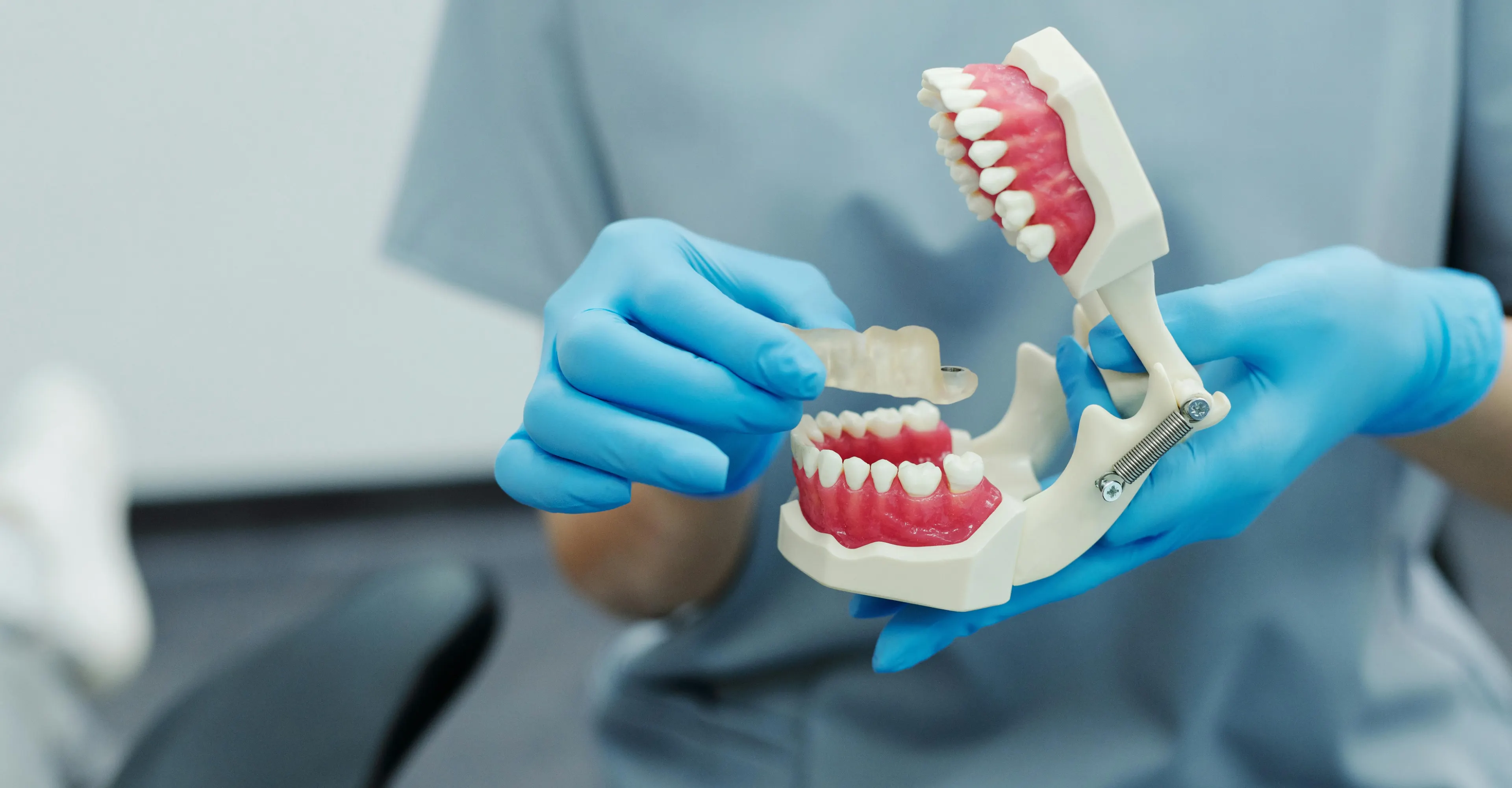
If you've been diagnosed with obstructive sleep apnea (OSA) or struggle with chronic snoring, you might feel like a CPAP machine is your only option. But there's another effective, far less cumbersome treatment to consider. A Mandibular Advancement Device, or MAD, is a custom-fitted oral appliance designed to help you breathe easily and sleep soundly. Think of it like a mouthguard or a retainer that you wear only at night. It’s a discreet, portable, and comfortable alternative for many people with mild to moderate sleep apnea who find CPAP therapy difficult to tolerate. A mandibular advancement device is one of the most effective forms of TMJ and sleep apnea treatment available today.
At Smile Makers Dental Center, we specialize in creating these custom sleep apnea solutions to fit your unique anatomy perfectly. Sleep apnea treatment is part of the comprehensive dental care we provide to families across Northern Virginia. Unlike over-the-counter options, which can be ill-fitting and less effective, a professionally made MAD is crafted from high-quality, durable materials based on precise impressions of your teeth. This ensures it’s not only effective but also comfortable enough for nightly use. This personalized approach is key to successfully treating your symptoms and improving your overall quality of life, helping you get the restorative sleep you deserve without the noise or hassle of a CPAP machine.
How Do These Devices Work?
The science behind a MAD is straightforward but incredibly effective. The device works by gently repositioning your lower jaw, or mandible, moving it slightly forward while you sleep. This subtle shift is just enough to tighten the muscles and soft tissues in your upper airway, preventing them from collapsing and blocking your breathing. By helping to widen the airway, a MAD allows you to maintain a steady flow of oxygen throughout the night. This not only stops the loud snoring associated with sleep apnea but also prevents the dangerous pauses in breathing that define the condition, leading to more restorative sleep.
What Are the Different Types of MADs?
While all MADs share the same goal, they aren't a one-size-fits-all solution. These are the most common and well-studied types of oral appliances for sleep apnea, and they come in various designs. Most are two-piece devices that fit over your upper and lower teeth, connected by a mechanism that allows for precise adjustments. This adjustability is crucial, as your dentist can fine-tune the position of your lower jaw to find the sweet spot for maximum airflow and comfort. Some models are made of rigid acrylic, while others use a softer, more flexible material, depending on your specific needs and dental health.
Could a MAD Be Right for You?
Deciding on the right sleep apnea treatment is a personal choice that depends on your diagnosis, health, and lifestyle. A mandibular advancement device (MAD) is an excellent option for many, but it’s important to understand who benefits most from this therapy and when other treatments might be more appropriate. Thinking through these factors with your dentist will help you find the most effective and comfortable solution for a better night’s sleep.
Who Is a Good Candidate for MAD Therapy?
If you're tired of restless nights and the sound of your own snoring, you might be wondering if a mandibular advancement device is the answer. For many people, it absolutely is. MADs are especially effective for individuals with mild to moderate obstructive sleep apnea (OSA). They are also a fantastic alternative for those who have tried a CPAP machine and found it too cumbersome, noisy, or uncomfortable to use every night. Consistency is key to treating sleep apnea, so finding a solution you can stick with is what truly matters. If you're looking for a less invasive and more portable option, a MAD could be a great fit and is one of the specialized treatments we offer.
When to Consider Other Treatment Options
While MADs are a game-changer for many, they aren't a one-size-fits-all solution. If you have been diagnosed with severe sleep apnea, a CPAP machine may be the more effective treatment to ensure your airways stay fully open throughout the night. Your overall health also plays a role. For instance, individuals with severe OSA may need to have their heart and lung health evaluated before starting any new therapy. The most important thing is to get a proper diagnosis from a healthcare professional. This allows us to understand your specific needs and recommend the best path forward. It’s all about finding the right fit for you, and we’re here to help you figure that out when you book an appointment with our team.
MAD vs. CPAP: A Head-to-Head Comparison
When you’re diagnosed with sleep apnea, the next step is finding the right treatment. For many, the choice comes down to two leading options: a Mandibular Advancement Device (MAD) or a Continuous Positive Airway Pressure (CPAP) machine. Both are designed to keep your airway open while you sleep, but they work very differently. Understanding the key distinctions in effectiveness, comfort, and cost can help you and your doctor decide which path is best for your health and lifestyle.
Which Is More Effective for Sleep Apnea?
The effectiveness of your treatment really depends on the severity of your sleep apnea. CPAP machines are often considered the gold standard, especially for severe cases of obstructive sleep apnea (OSA). They work by delivering a steady stream of air through a mask, which keeps your airway from collapsing.
However, for those with mild to moderate sleep apnea, a MAD can be just as effective. These custom-fitted oral appliances work by gently shifting your lower jaw forward, which tightens the muscles in your throat and keeps your airway clear. Many people find excellent results with a MAD, making it a powerful and popular alternative to CPAP. Our team can help determine if you're a candidate for our TMJ and sleep apnea solutions.
Factoring in Comfort and Lifestyle
This is where the two treatments really diverge. A CPAP machine involves a mask, a hose, and a machine that can be noisy and cumbersome. Some people find it difficult to sleep with the mask on or are bothered by the sound. It also requires regular cleaning and can be a hassle to travel with.
On the other hand, a MAD is a small, discreet device that fits inside your mouth like a retainer. It’s silent, portable, and easy to clean. Because they are so much more comfortable, many people find they use their MAD more consistently than a CPAP. And when it comes to sleep apnea treatment, consistency is everything.
A Look at Cost and Insurance Coverage
There’s a common myth that oral appliances are always more expensive than CPAP machines, but that’s not necessarily true. The cost of a custom-fitted MAD can be comparable to a CPAP machine, and many medical insurance plans provide coverage for oral appliance therapy when it’s deemed medically necessary.
It’s always a good idea to check with your insurance provider to understand your specific benefits. At Smile Makers Dental Center, we can help you with the insurance process and discuss our Loyalty Discount Plan if you don’t have coverage. The most important thing is finding a treatment you’ll actually use, which makes any investment in your sleep and health worthwhile.
Understanding the Potential Side Effects of MADs
Like any new medical treatment, a Mandibular Advancement Device comes with an adjustment period. The good news is that most potential side effects are minor, temporary, and manageable with help from your dental team. Knowing what to expect can make the transition smoother. Your mouth is adapting to an appliance that holds your jaw in a new position all night, which can cause some initial discomfort. Consistent monitoring is key to ensuring your bite and dental health remain in great shape. Open communication with your dentist is your best tool for a successful experience.
What to Expect During the Adjustment Period
When you first start wearing your MAD, it’s normal to experience a few temporary side effects, much like breaking in a new pair of shoes. Many people report some initial jaw soreness, muscle stiffness, or tenderness in their teeth. You might also notice producing more saliva than usual. These symptoms are typically mild and fade as your body gets used to the device, usually within a few days to a few weeks. Following your dentist’s instructions for gradually increasing wear time can help ease you into the routine and minimize discomfort.
Long-Term Effects on Your Dental Health
While MADs are very safe, long-term use can sometimes cause changes to your bite or tooth position. Because the device holds your lower jaw forward, this sustained pressure can lead to subtle shifts over several years. In some cases, this can also affect the jaw joint, potentially causing or worsening symptoms of temporomandibular disorders (TMD). This is why working with a qualified dentist is so important. Regular check-ups allow us to monitor for any unwanted changes and make precise adjustments, ensuring your sleep apnea treatment doesn’t compromise your long-term dental health.
Tips for Managing Discomfort and Device Care
If you experience discomfort while using your MAD, the most important step is to talk to your dentist. Don’t try to tough it out or adjust the device on your own, as a small professional modification can make a huge difference. Regular follow-up appointments are crucial. During these visits, we’ll check the fit of your device, assess your bite, and discuss how your therapy is going. These check-ins ensure your MAD remains effective and comfortable. If you ever have questions or feel something isn't right, please don't hesitate to book an appointment with our team.
How Effective Are Mandibular Advancement Devices?
When you’re struggling with sleep apnea, finding the right treatment can feel like a huge weight off your shoulders. While CPAP machines are well-known, they aren't the only solution. Mandibular advancement devices (MADs) are a popular and effective alternative, but it's natural to wonder just how well they work. The good news is that their effectiveness is backed by solid research and positive patient outcomes, especially when certain factors are in place. Let's look at what the studies show, clear up some common misconceptions, and talk about what it takes to make this treatment a success for you.
What the Clinical Studies Show
If you're a numbers person, you'll be happy to know that clinical studies consistently show MADs are a safe and effective treatment for obstructive sleep apnea. Research indicates they are particularly successful for people with mild to moderate cases. Studies show that these devices can significantly reduce the severity of sleep apnea and help you feel less tired during the day. The long-term efficacy of MADs is also reliable, making them a durable solution. While CPAP therapy might be more effective for severe sleep apnea, many patients achieve excellent results with a custom-fitted oral appliance, making it a powerful tool in managing sleep-disordered breathing.
Common Myths vs. Reality
One of the biggest myths out there is that a CPAP machine is the only real therapy for sleep apnea. The reality is that for many people, especially those who find CPAP uncomfortable or difficult to use, oral appliance therapy is a fantastic alternative. Another common misconception is that MADs aren't as effective as CPAP. While the mechanism is different, effectiveness often comes down to consistency. Because MADs are generally more comfortable and easier to travel with, patient compliance is often much higher than with CPAP. When a patient uses their device consistently, they see better results, making it a highly effective solution for managing their sleep apnea symptoms.
Factors That Influence Your Success
Your success with a MAD depends heavily on the quality and fit of the device itself. This is not a one-size-fits-all solution. Over-the-counter or poorly constructed devices can be uncomfortable, ineffective, and might even make your symptoms worse. This is why the American Academy of Sleep Medicine recommends that MADs be custom-made for each patient. A custom fit ensures the device holds your jaw in the precise position needed to keep your airway open without causing unnecessary strain or discomfort. Working with a qualified dentist to get a professionally fitted appliance is the single most important step you can take to ensure your treatment is both comfortable and effective.
What to Expect from the MAD Treatment Process
Starting treatment for sleep apnea can feel like a big step, but the process for getting a Mandibular Advancement Device (MAD) is straightforward. It’s a collaborative journey with your healthcare team, designed to ensure your device is effective, comfortable, and perfectly suited to you. From the initial diagnosis to the final fitting and follow-up care, each step plays a vital role in helping you achieve restful, uninterrupted sleep. Let’s walk through what you can expect.
Why a Sleep Study and Diagnosis Come First
Before you can get a MAD, you’ll need an official sleep apnea diagnosis, which comes from a sleep study. This isn't just a formality; it's the most critical step in the entire process. A sleep study provides essential data about your breathing patterns, oxygen levels, and the severity of your condition. The Cleveland Clinic confirms that you first need a sleep study to diagnose your sleep apnea accurately. This ensures that a MAD is the right treatment for your specific needs. Our team works closely with sleep specialists to coordinate your care, making sure your treatment plan is built on a solid foundation.
Getting Your Device Custom-Fitted
Once you have a diagnosis, the next step is getting your device made just for you. While you might see over-the-counter mouth guards, a custom-fitted device from a dentist is the only way to ensure effective treatment. As experts at SleepApnea.org note, custom-made oral appliances work best. During your appointment, your dentist will take precise impressions of your teeth and jaw. This allows them to create a MAD that repositions your lower jaw correctly to keep your airway open while you sleep. This personalized fit is key to both comfort and success, and our dentists are specially trained in creating these specialized appliances.
Your Adjustment Period and Follow-Up Care
Like any new routine, getting used to your MAD takes a little time. Most people adjust to wearing the appliance all night within two to four weeks. During this period, it’s common to experience some temporary side effects. A study on side effects notes that some people might feel jaw pain or have increased saliva. These sensations are usually mild and fade as you get used to the device. Regular follow-up appointments are essential. They allow your dentist to monitor your progress, make small adjustments for a better fit, and ensure the treatment is working effectively. You can book an appointment with our team to get started.
How to Get Started with MAD Therapy
Taking the first step toward better sleep can feel like a big deal, but the process is more straightforward than you might think. If you believe a mandibular advancement device could be the right solution for your sleep apnea, here’s how you can get started on the path to quieter, more restful nights. It all begins with a proper diagnosis and finding the right professionals to guide you.
Find a Qualified Sleep Dentist in Northern Virginia
Your journey starts with a professional diagnosis. To get an oral appliance, you first need a sleep study to confirm you have sleep apnea. Once you have a diagnosis, the next step is to find a dentist with experience in sleep medicine. This specialist will work with you to create a custom device that fits your mouth perfectly, ensuring it’s both effective and comfortable. At Smile Makers, our team is trained in creating these specialized appliances, and we can help you explore your TMJ and sleep apnea treatment options at any of our convenient Northern Virginia locations. Tysons-area patients can be fitted for a mandibular advancement device at our Tysons dental office.
Work with Your Healthcare Team for the Best Results
Treating sleep apnea is a team effort. If you have sleep apnea and find it hard to use a CPAP machine, talk to your healthcare provider about whether an oral appliance could be a good option for you. Your primary doctor or sleep specialist will work alongside your dentist to manage your treatment. This collaboration ensures all aspects of your health are considered. Regular dental visits are also important to monitor your oral health and make sure the device isn’t causing any issues. Open communication between you and your healthcare team is key to finding a solution that truly works for your lifestyle.
Understand Your Insurance and Payment Options
It’s always wise to understand the financial side of any medical treatment. The good news is that many insurance plans cover oral appliances for sleep apnea. Before moving forward, it’s important to check with your provider to understand your specific coverage and any potential out-of-pocket costs. Our office staff is happy to help you with the insurance process. For those without coverage or looking for additional ways to manage costs, we also offer a Loyalty Discount Plan to make your treatment more affordable. Being informed about your payment options can help you make the best decision for your health and budget. Ready to explore dental sleep solutions? Book an appointment with our TMJ and sleep apnea specialists.
Related Articles
- TMJ & Sleep Apnea Virginia - Smile Makers Dental Center
- TMJ & Sleep Apnea Virginia - Smile Makers Dental Center
- Is Sleep Apnea a Big Enough Deal to Require Treatment? | Smile Makers Dental Center
Frequently Asked Questions
Can I just buy a boil-and-bite mouthguard online instead of getting a custom one? While over-the-counter options might seem like a quick fix, they are not a substitute for a professionally made Mandibular Advancement Device. A custom MAD is a medical appliance designed by a dentist based on precise models of your teeth and jaw. This ensures it holds your jaw in the exact position needed to keep your airway open effectively and safely. Boil-and-bite guards are often ill-fitting, uncomfortable, and can even cause unwanted tooth movement or jaw problems without providing real therapeutic benefit.
What's the difference between a MAD and a night guard for teeth grinding? This is a great question, as they can look similar. A night guard is designed simply to provide a protective barrier between your upper and lower teeth to prevent damage from clenching or grinding. A MAD, however, is a much more complex, adjustable device. Its primary function is to gently shift your lower jaw forward, which tightens the tissues in your throat to prevent airway collapse. While both are oral appliances, they are engineered for completely different medical purposes.
How long does it take to get used to sleeping with the device? Most people adapt to wearing their MAD within a few days to a couple of weeks. It's normal to experience some initial jaw tenderness, tooth sensitivity, or increased salivation as your mouth adjusts to the new appliance. These feelings are typically mild and temporary. We provide guidance on how to gradually increase your wear time to make the transition as smooth as possible, and any initial discomfort usually fades quickly as you get used to it.
How long will my custom MAD last? A custom-fitted MAD is a durable medical device designed for long-term use. With proper care and regular cleaning, you can expect your appliance to last for several years. The exact lifespan depends on the specific materials used and how well you maintain it. During your regular check-up appointments, we will inspect the device for any signs of wear and tear to ensure it continues to function effectively and fit properly.
Will a MAD help with my snoring even if I don't have sleep apnea? Yes, for many people, a MAD can be an excellent solution for simple snoring. Snoring is often caused by the vibration of soft tissues in a partially blocked airway. By repositioning the lower jaw and stabilizing these tissues, a MAD can significantly quiet or even eliminate snoring. However, it's always important to have a proper evaluation first to rule out underlying obstructive sleep apnea, as snoring can be a key symptom of this more serious condition.