


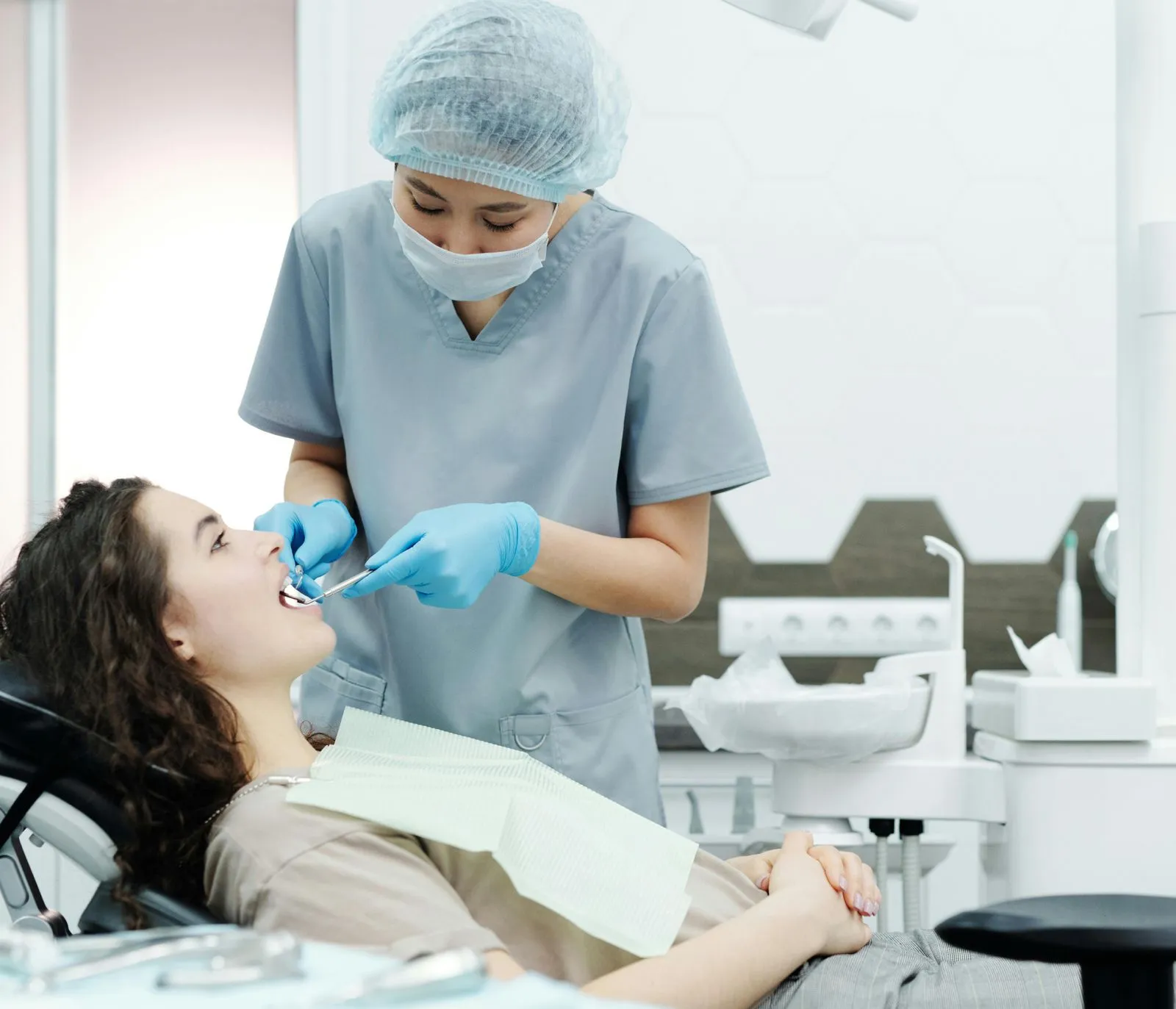


A headache can feel unrelated to your teeth, yet the jaw joints and chewing muscles work close to several pain-sensitive areas of the head, face, and neck. Clenching, muscle tension, or another jaw problem may be part of the picture, but headaches also have many possible causes.
Schedule an appointment online
Yes, can tmj cause headaches is a reasonable question because TMDs include headaches associated with the jaw. And research has found an association between mixed TMD and primary headaches such as migraine and episodic tension-type headache. That relationship does not prove that every headache comes from the jaw or that a headache alone indicates TMD.
The most helpful next step is to look at the full pattern: when symptoms begin, whether chewing or jaw movement affects them, and whether pain, stiffness, locking, or clenching occurs at the same time. Understanding the difference between the jaw joint and the broader group of TMD conditions can make that pattern easier to interpret.
Can TMJ Cause Headaches? The Short Answer
Possibly, but the more precise answer is that a temporomandibular disorder, or TMD, may be associated with headaches in some people. The TMJ is the temporomandibular joint itself, the small joint on each side of the jaw. TMD is the broader term for more than 30 conditions involving the jaw joints, chewing muscles, or related symptoms.
This distinction matters because people often say they have "TMJ" when they mean jaw pain or a suspected disorder. According to the National Institute of Dental and Craniofacial Research, headaches associated with TMD are recognized as one broad category of TMD. Jaw-joint or chewing-muscle problems may occur alongside headache symptoms, but that does not mean every headache comes from the jaw.
Research supports a possible relationship, not a simple cause-and-effect conclusion. A systematic review found a moderate association between mixed TMD and primary headaches, particularly migraine and episodic tension-type headache. However, the review also noted that the evidence for myalgia-related TMD, meaning TMD involving muscle pain, was very low quality. The authors called for larger, longer-term studies that classify both TMD and headache types accurately. An association means two conditions appear together more often than expected; it does not prove that one condition caused the other.
Headache symptoms are more worth discussing with a dental or medical professional when they occur with jaw tenderness, pain while chewing, stiffness, locking, or painful jaw sounds. You can review common patterns in our guide to common TMJ headache symptoms. Still, symptoms alone cannot confirm TMD, and headaches may have other causes. A thoughtful evaluation can help determine whether the jaw may be involved and whether another type of care is more appropriate.
How Jaw Muscles and the TMJ Can Refer Pain
Your jaw works through a coordinated system of joints, ligaments, and chewing muscles. When those muscles stay tense, or when a jaw joint becomes irritated, discomfort may be felt beyond the point where it began. This is called referred pain. In practical terms, a person may notice soreness near the jaw and temple, while also feeling discomfort in the face, neck, or around the ear.
Why clenching can add strain
Clenching and grinding can keep the chewing muscles active for long periods, including during sleep or stressful moments when you may not notice it. Repeated loading does not prove that TMD is the cause of a headache. But it can be one factor worth discussing when headaches occur alongside jaw tenderness, fatigue, or pain with chewing. The National Institute of Dental and Craniofacial Research lists disorders of the chewing muscles, joint disorders, and headaches associated with TMD as broad TMD categories. It also lists pain that spreads to the face or neck, jaw stiffness, limited movement, and some ear symptoms among possible signs of TMD: NIDCR information on TMD.
How joint and muscle symptoms may overlap
The TMJ sits just in front of the ear, and the muscles that move the jaw connect with areas around the temples and face. Irritation in this region may therefore be experienced as pressure, aching, or tenderness in nearby areas. Ear discomfort can have many causes, so jaw-related symptoms should not be assumed. You can learn more about related TMJ ear pain symptoms and how they may overlap with other concerns.
Because headaches have many possible causes, a pattern is more useful than one isolated symptom. Note whether discomfort changes with chewing, wide opening, clenching, or waking up, and mention any jaw locking or painful sounds. If you are unsure which specialist treats TMJ, an evaluation can help determine whether jaw-related care is appropriate or whether another healthcare professional should assess the headache.
When Can TMJ Cause Headaches or Worsen Them?
Can TMJ cause headaches in every person with jaw pain? No. A jaw-related contribution is more plausible when head pain repeatedly appears with jaw tenderness, clenching, chewing, or changes in jaw movement. Even then, the pattern is an association to evaluate, not a diagnosis. Migraine, tension-type headache, neck conditions, medication effects, illness, and other causes can overlap with jaw symptoms.
A headache related to the jaw may feel like pressure, aching, or tenderness around the temples, forehead, face, or area in front of the ears. Some people notice that it becomes more noticeable with chewing, speaking, yawning, or clenching. Jaw stiffness, limited opening, painful clicking, or discomfort that spreads into the face or neck can provide useful context. However, these sensations overlap with several common headache patterns, so they cannot confirm a cause on their own.
The jaw joint is the TMJ, while TMD refers to disorders affecting the joint or the muscles used for chewing. The National Institute of Dental and Craniofacial Research lists headaches associated with TMD as one broad category, but it also notes that TMD symptoms can resemble other conditions. A systematic review found a moderate association between mixed TMD and primary headaches. The strongest reported links involved migraine and episodic tension-type headache. Evidence for muscle-related TMD was very low quality. That association does not mean that every headache comes from the jaw.
Possible TMJ-related pattern
- Aching or pressure near the temples, jaw, face, or ears.
- Symptoms may occur with jaw soreness, clenching, chewing, reduced jaw movement, painful jaw sounds, stiffness, or locking.
Migraine-like pattern
- Often throbbing or pulsating, possibly with nausea or increased sensitivity to light or sound.
- It may worsen with routine activity, and jaw symptoms may or may not be present.
Tension-headache pattern
- Often feels like steady pressure or tightening across the forehead, temples, or back of the head.
- Neck or shoulder tension may coexist, but stress, posture, and muscle tightness are not specific to one diagnosis.
These patterns can overlap, and these groups are not a diagnostic tool. The review found that migraine and episodic tension-type headache were both represented among TMD-related findings, but called for larger, longer studies and more accurate classification. Persistent, new, severe, or changing headaches deserve evaluation by an appropriate healthcare professional, especially when jaw symptoms occur at the same time.
Sources: systematic review of TMD and primary headaches and NIDCR information about TMD.
Which Symptoms Suggest Your Jaw May Be Involved?
A headache may be more likely to involve the jaw when it appears alongside symptoms that change with chewing, speaking, or opening your mouth. You might notice soreness in the jaw joint or chewing muscles, pain that spreads toward the temples or face, or tenderness after a day of clenching. Neck discomfort can occur with jaw symptoms as well, and some people report ear-related symptoms such as ringing, hearing changes, or dizziness. These patterns can be useful clues, but they do not confirm that TMD is the cause.
Other signs worth discussing with a dental or medical professional include:
- Stiffness or difficulty opening the mouth normally.
- A jaw that catches, locks, or moves unevenly.
- Clicking, popping, or grating that is painful.
- Frequent clenching or grinding, especially with morning jaw fatigue.
- Pain that increases when chewing firm or chewy foods.
When is jaw clicking a concern?
A painless click or pop is common and does not usually require treatment by itself. It becomes more relevant when it is new, painful, associated with limited movement, or accompanied by swelling or locking. Similarly, occasional jaw tension does not necessarily indicate a disorder. Persistent symptoms, worsening pain, or headaches that interfere with sleep or daily activities deserve an evaluation rather than self-diagnosis.
For a broader checklist, review these common TMJ headache symptoms. It is also helpful to notice whether gum chewing, nail biting, leaning on the jaw, or other habits that worsen TMJ symptoms affect your discomfort. A clinician can consider your jaw, headache pattern, and other possible causes together.
How Is a TMJ-Related Headache Evaluated?
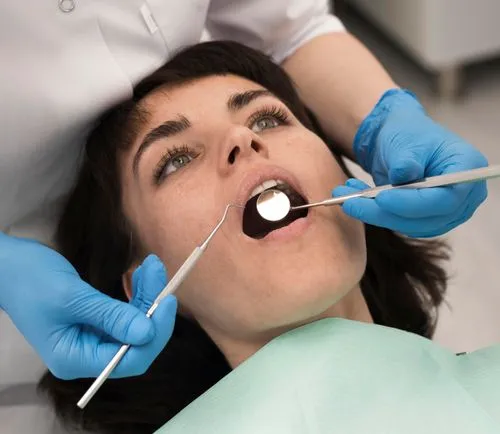
Evaluation usually begins with a detailed conversation rather than a single test. A clinician may ask where the pain occurs, when it started, how long it lasts, and whether chewing, yawning, clenching, stress, or waking up seems to bring it on. It is also helpful to describe jaw soreness, stiffness, locking, painful clicking, facial pain, ear symptoms, or neck discomfort. A headache diary can make timing and possible triggers easier to recognize.
The examination may include observing how the jaw opens and closes, checking its range of motion, and gently assessing the jaw joints and chewing muscles for tenderness or discomfort. The clinician may also consider nearby areas, including the face and neck, because pain can overlap across these regions. The goal is to look for a consistent relationship between the headache and jaw findings, not simply to assume that a headache is dental.
There is no single definitive test for TMD. The National Institute of Dental and Craniofacial Research explains that diagnosis is clinical and may involve history, examination, and imaging when indicated. X-rays, MRI, or CT are not automatically needed for every headache. They may be considered when the examination suggests a joint or structural concern, when symptoms are persistent or unusual, or when more information is needed.
Headache attributed to TMD also has specific diagnostic criteria described in a Cephalalgia diagnostic-criteria paper. Even with those criteria, a clinician must consider other possible explanations, such as migraine, tension-type headache, medication effects, illness, or a neck-related source. Dental education cannot diagnose every headache. For persistent symptoms, Smile Makers TMJ care can be one starting point for discussing whether jaw-related findings may be contributing and whether another medical evaluation is appropriate.
What Can Help a TMJ-Related Headache?
If jaw tension may be contributing to head pain, start with simple steps that reduce pressure on the joint and chewing muscles. These measures are not a diagnosis or a guaranteed cure, but they can help you observe whether jaw activity affects your symptoms. NIDCR recommends conservative self-care as an initial approach for many temporomandibular disorders.
- Reduce jaw strain temporarily. Choose softer foods if chewing is painful, take smaller bites, and avoid foods that require prolonged or forceful chewing. This may include tough meats, chewy candy, gum, and very firm foods. Return to a normal diet gradually as comfort allows rather than restricting food longer than needed.
- Try heat or cold carefully. A warm, damp compress may feel soothing when the jaw muscles feel tight. A cool pack wrapped in a cloth may be more comfortable when the area feels irritated. Use the approach that feels better, and stop if either increases pain. Do not place ice directly on the skin.
- Keep the jaw relaxed. When you are not eating or speaking, let your teeth remain slightly apart and keep your tongue resting comfortably. Notice habits such as clenching, grinding, biting your nails, holding the phone between your shoulder and jaw, or resting your chin on your hand. Reducing these repeated stresses can be more useful than forcing the jaw through painful movements.
- Use gentle movement only. Slow, comfortable jaw motion may help prevent stiffness, but do not stretch aggressively or exercise through sharp pain, locking, or worsening symptoms. A dentist or physical therapist can show you exercises suited to your situation. NIDCR lists gentle jaw stretching and strengthening among conservative options, with professional guidance when appropriate.
- Track the pattern and arrange an evaluation. Note when the headache begins, whether chewing or clenching precedes it, and whether jaw pain, limited opening, or ear symptoms occur at the same time. If symptoms persist, recur, or interfere with eating, sleep, or daily activities, seek professional guidance instead of assuming the cause. Learn more about at-home TMJ relief methods and habits that worsen TMJ symptoms. For NIDCR treatment guidance, see the conservative treatment overview.
When Should a Headache Be Evaluated Urgently?
Jaw tension may be one possible contributor to some headaches, but a new or severe headache should not automatically be attributed to TMJ or TMD. Some symptoms require emergency medical attention rather than a routine dental or TMJ evaluation.
According to the Mayo Clinic, seek emergency care if a headache is sudden and severe, or feels like the worst headache of your life. Emergency evaluation is also appropriate when the headache occurs with:
- Confusion or difficulty understanding speech.
- Fainting.
- High fever.
- Numbness, weakness, or paralysis on one side of the body.
- A stiff neck.
- Difficulty seeing, speaking, or walking.
- Persistent nausea or vomiting that is not clearly explained by an illness such as the flu.
These warning signs can point to conditions outside the scope of routine TMJ care. If they are present, call 911 or your local emergency number, or go to an emergency department. Do not wait for a dental appointment to see whether jaw-focused care helps.
A routine TMJ appointment may be appropriate when headaches are recurring or accompanied by jaw pain, chewing-muscle soreness, stiffness, locking, or other non-emergency symptoms. That evaluation can help determine whether the jaw may be involved, while keeping other possible causes in view. The goal is not to label every headache as TMJ-related, but to choose the safest next step for the symptoms you are experiencing.
Request an online appointment before reviewing the FAQs
Frequently Asked Questions
What does a TMJ headache feel like?
A possible TMJ-related headache may occur with jaw or chewing-muscle pain, facial or neck discomfort, stiffness, clenching, or pain that seems connected to chewing or jaw movement. These patterns do not confirm the cause. Headaches have many possible explanations, so an evaluation should consider your complete symptoms. The NIDCR lists headaches associated with TMD as one broad category of temporomandibular disorders: NIDCR TMD information.
How do you get rid of a TMJ headache?
Start with low-risk steps such as temporarily choosing softer foods, using heat or cold on the jaw, avoiding unnecessary clenching, and trying gentle exercises only as advised by a qualified professional. Short-term over-the-counter anti-inflammatory medicine may be appropriate for some people, but check with your physician or pharmacist first. Persistent or recurring symptoms deserve an individualized evaluation rather than a self-diagnosis.
What is the three-finger test for TMJ?
The informal three-finger test involves seeing whether you can open your mouth comfortably to roughly the width of three fingers. It may help you notice limited movement, but it is not a diagnostic test. Jaw opening varies among people, and pain, locking, stiffness, or other symptoms matter as well. NIDCR notes that there is no single definitive test for TMD; clinicians may use your history, examination, and imaging when indicated.
What are the worst symptoms of TMJ?
Concerning jaw symptoms include severe or persistent pain, inability to open or close the mouth normally, locking, or difficulty eating. A sudden severe or worst-ever headache, confusion, fainting, fever, one-sided weakness or numbness, stiff neck, vision or speech trouble, difficulty walking, or persistent vomiting requires emergency care, not a routine TMJ appointment. See Mayo Clinic headache guidance.
Schedule an Evaluation for Ongoing Jaw or Headache Concerns
Persistent jaw discomfort or recurring headaches can be worth discussing with a dental professional, especially when symptoms affect chewing or daily routines. An evaluation can help clarify which concerns may involve the jaw and what next steps are appropriate for you.