





Jaw pain can be confusing. It often doesn't stay in one place, sometimes showing up as a persistent headache, a nagging earache, or even pain in your neck and shoulders. If you've been trying to figure out the source of this radiating discomfort, the answer might be your temporomandibular joint. This complex joint is responsible for so much of our daily function, and when it's irritated, it can make its presence known in a variety of ways. Instead of just treating the symptoms, getting to the root cause is key for long-term relief. We’re here to help you connect the dots by clearly identifying the things that make TMJ worse, so you can stop guessing and start taking targeted action to feel like yourself again.
Key Takeaways
- Your daily habits directly impact jaw pain: Seemingly harmless actions, such as poor posture, chewing gum, or clenching your jaw during stressful moments, put significant strain on your TMJ. Recognizing and modifying these behaviors is a key first step toward relief.
- Manage pain with diet and relaxation: You can actively reduce TMJ discomfort by choosing softer, anti-inflammatory foods and avoiding hard or chewy items. Pairing dietary changes with stress-reduction techniques, like deep breathing or gentle jaw stretches, helps soothe overworked muscles.
- Professional solutions provide lasting relief: While at-home care is helpful, persistent or severe pain requires an expert diagnosis. A dentist can identify the root cause of your TMJ disorder and recommend effective treatments, such as a custom night guard, to protect your jaw and offer a long-term solution.
What is TMJ and Why Does it Flare Up?
Let's talk about TMJ. You might have heard the term, but what does it actually mean? TMJ is short for temporomandibular joint disorder, which sounds complicated, but it really just refers to issues with the joints connecting your jaw to your skull. Think of them as the hinges that let you talk, chew, and yawn, so they get a lot of use every single day. When these joints or the muscles around them get inflamed or stop working correctly, you get what's known as a TMJ flare-up. This can range from a minor annoyance to a source of significant, persistent pain that affects your quality of life.
So, why do these flare-ups happen? It’s not always one single thing, and the cause can be different for everyone. For some, it might be triggered by an injury to the jaw, a condition like arthritis, or even genetics. More often, though, flare-ups are linked to our daily habits and behaviors. Things like chronic teeth grinding (especially at night), constantly chewing gum, or even sitting with poor posture can put a surprising amount of strain on your jaw joints over time. Stress is another huge contributor; when we're stressed, we often unconsciously clench our jaw muscles, leading to fatigue and pain. The key is that these small, repeated actions can add up, eventually leading to inflammation and discomfort. Understanding what TMJ is and what can cause it to act up is the first step toward finding relief and getting back to feeling like yourself.
Symptoms to Watch For
Recognizing a TMJ flare-up is the first step toward managing it. The symptoms can be subtle at first, but they often become more noticeable over time. Here’s what you should watch for:
- Jaw or Facial Pain: A persistent, dull ache in your jaw, cheeks, or around your ears.
- Headaches: Frequent headaches, especially tension-style headaches or even migraines.
- Stiffness and Limited Movement: Your jaw might feel stiff, get "stuck," or you may have trouble opening your mouth wide.
- Clicking or Popping: Hearing or feeling a clicking, popping, or grinding sensation when you chew or open your mouth.
- Ear Discomfort: You might experience earaches, a feeling of fullness, or ringing in the ears (tinnitus).
- Radiating Pain: The discomfort isn't always just in the jaw; it can spread to your neck and shoulders.
Are Your Habits Making TMJ Worse?
Sometimes, the biggest sources of jaw pain are the small, unconscious habits we repeat every day. From how you sit at your desk to what you snack on, these actions can put extra strain on your temporomandibular joint (TMJ) and the muscles around it. The good news is that identifying these habits is the first step toward finding relief. By making a few simple adjustments, you can significantly reduce your discomfort and prevent flare-ups. Let’s look at some common culprits that might be making your TMJ symptoms worse.
Stop Grinding and Clenching Your Teeth
If you wake up with a sore jaw or a dull headache, you might be grinding or clenching your teeth at night. This habit, known as bruxism, puts immense pressure on your jaw joint and muscles. Many people don’t even realize they’re doing it because it happens while they sleep. Over time, this constant strain can wear down your teeth and worsen TMJ pain. If you suspect you’re a grinder, talk to your dentist. We can check for signs of wear and discuss creating a custom night guard to protect your teeth and help your jaw relax.
Reconsider Gum, Hard, and Sticky Foods
Your jaw is powerful, but it isn’t designed for constant, strenuous work. Chewing gum for long periods or snacking on hard and sticky foods can easily overwork your jaw muscles, leading to pain and inflammation. Foods like hard candies, nuts, ice, and chewy treats like taffy or caramel force your TMJ to work overtime. Try opting for softer foods, especially during a flare-up. Cutting your food into smaller, bite-sized pieces can also give your jaw a much-needed break without forcing you to give up all your favorite meals.
Don't Use Your Teeth as Tools
It can be tempting to use your teeth to rip open a package, bite your nails, or hold a pen when your hands are full, but these habits can be disastrous for your jaw. Your teeth are designed for chewing food, not for acting as a third hand or a pair of scissors. Using them as tools can force your jaw into awkward positions, leading to strain and potential injury. This habit also puts you at risk for chipped or cracked teeth, which may require restorative dentistry to fix. Always grab the proper tool for the job and save your teeth for smiling and eating.
Correct Your Posture
The way you hold your body throughout the day has a direct impact on your jaw. Poor posture, like slouching over a computer or constantly looking down at your phone, causes your head to drift forward. This misalignment puts a heavy strain on your neck and shoulder muscles, which in turn pulls on your jaw. Try to be mindful of your posture by sitting up straight with your shoulders back and your head aligned over your spine. Simple ergonomic adjustments to your workspace, like raising your computer monitor to eye level, can make a world of difference.
Adjust How You Sleep
Your sleeping position can either help or hinder your TMJ health. Sleeping on your stomach is particularly problematic because it forces you to turn your head to one side for hours, twisting your neck and jaw out of alignment. This sustained pressure can lead to morning pain and stiffness. The best positions for your jaw are sleeping on your back or your side with supportive pillows. Ensuring you get enough quality rest is also key, as fatigue can make your muscles tense up, including those in your jaw. If pain persists, our team can explore specialized TMJ and sleep apnea solutions with you.
How Stress Worsens TMJ
If you’ve ever felt your shoulders creep up toward your ears during a long meeting, you know that stress isn’t just an emotional state; it’s a physical one. When we’re anxious or overwhelmed, our bodies go into a state of high alert, tensing muscles in preparation for a "fight or flight" response. For many people, that tension settles directly in the face and jaw. This constant, often unconscious, muscle contraction puts a tremendous amount of strain on your temporomandibular joint, leading to pain, inflammation, and those dreaded TMJ flare-ups.
While you can’t always control the sources of stress in your life, you can learn to manage your body’s reaction to it. Finding ways to release that built-up tension is key to giving your jaw the break it desperately needs. It’s about interrupting the cycle where stress causes clenching, and clenching causes pain, which in turn creates more stress. By focusing on a few simple lifestyle adjustments, you can help soothe your jaw muscles and find significant relief from TMJ discomfort. Our team at Smile Makers Dental Center can help you identify the signs of stress-related jaw issues and create a plan for lasting comfort.
The Link Between Stress and Teeth Grinding
When you're stressed, you might clench your jaw or grind your teeth without even realizing it. This habit, known as bruxism, can happen while you're awake or asleep. All that pressure overworks the muscles around your jaw and puts a heavy load on the joint itself, making TMJ pain worse. Over time, this can lead to worn-down teeth, headaches, and increased jaw stiffness. If you wake up with a sore jaw or a dull headache, nighttime grinding could be the culprit. Our dentists are trained to spot the signs of bruxism and can discuss specialized TMJ and sleep apnea solutions to protect your teeth and ease the strain.
Use Relaxation to Reduce Jaw Tension
Since stress is a major trigger, finding ways to relax is one of the most effective things you can do for your TMJ. This doesn’t have to be complicated. It’s about finding what helps you unwind and making time for it. Simple deep breathing exercises can signal your nervous system to calm down, releasing muscle tension throughout your body, including your jaw. Other people find relief through activities like yoga, meditation, journaling, or even just listening to calming music. The goal is to give your mind and body a break, which allows your overworked jaw muscles to finally rest and recover.
Limit Caffeine and Alcohol
That morning coffee or evening glass of wine might feel like a stress reliever, but both can make TMJ symptoms worse. Caffeine is a stimulant that can increase muscle tension and contribute to teeth grinding. Alcohol can also lead to more clenching and disrupt your sleep, which is when many people grind their teeth the most. Both substances can also cause dehydration, which can affect the lubrication of your joints and overall muscle function. According to the Cleveland Clinic, managing your intake of these substances is a helpful step in controlling TMJ disorders. Try swapping in decaf or herbal tea to see if it makes a difference for your jaw pain.
How Your Diet Affects TMJ
What you eat can have a direct impact on your jaw pain. Certain foods can put your temporomandibular joint under significant stress, leading to flare-ups and increased discomfort. On the other hand, choosing the right foods can help reduce inflammation and give your overworked jaw a much-needed break. Making a few simple dietary adjustments is a practical step you can take to manage your TMJ symptoms and feel better day to day.
Foods That Strain Your Jaw
When your jaw is already sensitive, the last thing you want is to put it through a tough workout at every meal. Foods that are hard, crunchy, or require a lot of chewing can easily aggravate TMJ pain. Think of items like tough cuts of meat, hard candies, nuts, and crusty bagels. Sticky foods like taffy or caramel are also problematic because they force your jaw to work overtime. Even seemingly harmless habits, like frequently chewing gum, can put continuous strain on your jaw muscles and lead to inflammation and soreness. Limiting these types of foods can give your jaw a chance to rest and recover.
Foods That Reduce Inflammation
Giving your jaw a rest doesn’t mean you have to live on smoothies, though they can be a great option during a painful flare-up. Instead, focus on incorporating soft, nutrient-dense foods into your diet. Opt for things like cooked vegetables, fish, yogurt, oatmeal, and soups. Foods rich in anti-inflammatory properties, such as fatty fish like salmon, whole grains, beans, and colorful fruits, can also help calm irritation from the inside out. While dietary changes are helpful, they are often part of a larger strategy for managing TMJ and sleep apnea that a dental professional can help you create.
Tips for Eating Comfortably
You can make mealtimes much more pleasant with a few simple adjustments to how you eat. First, cut your food into small, manageable pieces to reduce the amount of chewing required. Second, make an effort to chew slowly and mindfully rather than rushing through your meal. It’s also helpful to chew your food on both sides of your mouth to distribute the pressure evenly. If you find yourself avoiding one side due to tooth pain, that’s a clear sign you should get it checked out. Don't wait for the pain to get worse; book an appointment so we can find the root cause and help you eat comfortably again.
How to Find Lasting TMJ Relief
When you’re dealing with persistent jaw pain, finding relief is a top priority. The good news is that you can take several practical steps at home to manage your symptoms. Combining these daily habits with professional guidance can make a significant difference in your comfort and quality of life. Here are some effective strategies to help you find lasting relief from TMJ discomfort.
Try Heat and Cold Therapy
A simple and effective way to manage TMJ flare-ups is with temperature therapy. Alternating between heat and cold packs can address different types of pain. Applying a warm, moist towel or a heating pad to the side of your face can help relax tight, sore jaw muscles. On the other hand, if you’re experiencing sharp pain or notice swelling, a cold pack wrapped in a thin towel can help reduce pain and inflammation. Try applying heat for about 15 minutes to ease muscle tension, and use cold for 10-15 minutes at a time to numb the area. It’s a simple, at-home remedy that can provide immediate, temporary relief.
Practice Gentle Jaw Exercises
It might seem counterintuitive to move a sore jaw, but gentle exercises can actually help. Specific stretches and movements can improve your jaw’s flexibility, increase its range of motion, and strengthen the surrounding muscles over time. Simple exercises include slowly opening and closing your mouth, gently moving your jaw from side to side, and stretching the muscles by placing a thumb under your chin and pushing up gently as you try to open your mouth. A physical therapist or a dental specialist can guide you through specific exercises tailored to your needs, ensuring you perform them correctly and safely.
Make Simple Posture Corrections
Your posture has a bigger impact on your jaw than you might think. Slouching or holding your head forward, which is common when we’re looking at screens, puts strain on the muscles in your neck and shoulders. This tension can travel up to your jaw, making TMJ symptoms worse. Making a conscious effort to improve your posture can alleviate pressure on your jaw. Try to sit up straight with your head balanced directly over your shoulders, keeping your ears aligned with your shoulders. Small adjustments throughout the day can add up and provide significant relief by reducing unnecessary strain on your jaw joint.
Consider a Night Guard
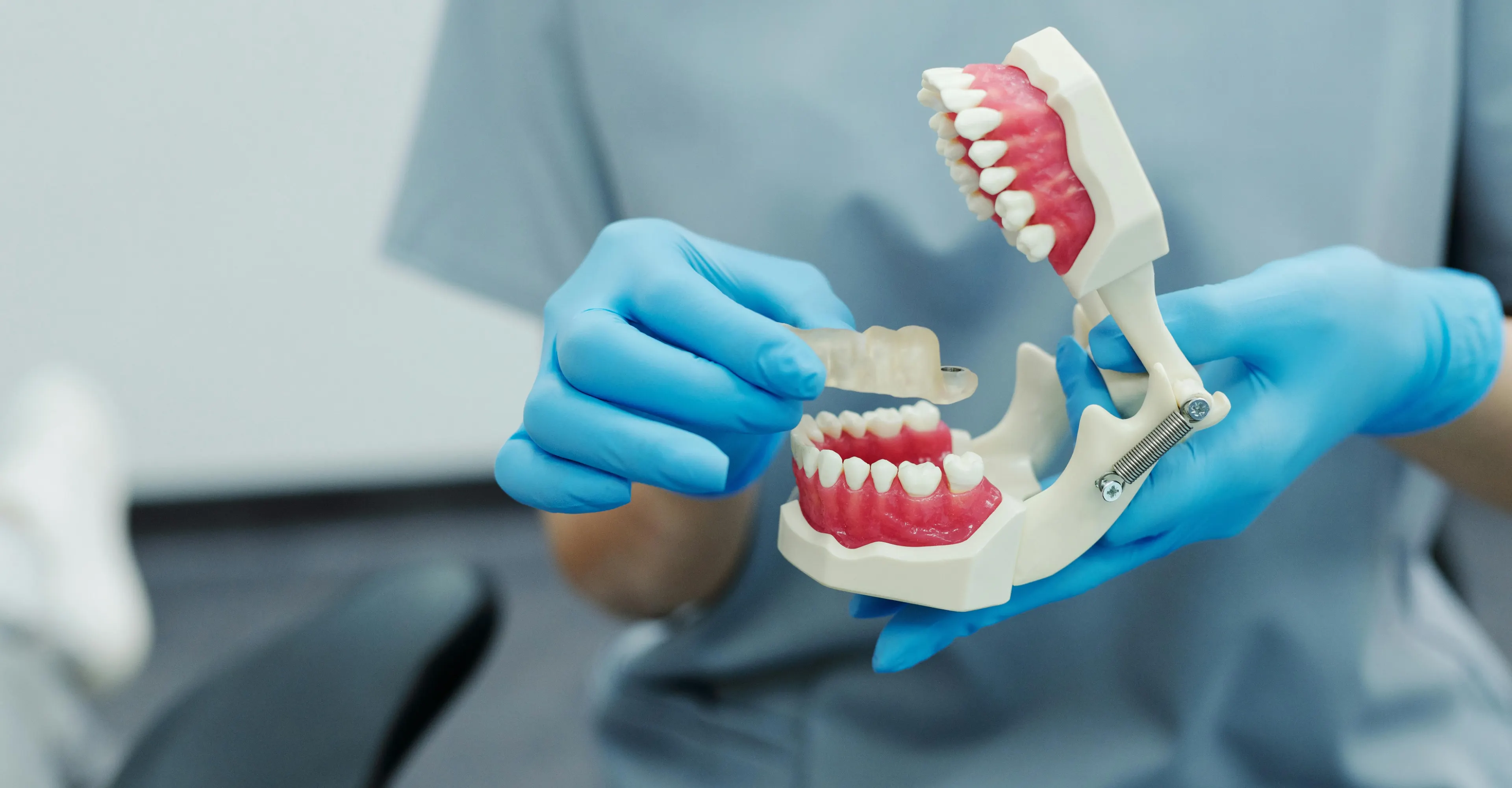
If you often wake up with a sore jaw or a dull headache, you might be grinding or clenching your teeth in your sleep, a condition known as bruxism. This habit places immense pressure on your jaw joint and can be a major contributor to TMJ pain. A custom-fitted night guard from your dentist can be a game-changer. This oral appliance fits over your teeth and acts as a protective barrier to protect your teeth from grinding. It helps cushion the jaw joint and encourages the muscles to relax, preventing the damage and pain caused by clenching all night long.
Know When to See a Dentist
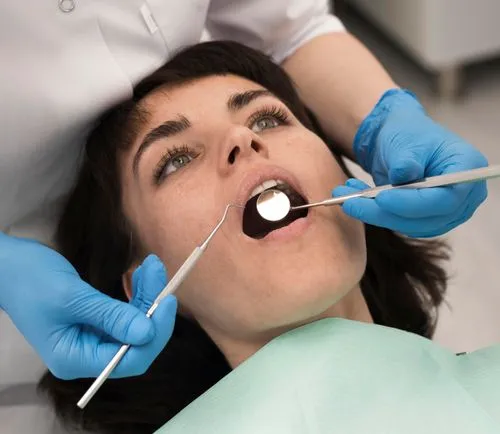
While at-home remedies are a great first step, they aren’t always enough. If your jaw pain is severe, persistent, or interferes with your ability to eat or talk, it’s time to see a professional. A dentist can perform a thorough examination to accurately diagnose the cause of your TMJ disorder and create a personalized treatment plan. Don’t ignore ongoing pain. The experts at Smile Makers Dental Center specialize in effective TMJ treatment and can help you find a long-term solution. If you’re ready to address your jaw pain for good, book an appointment with our team today.
Related Articles
Frequently Asked Questions
My jaw clicks but doesn't hurt. Is that still a TMJ problem? A clicking or popping sound, even without pain, is often a sign that the joint isn't moving as smoothly as it should. While it might not be causing you discomfort now, it can be an early indicator of a TMJ disorder. Think of it as a signal from your body that something is a little off. Getting it checked out by a professional can help you understand the cause and learn how to prevent it from becoming a painful problem down the road.
I think I grind my teeth at night. What should I do? If you suspect you're grinding your teeth, the best first step is to schedule a dental visit. We can look for telltale signs of wear on your teeth and jaw muscle tenderness to confirm it. The most common and effective solution is a custom-fitted night guard. It creates a protective barrier that cushions your jaw and helps your muscles relax, preventing the strain and potential damage that comes from clenching all night.
Are there any quick, at-home remedies for a sudden flare-up? Yes, you can get some temporary relief at home. For sore, tight muscles, applying a warm, moist compress to the side of your face for about 15 minutes can help them relax. If you're experiencing sharper pain or swelling, a cold pack wrapped in a towel can help numb the area and reduce inflammation. During a flare-up, it's also wise to stick to soft foods to give your jaw a rest.
My jaw pain comes and goes. Do I really need to see a dentist? Pain that is intermittent can be easy to dismiss, but it's still a sign that there's an underlying issue. These flare-ups can become more frequent or severe over time if the root cause isn't addressed. Seeing a dentist allows for a proper diagnosis to figure out your specific triggers. From there, we can create a plan to manage your symptoms for good, rather than just waiting for the next painful episode.
I can't eliminate stress from my life. How can I stop it from affecting my jaw? That's a reality for most of us. The key isn't to eliminate all stress, but to manage your body's physical reaction to it. Start by practicing jaw awareness throughout the day; try to keep your teeth slightly apart and your facial muscles relaxed. Incorporating simple deep breathing exercises can also signal your body to release tension. Finally, consider reducing your intake of stimulants like caffeine, which can make muscle tension and clenching worse.