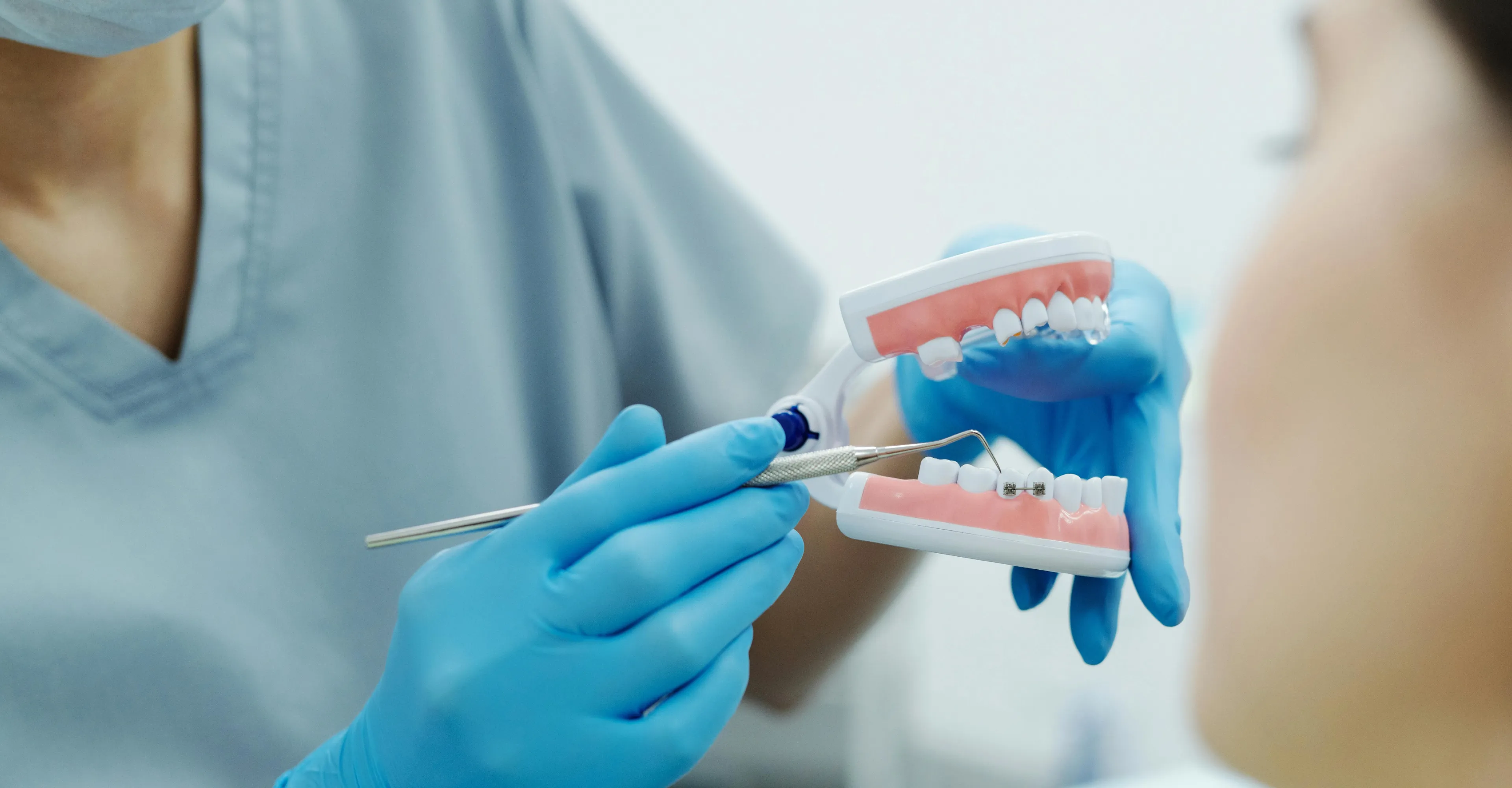



Oral cancer risk factors are characteristics or exposures associated with a greater chance of cancer developing in the mouth or throat. Tobacco and alcohol use are among the most established risks, but having a risk factor does not mean someone has cancer, and people without known risks can still develop it. If a change in your mouth persists or concerns you, a dental professional can help determine an appropriate next step.
What are oral cancer risk factors?
A risk factor is something that can affect the likelihood of a disease. For oral cancer, risk factors include certain behaviors and exposures, as well as age and health history. They help explain patterns across groups; they cannot predict with certainty what will happen to one person. A risk factor is not a diagnosis, and a symptom is not a personal risk score.
The Centers for Disease Control and Prevention identifies tobacco and alcohol use among the most common risk factors for cancers of the oral cavity and pharynx. Its overview of oral cancer and its risk factors is a useful starting point. Oral cavity cancers can involve areas such as the lips, tongue, gums, floor or roof of the mouth, and inner cheek. Cancers of the pharynx affect parts of the throat behind the mouth. These areas are related, but the location of a concern shapes how it is assessed.
It helps to separate three ideas: exposure, symptoms, and evaluation. Exposure describes something associated with increased likelihood, such as tobacco use. Symptoms are changes a person notices. Evaluation is a professional's assessment of the change and history. One does not automatically establish the next: an exposure does not mean cancer is present, and a symptom can have many explanations.
Which factors are most strongly associated with oral cancer?
Tobacco in any form
Smoking tobacco is a recognized risk. Smokeless tobacco also exposes tissues in the mouth to harmful substances. Risk relates to exposure over time, but a blog cannot calculate an individual's likelihood from the type, amount, or duration of use. If you currently use tobacco and want to stop, ask a healthcare professional about cessation support that fits your situation.
Past use is worth mentioning during a health visit, too. Share what you can about the kind of product and whether use is current or former. You do not need to feel judged. The point is to give the clinician context, not to assign blame or assume that tobacco explains a particular mouth change. If you are unsure how much detail matters, say that and ask what information would be useful.
Alcohol use
Alcohol use is another important risk factor. Tobacco and alcohol together are associated with greater risk than either exposure alone. That does not mean a particular person's symptom was caused by alcohol, or that a person who drinks will develop cancer. A clinician can discuss personal health considerations without making assumptions about one habit or one symptom.
Age and personal health history
Risk generally increases with age, although younger adults can also be affected. A previous cancer diagnosis or other relevant health history may matter when a professional considers a new concern. Age alone is not a diagnosis and should not be used to dismiss a persistent change in a younger person. When you prepare for a visit, mention relevant past conditions and treatments rather than trying to decide which ones count on your own.
HPV and cancers in the throat
Some cancers in the oropharynx, the part of the throat that includes the tonsils and base of the tongue, are associated with certain types of human papillomavirus (HPV). HPV-related disease is a distinct part of the broader head and neck cancer picture. Its relevance depends on location and clinical context, so it is not possible to infer a cause from a symptom alone. If you have questions about HPV and your health history, raise them with a medical professional.
How should you interpret possible or uncertain factors?
Research has examined many possible influences, including oral hygiene, chronic irritation, diet, and infections. A reported association does not automatically prove that something causes cancer. Studies can differ in design, quality, and the populations included. It is safer to distinguish an established risk from a proposed or still-investigated factor than to treat every online list as equally certain.
Maintaining oral hygiene is worthwhile for oral health, but it should not be presented as a guaranteed way to prevent cancer. Similarly, a rough tooth or dental appliance may deserve attention for comfort or tissue health, but that does not mean it caused cancer. If something repeatedly rubs or injures the mouth, ask a dental professional whether it needs adjustment or other attention.
Consider a practical example: someone notices a sore after accidentally biting the cheek. The timing may suggest a local injury, but if the area does not improve, worsens, or remains concerning, the person should ask a professional rather than deciding the cause at home. In another case, a person may have a tobacco history but no visible change. That history is useful to share at routine care, but it does not itself show that cancer is present. Context guides a conversation; it does not substitute for one.
Risk is not a checklist that rules cancer in or out. A person may have several recognized risks and never develop cancer; another may have few recognized risks and still need an evaluation for a persistent lesion. The useful question is not whether you can diagnose the cause yourself, but whether a change deserves professional guidance.
What changes in the mouth should prompt attention?
Pay attention to changes that persist, worsen, or lack a clear explanation. Examples include a sore that does not heal, a lump or thickened area, a red or white patch, persistent pain, difficulty swallowing, or a lasting change in voice. These signs can have many causes, including non-cancerous ones. They do not prove cancer, but they are reasonable to bring up.
Make a simple record rather than repeatedly testing the area. Note when you first noticed it, where it is, whether its appearance or size has changed, and whether eating or swallowing is affected. If you can describe it clearly without irritating it, that may help. Avoid scraping, pressing, or repeatedly rubbing the spot to see what happens. If you are unsure how long to wait, contact a dental or medical professional instead of relying on a fixed rule from an online article.
People sometimes delay asking because they fear what they might hear. An evaluation is a way to get appropriate information, not a conclusion that something serious is present. For more detail on changes and when to seek advice, read this guide to early signs of mouth cancer. If you have a severe or rapidly worsening problem, seek appropriate urgent medical care; trouble breathing or inability to swallow should not wait for a routine dental appointment.
How can you reduce known risks and support oral health?
Some practical steps focus on known exposures; others help you communicate well and maintain general oral health. None guarantees that cancer will be prevented. Use the steps as a starting point for a conversation, not as a substitute for individualized advice.
- Avoid tobacco or seek help to stop. If you use tobacco, discuss cessation support with a healthcare professional. If you stopped in the past, include that history when asked.
- Talk honestly about alcohol. A clinician can help you consider health guidance in light of your history. You do not need to make a judgment about yourself before raising the subject.
- Keep routine dental visits. Visits support overall oral health and provide a chance to mention a new change. They do not guarantee cancer prevention or detection at a particular stage.
- Share relevant history. Tell the dental team about tobacco and alcohol exposure, prior oral or head and neck conditions, and changes you have noticed.
- Ask about recurring irritation. If a tooth, denture, or appliance repeatedly rubs tissue, ask whether it needs attention. Do not assume irritation is cancer or that it explains a persistent lesion.
- Seek guidance for persistent changes. Do not dismiss a symptom simply because you have no known risk factors or because it does not hurt.
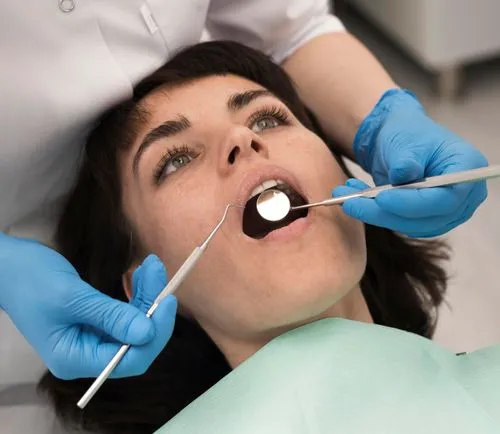
A routine dental visit may include looking at the lips and tissues in the mouth as part of an oral health assessment. What is included can vary by visit and clinical context. Ask what examination is appropriate for you rather than assuming every visit includes a formal screening or that one examination can guarantee an outcome. You can review the practice's dental services and dentists and care team before arranging care.
What happens when you bring up a mouth change?
Begin with a plain description. You might say, “I noticed a white patch on the side of my tongue about two weeks ago; it has not changed,” or “This sore began after I bit my cheek, but it still concerns me.” Include where it is, when it appeared, whether it has changed, and whether it hurts or affects eating or swallowing. A clear timeline is more useful than a guess about what caused it.
Also share tobacco or alcohol use, relevant past diagnoses, and medicines or treatments that seem connected. If you do not know a date or detail, say so. The goal is to give the professional enough context to decide what assessment is appropriate. You do not need to arrive with a diagnosis or search for every possible cause before the appointment.
A dental professional may look at the area and ask about your history. Depending on the findings, the next step might be monitoring, addressing a local source of irritation, further evaluation, or referral to another clinician. The appropriate choice depends on the individual situation. A blog cannot tell you which path applies, and a visit does not mean that a serious diagnosis has been made.
If further testing or a referral is recommended, ask what prompted it, what it involves, what happens afterward, and whom to contact with questions. You can also ask what change would warrant getting in touch sooner. These questions help turn an unfamiliar process into a clear plan and keep you from leaving with uncertainties you could have resolved during the conversation.
For a useful visit, write down questions beforehand: What do you see? What are possible explanations? What is the next step? How should the area be followed? When should I contact you again? If more evaluation is advised, what should I expect? These questions support shared decision-making without asking you to reach a diagnosis yourself.
How can you prepare for an oral health appointment?
Preparation can make the conversation easier, especially if you feel anxious. Bring a short timeline and a list of questions. If you have relevant records readily available, ask whether they would be helpful. Tell the team if dental visits make you nervous; you can review practical ways to feel more comfortable and visit comfort options before you go.
Think through the logistics as well. Choose a location that works for you and share the reason for the appointment when asked, so the team can direct your question appropriately. Smile Makers has Northern Virginia office locations. If you need to complete forms in advance, review the patient forms and information page. For questions about what to bring or how to arrange a visit, contact the practice.
You may want to bring a support person if that helps you feel comfortable, subject to the office's visitor policies. Keep the notes brief: a few dates, a description, relevant history, and your main questions are enough. Avoid spending hours comparing symptoms online. Search results cannot examine the area and may make uncertainty feel worse.
How do common risk factors and concerns compare?
This table is an educational summary, not a personal risk score. It distinguishes recognized exposures from symptoms or circumstances that call for a conversation.
| Factor or concern | What it can tell you | What it cannot tell you | Practical next step |
|---|---|---|---|
| Tobacco use | A recognized risk factor for cancers of the oral cavity and pharynx. | It cannot establish that a particular person has cancer. | Share current or past use; ask a healthcare professional about cessation support if wanted. |
| Alcohol use | A recognized risk factor; combined tobacco and alcohol exposure is especially relevant. | It cannot identify the cause of an individual mouth change. | Discuss your history and ask for guidance suited to your circumstances. |
| Age or past health history | May inform an individual assessment. | Age or history alone does not diagnose or rule out disease. | Tell the clinician about relevant diagnoses and treatments. |
| Persistent mouth change | Signals that professional guidance may be useful, particularly if it worsens or concerns you. | Appearance alone does not confirm cancer; many causes are possible. | Note its location and timeline, then contact a dental or medical professional. |
| Possible irritation or other proposed factor | May be worth discussing when it affects comfort or tissue health. | An association or irritation does not prove causation. | Ask whether the source needs attention and follow guidance for persistent changes. |
Use the table to decide what information to bring, not to total up risks. For example, a person who has no known exposure but notices a lasting patch should still describe the patch. Someone with a history of tobacco use but no current symptom can share that history at routine care without assuming an emergency. In both situations, the next step depends on the actual context and professional assessment.
If you want to arrange an appointment to discuss an oral health concern, book a visit online. Choose the location that works for you and use the appointment to ask what evaluation is appropriate.
Frequently asked questions
Can oral cancer occur without known risk factors?
Yes. Risk factors are not a complete prediction tool. If a change persists or concerns you, seek professional advice even if you do not use tobacco or alcohol.
Does a mouth sore mean cancer?
No. Mouth sores can have many causes, and a sore alone does not establish cancer. A sore that does not heal or otherwise worries you should be discussed with a dental or medical professional.
Does a dental visit guarantee early detection?
No screening or routine visit can guarantee that cancer will be found or prevented. A dental visit is an opportunity to discuss oral health and changes you have noticed; ask what examination is appropriate for you.
Should I wait for pain before asking about a change?
No. Some concerning changes may not be painful, and pain can have many causes. Persistent or worsening changes deserve professional guidance whether or not they hurt.
What is the next step?
Knowing the main oral cancer risk factors can help you have a more informed conversation, but it cannot tell you whether a particular change is cancer. Share your history, ask questions, and seek professional guidance for persistent concerns. An appointment can help you decide what evaluation, if any, is appropriate.