






Your mouth is not separate from the rest of your body. Inflamed gums can allow oral bacteria and their byproducts to enter the bloodstream, while ongoing gum disease can contribute to inflammation beyond the mouth. That is why healthy gums matter for more than a comfortable smile.
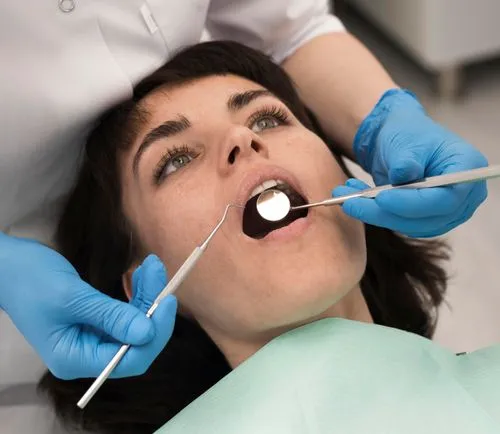
Schedule a dental checkup today to protect your smile and your overall health.
The oral health overall health connection means that conditions such as gum disease may be associated with heart disease, diabetes, pregnancy complications, respiratory infections, and cognitive decline. These relationships do not mean that gum disease causes every condition, but they show why preventive dental care is an important part of protecting your broader health.
Periodontal disease is common among adults, and it can develop gradually without severe pain. Regular exams help identify bleeding, inflammation, and other changes early, when they are easier to address. Understanding how the mouth communicates with the rest of the body starts with the biology behind that connection.
How the Oral Health and Overall Health Connection Works
Your mouth holds a complex community of bacteria, and healthy gums help keep that community where it belongs. When gum tissue is inflamed or damaged by periodontitis, the barrier can become easier for microbes and their byproducts to cross. This is one reason researchers describe the mouth as a possible portal to the bloodstream and distant organs.
How bacteria can enter the bloodstream
Inflamed gums may bleed during brushing, flossing, or everyday chewing. During these moments, oral bacteria can enter the bloodstream in a process called bacteremia. Some episodes are temporary, but recurring exposure may give bacteria or their products opportunities to travel beyond the mouth, with oral microbes potentially reaching distant organ systems. Learn how Smile Makers Dental Center treats periodontal disease at its source.
Why chronic gum inflammation matters
Gum disease is not only a local infection. Periodontitis is a chronic inflammatory condition, and ongoing inflammation in the gums can contribute to inflammation throughout the body. The American Heart Association describes one pathway in which bacteria from periodontal disease may travel toward the heart's arteries. This association does not mean that gum disease causes every illness, or that dental care replaces medical treatment. It does mean that untreated gum disease deserves attention as part of a person's overall health picture.
For families in Northern Virginia, the practical takeaway is reassuring: recognizing gum inflammation early creates an opportunity to act. A dental exam can identify bleeding, swelling, gum pockets, or other signs that are easy to overlook at home.
| Area of the body. | What the evidence suggests. | A practical next step. |
| Heart and blood vessels. | Oral bacteria may reach the arteries and contribute to inflammation. | Treat gum inflammation and manage cardiovascular risk with your doctor. |
| Blood sugar and diabetes. | Gum disease and diabetes influence each other in both directions. | Keep regular dental visits and share your diabetes care plan. |
| Lungs. | Oral bacteria can be aspirated into the airways. | Practice daily oral hygiene, especially for older adults. |
| Brain and cognition. | Research is exploring associations with cognitive decline. | Address persistent gum symptoms early with a dental exam. |

Gum Disease and Heart Health: What the Research Says
The American Heart Association has published a scientific statement specifically examining periodontal disease and atherosclerotic cardiovascular disease. The statement indexed in PubMed addresses the evidence directly rather than treating the connection as a simple cause-and-effect claim. Atherosclerosis involves changes in the arteries, and cardiovascular risk is shaped by many factors, including blood pressure, cholesterol, tobacco use, diabetes, family history, and lifestyle. The American Heart Association's oral health guidance emphasizes that researchers continue to study the relationship between oral conditions and cardiovascular disease.
This area of research is not entirely new. The American Dental Association's overview of oral-systemic health notes that the U.S. Surgeon General's 2000 report recognized associations between periodontal disease and cardiovascular health, as well as stroke, diabetes, and adverse pregnancy outcomes. The wording matters: an association means conditions appear related in the evidence, but it does not prove that treating gum disease alone prevents cardiovascular disease.
The practical takeaway is calm and straightforward. Bleeding, swollen, tender, or receding gums should not be ignored, even if they do not hurt. An evaluation can identify inflammation early and support a plan for cleaning, home care, and periodontal treatment when needed.
The Two-Way Link Between Gum Disease and Diabetes
Diabetes and gum disease can influence each other, which is one reason oral care belongs in a complete health routine. People with diabetes are more likely to develop periodontal disease, especially when blood sugar is not well controlled. At the same time, serious gum disease may make blood sugar more difficult to manage. The National Institute of Dental and Craniofacial Research describes this as a two-way relationship.
Research estimates that periodontitis affects about 7.4% to 11.2% of adults worldwide, with prevalence increasing with age (review of global periodontitis prevalence). In the United States, nearly half of adults age 30 and older have some form of periodontal disease, according to the NIDCR (US periodontal disease data).
Watch for bleeding when brushing or flossing, persistent bad breath, tender or swollen gums, gum recession, or teeth that feel loose. These signs should not be dismissed as an unavoidable part of diabetes or aging. If you notice them, review the warning signs of periodontal disease and plan an evaluation with your dental team. Early treatment can identify inflammation before it progresses and give you practical next steps for home care and professional care.
Oral Health During Pregnancy: Protecting Mom and Baby
Pregnancy is a time when your body changes quickly, and your mouth deserves attention as part of that care. Hormonal shifts can make gums more sensitive, swollen, or likely to bleed, especially when plaque collects along the gumline. Periodontitis has been linked with adverse pregnancy outcomes, including preterm birth and low birth weight, according to Mayo Clinic. A comprehensive review and meta-analysis likewise examined the association between periodontitis and adverse pregnancy outcomes (Springer). These findings describe an association, not a guarantee, but they reinforce why keeping inflammation under control is a worthwhile part of prenatal wellness.
Tell your dentist about your pregnancy, expected due date, medications, and any guidance from your prenatal care team. With that information, the dental team can plan examinations, cleanings, and necessary care appropriately. Delaying needed treatment can allow an infection or inflammation to progress, so pregnancy is not a reason to avoid the dentist. Researchers have also studied whether nonsurgical periodontal treatment during pregnancy affects preterm birth rates, as documented in this PubMed review.
Why Oral Health Matters for Your Lungs and Your Brain
Your mouth is connected to the rest of your body in practical ways. When gum disease creates pockets of inflammation and harmful bacteria, those bacteria do not necessarily stay in the mouth. Small amounts of oral fluid can be inhaled into the airways, especially when someone is older, medically vulnerable, or recovering in a healthcare setting.
The Centers for Disease Control and Prevention recognizes oral hygiene as a measure that can help prevent pneumonia in healthcare settings. The CDC's oral health and pneumonia toolkit outlines this role in infection prevention. Research also suggests that pathogens associated with periodontal disease can be aspirated into the lower respiratory tract and may contribute to respiratory infections. This does not mean every respiratory illness begins in the mouth, but it does show why daily brushing, cleaning between the teeth, and professional dental care are worthwhile parts of a complete health routine. The relationship is discussed in this review of periodontal disease and respiratory infection.
Scientists are also studying possible links between long-term gum inflammation and brain health. Studies have associated periodontitis with cognitive decline and Alzheimer's disease, with inflammation and bacterial products among the pathways researchers are exploring (review of periodontitis and cognitive decline). Research suggests an association, not proof that gum disease causes Alzheimer's disease. Many factors influence cognitive health, and more research is needed to understand how oral inflammation, bacteria, genetics, aging, and other medical conditions may interact.
Simple Steps to Protect Your Mouth and Your Body
Preventive care gives you practical ways to support both oral and overall health. A few consistent habits can help you lower your risk, notice changes earlier, and keep small concerns from becoming more complicated.

- Brush twice a day with fluoride toothpaste. Brush for about two minutes in the morning and before bed, using gentle pressure along the gumline and all tooth surfaces.
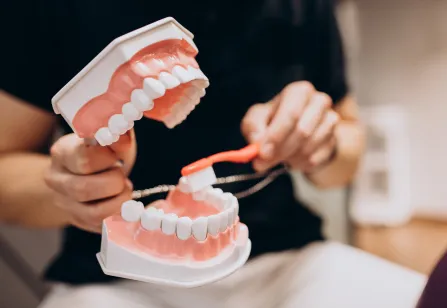
- Clean between your teeth every day. Floss, use an interdental brush, or choose another method recommended by your dental team. A toothbrush cannot reach every area between teeth, where plaque can collect and contribute to gum inflammation.
- Keep regular dental cleanings and exams. Professional care removes buildup that home brushing cannot, and an exam can identify cavities, gum problems, bite concerns, or other changes early. Your ideal schedule depends on your needs, so ask about regular dental cleaning intervals rather than relying on a one-size-fits-all rule.
- Share your complete medical history. Tell your dentist about medical conditions, recent diagnoses, pregnancy, allergies, and every medication or supplement you take. This information helps the team plan safe care and recognize oral changes that may be related to your broader health.
- Avoid tobacco products. Smoking and other tobacco use can harm gum health, make healing more difficult, and increase the risk of serious oral disease. If quitting feels difficult, ask your medical or dental team for practical support.
- Follow through on gum-disease treatment. Bleeding, swelling, persistent bad breath, gum tenderness, or loose teeth deserve attention, even if discomfort is mild. Completing recommended visits and home-care steps can help control infection and inflammation. Learn what gum disease treatment involves and ask what follow-up care is right for you.
Book your appointment with Smile Makers Dental Center and take the next step toward a healthier mouth and body.
These habits are not about perfection. They are a steady, proactive way to protect your smile while giving your dental team the information needed to support your health as a whole. For families across Northern Virginia, family dentistry at Smile Makers Dental Center brings preventive care, periodontal treatment, and coordinated medical awareness together in one trusted place.
Nutrition also plays a role in this connection. A balanced diet with limited added sugar gives oral bacteria less fuel, while nutrients such as vitamin C and calcium support healthy gum tissue and strong teeth. Hydration keeps saliva flowing, which helps wash away food particles and buffer acids throughout the day. These everyday choices sit alongside professional care, not instead of it, and they compound quietly over years. Pairing consistent home habits with a dental exam that checks for bleeding, gum pockets, and recession gives you the clearest picture of where your oral health stands today.
Frequently Asked Questions
How does oral health affect overall health?
Inflamed gum tissue can allow oral bacteria or their products to enter the bloodstream, while ongoing gum inflammation can contribute to systemic inflammation. This does not mean every dental problem causes a separate disease, but it does explain why oral health deserves attention as part of preventive healthcare. The available research describes associations between oral dysbiosis and cardiovascular disease, type 2 diabetes, respiratory infections, and adverse pregnancy outcomes.
Can gum disease cause heart disease?
Gum disease should not be described as a proven, single cause of heart disease. However, bacteria from periodontal disease may enter the bloodstream through inflamed gums and travel toward the arteries. And periodontal disease has been studied in relation to atherosclerotic cardiovascular disease. The American Heart Association scientific statement examines this relationship.
How does oral health impact diabetes management?
The relationship works in both directions. People with diabetes are more likely to develop periodontal disease, and active, serious gum disease may make blood sugar harder to control. Good diabetes management, daily oral hygiene, regular dental visits, and timely treatment can support one another. The National Institute of Dental and Craniofacial Research explains this two-way connection.
Are oral health problems linked to Alzheimer's disease?
Research has associated periodontitis with cognitive decline and Alzheimer's disease, with inflammation and bacterial products proposed as possible pathways. This is an area of ongoing study, so the association does not prove that gum disease directly causes Alzheimer's. Keeping the mouth clean, addressing gum symptoms, and maintaining routine dental care remain practical steps for protecting oral health at every age.
Ready to Schedule Your Dental Checkup?
A comprehensive exam can help you understand your current oral health and choose practical next steps for ongoing care. Schedule a dental checkup and comprehensive exam at Smile Makers Dental Center through our appointment booking page.