




Gum disease can be surprisingly quiet in its early stages, which is why so many people don’t realize they have it until it becomes more serious. You might notice slightly swollen gums or persistent bad breath but brush it off as something minor. However, these subtle symptoms are signals of an underlying infection that needs attention. If left unaddressed, the condition can advance, leading to significant issues like receding gums and even tooth loss. We believe knowledge is power, so we created this guide to help you understand the causes, recognize the warning signs, and learn about the effective options for dentist treatment gum disease that can restore your oral health and protect your smile for the long term.
Key Takeaways
- Early action prevents permanent damage: Gingivitis, the first stage of gum disease, is completely reversible. Acting on early signs like bleeding gums allows you to treat the issue before it progresses to periodontitis, which causes irreversible harm.
- Your daily habits are your best defense: Professional treatments get gum disease under control, but only consistent at-home care can keep it that way. Long-term success depends on a solid routine of brushing, flossing, and attending regular follow-up appointments.
- A healthy mouth supports a healthy body: Gum disease is more than a dental problem; it's a health issue. The bacteria from an infection in your gums can contribute to serious conditions like heart disease and diabetes, making oral health a key part of your overall wellness.
What Is Gum Disease?
You’ve probably heard the term “gum disease,” but what does it actually mean for your health? Simply put, gum disease is an infection of the tissues that surround and support your teeth. It’s incredibly common, but it’s also preventable and treatable, especially when caught early. The condition develops when plaque, a sticky film of bacteria, builds up on your teeth and hardens. Understanding the different stages of gum disease is the first step toward protecting your smile.
Gingivitis vs. Periodontitis: The Stages of Gum Disease
Think of gingivitis as the early warning sign of gum disease. It’s the mildest form, and its symptoms include red, swollen gums that may bleed easily when you brush or floss. The good news? At this stage, the infection hasn't reached the bone, and gingivitis is completely reversible with a solid oral hygiene routine and professional cleanings. If left untreated, gingivitis can advance to periodontitis. This is a much more serious stage where the gums begin to pull away from the teeth, creating small pockets. These pockets trap bacteria, leading to an infection that can destroy the bone and connective tissue that hold your teeth in place. This can eventually cause teeth to become loose and even fall out.
The Link Between Gum Disease and Your Overall Health
The effects of gum disease aren't just confined to your mouth. Your oral health is deeply connected to your overall well-being. When the infection from periodontitis enters your bloodstream, it can contribute to other health problems throughout your body. Research shows a strong connection between gum disease and serious conditions like heart disease, stroke, and diabetes. For example, untreated periodontitis can make it more difficult to control blood sugar levels in people with diabetes. This makes addressing gum health a critical part of maintaining your overall health, not just your smile.
Warning Signs of Gum Disease
Gum disease can be sneaky. In its early stages, the signs are often so subtle that you might dismiss them as normal. But your body is trying to tell you something is wrong. Paying attention to these early warnings is the best thing you can do for your oral health, as it allows you and your dentist to act before the problem becomes more serious. Many people don't realize they have it until it has already progressed, which is why knowing what to look for is so critical.
Think of it like this: a little pink in the sink or slightly puffy gums might not seem like a big deal, but they are the first signals of an underlying infection. Ignoring them allows the condition to progress, potentially leading to more significant issues down the road. Recognizing the signs of gum disease is the first and most important step toward getting the care you need. When you know what to look for, you can take control of your health and work with your dental team to keep your smile strong and healthy for years to come. Our team at Smile Makers is here to help you understand these signs and find the right solution from our comprehensive dental services. We believe in empowering our patients with knowledge so they can make informed decisions about their care.
Bleeding or Swollen Gums
One of the most common and earliest signs of gum disease is seeing blood when you brush or floss. While you might think you just brushed too hard, healthy gums shouldn't bleed from a regular cleaning. This bleeding is often accompanied by gums that look red, swollen, or feel tender to the touch. Another key indicator is gum recession, where your gums start to pull away from your teeth, sometimes making your teeth appear longer than usual. According to the Cleveland Clinic, gums that bleed easily are a classic symptom of periodontal disease. If you notice any of these changes, it’s a clear signal that your gums need some attention.
Persistent Bad Breath
We all have bad breath from time to time, but if you find yourself dealing with a persistent bad taste or odor that mouthwash and brushing can’t seem to fix, it could be a sign of gum disease. This condition, also known as halitosis, is often caused by the buildup of plaque and bacteria in the mouth, particularly in the small pockets that form between your teeth and gums as the disease progresses. While mints or mouthwash can provide a temporary fix, they only mask the symptom instead of addressing the root cause. If you’re struggling with chronic bad breath, it’s worth considering that it might be linked to the health of your gums.
Loose Teeth or a Changing Bite
If you notice that one or more of your teeth feel loose, or if your bite suddenly feels different when you chew, it’s a major red flag for advanced gum disease, or periodontitis. As the infection worsens, it can damage the bone and connective tissue that hold your teeth firmly in place. This damage creates "pockets" around the teeth that can cause them to shift or become unstable. The CDC notes that loose teeth are a significant indicator of advancing gum disease. This is not a symptom to ignore, as it can ultimately lead to tooth loss. If you experience this, it's time to book an appointment for a professional evaluation right away.
What Causes Gum Disease?
Gum disease doesn't happen overnight. It’s a progressive condition that starts small and can become a serious problem if left unchecked. Understanding what causes it is the first step toward preventing it. The primary trigger is something that forms in your mouth every single day, but several other factors can significantly increase your risk. Knowing where you stand can help you and your dentist work together to protect your smile.
Plaque Buildup and Oral Hygiene
The main cause of gum disease is a sticky, colorless film of bacteria called plaque. This film constantly forms on your teeth. When you don't effectively remove it with daily brushing and flossing, the bacteria in the plaque produce toxins that irritate your gum tissue, leading to gingivitis.
If plaque stays on your teeth for too long, it hardens into tartar (also called calculus). Tartar can build up at and under the gum line, making it even harder to clean your teeth properly. Unlike plaque, tartar can't be removed with a toothbrush and floss. It requires a professional cleaning from your dentist or hygienist to get rid of it, which is why regular dental services are so important for keeping your gums healthy.
Lifestyle and Health Risk Factors
While plaque is the direct cause, certain factors can make you more susceptible to developing gum disease or cause it to progress faster. These risk factors can lower your body's ability to fight off infection, making your gums more vulnerable.
Common risk factors include smoking or using tobacco products, which weakens your immune system. Hormonal changes, such as those during pregnancy or menopause, can make gums more sensitive. Other contributing factors include high levels of stress, a family history of dental disease, and certain medical conditions like diabetes. Some medications can also affect your oral health. If you have any of these risk factors, it’s even more critical to maintain excellent oral hygiene and see your dentist regularly for checkups.
How Dentists Diagnose Gum Disease
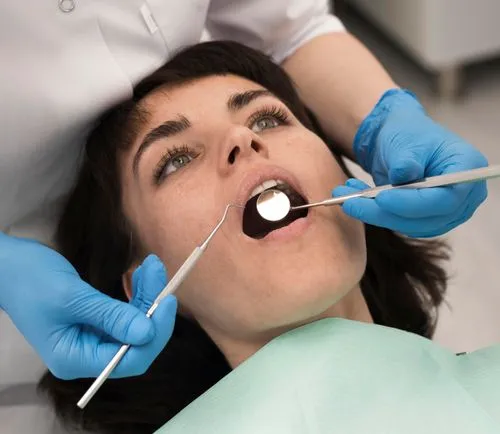
If you're worried about gum disease, the first step is getting a clear diagnosis from your dentist. The good news is that this is a standard part of your regular dental checkup. Your dentist can spot the early signs of trouble, often before you notice major symptoms yourself. During your exam, we'll look for visual cues like redness or swelling and talk with you about anything you've been experiencing, like bleeding when you brush. From there, we use a couple of simple, painless techniques to get a complete picture of your gum health and determine the best path forward.
Measuring Gum Pocket Depth
One of the main ways we check for gum disease is by measuring the small space between your teeth and gums. This space is called a periodontal pocket. Using a tiny ruler called a probe, we gently measure the depth of these pockets. Healthy gums fit snugly around your teeth, so the pockets are usually shallow. According to the Cleveland Clinic, these measurements help your dentist understand the extent of the disease. Deeper pockets can be a sign that gum disease has started to cause the bone supporting your teeth to break down. This quick measurement is a crucial step in creating the right treatment plan for you.
Using X-Rays to Check for Bone Loss
Along with measuring your gum pockets, we’ll often take dental X-rays to get a look at what’s happening below the gumline. X-rays are essential because they show us the health of the bone that holds your teeth in place. While we can see plaque and tartar on the surface, X-rays reveal if any bone has been lost due to periodontitis, the more advanced form of gum disease. This gives us a complete and accurate picture of your oral health, allowing us to catch and address issues early. These diagnostic tools are a routine part of the comprehensive care we provide to all our patients.
Non-Surgical Gum Disease Treatments
If your dentist identifies gum disease, the good news is that there are highly effective, non-surgical ways to treat it, especially when caught early. The goal of these treatments is to control the infection, halt its progression, and give your gums a chance to heal. Think of this as the first line of defense for restoring your oral health. Our team will always start with the least invasive approach possible to get your smile back on track.
Professional Cleanings for Gingivitis
If you have gingivitis, the earliest stage of gum disease, a professional cleaning can often reverse the condition. While similar to a standard cleaning, your dentist or hygienist will focus on meticulously removing the plaque and tartar buildup around your gum line that’s causing the inflammation. As experts at Penn Dental Medicine note, these cleanings remove plaque and tartar that you can't remove at home. Depending on your situation, your dentist might recommend you come in more often than twice a year to keep your gums healthy and prevent the problem from returning.
Scaling and Root Planing (Deep Cleaning)
For more advanced gum disease (periodontitis), your dentist will likely recommend a deep cleaning, also known as scaling and root planing. This non-surgical procedure goes deeper than a standard cleaning. First, we carefully scrape away plaque and tartar from below the gum line (scaling). Next, we smooth out any rough spots on your tooth roots (planing). This second step is crucial because it helps your gums reattach to your teeth and makes it harder for bacteria to stick in the future. It’s a foundational treatment in periodontics for halting disease progression.
Antibiotics to Fight Infection
Since gum disease is a bacterial infection, sometimes a cleaning alone isn’t enough to get it under control. In these cases, your dentist may use antibiotics to help fight the bacteria. These aren't always pills; treatment can come in several forms. Your dentist might prescribe a special antibiotic mouth rinse to use at home or place an antibiotic gel or fiber directly into the gum pockets after a deep cleaning. This delivers the medication right where it’s needed most, helping to eliminate any lingering infection and support your gums as they heal.
Surgical Treatments for Advanced Gum Disease
When gum disease progresses to periodontitis, the infection can cause significant damage to the gums and the bone that supports your teeth. If non-surgical treatments like deep cleaning aren't enough to manage the condition, your dentist may recommend a surgical approach. These procedures sound intimidating, but they are highly effective at stopping disease progression, repairing damage, and saving your teeth. Our team of specialists is here to ensure you are comfortable and informed every step of the way.
Pocket Reduction Surgery (Flap Surgery)
If you have deep pockets around your teeth that collect bacteria, pocket reduction surgery, also called flap surgery, can help. During this procedure, your periodontist makes tiny incisions in your gum tissue to carefully lift it back. This provides access to remove the hardened plaque and bacteria that have built up deep below the gumline. After the area is thoroughly cleaned, the gum tissue is stitched back into place to fit more snugly around the tooth. As explained by experts at Penn Dental Medicine, this process reduces the depth of the pockets, making it harder for harmful bacteria to hide and easier for you to keep your gums clean at home.
Bone and Soft Tissue Grafts
Advanced periodontitis can destroy the bone that holds your teeth in place and cause your gums to recede, exposing the sensitive tooth roots. To address this, your dentist might perform a graft. A bone graft involves placing natural or synthetic bone material in areas of bone loss to help your body regenerate its own bone structure. Similarly, a soft tissue graft uses tissue, often from the roof of your mouth, to cover exposed roots. This procedure reduces sensitivity, protects your roots from decay, and improves the appearance of your smile. These grafts are essential for rebuilding the foundation of your oral health and providing crucial support for your teeth.
Guided Tissue Regeneration
When the bone supporting your teeth has been destroyed, guided tissue regeneration can help your body regrow it. This procedure is often done along with flap surgery. After the periodontist cleans out the bacteria, a small, mesh-like piece of biocompatible material is placed between your bone and gum tissue. This tiny barrier prevents the faster-growing gum tissue from invading the space where bone should be, giving the bone and connective tissue time to regenerate. It essentially "guides" the right kind of cells to heal the area, helping to restore a healthy and stable foundation for your teeth.
What to Expect from Gum Disease Treatment
Hearing you need treatment for gum disease can feel a little overwhelming, but knowing what’s ahead can make the entire process feel much more manageable. Your dental team’s goal is to get your gums healthy again in the most comfortable way possible. From managing discomfort during the procedure to your aftercare plan and the costs involved, we’ll walk you through every step. Modern dentistry offers many options to ensure your treatment is effective and your experience is positive.
Your Comfort: Pain Management and Sedation Options
Your comfort is our priority during any procedure. For early-stage gingivitis, treatment is often as simple as a professional cleaning and improving your at-home brushing and flossing. If you need a deeper cleaning, we’ll use a local anesthetic to completely numb the area, so you won’t feel any discomfort. We may also use medications like antibiotic gels placed directly into the gum pockets to help fight infection at the source. If you feel anxious about dental visits, we can help. We offer sedation dentistry options to help you relax, ensuring you can get the care you need without stress or fear.
Recovery Time and Aftercare
Your recovery will depend on the type of treatment you receive. After a non-surgical deep cleaning, you might have some mild sensitivity for a few days, but you can typically return to your normal routine right away. Surgical procedures may require a bit more downtime. While advanced gum disease isn't curable once bone loss has occurred, it is absolutely manageable. Think of it like a chronic condition that requires ongoing care. The most important part of your recovery is what comes next: maintaining excellent oral hygiene and attending regular dental check-ups. This follow-up care is essential to prevent recurrence and keep your gums healthy for the long term.
Understanding the Cost of Treatment
The cost of gum disease treatment varies depending on the severity of your condition and your specific treatment plan. We believe in transparent communication and will always provide a clear breakdown of costs before we begin. It’s helpful to view this treatment as an investment in your overall health. Following your recommended care plan is critical for preventing complications that could lead to more extensive and expensive procedures down the road. To make care more accessible, we offer a Loyalty Discount Plan and other flexible payment options. Our team is here to work with you to find a solution that fits your budget.
Can Gum Disease Be Reversed?
The answer to this question really depends on the stage of the disease. When we talk about gum disease, we’re usually referring to one of two conditions: gingivitis or periodontitis. Understanding the difference is the first step to getting your gum health back on track. The good news is that with the right care, you can either reverse the damage or effectively stop it from getting worse.
Reversing Gingivitis vs. Managing Periodontitis
Gingivitis is the earliest and mildest form of gum disease. You might notice that your gums are a little red, puffy, or even bleed when you brush. The key thing to know about gingivitis is that it’s completely reversible. At this stage, the infection hasn't reached the bone supporting your teeth. With consistent, thorough brushing and flossing, plus regular professional cleanings, you can typically restore your gums to perfect health.
On the other hand, periodontitis is the more advanced stage of gum disease, and unfortunately, it is not reversible. Once the disease progresses to this point, it starts to damage the soft tissue and bone that hold your teeth in place. While we can't undo this damage, we can absolutely manage it. The goal of treatment for periodontitis is to halt its progression, prevent further damage, and save your teeth. Our team offers specialized periodontic care to help you control the condition effectively.
The Dangers of Untreated Gum Disease
Ignoring the early signs of gum disease allows it to progress, leading to much bigger problems down the road. As periodontitis worsens, the gums pull away from the teeth, creating pockets that harbor more bacteria. This can destroy the bone and tissues supporting your teeth, causing them to become loose and eventually fall out. In fact, advanced gum disease is the leading cause of tooth loss in adults.
Beyond your mouth, untreated gum disease has been linked to other serious health issues, including heart disease, stroke, and diabetes. The bacteria from your infected gums can enter your bloodstream and travel to other parts of your body, contributing to inflammation and other health complications. Taking care of your gums isn't just about your smile; it's an important part of your overall well-being.
Why Early Intervention Is Key
Catching and treating gum disease in its earliest stage is the best thing you can do for your oral and overall health. Since gingivitis can be completely reversed with simple steps, early action can save you from needing more complex treatments later on. The problem is that many people don't realize they have gum disease because the initial symptoms can be subtle or painless. This is why regular dental checkups are so important.
During a checkup, we can spot the early signs of trouble that you might miss. Regular dental cleanings remove the plaque and tartar buildup that cause gum disease in the first place. If you notice any signs like bleeding gums or persistent bad breath, don't wait for your next scheduled visit. The sooner you address it, the better the outcome. If you have any concerns, it's always best to book an appointment and let us take a look.
How to Keep Gums Healthy After Treatment
After your gum disease treatment, you’re on the path to a healthier smile. But the work doesn’t stop when you leave our office. Maintaining your gum health is a lifelong commitment, and the habits you build now are key to preventing the disease from returning. Think of it as a partnership: we provide the professional treatment, and you take charge of the daily care that keeps your gums strong. Following your treatment, our team will give you a personalized plan to follow. The goal is to keep your gums healthy for good, and we’re here to support you every step of the way.
Perfecting Your At-Home Oral Hygiene
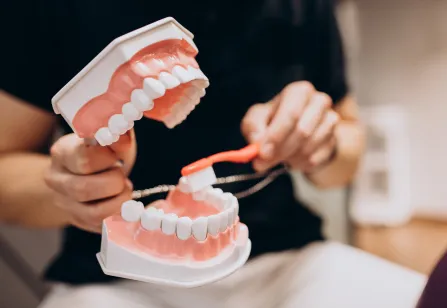
Your daily routine is your first line of defense. After treatment, it’s essential to practice meticulous oral hygiene to keep plaque from building up again. This means brushing your teeth for two minutes, twice a day, with a soft-bristled toothbrush and fluoride toothpaste. Don’t forget to floss at least once a day to clean between your teeth and under the gumline, where your brush can’t reach. Your dentist might also recommend an antimicrobial mouthwash to help reduce bacteria. Sticking to this routine consistently is the most powerful thing you can do to protect your investment in your smile and overall health.
The Importance of Regular Dental Checkups
Even the best at-home care can’t remove all the plaque, which hardens into tartar. That’s why regular follow-up appointments are so important. These visits allow your dental team to perform professional cleanings, removing any tartar buildup and monitoring the health of your gums. We’ll check your gum pocket depths and make sure everything is stable, catching any potential issues before they become serious. These check-ups are crucial for managing periodontal disease long-term. We recommend you book an appointment for a follow-up as advised by your dentist. We believe quality care should be accessible, which is why we offer a Loyalty Discount Plan to help make your ongoing care affordable.
Lifestyle Changes to Protect Your Gums
Your daily habits have a big impact on your oral health. To protect your gums after treatment, it’s helpful to look at your overall lifestyle. If you smoke, finding resources to help you quit is one of the best things you can do for your gums and your entire body. A balanced diet full of vitamins and minerals also supports healing and helps your body fight infection. Try to limit sugary foods and drinks that contribute to plaque buildup. Making these positive changes, combined with great hygiene and regular check-ups, gives you the best chance at a healthy, stable smile for years to come. Our team offers a range of specialized services to support your unique health needs.
Related Articles
- Your Guide to Gum Disease Treatment Options
- Periodontics Tysons VA | Gum Disease Treatment & Care
- Periodontics Falls Church VA | Gum Disease Treatment & Care
- Periodontics Leesburg VA | Gum Disease Treatment & Care
- Periodontics Fairfax VA | Gum Disease Treatment & Care
Frequently Asked Questions
My gums bleed sometimes when I brush. Does this definitely mean I have gum disease? Bleeding gums are one of the most common warning signs of gum inflammation, but it doesn't automatically mean you have a severe problem. Healthy gums shouldn't bleed, so it's your body's way of telling you that something is irritating them, most likely plaque buildup. It could be a sign of early, reversible gingivitis. The best thing to do is not to ignore it. Schedule a checkup so your dentist can take a look and determine the cause. Early action is the key to keeping the issue from becoming more serious.
What's the real difference between a regular cleaning and a deep cleaning? Think of a regular cleaning as preventative maintenance. It focuses on removing plaque and tartar from the surfaces of your teeth and just along the gumline to keep your mouth healthy. A deep cleaning, which is also called scaling and root planing, is a treatment for active gum disease. It goes further, cleaning deep below the gumline to remove hardened tartar from the roots of your teeth. This procedure helps to treat the infection and allows your gums to heal and reattach to your teeth.
If advanced gum disease can't be reversed, why is treatment so important? This is a great question. While we can't regrow the bone that has been lost to periodontitis without specific surgical procedures, treatment is absolutely essential to stop the disease in its tracks. The goal is to halt the infection, prevent any further bone loss, and save your teeth. Without treatment, the infection will continue to progress, leading to loose teeth and eventual tooth loss. Think of it as managing a chronic condition; with proper care, you can control it and maintain a healthy, stable smile for life.
Will gum disease treatment be painful? Your comfort is our top priority, and we do everything we can to make your treatment a positive experience. For procedures like deep cleanings or surgery, we use a local anesthetic to completely numb the area, so you won't feel discomfort during the process. You might experience some mild tenderness or sensitivity for a few days afterward, but this is usually manageable. If you feel anxious about dental work, we also offer sedation options to help you feel completely relaxed.
How can I prevent gum disease from coming back after my treatment? Keeping your gums healthy after treatment is a team effort. Your most important job is maintaining a consistent at-home hygiene routine, which includes brushing twice a day and flossing daily. The other critical piece is sticking to your recommended schedule of professional maintenance appointments. These follow-up visits are more than just a standard cleaning; they allow us to monitor your gum health, measure your gum pockets, and remove any tartar buildup to prevent the disease from becoming active again.