





If you are looking into tooth extraction leesburg, you may be wondering whether a tooth can be saved, what an appointment involves, or how to choose the right next step. An extraction is the removal of a tooth when a dentist determines that keeping it is not the best option for your oral health. The decision depends on an examination, your symptoms, and your individual needs—not on a search result or one symptom alone.
Book an appointment to discuss your tooth
When might a tooth need to be removed?
Dentists generally try to preserve a natural tooth when it can be treated predictably. In some situations, though, damage or disease may leave removal as one of the options to discuss. The reason can vary from one tooth to another, so an extraction recommendation should follow an individual evaluation.
Common situations that may lead a dentist to consider removal include a tooth that is badly damaged, a tooth with extensive decay, certain infections, or a tooth that is crowded or impacted. Wisdom teeth may also need attention when their position or condition creates a concern. These examples are not a diagnosis. Similar symptoms can have different causes, and only a dental professional who evaluates you can explain what is happening in your case. A tooth that hurts when you bite, reacts to temperature, or feels different from nearby teeth does not, by itself, establish that removal is needed. Keep track of what you notice and tell the dentist if the symptoms are changing. If swelling, injury, or worsening discomfort is part of the concern, mention that when requesting care so the office can help you understand how promptly to be seen. Avoid trying to diagnose the cause at home. Clear details about what you feel and when it happens can help the clinician focus the evaluation, but the examination determines the next step.
Sometimes treatment to preserve a tooth is possible. Root canal treatment, for example, is used to treat the inside of a tooth and may help save a tooth that might otherwise need extraction. Smile Makers has endodontic care within its practice network; a clinician can discuss whether this or another option applies to your situation. Read more about the endodontic care path and the steps in a root canal process.
It can help to ask: What is the reason for recommending removal? Is there a reasonable way to restore the tooth? What are the benefits and tradeoffs of each option? What happens if I wait? The answers should be specific to your examination and priorities. You can also review the practice's oral surgery services to understand the care area before your visit.
What happens at an extraction evaluation?
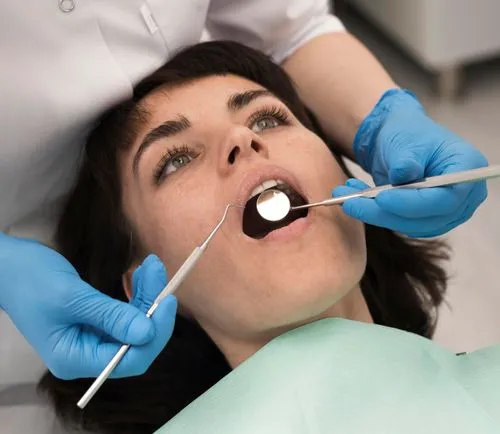
An evaluation is a conversation and clinical assessment, not an automatic commitment to treatment. You can explain what you have noticed, ask questions, and discuss possible next steps. The dentist may examine the tooth and surrounding area and use diagnostic information as appropriate to understand its condition. The exact evaluation depends on your circumstances, so ask the team what they recommend and why. You may also be asked about your dental and general health history, including medicines and prior treatment. If the dentist needs additional information to assess the tooth, the team can explain what is recommended and what it is meant to clarify. The purpose is to understand the problem and build a plan around your circumstances, rather than treat every tooth concern the same way. You can ask the clinician to point out what they see and explain unfamiliar terms. If the first explanation is not clear, ask for another explanation or a written summary of the proposed plan. It is your visit, and understanding the reason for a recommendation is an important part of making an informed choice.
Before the appointment, make a short list of your concerns. Note when discomfort began, whether it changes, and whether anything makes it better or worse. Bring a current list of medicines and relevant health information, and mention allergies or past experiences that affect dental care. If you have images or records from another office, ask whether they would be useful. Do not stop or change a prescribed medicine on your own; raise medication questions with your healthcare professional and dental team.
During the discussion, ask whether the tooth appears restorable, what alternatives may be appropriate, and what the proposed procedure would involve. If removal is recommended, ask whether it is expected to be a routine extraction or a more involved surgical procedure. Ask what preparation, recovery guidance, and follow-up will apply to you. There is no need to decide before you understand the options.
Smile Makers Dental Center offers oral surgery ranging from routine extractions to more complex procedures, as well as other dental specialties. The practice's clinicians can plan care around individual clinical needs and preferences. To learn about local access, visit the Leesburg dental office information. The location page is a useful starting point for confirming where to go and how to connect with the office.
How do simple and surgical extractions differ?
The words “simple” and “surgical” describe broad approaches, not a promise about how a visit will feel or how long it will take. A dentist or oral surgeon determines the approach after considering the tooth's position and condition. Your clinician can explain the recommendation in plain language before proceeding.
| Topic | Simple extraction | Surgical extraction |
|---|---|---|
| General situation | A tooth may be accessible for removal without a surgical approach. | A tooth's position or condition may call for a more involved approach. |
| Planning focus | Confirm the tooth and discuss the steps and aftercare. | Discuss the reason for the surgical approach, preparation, and follow-up. |
| Questions to ask | What should I expect during the visit and afterward? | What makes this approach appropriate, and what instructions will I need? |
| Individual details | Depend on the tooth, health history, and clinician's evaluation. | Depend on the tooth's position, health history, and clinician's evaluation. |
This comparison is only a starting point; it cannot tell you which procedure you need. Ask the clinician to describe the specific tooth and the reason for the proposed approach. Also clarify what parts of the plan are known and what depends on the findings during care. You might ask who will perform the procedure, what comfort options are available, and whether a support person or transportation arrangement is appropriate. The answers can vary with the planned care and your health history, so do not rely on another person's experience as a prediction of your own. If a specialist is involved, ask how the clinicians coordinate the plan and who will answer questions afterward. Having these details before the appointment can make the plan feel more understandable and help you prepare without assuming that every extraction follows the same sequence. If you are feeling uneasy, say so. Smile Makers emphasizes patient-centered care, and sharing your concerns gives the team an opportunity to explain the plan and discuss comfort questions. For additional background about managing dental worries, see the guide to feeling more comfortable at a dental visit.
Schedule a visit to review your options
What should you ask before deciding?
A clear conversation can make an unfamiliar procedure easier to understand. Consider taking these questions with you:
- What is causing the problem? Ask the clinician to explain what the examination shows and what remains uncertain.
- Can the tooth be preserved? If a restorative option may be possible, ask about its purpose and limitations. If extraction is advised, ask why it is preferred for your case.
- What does the procedure involve? Ask which type of extraction is planned, who will provide care, and whether a specialist's involvement is recommended.
- How should I prepare? Confirm whether eating, medicines, transportation, or other arrangements matter for your specific plan. Follow the instructions provided by your care team.
- What should I expect afterward? Ask for written aftercare instructions, whom to contact with a concern, and whether a follow-up visit is needed.
- What are the next steps if the tooth is removed? Depending on your needs, you can ask whether the space should be discussed as part of a broader plan. Smile Makers provides restorative options including bridges, dentures, and implants; the appropriate choice is individual. Learn about available dental services and questions to consider when comparing a bridge and an implant.
It is reasonable to ask for an explanation more than once or to bring someone you trust to help you remember details. If you need time to consider the plan, ask what timing is appropriate and what changes should prompt you to contact the office sooner. A dental team can explain your choices, but should not pressure you into a decision before you understand them. It may help to bring a family member or friend if you want another person to listen and take notes. Before you leave the evaluation, repeat back the main points in your own words: the concern, the recommended option, and the next step. This gives the clinician a chance to clear up misunderstandings. If you have more questions later, ask the office how best to follow up. You can also ask whether a second clinical opinion would be useful when you remain uncertain. The goal is not to choose the most complicated option; it is to understand the available care and make a decision with your dental professional.
How can you get ready for a Leesburg visit?
Start by requesting an appointment and explaining briefly why you are seeking care. If the concern feels urgent, tell the office what has changed and ask how soon you should be evaluated. For a dental injury or sudden concern, the practice's emergency dentistry information can help you find the right contact path. Do not rely on online information to decide whether a symptom is an emergency; contact a qualified provider for guidance.
Smile Makers Dental Center has a Leesburg office at 19 Catoctin Circle NE and offers online appointment scheduling. Appointments are also available on Saturdays by arrangement in Leesburg. Use the online booking page to request a visit, or check the patient forms and scheduling information ahead of time. If you are unsure which appointment type to choose, explain your concern when you contact the office.
Bring your questions, medicine list, and any relevant dental information. Let the team know about anxiety, accessibility needs, or past experiences that you would like them to consider. A well-informed conversation helps your clinician tailor the discussion and gives you a chance to make a choice that fits your needs and preferences. Keep any instructions you receive in one place, and make sure you know whom to contact if a question comes up before the visit. If you are arranging care for a child or another family member, note who can share relevant health information and help with appointment planning. Families often have several practical questions at once, and writing them down can keep the conversation focused. The office team can clarify appointment logistics, while the treating clinician is the right person to answer questions about diagnosis and treatment. Separating these questions can make it easier to get the information you need.
For general oral-health information, the American Dental Association offers public resources. General educational material cannot replace an examination or individualized advice. Your dentist can help interpret your symptoms and explain which options fit the condition of your tooth.
Request a Leesburg dental appointment
Frequently asked questions
Does tooth pain always mean I need an extraction?
No. Pain can have different causes, and treatment depends on an evaluation. A dentist can discuss whether the tooth may be treated or whether removal is one of the options. Seek professional guidance rather than assuming extraction is necessary.
Can a tooth be saved instead of removed?
Sometimes. Depending on the condition, options may include restorative or endodontic treatment. A clinician can explain whether saving the tooth is appropriate in your case and compare the expected steps with extraction.
Is every extraction a surgical extraction?
No. Some extractions are described as simple, while others need a surgical approach. The tooth's position and condition help determine the plan. Ask the clinician to explain which approach is recommended and why.
What should I bring to the consultation?
Bring a list of medicines, relevant health information, and any questions or dental records you have. Mention allergies, anxiety, or other concerns before treatment planning so the team can address them.
How do I arrange tooth extraction care in Leesburg?
You can request an appointment online with Smile Makers Dental Center and explain what is bothering you. The team can help direct your request and discuss the appropriate next step after learning more about your needs.
A personal evaluation is the best way to understand what is happening and whether an extraction, tooth-saving treatment, or another option deserves consideration. Bring your questions and let your dentist help you make an informed plan.