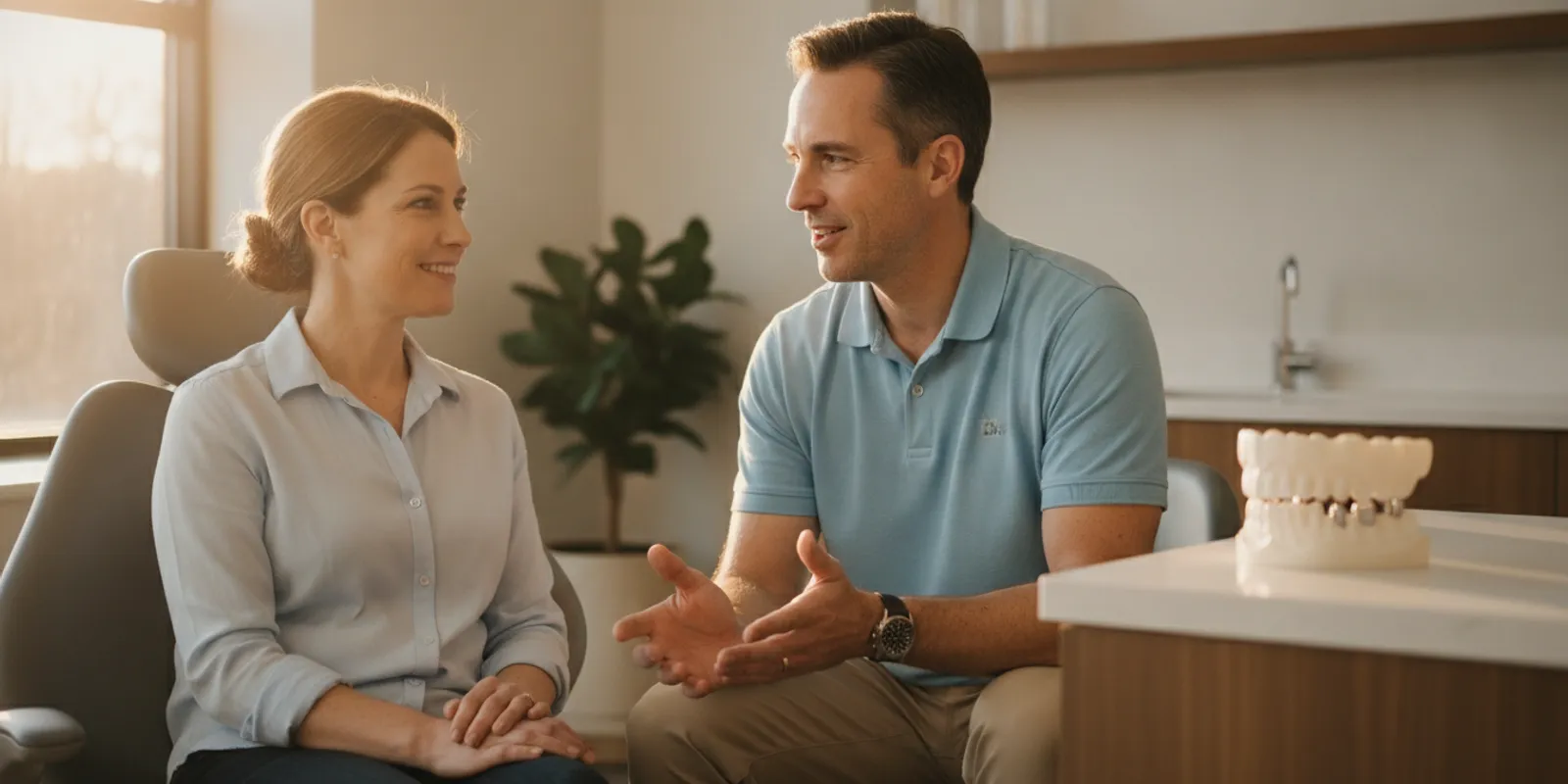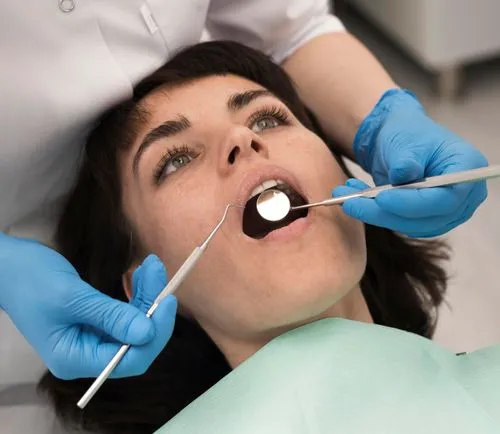

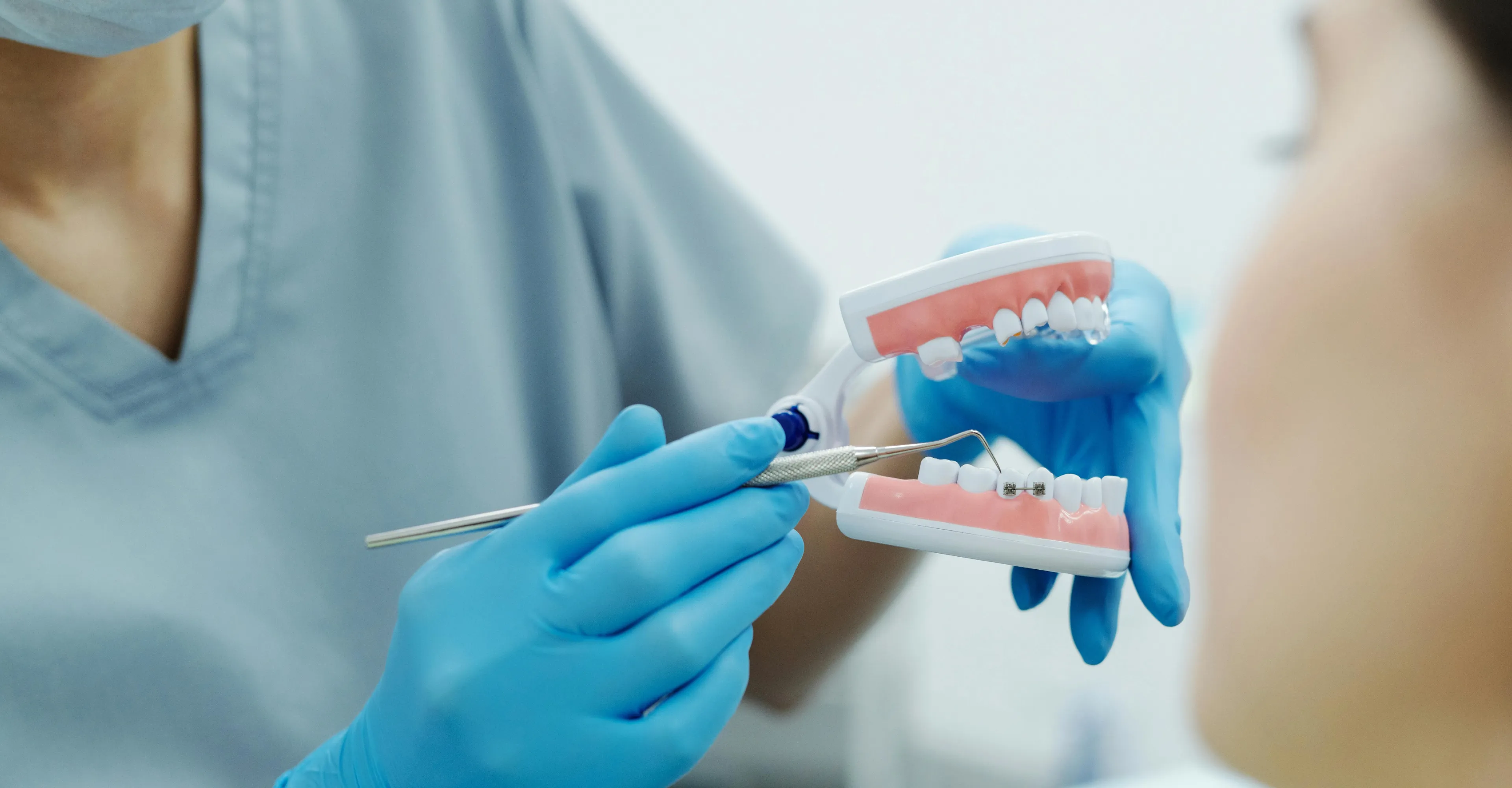



Pain free dentistry is best understood as a goal of comfort, not a guarantee that every appointment will be completely sensation-free. A thoughtful dental team can listen to your concerns, explain what is happening, use appropriate numbing when needed, and discuss comfort options before care begins. If dental visits make you tense, you can ask questions and agree on a plan before you settle into the chair.
Book an appointment to discuss your comfort needs
What Does Pain Free Dentistry Mean in Practice?
The phrase can sound like a promise, but no dental office can guarantee that every person will feel nothing during every procedure. People have different sensitivities, health histories, and sources of anxiety. Even a routine cleaning may feel easy for one person and uncomfortable for another. A more realistic goal is to reduce avoidable discomfort and help you feel informed and in control.
Comfort is not one technique. It is a plan shaped around your concerns, the kind of visit, and the dentist’s assessment. For some people, clear explanations and a pause signal make a big difference. Others may need local anesthetic for a procedure, or want to ask whether a form of sedation is appropriate. A calmer visit often begins before treatment, with a conversation about what has been difficult in the past.
It also helps to separate pain from pressure, vibration, sound, or the feeling of needing to keep your mouth open. Numbing medicine may reduce pain in a treatment area, but it does not necessarily remove pressure or every sensation. Knowing what you may feel—and what to do if something becomes uncomfortable—can make the experience less surprising.
At the start of the appointment, tell the team what you are worried about and what has helped before. You might ask to hear a brief explanation before each step, request a signal to pause, or agree that the clinician will check in with you. If you have had a difficult dental experience, sharing that information is useful; you do not have to justify or minimize it.
How Can Communication Make a Dental Visit Easier?
Good communication is a practical comfort tool. When you know what is happening and can ask for a break, you may feel less caught off guard. You can ask the dentist to explain the plan in everyday language, describe sounds or sensations you might notice, and tell you how long a step is expected to take. You can also ask which parts of the visit are optional to discuss now and which decisions need to be made before treatment.
Before the visit, consider writing down your questions. It is easy to forget them when you feel nervous. A short list might include:
- What will happen during today’s appointment?
- Which steps could cause pressure, vibration, or sensitivity?
- What numbing or comfort options might be appropriate for this visit?
- How can I let you know I need a pause?
- What should I expect afterward, and whom should I contact with a concern?
Agree on a simple pause signal before the clinician begins. Raising a hand is one example, but you can choose a signal that is comfortable and easy to use. Ask what will happen when you give it: the team can explain when it is safe to pause, since some steps may need to be completed or made safe first. The important point is that you have a shared plan rather than needing to guess how to speak up.
If sounds or the feeling of not knowing what comes next are difficult, say so. A team may be able to explain steps in advance or offer reasonable ways to make the room feel more comfortable. Avoid promising yourself that you must tolerate everything without stopping. It is appropriate to ask a question or tell the team that your comfort is changing.
For a first visit or a return after a long gap, you can ask whether the appointment can begin with a conversation and an examination plan. A visit does not have to start with treatment simply because you are in the office. If you need time to understand recommendations, ask what is urgent, what can wait, and what the next step would involve.
Smile Makers serves patients across Northern Virginia. You can review the practice’s office locations and share your preferred location when arranging a visit. If you would like to know who may be part of your care, the dentist team page is another useful place to start.
How Do Numbing Options Help Reduce Discomfort?
For procedures where it is appropriate, local anesthetic is commonly used to numb a specific area. The goal is to reduce pain signals from that area while the dentist works. Whether it is needed depends on the planned care and your individual situation. Ask the clinician to explain the options and what sensations you may still notice. Do not assume that the same approach is right for every appointment.
Some people are uneasy about the numbing process itself. Tell the dental team if that is your concern. They can discuss what to expect, how they can check that the area is sufficiently numb, and whether a topical anesthetic may be used to make the surface feel less sensitive before an injection. Topical products do not replace local anesthetic when deeper numbing is needed, and they are not suitable for every person or situation.
It is helpful to describe your past experiences precisely. For example, say whether you felt pain during a previous procedure, whether numbness took longer than expected, or whether you had an unusual reaction. Share medications, allergies, relevant health conditions, and pregnancy status when applicable. The dental team needs this context to assess what is suitable. Do not take extra medication or use someone else’s medication to prepare unless your clinician has instructed you to do so.
Needle-free devices sometimes receive attention in discussions about dental numbing. A clinical trial listed on ClinicalTrials.gov evaluates pain perception with a needle-free system compared with a dental needle method in children. A registered study is not proof that a technique is widely available, appropriate for every patient, or better in all situations. Ask your dentist what options the office actually offers and what is suitable for the care being considered.
After local anesthetic, follow the instructions you receive. Depending on the area and medicine, numbness may continue for a while. Be careful with chewing or hot food and drink until normal feeling returns, so you do not accidentally bite or burn yourself. If numbness or another symptom lasts longer than the team told you to expect, contact the practice for guidance.
Can Dental Technology Make Treatment More Comfortable?
Technology may help clinicians examine, plan, or perform dental care, but a device alone does not guarantee a comfortable appointment. The right tool depends on the concern and the planned care. If technology is proposed, ask what it is being used to assess or do, whether it changes your experience, and what alternatives are available. A clear explanation matters as much as the equipment in the room.
Digital imaging and other diagnostic tools can help a dentist evaluate a concern and explain findings. They do not eliminate the need for a clinical assessment or a conversation about your symptoms. You can ask to see an image or have the findings explained in plain language. Understanding why an image or test is recommended can make the appointment feel more collaborative.
Laser dentistry is another area people may ask about. Research on newer approaches is evolving, and not every laser is intended for the same task. A review and discussion of laser-enabled robotic dentistry in Frontiers in Dental Medicine explores a developing area; it should not be read as a promise that all care can be performed without pain or that a particular device is right for everyone. Ask your dentist whether a technology is relevant to your specific concern, what its limits are, and what you should expect during and after care.
Comfort may also come from practical details: an explanation of the chair position, a chance to stretch between steps, or agreeing on a check-in. If a sound or sensation worries you, say so before the appointment when possible. You can learn more about the practice’s approach to equipment and diagnostics on the dental technology page.
| Option or approach | What it may help with | What to ask |
|---|---|---|
| Communication and pause signal | Uncertainty, feeling rushed, or difficulty speaking up | How will we pause, and when can the next step safely stop? |
| Topical anesthetic | Surface sensitivity in certain situations | Is it appropriate for this visit, and what does it not numb? |
| Local anesthetic | Pain in a specific area during some dental care | What sensations may remain, and how will you check the area? |
| Sedation discussion | Anxiety or other factors that may make a visit harder to manage | What type may be appropriate, and what preparation or ride-home plan is required? |
| Diagnostic or treatment technology | Assessment or a particular clinical task, depending on the device | What is its purpose, what are its limits, and are there alternatives? |
The table is a conversation guide, not a treatment recommendation. Not all options are available or suitable for each patient. A dentist can explain what applies after reviewing your health history and the reason for the visit.
Talk with the team about your comfort preferences
When Is Sedation Worth Discussing?
Sedation may be one part of a comfort plan for some patients, but it is not necessary for every visit and does not replace local anesthetic when numbing is needed. The word covers different approaches, which vary in how they are provided and what preparation is involved. The dentist must consider the planned care, health history, current medicines, and other individual factors before discussing what may be appropriate.
The Cleveland Clinic overview of sedation dentistry explains that sedation dentistry refers to different medications that can help a person feel comfortable and relaxed during dental procedures. It is a general overview, not personal advice. Ask your dentist to describe the specific option under consideration, its expected effects, potential risks, monitoring, and what you will need to do before and after the appointment.
Questions worth asking include whether you need to avoid food or drink beforehand, whether you need someone to accompany you or drive you home, how long the effects may last, and what instructions apply to your usual medications. Do not make medication changes on your own. The practice should give you guidance that applies to the type of sedation and your circumstances.
You can read more about what to expect with twilight sedation as background before you talk with a clinician. For a broader introduction, the practice also has information about finding a sedation dentist and comparing comfort options. These resources can help you prepare questions; only a dentist who reviews your situation can discuss whether a particular approach fits.
Ask how sedation relates to the care planned for your visit. It may address anxiety or help someone manage an appointment, but it does not mean you will be unconscious, feel nothing, or avoid all sensations. The details depend on the method. Before agreeing, make sure you understand the plan, alternatives, risks, and any practical requirements for getting home safely.
How Can You Prepare for a More Comfortable Appointment?
A little preparation can help you make the most of the visit. When you book, say that you are nervous or have a specific concern, rather than waiting until you are already in the chair. You do not need to disclose more than you want, but relevant details allow the team to plan time for questions and explain what to expect.
- Share useful history. Mention prior difficult visits, sensitivity, relevant medical conditions, allergies, medicines, or concerns about numbness or sedation.
- Set a goal for the conversation. Decide what would help most: a clear explanation, short pauses, knowing what sensations to expect, or discussing options before treatment.
- Ask about the appointment sequence. Find out whether the visit begins with an exam, discussion, or a planned procedure, and what decisions may be made that day.
- Confirm preparation instructions. If any medication, food, drink, or transportation guidance applies, follow the dental team’s specific instructions.
- Speak up during the visit. Tell the team if your comfort changes, something hurts, or you need clarification. A pause signal agreed upon in advance can make that easier.
For children, explain the visit in a calm, simple way without using frightening language. Let the dental team know what the child has experienced before and what helps them feel secure. Adults who accompany a child can ask how to support them during the appointment. The clinician can guide the family on what is appropriate for the child’s age and care needs.
If you have delayed routine care because of fear, consider starting with an appointment focused on an examination and conversation, if clinically appropriate. There is no need to solve every concern at once. You can ask what needs attention first and discuss a sequence of next steps. For general family care information, see the practice’s family dentistry page, or review patient information and forms before visiting.
Comfort needs can change over time. A method that worked for one appointment may not be enough for another. After the visit, note what helped and what you would like handled differently next time. Sharing that feedback gives the team a practical starting point for future planning.
Schedule a visit to discuss a comfortable care plan
Frequently Asked Questions
Can a dentist guarantee a completely pain-free visit?
No. Sensations and responses vary, and no technique can guarantee that every appointment will be completely pain-free. A dentist can discuss ways to reduce discomfort, explain what you may feel, and adjust the plan when appropriate.
Does numbness mean I will feel nothing?
Not necessarily. Local anesthetic is intended to numb a specific area, but you may still notice pressure, movement, or vibration. Tell the dental team if you feel pain or are unsure whether the area is numb enough.
Is sedation the same as local anesthesia?
No. Local anesthesia numbs an area; sedation refers to approaches intended to help a patient feel relaxed or comfortable. They serve different purposes and may be discussed together depending on the care and the patient. Ask the dentist to explain the exact plan.
What if I am anxious but do not want sedation?
Tell the team. You can discuss communication, a pause signal, explanations before each step, or other practical comfort measures. Sedation is not the only way to make an appointment feel more manageable.
What should I ask before agreeing to a comfort option?
Ask what it is intended to do, what you may feel, what risks or limits apply, whether there are alternatives, and what preparation or aftercare is required. For sedation, specifically confirm any transportation and food or drink instructions that apply.
Ready to Talk About a More Comfortable Visit?
A comfortable dental visit begins with a conversation about your concerns and the care being considered. Clear communication, appropriate numbing, thoughtful use of technology, and a careful sedation discussion may all have a role, depending on the person and appointment. Choose a plan with your dental team, ask questions, and speak up if your comfort changes.
With a shared plan and open communication, you can take the next step toward dental care that feels more manageable.