

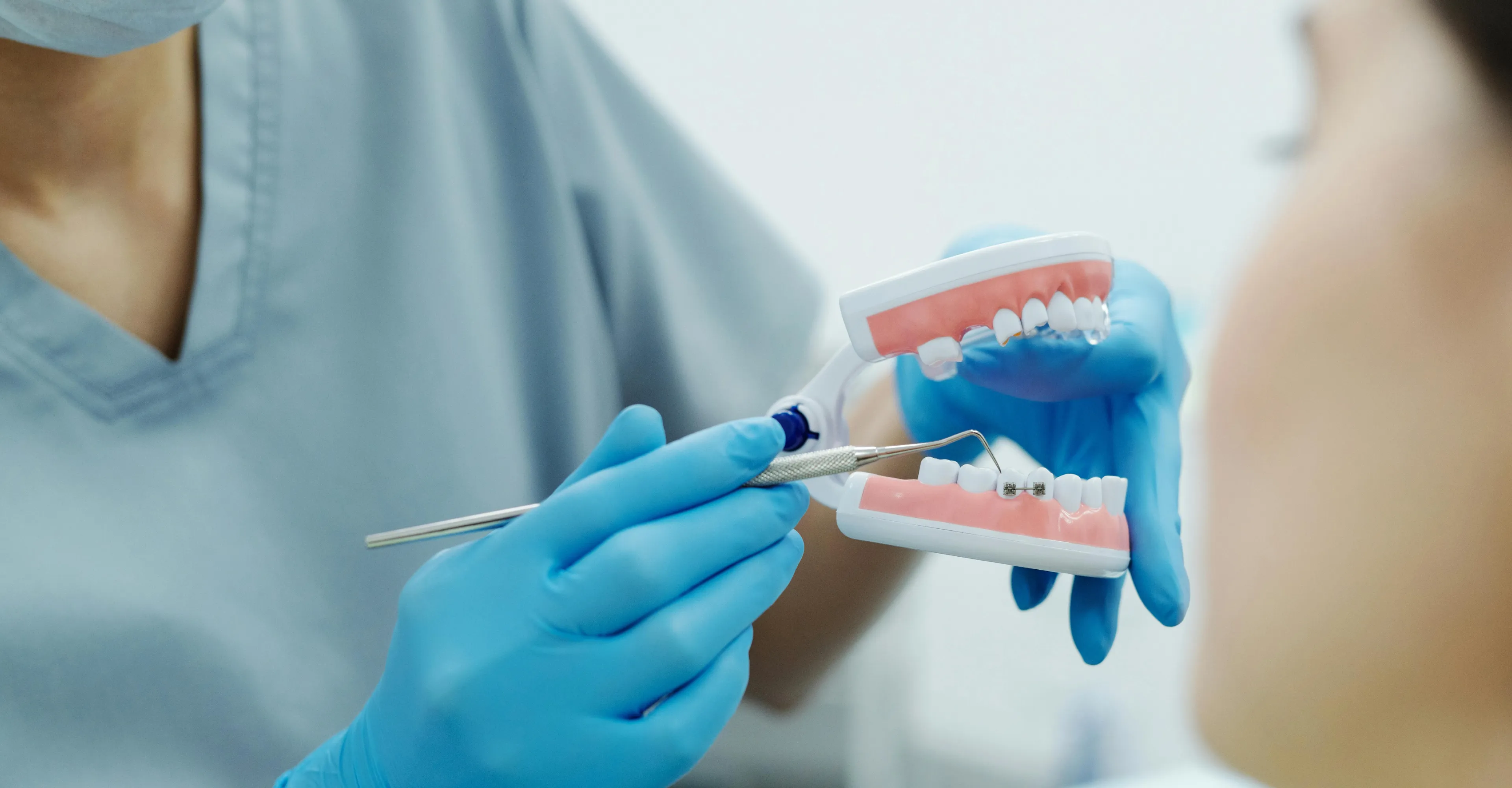



Early signs of mouth cancer can include a sore that does not heal, a lump or thickened area, or a red or white patch in the mouth. These changes can also have causes that are not cancer, so you cannot tell what they mean by looking at them alone. If a change is persistent, new, or getting worse, arrange an evaluation with a dental or medical professional rather than trying to diagnose it yourself.
What are the early signs of mouth cancer?
Mouth cancer, also called oral cancer, can affect tissues in the mouth and parts of the throat. Early changes may be subtle. They can look like a sore, patch, or area of unusual thickness, and they may or may not hurt. The National Institute of Dental and Craniofacial Research (NIDCR) lists a sore, irritation, lump, or thick patch in the mouth, lip, or throat among changes to notice. It also explains that an oral cancer examination can detect early signs. Read NIDCR’s overview of oral cancer.
Possible signs include:
- A sore or ulcer in the mouth or on the lip that does not heal as expected.
- A lump, thickened spot, or persistent rough area on the lip, gums, tongue, inside of the cheek, or elsewhere in the mouth.
- A red patch, a white patch, or a patch that combines red and white areas.
- Unexplained bleeding, ongoing tenderness, or persistent mouth pain.
- Numbness or a change in sensation in the lip, tongue, or another part of the mouth.
- A lasting change in how your teeth fit together, how a denture sits, or how an area of your mouth feels.
- Persistent difficulty chewing, swallowing, speaking, or moving the jaw or tongue.
- A lump or swelling in the neck that does not go away.
These are reasons to pay attention, not proof of cancer. Many everyday problems can cause mouth irritation or sores. A dental or medical professional can examine the area and decide whether further assessment is appropriate. The American Academy of Oral and Maxillofacial Surgeons also identifies persistent sores, pain, numbness, and difficulty swallowing among possible symptoms in its oral cancer symptoms overview.
Symptoms do not have to appear as a dramatic or painful change to be worth mentioning. You may notice one feature, such as a patch, or several changes together. A symptom can also come and go, which is why its pattern matters. Make a note if it returns in the same place or if you notice a second change at the same time. Avoid trying to compare your mouth with online photographs: images cannot account for your history or establish what a spot means.
Which changes should you watch for?
Notice what is different from your usual. A small sore after biting your cheek may have an obvious cause, while a patch or lump you cannot explain may deserve a closer look. The appearance alone cannot reliably distinguish a harmless irritation from a condition that needs care. Pay attention to whether a change improves, stays the same, returns, spreads, or interferes with normal activities.
The table below is a practical reminder of what to notice and what to do next. It is not a diagnostic checklist.
| Change you notice | What to observe | Practical next step |
|---|---|---|
| Sore or ulcer | Where it is, when you first noticed it, and whether it is healing or recurring. | Arrange an evaluation if it persists, returns, or concerns you. |
| Red or white patch | Its location, approximate size, color, and whether it changes over time. | Ask a dental or medical professional to assess a patch that does not clear or that is changing. |
| Lump or thickened area | Whether it is new, growing, tender, or accompanied by another change. | Contact a professional for guidance rather than pressing or repeatedly irritating it. |
| Pain, numbness, or bleeding | How often it happens, how long it lasts, and what activities it affects. | Seek advice when the symptom is persistent, unexplained, or worsening. |
| Swallowing, chewing, or speaking change | When it began and whether it is becoming more difficult. | Request timely professional guidance; seek urgent help for severe or rapidly worsening symptoms. |
Do not wait for pain before asking a question. Some concerning changes may not hurt, and discomfort by itself does not tell you the cause. A brief note or photograph, if it is easy and comfortable to take, can help you describe how an area has changed. It should not replace an examination or delay arranging one.
Also note whether the change affects ordinary routines. Does it catch when you chew? Does a patch feel rough against your tongue? Has a lump made a denture feel different? These observations do not identify a cause, but they give a clinician useful context. If you wear a denture or other dental appliance, mention whether the area rubs against it. Do not modify an appliance or try to file a tooth yourself to resolve an unexplained change; ask a dental professional for guidance.
It is also normal to wonder whether a change is simply irritation. A cheek bite, a sharp edge on a tooth, or another source of friction may cause temporary soreness. Even when you suspect a cause, keep track of whether the area settles after the irritation ends. If it lingers, returns, changes, or has no clear explanation, ask a professional rather than repeatedly treating it yourself. This approach avoids jumping to conclusions in either direction: a change is not automatically cancer, but it should not be dismissed solely because it seems small or painless.
Try to describe the place clearly without using technical terms. You might say “a rough spot on the left side of my tongue” or “a pale patch inside my lower lip.” Mention if it is easy to see, if it is tender to touch, or if eating makes it noticeable. Plain details help a clinician understand what prompted your concern and where to look.
When should you arrange an evaluation?
Contact a dental or medical professional if you notice a mouth change that does not go away, keeps returning, grows, bleeds without a clear reason, or makes chewing, swallowing, speaking, or moving your mouth difficult. You can also ask for advice about a new change that worries you, even if you are unsure how long it has been there. If the area is hard to see or you cannot describe its color, explain what you can feel or what has changed in eating or speaking. You do not have to identify the exact location before asking for help.
A 2025 review reports that a dentist should examine lumps on the lip or inside the mouth, as well as bright red or mixed red-and-white lesions, within two weeks. That is a prompt to arrange professional advice, not a safe waiting period for every situation. The review is summarized in this journal article on oral cancer warning signs. A rapidly changing lump, unexplained bleeding, increasing pain, or a symptom that interferes with swallowing merits earlier contact. If you have trouble breathing or cannot swallow, seek emergency medical care.
When you call, describe what you see and when it began. Mention whether it is changing and whether you have pain, bleeding, numbness, or trouble with daily activities. If the symptom is severe or changing quickly, say so when you contact the office. You do not need to know the name of a condition to ask for an evaluation. You can simply say that you have noticed a persistent mouth change and explain what it looks or feels like. The team can help direct your next step; if you are unsure where to begin, you can review Smile Makers’ Northern Virginia office locations or request an appointment.
A dentist can evaluate the mouth and may recommend that you follow up with another healthcare professional, depending on what they find. A dental visit is a useful place to raise a concern, but it is not a guarantee that a particular condition will be present or ruled out in every case. The NIDCR describes oral examination as a way to detect early signs; an examination is not a substitute for follow-up when a professional recommends it. If an area appears to be improving, ask what to do if it returns or stops improving. If you have an ongoing concern after an appointment, contact the office again and explain what has changed since the exam.
What can you do while waiting for an appointment?
Keep the area as comfortable as you can and avoid actions that make it sore. Do not scrape a patch, squeeze a lump, or apply irritating products to try to make it disappear. Continue routine brushing and cleaning gently. If a tooth or other dental issue is also bothering you, describe that separately when you request care.
It can help to prepare a short, factual record:
- Write down when you first noticed the change, even if the date is approximate.
- Describe its location and appearance in plain terms, such as “small red patch on the inside of my cheek.”
- Note whether it has changed, improved, returned, or stayed the same.
- List any related symptoms, such as tenderness, bleeding, numbness, or difficulty eating.
- Bring a list of medicines and relevant health information if requested by the office.
A photo taken under similar lighting on different days may help you explain a visible change, but do not rely on photographs to judge whether it is serious. Avoid repeatedly checking or touching the area if that causes irritation. You do not need to create a perfect record or wait to collect several days of pictures before you call. A simple description and an approximate start date are useful; if you cannot remember the date, say so. For help preparing for a visit, Smile Makers’ patient information page and patient forms and scheduling information are available online.
If you are already due for a routine checkup, mention the change when scheduling rather than waiting for the next routine visit. Routine dental care information can help you find the right starting point, and the practice’s dentist directory introduces the dental team. An appointment can provide an opportunity to discuss your concern and learn what follow-up, if any, is appropriate.
Choose a time to speak with a dental team
What happens during an oral evaluation?
The first step is usually a conversation about what you noticed. A professional may ask when it started, whether it has changed, whether it hurts, and whether you have noticed other symptoms. Sharing a clear timeline and describing any changes can make that discussion easier.
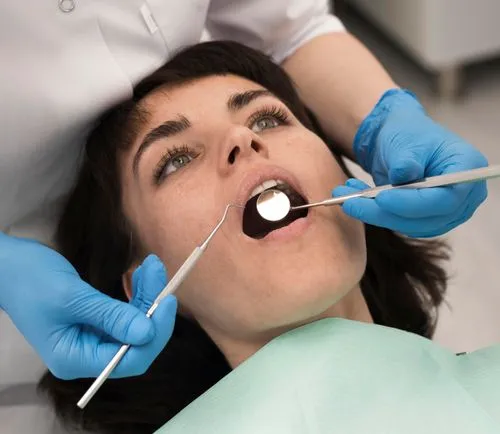
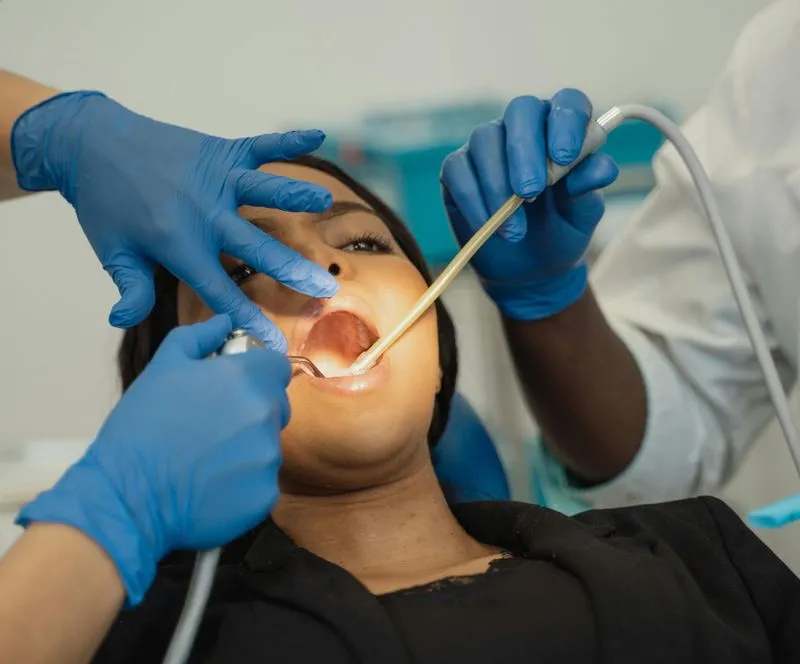
The clinician may look at the lips and inside of the mouth, including areas such as the tongue, cheeks, gums, and roof and floor of the mouth. They may also check nearby areas, depending on your concern. The exam helps them decide whether the finding appears consistent with a common irritation, needs monitoring, or calls for further assessment. The exact process depends on your symptoms and the clinician’s judgment. NIDCR describes an oral cancer examination as painless; you can still tell the clinician if you feel discomfort or are anxious and ask them to explain what they are doing.
You can make the visit more useful by bringing your notes and asking a few straightforward questions: What did you notice? Is a follow-up recommended? How soon should I return or contact you if the area does not change? Which changes should prompt me to call sooner? If the clinician suggests another evaluation, ask who to contact and what information to share. These questions can clarify a plan without requiring you to interpret the finding on your own.
If you feel nervous, say so when you make the appointment or when you arrive. You can ask the clinician to explain each step before beginning and to pause if you need a moment. You are also welcome to ask for terms or instructions to be repeated in plain language. Feeling concerned about an unexplained change is understandable; the goal of an evaluation is to look at it and decide whether anything else is needed, not to assume the worst.
If a finding needs more evaluation, the professional can explain the recommended next step or refer you to an appropriate specialist. An examination does not mean that you have cancer, and a blog article cannot establish a diagnosis. Ask what the clinician observed, what follow-up is recommended, and when you should get back in touch if the area changes.
For more background on care available through Smile Makers, you can explore the practice’s dental specialties and family dentistry information. These pages are general practice information; a dental professional should address questions about your individual symptoms.
Frequently asked questions
Do early signs of mouth cancer always hurt?
No. A change may be painless, and pain can also have many causes that are not cancer. Notice persistent sores, patches, lumps, thickened areas, or other changes even when they do not hurt, and ask a professional if they do not clear or are changing.
Can a mouth sore or white patch mean something other than cancer?
Yes. Irritation and other conditions can cause sores or patches, so appearance alone cannot determine the cause. A professional can examine a persistent or concerning change and recommend whether further assessment is needed.
Should I wait until a symptom becomes painful?
No. Pain is not a reliable way to decide whether a change needs attention. Contact a dental or medical professional about a persistent, unexplained, or worsening change, even if it is painless.
Can I check for mouth cancer at home?
You can notice changes and describe them, but you cannot confirm or rule out cancer at home. Do not try to diagnose a spot from a photo or by searching for images online. Arrange an evaluation if a change persists or concerns you.
Who should I contact about a mouth change?
A dentist or medical professional can advise you on an appropriate evaluation. If you are a Smile Makers patient or would like to request a visit, use the appointment page to get started. For severe breathing or swallowing difficulty, seek emergency medical care.
Noticing a persistent change is a good reason to ask for professional guidance; getting it checked is a practical step toward understanding what to do next.