

A dental crown is a protective covering placed over a tooth, and its service life can vary from person to person. If you are asking how long does a dental crown last, the practical answer is that many crowns serve for years, but no single timeline applies to every tooth. The crown material, the tooth underneath, your bite, and everyday care all matter. A crown that feels different, looks damaged, or no longer seems to fit well is a reason to ask a dentist for an evaluation—not to assume it needs replacement.
Book an appointment to discuss your crown
What is the typical lifespan of a dental crown?
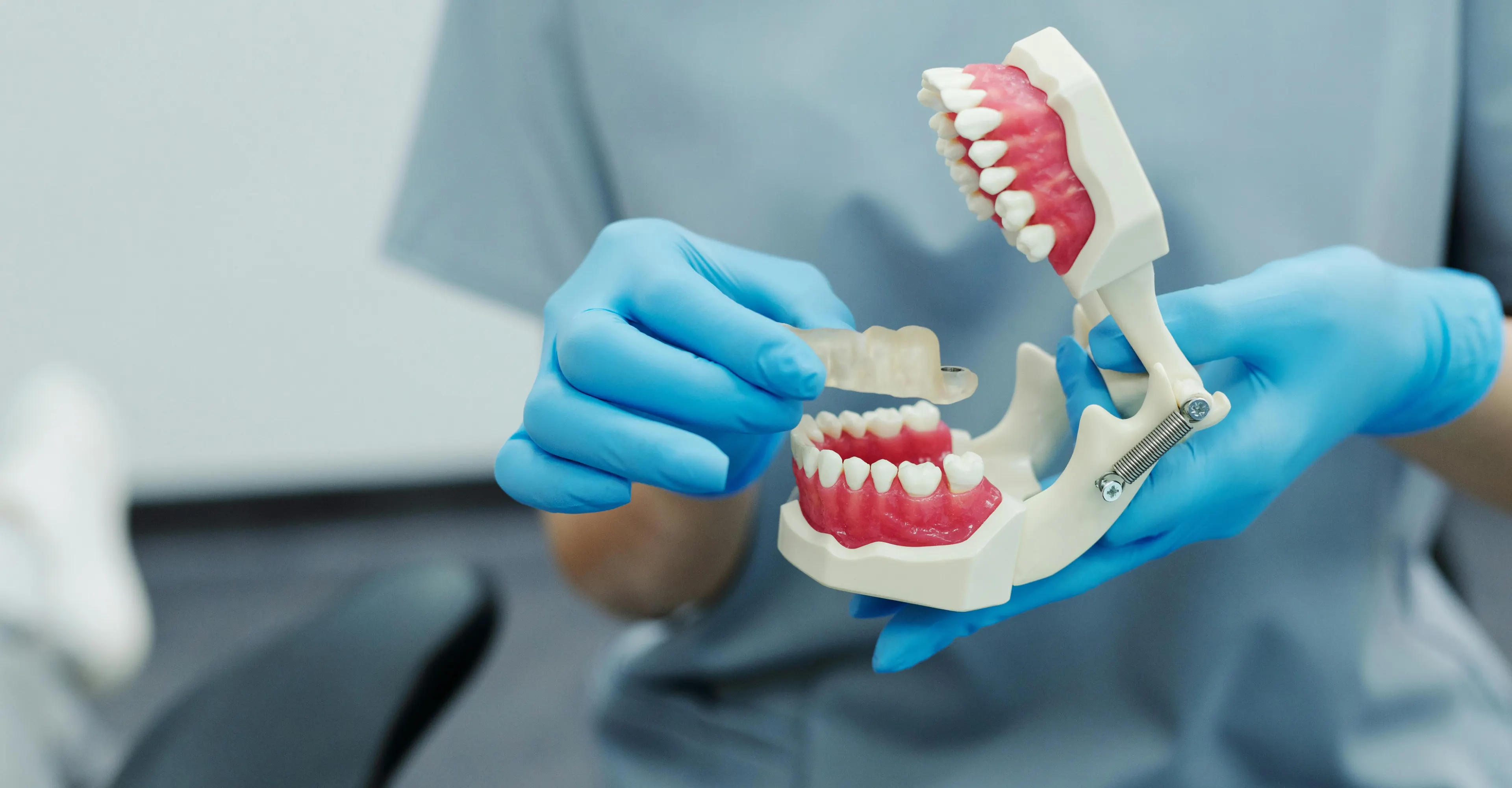
A dental crown is a custom restoration that covers and protects the visible portion of a tooth. Dentists may recommend one when a tooth needs more coverage than a small filling can provide. A crown can also be part of a broader plan to restore a damaged tooth. Its job is to work with your bite and support the tooth, but it is not permanent or immune to wear.
There is no exact expiration date. Two people can receive crowns at a similar time and have different experiences because their teeth, habits, oral health, and day-to-day forces are different. The crown may remain serviceable for a long time when it stays intact and the tooth and surrounding tissues remain healthy. On the other hand, damage to the crown or a change in the tooth beneath it can lead a dentist to recommend attention earlier.
Cleveland Clinic notes that dental crowns can last upwards of 30 years with proper care and maintenance, though a crown may need replacement sooner if it becomes cracked or another problem develops. That figure is not a promise or a prediction for an individual crown. It is a reminder that lifespan varies. Your dentist can assess the condition of your particular restoration and discuss what to monitor.
If you are also comparing crowns with other ways to restore a tooth, the right question is not simply which option lasts longest. The condition of the tooth, the purpose of the restoration, and your circumstances all shape the discussion. You can read about what a dental bridge is or explore factors that may be discussed when considering a bridge, then bring questions about your own tooth to a dental visit.
What affects how long a dental crown lasts?
A crown is one part of a tooth-restoration system. Its condition depends not only on the material, but also on the tooth it covers and how forces act on it. A dentist may consider several factors together rather than rely on a calendar estimate.
Crown material and design
Crowns can be made from different materials, each with its own properties. The dentist considers the tooth's location, the demands of your bite, appearance preferences, and other clinical details when discussing an option. A crown on a back tooth may face different chewing forces from one near the front of the mouth. Material alone does not tell you how long an individual crown will last.
The shape, fit, and relationship of the crown to nearby teeth also matter. A properly planned restoration needs to work with the surrounding teeth and your bite. If your crown feels high when you close your teeth, or food catches around it repeatedly, let the practice know. Avoid trying to adjust or smooth it yourself.
The health of the tooth underneath
A crown covers a tooth but does not make the tooth beneath it invulnerable. The edge where the crown meets the tooth still needs careful cleaning. Plaque can collect around that area, and the underlying tooth can develop a new problem. A crown can also be affected if the tooth's remaining structure changes.
That is one reason routine checkups matter even when a crown feels normal. A dental professional can look at the crown's edges and the surrounding tissues and decide whether closer evaluation is needed. If you have a history of restorative work, discuss your own restoration with your dentist. For an overview of the care available, Smile Makers describes its dental services.
Bite forces and daily habits
Chewing puts repeated pressure on teeth. Clenching or grinding can add extra force, particularly during sleep, and may contribute to wear or damage. Biting hard objects, chewing ice, or using teeth to open packaging can also put a crown at risk. These habits do not mean a crown will fail, but they are useful to mention during a dental visit.
If you wake with jaw soreness, notice worn tooth surfaces, or have been told that you grind your teeth, bring it up. A dentist can discuss whether an evaluation or protective approach is appropriate for you. General information about jaw tension and gentle jaw-care exercises can help explain why jaw symptoms are worth mentioning, but exercises do not assess a crown or replace a dental evaluation.
Oral care and regular checkups
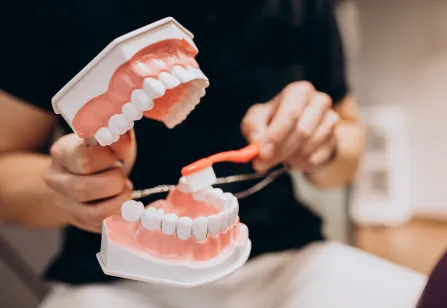
Keeping the crown and surrounding gumline clean supports overall oral health. Brush twice daily with a soft-bristled toothbrush and clean between your teeth each day, using floss or another method recommended for you. Take care to clean along the gumline and around the crowned tooth instead of avoiding the area because it feels different.
Regular dental visits allow a professional to check the crown and the tooth around it. The recommended interval depends on your needs; follow the schedule your dental team suggests. If you have questions about general preventive care, see the practice's information on how often to schedule a dental cleaning and discuss a plan that fits your oral health.
How do crown materials compare?
There is not one best crown material for every person or every tooth. A dentist weighs function, appearance, tooth location, remaining tooth structure, and other individual factors. This comparison is a starting point for questions, not a recommendation for a specific restoration.
| Consideration | What it can mean | Question to ask |
|---|---|---|
| Tooth location | Front and back teeth can have different visibility and chewing demands. | How does this tooth's position affect the material discussion? |
| Material properties | Materials differ in appearance and physical characteristics. | What are the advantages and limitations for my tooth? |
| Bite and habits | Clenching, grinding, or strong bite forces may be relevant to planning. | Could my bite or habits affect the restoration plan? |
| Tooth condition | The amount and health of the remaining tooth can shape the options. | What does the tooth need the crown to protect or restore? |
| Care and follow-up | Cleaning and periodic evaluation help the dental team monitor the restoration. | How should I clean around this crown, and when should I return? |
Material names alone do not predict a crown's lifespan. If a crown is being planned, ask your dentist to explain why a particular option suits the tooth and what care it will need. If you already have a crown, you do not need to identify its exact material before asking about a change; describe what you have noticed and when it began.
Schedule a visit to talk through your dental restoration questions
Smile Makers provides restorative dentistry as part of its broader care. You can review its dental specialties and request a visit to discuss your specific needs. A conversation about options is not the same as a commitment to a procedure.
Which changes to a crown should you pay attention to?
A crown can sometimes develop a problem without dramatic symptoms. Pay attention to changes, but remember that a symptom does not tell you what caused it. A dentist needs to evaluate the crown and tooth to determine what is happening.
- A crack, chip, or visible break: A new rough edge or visible piece missing from the crown deserves a call to the dental office.
- A loose or shifting feeling: If the crown seems to move, do not wiggle it repeatedly or try to secure it with household products. Contact a dentist for instructions.
- A change in your bite: A crown that suddenly feels too high or different when you close your teeth should be assessed.
- New sensitivity or discomfort: Sensitivity around a crowned tooth can have more than one cause. Note when it occurs and what seems to bring it on.
- Food catching or trouble cleaning the area: Repeated trapping near a crown or a change in the gumline is worth mentioning.
- Swelling or other concerning changes: Contact a dental professional for guidance, especially if symptoms are worsening.
Do not wait for a crown to reach a certain age before seeking advice about a new change. Likewise, an older crown does not automatically need replacement if it is intact and functioning well. The relevant question is its present condition, not just the year it was placed.
If a tooth is broken or a restoration has come loose, the practice's guide to steps to take for a broken tooth can help you think through what to do while arranging professional guidance. For urgent dental concerns, learn how to reach emergency dental care. If you are unsure which office to contact, the locations page lists the practice's Northern Virginia offices.
What happens when a dentist checks a crown?
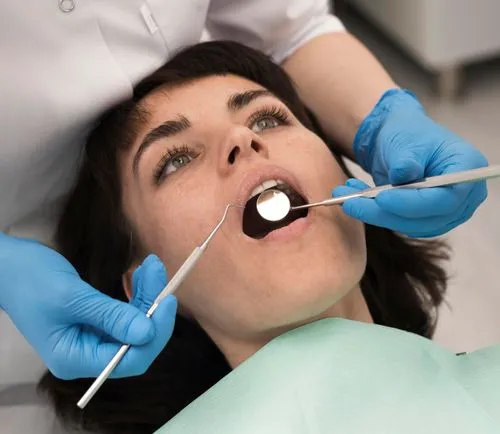
A crown evaluation starts with your concerns. Tell the dentist when the change began, whether it happens while chewing or at rest, and whether you have noticed a crack, looseness, sensitivity, or difficulty cleaning. Mention any clenching or grinding you know about. These details help the dental team understand what to assess.
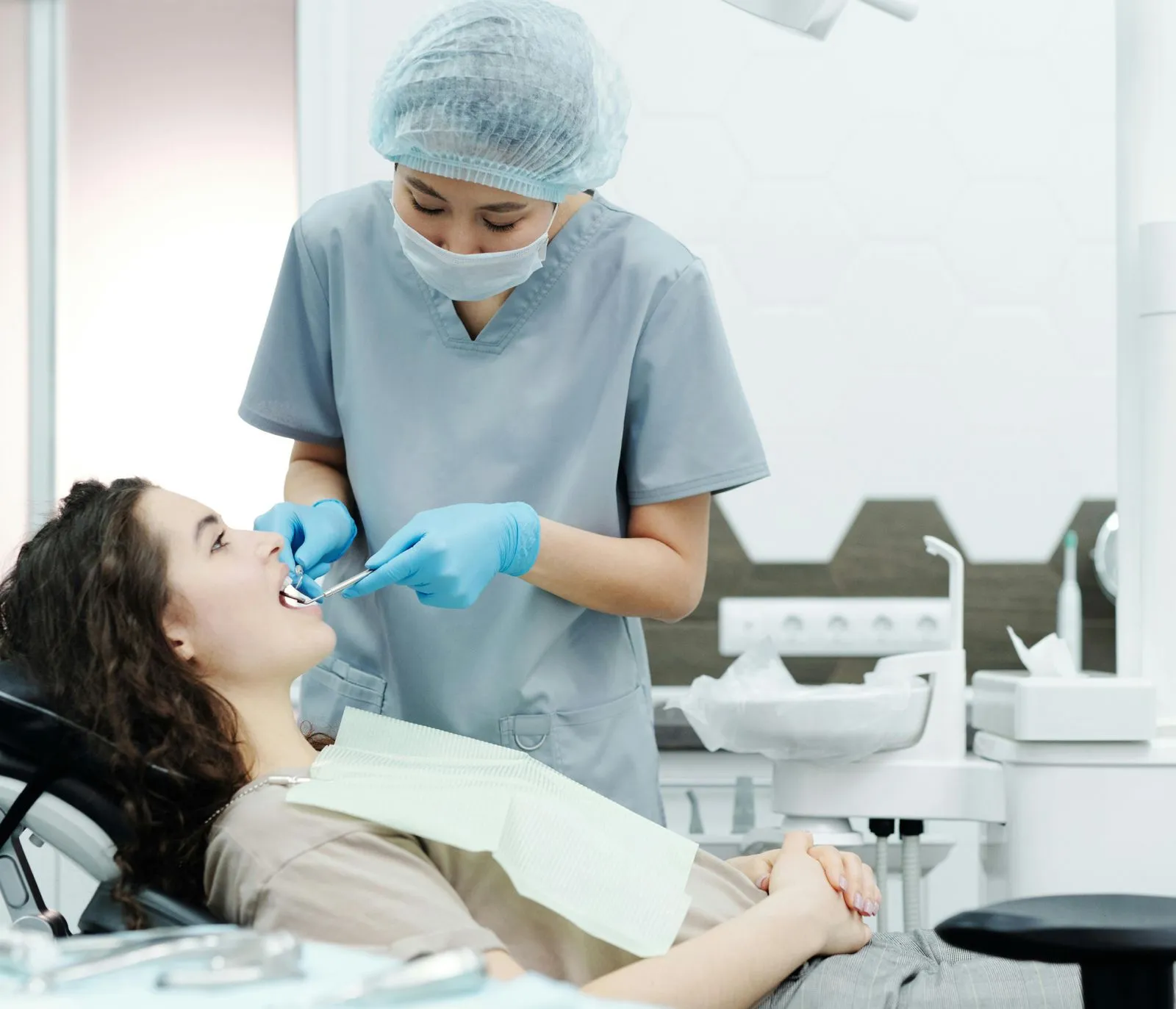
The dentist may look at the crown, the tooth and gum around it, and how the teeth meet when you bite. Depending on what they find, they may recommend further assessment. A specific plan cannot be determined from a description alone, and not every concern means the crown must be replaced. In some situations, the dentist may recommend monitoring; in others, they may explain that repair or replacement should be considered. The appropriate next step depends on the evaluation.
It can help to bring a short list of questions:
- Does the crown appear intact and stable?
- Is the tooth or gum around it showing a change?
- What might explain the sensation or damage I noticed?
- What should I avoid doing until the next step?
- When should I return, and what changes should prompt an earlier call?
If the crown is part of a larger plan, ask how it relates to other dental needs. You can explore Smile Makers' information on family dentistry and patient information to learn about the practice before your visit.
Request an appointment to have your crown evaluated
How can you help a dental crown last?
Everyday habits cannot guarantee a particular lifespan, but sensible care supports the health of the crown and the tooth around it. Make these habits part of your routine:
- Brush carefully every day. Use a soft-bristled toothbrush and fluoride toothpaste unless your dental professional has advised a different routine. Clean where the crown meets the gumline.
- Clean between teeth. Use floss or another interdental cleaner as recommended. If a particular area is difficult to clean, ask the dental team to show you a suitable technique.
- Avoid using teeth as tools. Do not bite packaging, pens, fingernails, or other hard objects. Be mindful of very hard foods if you have been advised to avoid them.
- Tell your dentist about clenching or grinding. Mention jaw tightness, morning soreness, or other signs you have noticed. Your dentist can assess whether these details matter for your crown.
- Keep recommended checkups. A visit gives your dental team a chance to check the restoration and surrounding tissues, even if you do not feel a problem.
- Call when something changes. A new chip, movement, discomfort, or bite change is a better reason to ask for guidance than waiting for a guessed replacement date.
Consistency is more useful than trying to inspect the crown constantly. Avoid poking at it or attempting a repair at home. If it feels different, make a note of the change and ask the practice what to do next.
Frequently Asked Questions
Can a dental crown last for decades?
Some crowns can remain in place for decades, but that is not guaranteed. Cleveland Clinic notes that crowns can last upwards of 30 years with proper care and maintenance; an individual crown's course depends on its condition, the tooth beneath it, and other factors. Your dentist can evaluate how yours is doing.
Does an old crown always need to be replaced?
No. Age alone does not determine whether a crown needs replacement. A dentist considers its fit and condition, the tooth underneath it, and any changes you have noticed. Do not delay an evaluation just because the crown is relatively new, and do not assume an older crown must be removed without an assessment.
Can a crowned tooth still get a cavity?
The crown covers the visible part of the tooth, but the tooth and the area around the crown still need care. Keep the gumline clean and attend routine visits. If you notice sensitivity or another change, ask a dentist to assess it rather than trying to determine the cause yourself.
What should I do if my crown feels loose?
Contact a dental office for guidance. Avoid pulling at the crown, chewing on it deliberately to test it, or using household glue. If it comes off, keep it safe and ask the practice what to do; do not try to force it back into place.
How do I know which crown material I have?
Your dental records or dentist can help identify the material. You do not need to know it before making an appointment about a concern. Describe what you are experiencing, and let the dental team examine the restoration.
Ready to discuss your crown?
A crown's lifespan is individual, and its age is only one part of the picture. Care for the tooth and crown as directed, keep up with recommended checkups, and ask for an evaluation if you notice a new change. A dental professional can help you understand the condition of your restoration and what next steps, if any, make sense for you.