

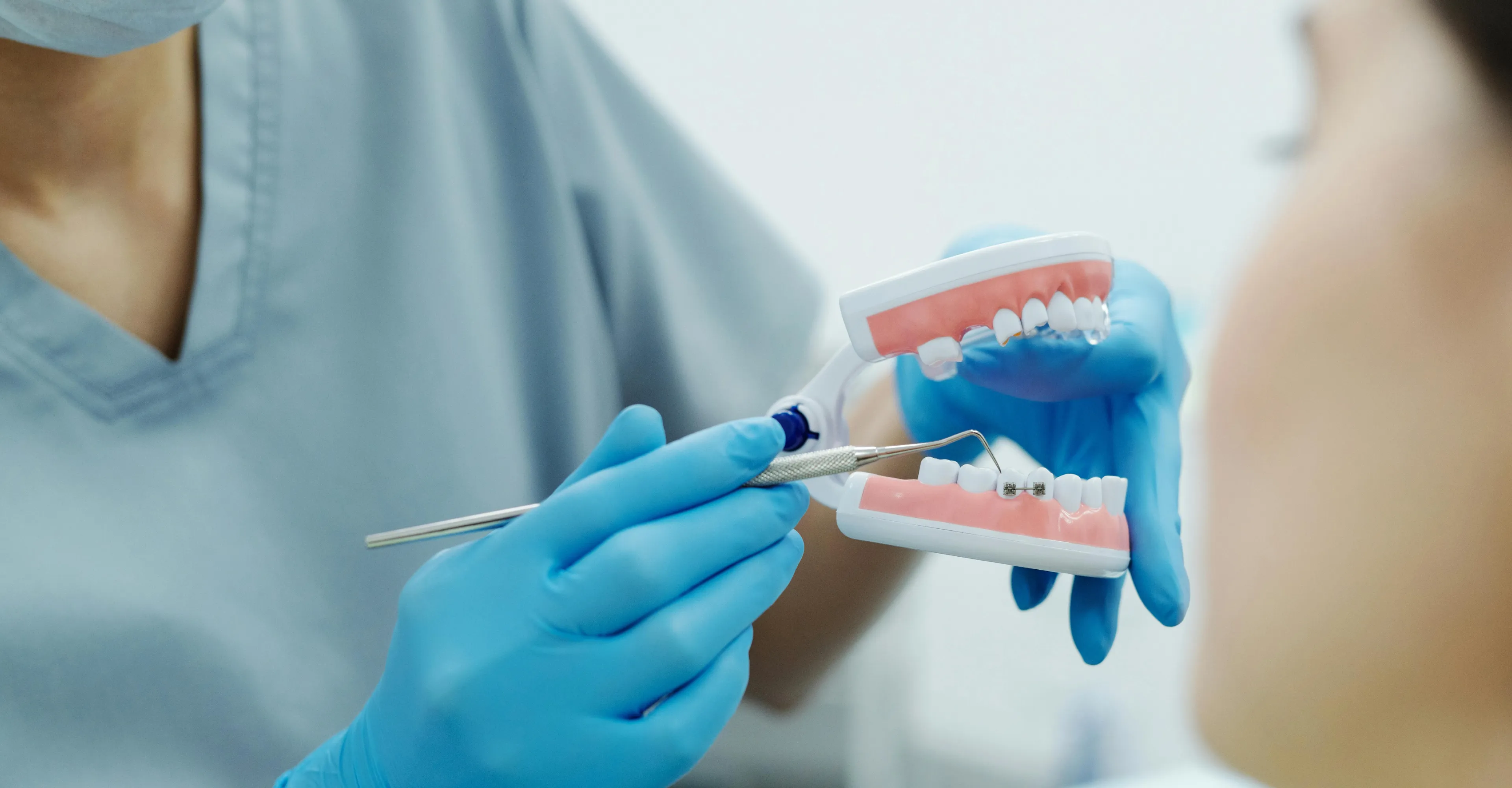



A missing tooth can set off a chain reaction in your mouth, causing surrounding teeth to shift and your bite to change. It’s a problem that goes far beyond aesthetics. That’s where restorative dentistry comes in, and a dental bridge is one of its cornerstone treatments. If you’re asking, dental what is a bridge, you’re asking about a powerful solution for maintaining your long-term oral health. A bridge doesn't just complete your smile; it provides crucial support that keeps your other teeth in their proper positions and distributes bite forces evenly. This guide is designed to give you a clear, straightforward look at how this treatment works to protect your smile’s structure and function for the future.
Key Takeaways
- A bridge is a fixed solution with multiple benefits: It restores your ability to chew and speak properly, helps maintain your facial structure, and prevents your other teeth from shifting into the empty space.
- Your treatment plan is unique to you: Your dentist will recommend the best type of bridge, whether it's traditional, cantilever, or implant-supported, based on your specific oral health and the location of the missing tooth.
- Proper care is essential for longevity: A dental bridge can last for years with a consistent daily routine that includes brushing, flossing under the artificial tooth, and attending regular professional cleanings.
What Is a Dental Bridge?
If you have one or more missing teeth, you know it can affect everything from how you chew to how you feel about your smile. A dental bridge is a fantastic, fixed solution designed to literally "bridge the gap" left by missing teeth. Think of it as a custom-made restoration that uses your existing teeth to support one or more artificial teeth, creating a seamless and functional smile. Unlike dentures, a bridge is cemented into place, so you don’t have to worry about it slipping or taking it out to clean it.
This type of restoration is a cornerstone of restorative dentistry because it does more than just fill a space. A dental bridge helps restore your ability to chew properly, maintains the shape of your face, and prevents your remaining teeth from drifting out of position. By distributing the forces in your bite correctly, it protects your overall oral health. It’s a durable and reliable way to bring back the function and appearance of a full set of teeth, helping you eat, speak, and smile with confidence again. If you're considering your options, a bridge is a popular and effective treatment worth discussing with your dentist.
How Do Dental Bridges Work?
Getting a dental bridge is a straightforward process that usually takes a couple of visits. During your first appointment, your dentist will prepare the teeth on either side of the gap. This involves gently reshaping them to make room for the crowns that will anchor the bridge. Next, we’ll take precise impressions of your teeth, which are sent to a dental lab where your custom bridge is crafted. Before you leave, we’ll fit you with a temporary bridge to protect your prepared teeth and gums while you wait for the permanent one.
On your second visit, we’ll remove the temporary bridge and check the fit and color of your new, permanent one. We make sure it feels comfortable and looks natural. After any necessary adjustments, your dentist will permanently cement the bridge into place, and you’ll walk out with a restored smile.
The Parts of a Dental Bridge
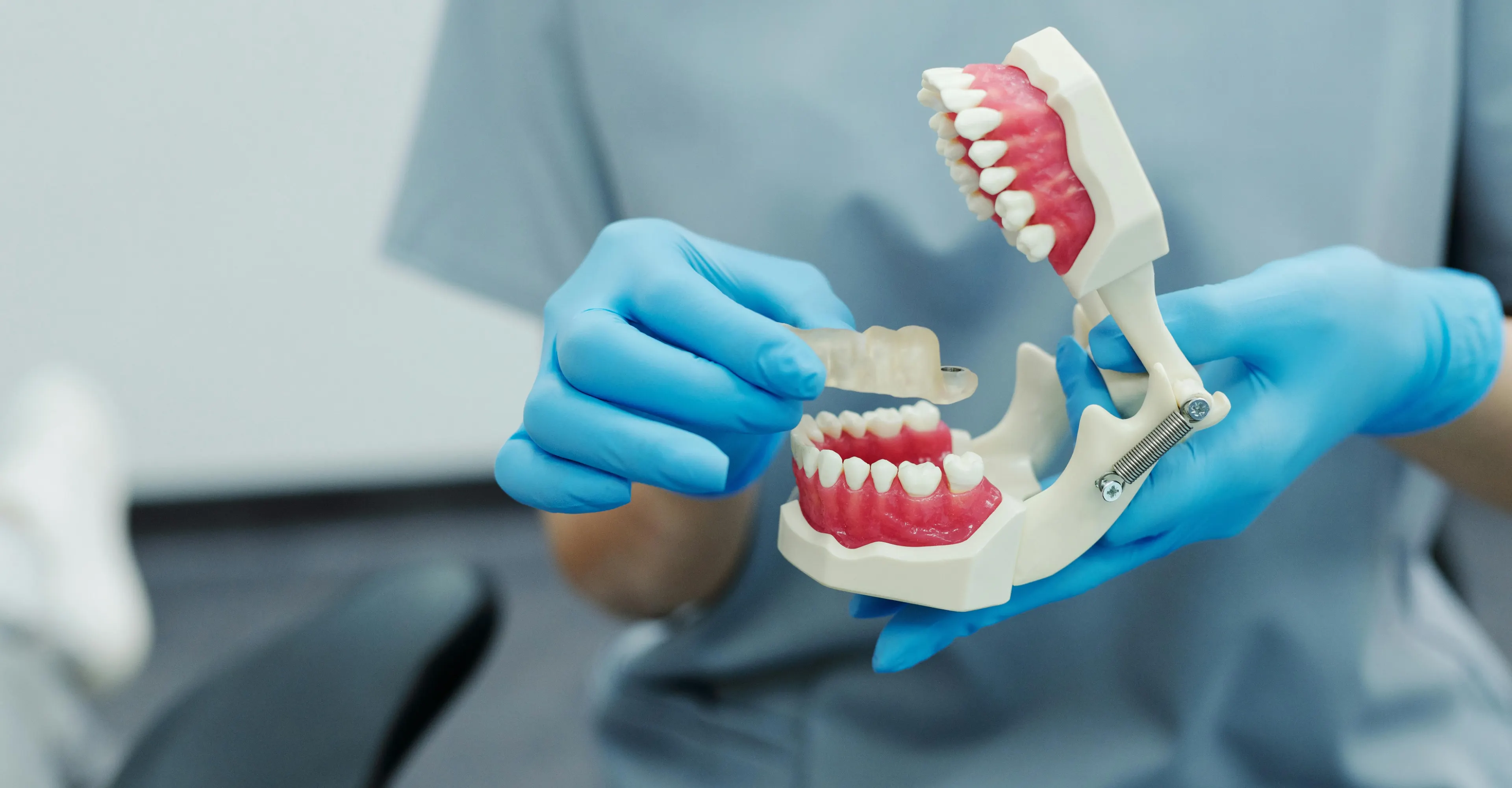
A dental bridge is made up of a few key components working together. First, you have the pontic, which is the artificial tooth that fills the gap where your tooth is missing. Pontics are typically made from porcelain to match the color and texture of your natural teeth.
Next are the abutment teeth. These are the healthy, natural teeth on either side of the gap that serve as anchors for the bridge. The success of the bridge depends on the strength of these teeth. Finally, you have the crowns. These are dental caps that are placed over the abutment teeth. The pontic is attached to these crowns, creating a single, solid unit that securely fills the space and restores your bite.
What Are the Different Types of Dental Bridges?
When it comes to replacing a missing tooth, you have several great options. Dental bridges are a popular and effective solution, but not all bridges are created equal. The best type for you depends on the location of the missing tooth, the health of your surrounding teeth, and your overall dental goals. Think of it like choosing the right tool for a specific job. Each type of bridge has a unique design to handle different situations inside your mouth.
Understanding these differences is the first step toward making an informed decision with your dentist. Let's walk through the four main types of dental bridges so you can get a clearer picture of what might work for you.
Traditional Dental Bridges
This is the most common type of dental bridge, and for good reason. A traditional bridge consists of a replacement tooth (called a pontic) that is held in place by dental crowns on the teeth on either side of the gap. These supporting teeth are called abutment teeth. For this bridge to work, you need healthy, natural teeth on both sides of the space left by the missing tooth. It’s a sturdy and reliable solution that has been trusted for years to restore smiles and chewing function. The process involves preparing the abutment teeth to make room for the crowns that will anchor the bridge securely.
Cantilever Bridges
What happens when you only have a natural tooth on one side of the gap? That’s where a cantilever bridge comes in. This type of bridge is similar to a traditional one, but it's supported by a crown on just one abutment tooth. This is often used when the missing tooth is a molar at the very back of your mouth with no tooth behind it. While a cantilever bridge can be an effective solution in specific cases, it does place more stress on the single supporting tooth. Your dentist will carefully evaluate the health and strength of that tooth to determine if it’s a suitable anchor for this type of restorative dentistry.
Maryland Bonded Bridges
If you're looking for a more conservative option, a Maryland bridge might be the answer. Instead of using crowns, this bridge uses a metal or porcelain framework with "wings" on each side of the replacement tooth. These wings are bonded directly to the back of the adjacent teeth, so there's no need to file them down. This makes it a less invasive procedure that preserves more of your natural tooth structure. Maryland bridges are most often recommended for replacing missing front teeth, where the bite force is lighter. They are a great cosmetic dentistry choice for restoring a seamless smile without altering healthy teeth.
Implant-Supported Bridges
For the most stable and durable solution, many people turn to implant-supported bridges. Instead of being anchored by natural teeth, this type of bridge is secured by dental implants. Implants are small titanium posts that are surgically placed into your jawbone, where they act as artificial tooth roots. This option is ideal when you have several missing teeth in a row or when you want to avoid putting stress on your natural teeth. Because they integrate with your jawbone, implant-supported bridges are incredibly secure and help prevent bone loss. They do require a surgical procedure and a healthy jawbone to be successful, but the long-term results are often worth it.
The Dental Bridge Procedure: Step-by-Step
Getting a dental bridge is a common and straightforward process that typically takes place over two or three appointments. Knowing what to expect can make the experience feel much more comfortable. From the initial chat with your dentist to the final placement of your new bridge, each step is designed to ensure a perfect, lasting fit that restores your smile. Let's walk through the entire procedure together, so you feel prepared and confident from start to finish.
Your First Visit: Consultation and Exam
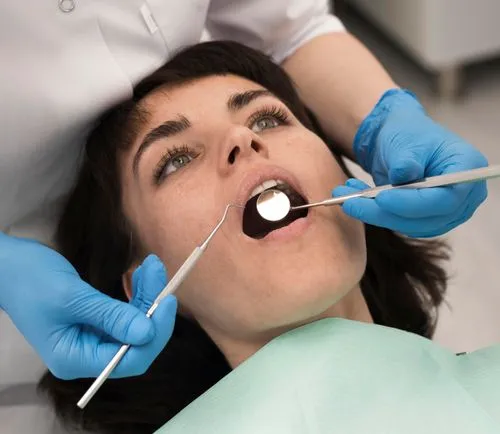
Your journey begins with an initial consultation. During this first visit, your dentist will perform a thorough examination of your mouth, which usually includes taking X-rays to get a clear picture of the health of your teeth and jawbone. This is the perfect time to discuss your goals and ask any questions you have. Your dentist will review your options, confirm if a bridge is the right solution for you, and outline a personalized treatment plan. Think of this appointment as a collaborative planning session to ensure you get the best possible results for your smile. You can book an appointment with our team to get started.
Prepping Your Teeth and Taking Impressions
Once you decide to move forward, the next step is preparing the abutment teeth, which are the teeth on either side of the gap that will support the bridge. Your dentist will carefully reshape these teeth by removing a small amount of enamel. This creates the necessary space for the crowns to fit over them securely. After the teeth are prepped, we'll take impressions, or molds, of your teeth. These impressions are sent to a dental lab where your custom bridge will be expertly crafted to match your natural teeth perfectly. This step is essential for all our restorative dentistry solutions.
Placing Your Temporary Bridge
While the dental lab creates your permanent bridge, you won't have to leave the office with a gap in your smile. Your dentist will place a temporary bridge to protect your exposed teeth and gums. This temporary restoration allows you to eat and speak normally and maintains the appearance of your smile. It’s not as strong as the final version, so you’ll need to be a bit gentle with it, avoiding sticky or hard foods. The temporary bridge serves as a comfortable placeholder, ensuring everything stays in position until your permanent one is ready for placement.
Fitting Your Permanent Bridge
This is the exciting part. At your next appointment, your dentist will remove the temporary bridge and place your new, permanent one. They will carefully check the fit, color, and your bite to make sure everything is just right. Minor adjustments can be made on the spot to ensure maximum comfort and a seamless look. Once you and your dentist are happy with the result, the bridge is permanently cemented into place. You’ll leave our office with a fully restored smile that looks and feels great, ready to get back to your life with renewed confidence in your dental care.
Dental Bridges: The Pros and Cons
Deciding on a dental treatment is a big step, and it’s important to weigh the good with the not-so-good. A dental bridge can be a life-changing solution for a missing tooth, but like any option, it has its own set of advantages and disadvantages. Understanding both sides helps you and your dentist figure out if it’s the perfect fit for your smile and lifestyle. Let’s walk through what you can expect so you can feel confident in your choice.
The Benefits of Choosing a Dental Bridge
A dental bridge is a fantastic way to fill the gap left by a missing tooth, and it comes with some great perks. First and foremost, it restores your smile's appearance and your ability to chew properly, making meals enjoyable again. Bridges can also make a big difference in how clearly you speak. Beyond the immediate cosmetic and functional improvements, a bridge plays a crucial role in your long-term oral health. It acts as a placeholder, preventing your remaining teeth from drifting into the empty space. This helps maintain your bite and the overall structure of your jaw. It's a reliable and effective restorative dentistry solution for getting your smile back on track.
Potential Drawbacks to Consider
While dental bridges are a solid choice for many, it's smart to know about the potential downsides. To place a bridge, we need to prepare the neighboring teeth by filing them down to fit the supporting crowns. This process is permanent and can sometimes make those teeth more sensitive. The natural teeth holding the bridge can also be more susceptible to decay or damage over time if not cared for meticulously. Proper cleaning under and around the bridge is essential to prevent gum problems. Finally, bridges aren't a lifetime fix; they typically last about 10 to 15 years before they might need to be repaired or replaced. Exploring all our dental services with your dentist will help you make an informed decision.
How Much Do Dental Bridges Cost?
Let's talk about one of the most common questions we hear: what is the investment for a dental bridge? The truth is, there isn't a single price tag, as the final cost depends on your unique situation. Factors like the type of bridge you need, the materials we use, and the complexity of your case all play a role. Think of it less like buying a product off the shelf and more like a custom solution designed just for your smile.
The cost can seem like a big hurdle, but understanding the variables is the first step toward making an informed decision. Below, we’ll explore how different types of bridges affect the price and what payment and insurance options are available to you. Our goal is to provide clarity so you can feel confident about restoring your smile without financial stress. We believe everyone deserves access to great dental care, and we're here to help you find a path forward.
How Cost Varies by Bridge Type
The specific type of bridge you receive is the biggest factor in determining the overall cost. A traditional bridge, for example, can range from a few thousand dollars to over nine thousand, depending on how many replacement teeth are needed and the materials chosen, like porcelain or ceramic. Other options, such as a Maryland or cantilever bridge, often have a lower price point because their structure is less complex. An implant-supported bridge typically represents a higher initial investment because it involves the surgical placement of dental implants. During your consultation, we’ll go over which bridge type is best for your oral health and provide a detailed cost breakdown with no surprises.
Insurance and Payment Options
We know that figuring out the financial side of dental work can be stressful, but you have options. Many dental insurance plans provide coverage for restorative procedures like bridges, which can significantly reduce your out-of-pocket expenses. Our team is happy to help you review your benefits to see what your plan covers. For patients without insurance or those who need additional help, we offer a Loyalty Discount Plan to make treatment more affordable. Our priority is getting you the care you need to restore your smile's health and function, and we are committed to working with you to find a comfortable payment solution.
How to Care for Your Dental Bridge
Getting a dental bridge is a fantastic step toward restoring your smile, but the journey doesn't end there. To get the most out of your investment, you'll need to give it a little extra attention. Proper care keeps your bridge, the supporting teeth, and your gums healthy, ensuring your smile stays bright and functional for years to come. Think of it as protecting your new smile. With a solid routine, caring for your bridge will quickly become second nature.
How Long Do Dental Bridges Last?
One of the first questions people ask is about the lifespan of their new bridge. Typically, a dental bridge can last anywhere from five to 15 years. Some even last longer with excellent care. The key factor is the health of the surrounding teeth and gums that provide the foundation for the bridge. If the supporting teeth develop decay or gum disease sets in, the bridge can lose its stability. That’s why a consistent oral hygiene routine is so important. It’s the best way to protect your natural teeth and ensure your bridge serves you well for as long as possible.
Your Daily Cleaning Routine
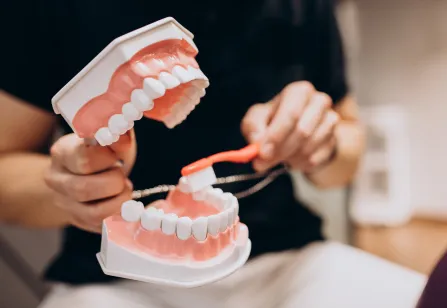
Your daily cleaning habits are your first line of defense in protecting your dental bridge. You’ll want to brush twice a day with a soft-bristled toothbrush and fluoride toothpaste, just as you would with your natural teeth. Pay special attention to the area where the bridge meets the gumline. Flossing daily is also critical, but it requires a slightly different technique. Since you can’t floss down between the connected crowns, you’ll need a special tool like a floss threader or an interdental brush to clean underneath the pontic (the artificial tooth). This step removes plaque and food particles, preventing decay and gum irritation. It’s a crucial part of any restorative dentistry care plan.
The Importance of Regular Check-ups
While your at-home care is essential, it works best in partnership with professional dental visits. We recommend scheduling check-ups and cleanings twice a year. During these appointments, your dentist can inspect your bridge to make sure it’s still fitting correctly and that the supporting teeth are healthy. Our hygienists have the tools to clean areas you might have trouble reaching, keeping plaque and tartar at bay. These regular visits allow us to catch any potential issues early on, before they become more serious problems. Staying on top of your appointments is the easiest way to protect your smile, so be sure to book your next visit with us.
Is a Dental Bridge Right for You?
Deciding how to replace a missing tooth is a big step, and it’s smart to explore all your options. A dental bridge is a fantastic solution for many people, but it’s not a one-size-fits-all fix. Your oral health, budget, and long-term goals all play a role in finding the perfect fit for your smile. Let’s walk through what makes someone a great candidate for a bridge and when you might want to look at other treatments.
Who Makes a Good Candidate?
You might be a great candidate for a dental bridge if you have one or more missing teeth with healthy teeth on either side of the gap. These neighboring teeth need to be strong enough to act as anchors for the bridge. A bridge does more than just fill a space; it helps you chew and speak properly again, restores the natural shape of your face, and prevents your remaining teeth from drifting out of position. If you’re looking for a reliable way to complete your smile and improve your oral function, a bridge is definitely worth discussing with your dentist. It’s a proven and effective part of restorative dentistry.
When to Consider Other Options
While dental bridges are an excellent choice, it’s also good to know about the alternatives. Dental implants, for instance, are often considered the gold standard for tooth replacement. An implant is a titanium post that fuses with your jawbone, creating a sturdy foundation for a crown without affecting your other teeth. This process also helps prevent bone loss in your jaw. However, a bridge might be a better fit if the teeth next to the gap already need crowns or if you don't have enough bone density for an implant and prefer to avoid a bone grafting procedure. We can help you weigh the pros and cons of each option during a consultation.
Life With Your New Dental Bridge
Getting used to a new dental bridge is a process, but it’s one that leads to a restored, confident smile. Your mouth is incredibly sensitive, so it’s completely normal to need a little time to adapt to the new addition. The goal is for your bridge to feel so natural that you forget it’s even there. Here’s a look at what you can expect during the adjustment period and how to handle any temporary discomfort.
What to Expect as You Adjust
First things first, getting a bridge placed shouldn't be a painful experience. Your dentist will make sure the area is completely numb before starting. Afterward, it’s common for your new bridge to feel a bit unfamiliar. You might be more aware of it when you talk or eat, but this sensation fades. It can take a few days to a week to get fully accustomed to the fit and feel. Before you know it, your bridge should feel just as comfortable and functional as your natural teeth, blending seamlessly into your smile. If you have any questions about your specific procedure, our team is always here to help with our restorative dental services.
Tips for Managing Sensitivity
It’s normal to experience some mild soreness or sensitivity to temperature after your procedure. As your mouth heals, you can take a few simple steps to stay comfortable. Try to avoid very hot or cold foods and drinks for the first few days. Sticking to a soft-food diet is also a good idea, so hold off on hard, crunchy, or sticky items that could put pressure on the new bridge. If you notice any swelling, gently applying an ice pack to your cheek for 15 minutes at a time can provide relief. These feelings are temporary and should improve within a few days as you heal.
When to Call Your Dentist
While minor sensitivity is expected, certain signs indicate you should give us a call. Please don't hesitate to reach out if you notice your bridge feels loose, if you see any cracks, or if you experience sharp pain when you bite down. You should also contact us if your gums around the bridge are unusually sore, red, or bleeding. Your comfort and health are our top priorities, so it’s always best to let us know if something doesn’t feel right. You can easily book an appointment at any of our Northern Virginia locations to have it checked out.
Related Articles
- Dental Bridges Virginia | Smile Makers Dental Center
- Implant-Supported Bridges for Missing Teeth | Restore Your Smile
Frequently Asked Questions
Is the dental bridge procedure painful? We make sure you are completely comfortable during the entire process. Your dentist will use a local anesthetic to numb the area before preparing your teeth, so you won't feel any pain during the appointment. It's normal to have some mild sensitivity or soreness afterward, but this is temporary and can usually be managed with over-the-counter pain relievers.
How long does it take to get a dental bridge from start to finish? The entire process typically spans a few weeks over the course of two main appointments. Your first visit is for the consultation and preparing the teeth, and the second is for fitting your permanent bridge. The time in between allows our dental lab to custom-craft your bridge with precision to ensure it fits perfectly and looks natural.
Will my new dental bridge look like a real tooth? Absolutely. Your bridge is custom-made to blend in seamlessly with your smile. We take great care in matching the color, shape, and size of the artificial tooth (the pontic) to your surrounding natural teeth. We use high-quality materials like porcelain that mimic the translucency and texture of real tooth enamel, so most people will never know it's not your original tooth.
Are there any foods I should avoid with a permanent dental bridge? Once your permanent bridge is cemented and you've adjusted to it, you can eat most of your favorite foods again. A bridge is designed to be strong and restore your normal chewing function. However, it's wise to be cautious with extremely hard items like ice or hard candy, as well as very sticky foods, which can put stress on the bridge and the supporting teeth.
What's the main difference between a bridge and a dental implant? The key difference lies in how they are supported. A dental bridge uses the natural teeth on either side of a gap as anchors for the replacement tooth. A dental implant, on the other hand, is a standalone solution where a titanium post is placed directly into the jawbone to act as an artificial root, and a crown is attached to it without involving any other teeth.