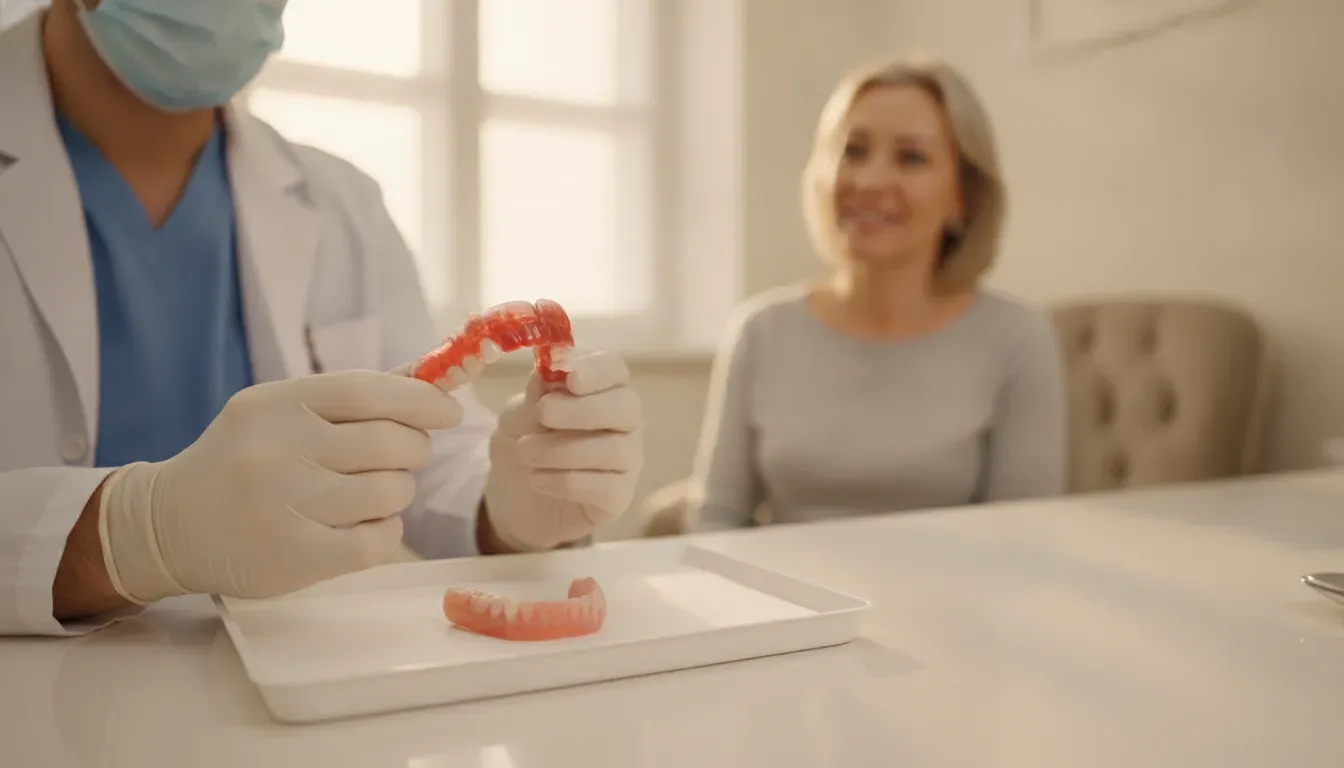



It’s a sound and a feeling you won’t forget: the sudden crack of a tooth. It can happen with something as innocent as a piece of crusty bread or an unpopped popcorn kernel. Your first reaction is probably a mix of shock and worry, followed by a flood of questions. Is it a real emergency? What do I do with the broken piece? How will a dentist even fix this? Take a deep breath. A broken tooth is one of the most common dental issues we see, and there is always a solution. This guide will walk you through everything, from the first steps to take at home to the different ways we can expertly repair a broken tooth and restore your smile.
Key Takeaways
- Act Fast When a Tooth Breaks: A broken tooth requires immediate dental attention to prevent infection and more complex issues. While you wait for your appointment, rinse with warm salt water, save any fragments in milk, and use a cold compress for swelling.
- Your Smile Can Be Fully Restored: No matter the severity of the break, your tooth can be repaired. Solutions range from simple dental bonding for small chips to durable crowns and veneers for more significant fractures, restoring both function and appearance.
- Proactive Habits Prevent Future Damage: You can protect your teeth by making smart choices. Avoid chewing on hard items, wear a mouthguard for sports, and maintain regular dental visits to address issues like decay or grinding before they cause a fracture.
What Causes a Broken Tooth?
A broken tooth can happen in an instant, and it’s often a complete surprise. One moment you’re enjoying a meal or playing a game, and the next, you feel that tell-tale crack. While it can be alarming, it’s a very common dental issue that we see and treat all the time. Understanding what causes a tooth to break is the first step in knowing how to protect your smile. The reasons range from accidental impacts to underlying issues that weaken the tooth over time. Let's walk through some of the most frequent culprits behind a chipped, cracked, or broken tooth.
Biting Down on Hard Foods
It’s a classic scenario for a reason. Biting into something unexpectedly hard is one of the leading causes of a broken tooth. Think about things like ice cubes, hard candies, nut shells, or that stubborn popcorn kernel that didn’t quite pop. Even seemingly healthy foods like a crusty piece of bread or a raw carrot can cause a fracture if you bite down at the wrong angle. Your teeth are incredibly strong, but they aren't invincible. When you apply too much force in one spot, something has to give, and unfortunately, it’s often your tooth enamel.
Accidents and Sports Injuries
A sudden impact to the face can easily lead to a broken tooth. This is common in contact sports like football or hockey, but it can also happen from a simple trip and fall, a bike accident, or a car collision. Any direct trauma to your mouth puts your teeth at risk. This is why wearing a mouthguard during sports is so important; it acts as a cushion to absorb the shock. If you do experience a dental injury, it’s crucial to seek emergency dental care right away to assess the damage and prevent further complications.
Weakened Teeth from Cavities
Sometimes, the problem starts from within. A cavity, which is essentially tooth decay, can silently weaken your tooth's structure. As the decay progresses, it hollows out the tooth, leaving the outer enamel brittle and prone to breaking. You might not even know you have a cavity until the tooth chips or breaks while you’re eating something completely soft. Regular dental check-ups are key to catching decay early and treating it before it can cause a more serious fracture. Addressing cavities with fillings or other restorative treatments helps maintain the tooth's strength.
Grinding or Clenching Your Teeth
Do you ever wake up with a sore jaw or a dull headache? You might be grinding or clenching your teeth in your sleep, a condition known as bruxism. This habit places an immense amount of pressure on your teeth, far more than regular chewing. Over time, this constant force can cause tiny cracks to form, which can eventually lead to a significant break. Since it often happens unconsciously, many people don’t realize they’re doing it. If you suspect you might be a grinder, we can help with solutions like custom night guards to protect your teeth from the strain.
How to Tell If You've Broken a Tooth
A broken tooth isn't always a dramatic, painful event. Sometimes it’s a subtle crack you can’t even see, and other times a piece might break off completely while you're eating something as simple as a salad. Because the signs can vary so much, it’s helpful to know what to look for and how it might feel. A fracture can range from a tiny, hairline split to a severe break that affects the entire tooth structure, even extending below the gum line. These breaks happen most often in your upper front teeth and the molars in the back of your mouth, usually because of the intense pressure they handle when you chew.
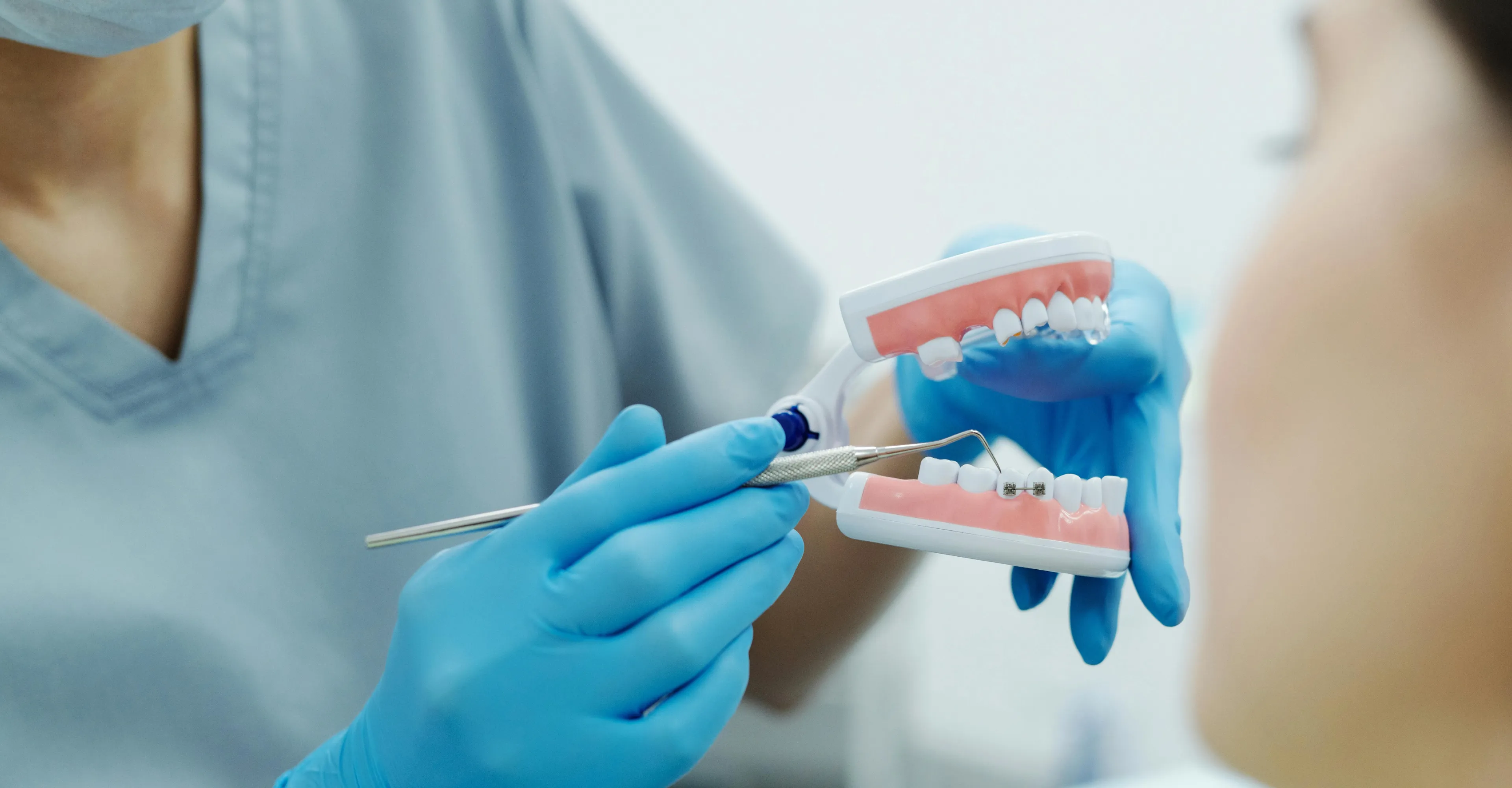
Understanding the difference between a chip, a crack, and a full break is key. A chip is often a cosmetic issue, but it can leave sharp edges that irritate your tongue or cheek. A crack can be more serious, as it may allow bacteria to seep into the inner parts of your tooth, leading to infection. A full break is often considered a dental emergency, especially if it exposes the sensitive pulp inside. If you suspect you have a broken tooth, paying close attention to visual cues, physical sensations, and changes in your bite can help you figure out your next steps. Ignoring the signs can allow a small problem to become a much bigger one, so it’s always best to get it checked out by a professional.
What to Look For
The most obvious sign of a broken tooth is seeing a piece of it missing. You might feel a new, jagged or sharp edge with your tongue or notice a visible crack when you look in the mirror. Sometimes, the break is so small that it’s nearly invisible, but you might notice a fine, vertical line on the tooth’s surface. The broken piece could be a tiny chip from the edge or a larger chunk that exposes the yellowish dentin layer underneath the enamel. In more severe cases, the tooth might split into distinct pieces that you can feel move. If you notice any of these changes, it’s a clear signal to give your dentist a call.
How It Might Feel
A broken tooth often comes with some distinct feelings that can come and go. You might experience a sharp, sudden pain when you bite down, which then disappears just as quickly once you release the pressure. Many people also notice a new sensitivity to hot, cold, or sweet foods and drinks that wasn't there before. The area around the affected tooth might feel tender, and you could see some swelling in your gums. For some, it’s less of a sharp pain and more of a constant, dull ache that’s hard to ignore. Don't panic if you experience these symptoms. Dentists have many ways to provide restorative care and get your smile back to feeling great.
Changes in Your Bite
One of the more subtle signs of a broken tooth is a change in how your teeth fit together. Your bite might suddenly feel "off" or uneven when you close your mouth, as if something is out of place. This can happen if a piece has broken off or if the tooth has shifted slightly from the impact. A crack can also create an opening for bacteria to enter the tooth, potentially leading to an infection or abscess deep in the root. If the break is deep enough to expose the inner pulp, you might notice the tooth changing color over time, often becoming darker. Any change in your bite is a good reason to book an appointment so we can take a look.
Your First Steps After Breaking a Tooth
Breaking a tooth is alarming, but what you do next matters. Taking a few immediate steps can protect your mouth from further injury and set you up for a successful repair. Here’s exactly what to do while you prepare to see a dentist.
Rinse and Stop Any Bleeding
First, gently rinse your mouth with warm salt water to clean the area. If it’s bleeding, apply steady pressure with a clean piece of gauze for about 10 minutes until it stops. For immediate discomfort, an over-the-counter pain reliever can help, but avoid putting aspirin directly on your gums. These quick actions can make a big difference while you wait for your appointment and help prevent infection.
Save the Pieces
If you can find the broken fragment of your tooth, save it. We can sometimes reattach the original piece, which is often the best fix. Rinse the fragment gently and store it in a small container with milk or saliva to keep it from drying out. Don't wrap it in a tissue. Bringing the piece to your emergency dental appointment gives us more options for restoring your smile.
Protect Your Mouth and Manage Pain
A broken tooth can leave a sharp edge that might cut your tongue or cheek. Temporarily cover it with sugarless gum or dental wax to protect your mouth. To manage pain and swelling, apply a cold compress to your cheek for 15-minute intervals. Sticking to soft foods and avoiding chewing on the injured side will also keep you more comfortable while you wait to see us for our dental services.
Call Your Dentist Immediately
This is the most critical step. A broken tooth is a dental emergency that needs prompt attention, even if it doesn’t hurt. The tooth’s inner structure could be exposed, leaving it vulnerable to infection or further damage. Waiting can complicate the repair. Call our office right away to explain what happened. We’ll get you in for an appointment as soon as possible at one of our convenient locations to take care of you.
How We Can Fix a Broken Tooth
When you break a tooth, your first thought might be panic, but I want you to take a deep breath. There are so many ways we can restore your smile, and the right solution simply depends on the type and severity of the break. Our team has seen it all, from tiny chips to more significant fractures, and we have a treatment plan for every situation. Once you’re in our office, we’ll carefully examine the tooth to understand the extent of the damage. From there, we can walk you through the best options to get your tooth looking and feeling healthy again.
Our goal is always to save your natural tooth whenever possible and restore its function and appearance. We use modern techniques and materials to make repairs that are both durable and blend in seamlessly with your smile. Whether it’s a simple cosmetic fix or a more complex restorative procedure, we’re here to provide gentle, expert care. We’ll explain every step of the process, so you feel comfortable and confident in your treatment. You can explore our full range of restorative dentistry services to see how we can help.
Dental Bonding for Small Chips
If you have a small, minor chip, especially on a front tooth, dental bonding is often the perfect fix. Think of it as a simple, artistic touch-up for your tooth. We use a tooth-colored composite resin, which is a durable plastic material, and apply it directly to the chipped area. I’ll carefully sculpt the resin to match the natural shape of your tooth, then use a special light to harden it and bond it securely in place. The best part? The whole process is usually quick, painless, and doesn’t require any numbing. You can walk out of our office with a restored smile in just one visit.
Crowns for More Serious Breaks
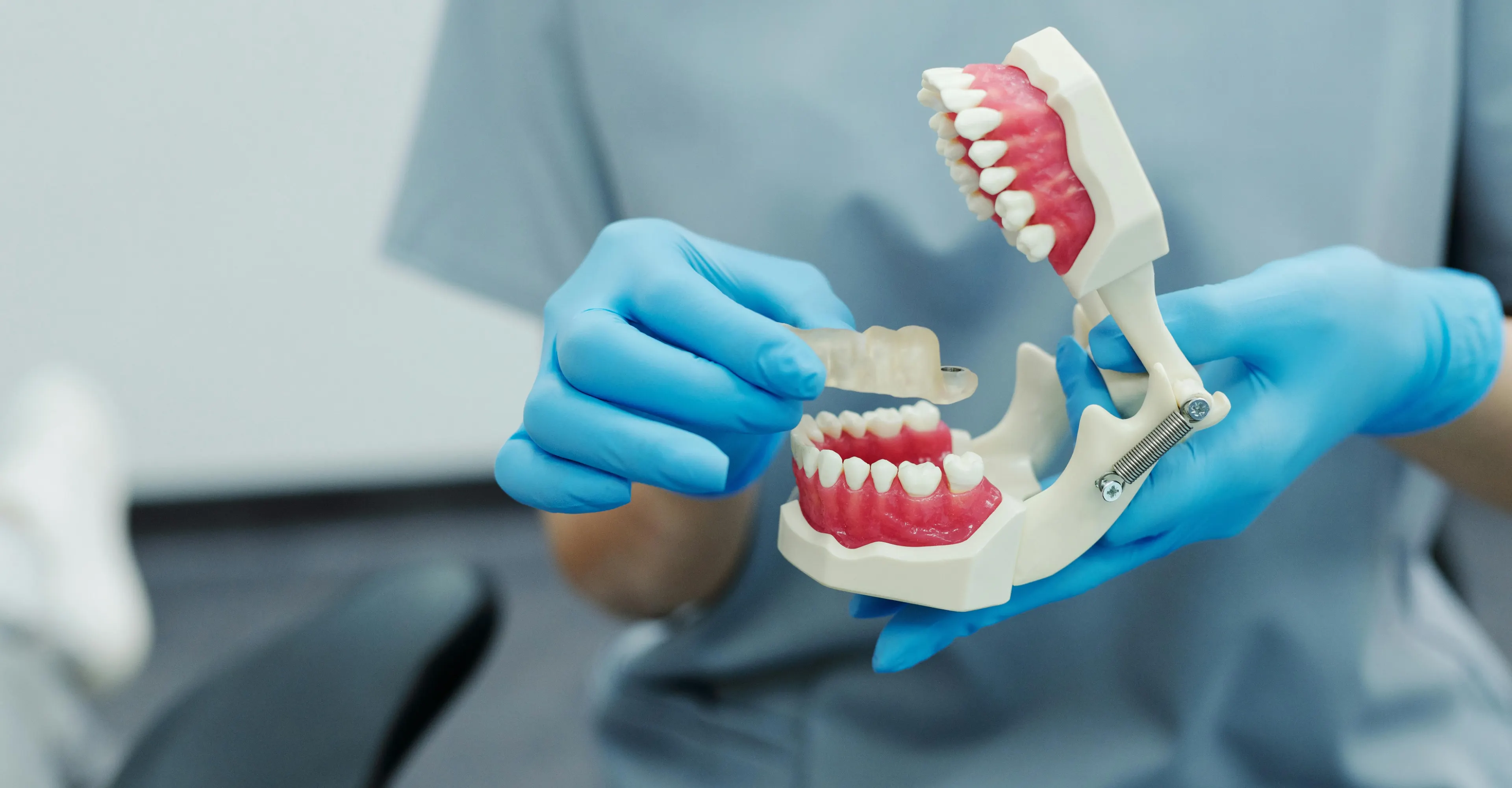
For a tooth with a larger break or one that’s been weakened by decay, a dental crown is an excellent solution. A crown, or cap, is a custom-made covering that fits over your entire tooth, restoring its shape, size, and strength. To start, we’ll reshape the remaining part of your tooth to ensure a perfect fit. Then, we’ll place the crown, which can be made from strong metals or natural-looking porcelain. A dental crown not only protects the damaged tooth from further harm but also brings it back to full function, so you can chew and speak with confidence again.
Veneers to Restore Front Teeth
When a front tooth is chipped or broken, your confidence can take a hit. That’s where veneers come in. A veneer is a very thin, custom-made shell of tooth-colored porcelain that we bond to the front surface of your tooth. It’s a fantastic way to conceal imperfections because it covers the entire front of the tooth, creating a flawless, natural appearance. We can design the veneer to perfectly replace the missing portion of your tooth, making it look completely whole and healthy again. It’s a popular choice in cosmetic dentistry for creating a beautiful, uniform smile.
Root Canals for Deep Breaks
If a break is deep enough to expose the inner pulp of your tooth, where the nerves and blood vessels are, a root canal might be necessary. I know the term can sound intimidating, but it’s a straightforward procedure designed to relieve pain and save your tooth from infection. During a root canal treatment, we gently remove the damaged pulp, clean the inside of the tooth, and then seal it to prevent any future problems. This treatment is crucial for preserving a badly damaged tooth and avoiding the need for an extraction.
Extraction and Replacement Options
Sometimes, a tooth is so severely damaged that it can’t be saved. In these cases, the healthiest option is to remove it. While we always do everything we can to save a natural tooth, an extraction can prevent infection from spreading and relieve pain. But it doesn’t end there. Leaving a gap can cause other teeth to shift, so we’ll discuss replacement options with you. A dental implant or a bridge can fill the space, restoring your smile’s function and appearance. Our oral surgery team will make sure you’re comfortable throughout the entire process.
Is a Broken Tooth a Dental Emergency?
The short answer is yes, a broken tooth is almost always a dental emergency. Even if it doesn't hurt, the structural damage can expose the sensitive inner layers of your tooth to bacteria, leading to infection, further decay, or even tooth loss. Think of it like a crack in your car's windshield; leaving it alone only gives it a chance to get worse.
Ignoring a broken tooth can turn a simple fix into a much more complex and expensive procedure down the road. The best thing you can do is call a dentist right away to get it checked out. At Smile Makers Dental Center, we're equipped to handle these situations promptly to protect your oral health and get you out of pain. Getting timely care is key to saving your tooth and preventing more serious problems.
Signs You Need Urgent Care
It’s important to seek emergency dental care as soon as you realize your tooth is broken, chipped, or cracked. Don't wait for the pain to become unbearable. If you experience severe pain, persistent bleeding, or notice a large piece of your tooth is missing, you need to see a dentist immediately. Other urgent signs include fever or swelling in your face or gums, which could indicate an infection. A broken tooth can also leave behind sharp edges that can cut your tongue, cheek, or gums, making it essential to get it smoothed and repaired quickly to avoid more discomfort.
What to Expect at Your Emergency Visit
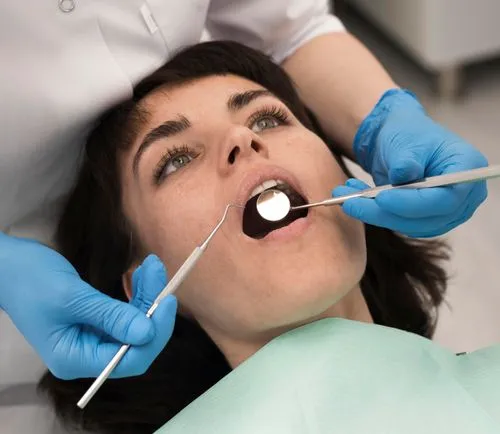
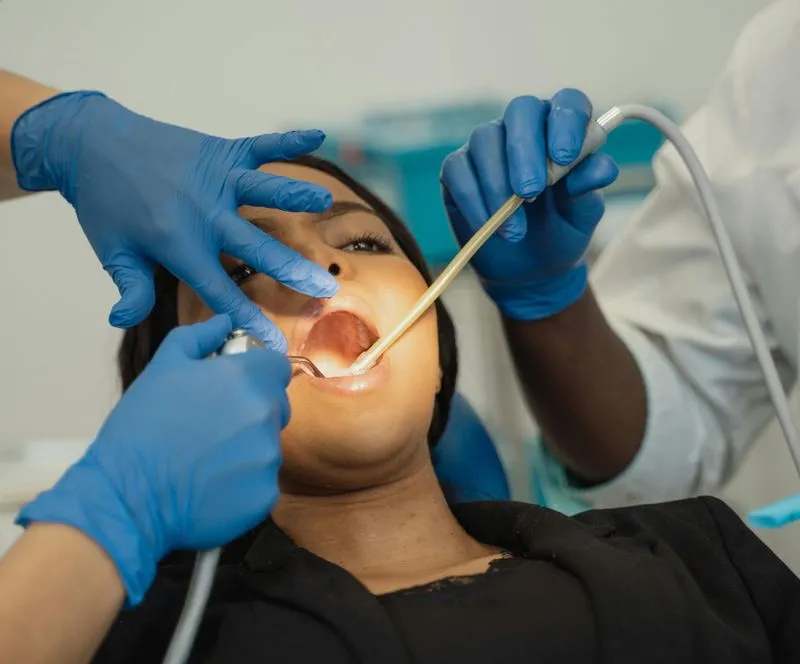
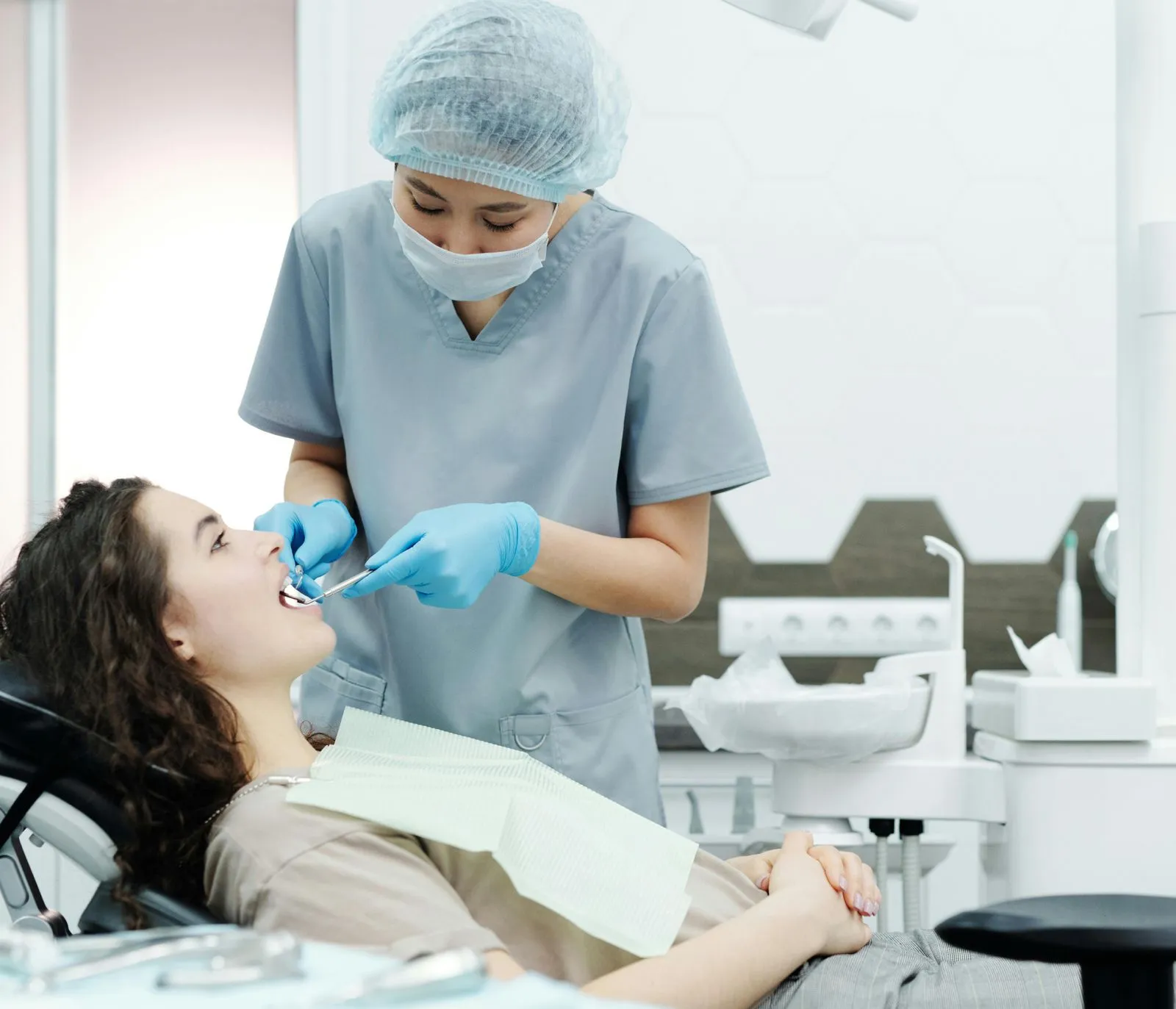
When you come in for an emergency visit, our first priority is to get you comfortable and assess the situation. We’ll start by asking about how the tooth broke and what symptoms you’re feeling. Then, your dentist will carefully examine the tooth and the surrounding gums to determine the extent of the damage. We may also take an X-ray to see if the tooth's root or the underlying bone has been affected. Based on our findings, we'll explain the best treatment options for you. The right fix depends entirely on how severe the break is, but we will walk you through every step before we begin. You can book an appointment online or call us directly.
Understanding the Cost of Repair
When you're dealing with a broken tooth, the last thing you want to worry about is the bill. The good news is that getting it fixed is often more affordable than you might think. The cost depends entirely on your specific situation, but there are plenty of options available to make sure you get the care you need without financial stress. Let's walk through what goes into the cost and the different ways you can manage it.
What Affects the Final Cost?
The price to repair a broken tooth can vary quite a bit, and it really comes down to the extent of the damage. A tiny chip on the edge of your tooth is a much simpler fix than a tooth that has split in half. For minor issues, a procedure called dental bonding might be all you need. For more significant breaks, you might be looking at a veneer or a dental crown to restore the tooth's shape and strength. The materials used and the complexity of the restorative treatment are the biggest factors in determining the final cost.
Using Insurance and Other Payment Options
If you have dental insurance, now is the time to use it. Many plans offer good coverage for restorative procedures like crowns and bonding, which can significantly lower what you pay out of pocket. Every plan is different, so it’s a good idea to review your benefits or give your provider a call. Our team is also here to help you make sense of your coverage and submit claims. We want to make the process as smooth as possible, so you can focus on your smile. We also offer flexible ways to manage your payments to fit your budget.
Our Loyalty Plan and Financing
Don't have insurance? No problem at all. We believe everyone deserves access to great dental care, which is why we created our Loyalty Discount Plan. This plan is designed specifically for patients without insurance, offering valuable discounts on a wide range of our services, including repairs for broken teeth. It’s a straightforward way to make your treatment more affordable without the complexities of traditional insurance. When you come in for your visit, just ask us about it. We’re happy to explain how it works and help you find the best financial solution for your needs.
What to Expect While You Heal
Once your tooth is repaired, the next step is healing. Your recovery experience will depend entirely on the type of treatment you received and the severity of the original break. A simple bonding procedure might feel normal within a day, while a more complex treatment like a root canal or implant requires a bit more patience. Think of this phase as a partnership between you and our team. We handle the expert repair, and you handle the gentle aftercare that ensures a great result.
The most important thing you can do is follow the specific instructions we provide. Our team at Smile Makers Dental Center will walk you through everything you need to know, from what to eat to how to keep the area clean. We’re here to make sure your recovery is as smooth and comfortable as possible, so your smile can get back to feeling its best. If you ever have a question or concern during your recovery, don't hesitate to give us a call.
Your Recovery Timeline
Patience is key when it comes to healing. The time it takes to fully recover can range from a few days to several months. For example, getting a crown can sometimes be completed in a single day, but it often requires two visits to get the permanent restoration just right. If your tooth needed a root canal before being fitted for a crown, the process will naturally take a bit longer. For cases where a tooth is replaced with a dental implant, the full healing process can span several months to allow the implant to integrate with your jawbone. We will always give you a clear and personalized timeline so you know exactly what to expect.
How to Care for Your Tooth After Treatment
Proper care after your procedure is crucial for a successful recovery. A repaired tooth, especially one that has undergone a root canal, can be more fragile. That’s why we almost always place a dental crown over it for protection and strength. Following our guidance helps prevent infection and protects your investment in your smile. We’ll give you a detailed list of do's and don'ts, which usually includes sticking to soft foods for a few days and avoiding chewing directly on the repaired tooth. Maintaining your oral hygiene is also essential, so continue to brush and floss, but be gentle around the treated area until it’s fully healed.
Managing Pain and Scheduling Follow-Ups
It’s normal to feel some discomfort or sensitivity after a dental procedure. To keep you comfortable, we often recommend simple, effective remedies. Applying an ice pack to your cheek can help reduce any swelling, and rinsing your mouth with warm salt water can keep the area clean and soothe irritation. Over-the-counter pain relievers like ibuprofen or acetaminophen can also be very effective for managing any soreness. We will discuss the best option for you. Finally, be sure to attend all your follow-up visits. These appointments are important for us to monitor your healing and ensure your tooth is recovering perfectly. If it’s time for your check-in, you can easily book an appointment online.
How to Prevent Future Breaks
After you’ve gone through the process of fixing a broken tooth, the last thing you want is a repeat experience. While you can’t prevent every accident, you can take simple, effective steps to make your teeth stronger and more resilient. Think of it as protecting your smile for the long haul. Strong, healthy teeth are far less likely to chip, crack, or break under pressure.
Preventing future breaks comes down to a combination of great daily habits, protecting your teeth when they’re at risk, and being mindful of what you eat and do. It’s about creating a routine that supports your oral health from the inside out. By making a few small adjustments, you can significantly lower your risk and keep your smile intact. We’re here to help you build that routine and identify any personal risk factors, so you can feel confident in the strength of your teeth every single day.
Keep Up with Your Daily Routine
The foundation of a strong smile is consistent care. Your daily oral hygiene routine is your first line of defense against the decay and weakness that can lead to breaks. This means brushing for two minutes, twice a day, and flossing at least once daily to remove plaque and prevent cavities. A healthy diet also plays a huge role; limiting sugary foods and acidic drinks helps keep your enamel strong. Just as important are your regular dental check-ups. These visits allow us to catch and address small issues before they become major problems. If it’s been a while, you can easily book an appointment at one of our convenient locations.
Protect Your Teeth During Activities
If you or your kids are active in sports, a mouthguard is a non-negotiable piece of gear. Whether it’s soccer, basketball, martial arts, or even skateboarding, a sudden impact can easily lead to a chipped or broken tooth. A custom-fit mouthguard, which we can create for you, offers far better protection and comfort than the boil-and-bite versions from the store. It acts as a cushion, absorbing the shock from a blow to the face and protecting your teeth, lips, and gums from injury. Think of it as a helmet for your smile. Protecting your teeth during physical activities is a simple step that can prevent a painful and costly dental emergency.
Know Which Foods and Habits to Avoid
Certain foods and habits put unnecessary stress on your teeth. Chewing on hard items like ice, popcorn kernels, or hard candy can cause a tooth to fracture, especially if it already has a filling. It’s also important to be mindful of unconscious habits like clenching your jaw or grinding your teeth, a condition known as bruxism. This can happen during the day or while you sleep, placing immense pressure on your teeth and leading to cracks over time. If you wake up with a sore jaw or headaches, let us know. We offer specialized treatments, like custom nightguards, to protect your teeth from grinding damage.
Related Articles
- Emergency Dentist Bailey's Crossroads: Your Guide
- What Is Full Mouth Reconstruction? A Complete Guide
- Toothache Treatment & Relief – Fast Pain Solutions
Frequently Asked Questions
Does a broken tooth always hurt? Not at all, and that’s what can be so tricky. While some breaks cause immediate and sharp pain, others might only feel a little sensitive or not hurt at all. Pain is not a reliable indicator of how serious the damage is. A painless chip can still expose the inner layers of your tooth to bacteria, which can lead to decay or infection down the road. It's always best to have any break, big or small, looked at by a dentist.
What if I can't find the broken piece of my tooth? Is it still fixable? Absolutely. While saving the piece is a great first step, don't worry if you can't find it or accidentally swallowed it. We have many excellent ways to restore your tooth. Using modern materials like tooth-colored resin for bonding or custom-crafted porcelain for crowns and veneers, we can rebuild your tooth so it looks and feels completely natural. The most important thing is getting to our office so we can take care of the damage.
Can a small, painless chip really cause bigger problems later? Yes, it definitely can. Think of a small chip as a tiny crack in a foundation. It might seem harmless, but it weakens the overall structure of your tooth, making it more likely to fracture further under normal chewing pressure. That small chip can also create a rough edge that irritates your tongue and cheek, or it can become a hiding spot for plaque, leading to a cavity. Addressing it early is a simple fix that prevents more complex issues.
How will I know which treatment is right for my broken tooth? You don't have to figure that out on your own; that's what we're here for. The right treatment depends entirely on the location of the tooth and the severity of the break. After we examine the tooth, we’ll walk you through the best options. For example, a tiny chip on a front tooth might only need simple bonding, while a larger break on a molar will likely need a durable crown to restore its strength for chewing. We'll explain our recommendation so you can feel confident in your treatment plan.
Will my repaired tooth look and feel like a normal tooth? Our goal is always to make a repaired tooth blend in so perfectly that even you have trouble spotting it. Modern dental materials are truly amazing and can mimic the color, texture, and even the translucency of your natural enamel. Whether we use bonding, a veneer, or a crown, the restoration is designed to restore the tooth's original shape and function. You should be able to eat, speak, and smile with complete confidence.