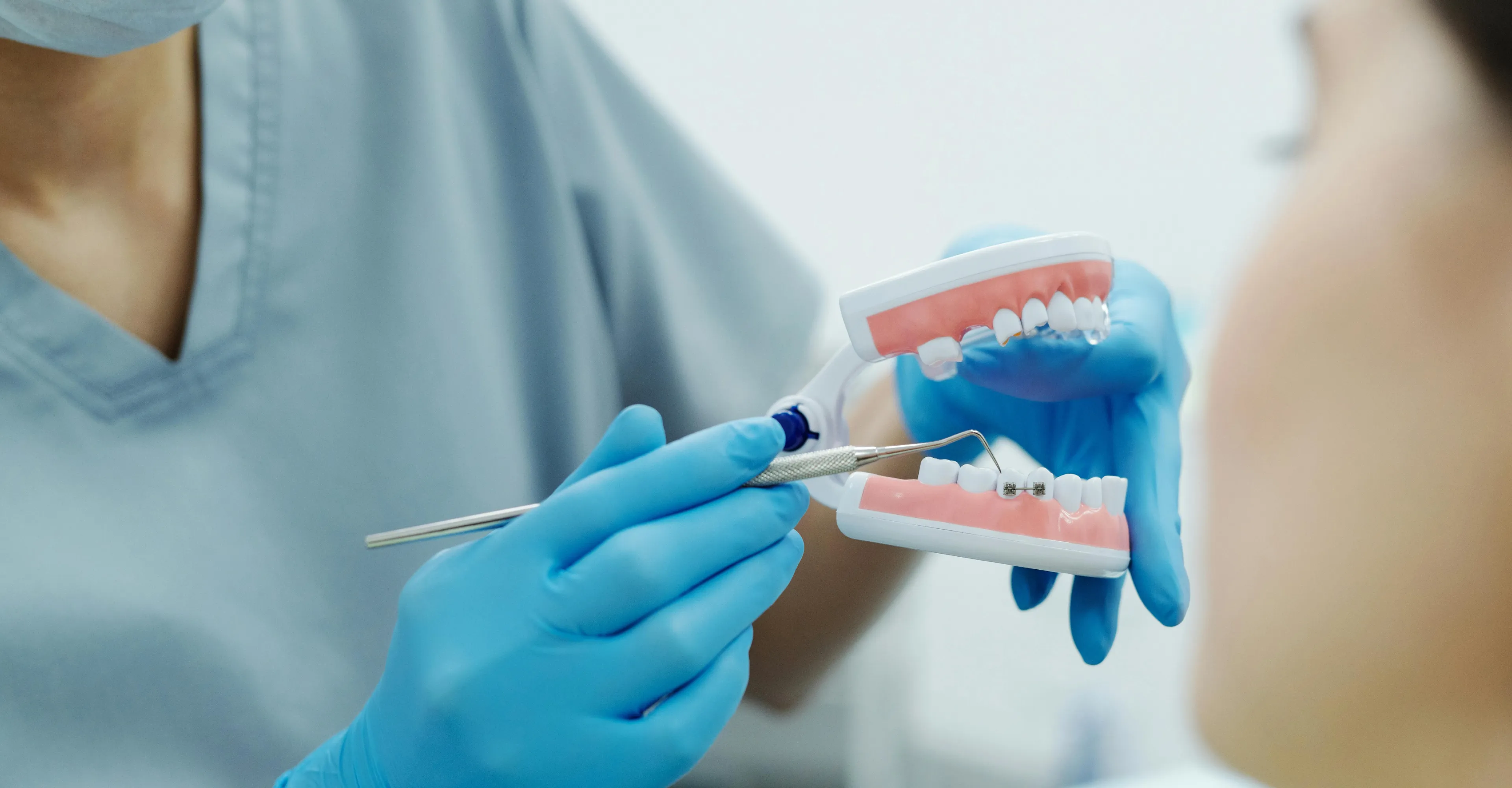



What causes bad breath? It is often linked to bacteria and food particles in the mouth, dry mouth, certain foods, tobacco, or oral health concerns such as gum disease. Sometimes a health condition or medication contributes. Occasional odor after a meal or upon waking is common; breath that stays unpleasant despite daily cleaning is worth discussing with a dental professional.
What causes bad breath most often?
Most persistent bad breath starts inside the mouth. Bacteria break down food debris and other material on the tongue, between teeth, and around the gums. This process can release odor-causing compounds. Brushing and flossing remove some of the material, but odor may linger if areas are missed or if the mouth is dry.
The Illinois Department of Public Health notes that poor brushing and flossing can leave food particles that increase bacteria and contribute to bad breath. The Mayo Clinic overview of bad breath causes also identifies certain foods, health conditions, and habits as possible contributors. That range matters: breath odor can be temporary, connected to oral hygiene, or related to something that needs a closer look.
Common causes include:
- Food debris and tongue coating: Small particles can remain after eating, especially in places a toothbrush does not reach well.
- Dry mouth: Saliva helps rinse the mouth. When there is less saliva, odor-causing material may build up more easily.
- Gum or tooth concerns: Inflammation, decay, or an area that traps food can contribute to ongoing odor.
- Food and drink: Garlic, onions, strongly flavored foods, and some drinks can affect breath for a while after eating.
- Tobacco: Tobacco use can leave an odor and is also associated with dry mouth and gum problems.
- Other health factors: Some conditions and medications can affect breath or saliva. A dental professional can help determine whether a dental evaluation or medical follow-up is appropriate.
Bad breath alone does not identify its cause. The same symptom can have several explanations, and it is not a reliable way to diagnose a specific dental or medical condition at home.
How can you tell whether the cause is temporary or ongoing?
Breath odor can change over the day. Morning breath often happens because saliva flow decreases during sleep. A strong-smelling meal may leave a noticeable odor for several hours. These temporary changes usually improve after eating, drinking water, and cleaning the mouth.
Ongoing odor is different. It may return soon after brushing, remain through the day, or continue for several weeks. You may not be able to judge your own breath accurately, so avoid repeatedly checking by cupping your hands or relying on someone’s reaction. If you are concerned, notice how long the issue has lasted and whether you have other changes, such as dry mouth, gum tenderness, tooth discomfort, or a change in taste.
A simple observation log can make a dental conversation more useful. For a few days, note:
- When the odor is most noticeable and how long it lasts.
- Whether it follows particular foods, coffee, alcohol, or tobacco.
- Whether your mouth feels dry, especially overnight or after waking.
- Any new medicines or changes in routine that occurred around the same time.
- Whether you have bleeding or tender gums, tooth pain, or trouble cleaning a particular area.
This information does not establish a diagnosis. It gives your dentist practical context and can help guide a conversation about what to check. If you are due for a checkup, you can review family dentistry and routine care or find an office through the Smile Makers locations page.
Which everyday habits can help reduce bad breath?
Consistent oral care is a good first step when breath odor is mild and there are no other concerning symptoms. Focus on a complete routine rather than adding strong products that only cover the smell. A mint or mouth rinse may temporarily mask odor without addressing trapped debris, dry mouth, or a dental problem.
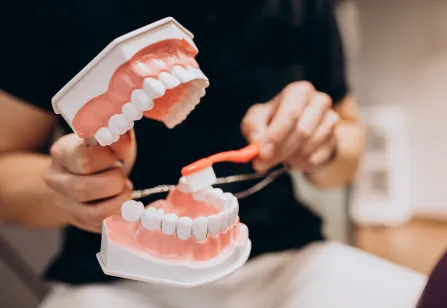
- Brush twice a day. Use a soft-bristled toothbrush and fluoride toothpaste. Take time along the gumline and on the chewing surfaces. Replace a worn toothbrush so the bristles can clean effectively.
- Clean between teeth daily. Floss or use another suitable interdental cleaner to remove debris from spaces a toothbrush cannot reach. If an area is difficult to clean, ask a dental professional to demonstrate options.
- Gently clean your tongue. Bacteria and debris can collect on its surface. Brush gently or use a tongue cleaner, moving from the back toward the front as comfortably as possible. Stop if cleaning causes pain or significant irritation.
- Drink water regularly. Water can help with a dry feeling and rinse away loose food particles. If you have a medical reason to limit fluids, follow your clinician’s guidance.
- Notice patterns with food and habits. If a particular food, tobacco, or alcohol seems connected to odor or dryness, note the pattern. Do not assume that avoiding one food will solve persistent breath concerns.
- Keep routine dental visits. Regular exams and cleanings allow the dental team to look for oral causes that a home routine cannot confirm. If you need help preparing, the patient forms and scheduling information page may be useful.
Be gentle and consistent rather than trying to scrub odor away. Pressing hard with a toothbrush or scraping the tongue until it feels sore can irritate the mouth and make a routine uncomfortable. Avoid putting household cleaning products or concentrated substances in your mouth. If you are considering a new rinse, ask whether it is appropriate for your situation, especially if you already experience dryness or irritation.
Cleaning tools should fit your mouth and your ability to use them comfortably. Some people find traditional floss easiest; others prefer an interdental brush or another tool. If you have a bridge, retainer, or removable appliance, ask how to clean around or under it without damaging it. A demonstration from the dental team can be more helpful than repeatedly trying a technique that hurts or does not reach the area.
Choose mouthwash carefully. A rinse may help some people feel fresher, but it should not replace brushing, cleaning between teeth, or an evaluation when odor continues. If a product stings, worsens dryness, or irritates your mouth, stop using it and ask a dental professional what may be suitable for you.
Small adjustments can make a routine easier to maintain. Try brushing at a consistent time in the morning and before bed, and keep floss or another interdental cleaner where you will remember to use it. Move slowly around the gumline rather than scrubbing hard. If you wear a removable dental appliance, clean and store it as directed by your dental professional. Persistent odor around an appliance or a specific tooth is a useful detail to mention at a visit.
Breath products can also make it harder to notice whether the underlying concern is changing. Rather than repeatedly switching sprays, gums, or rinses, use a simple routine and track the pattern for a short time. If the odor remains, ask for an evaluation. A dental team can help you decide whether a cleaning technique, oral health issue, or another factor deserves attention.
For general background on how oral hygiene habits affect odor, see the Illinois Department of Public Health’s Bad Breath: Causes and Controlling It. The best routine is one you can follow consistently and comfortably.
Can dry mouth, medication, or health conditions cause bad breath?
Yes, they can be contributing factors. Saliva helps clear food particles and supports a balanced oral environment. When the mouth is dry, odor may become more noticeable. Dryness can occur during sleep, with mouth breathing, from dehydration, or as a side effect of some medicines. Salivary gland issues may also play a role.
The Journal of the American Dental Association article on bad breath describes medication use, salivary gland problems, and continuous mouth breathing among possible contributors. Do not stop or change a prescribed medicine on your own. If dryness began after a medication change, tell the prescriber and your dental team. They can help you consider appropriate next steps.
Some people also wonder whether odor can come from the nose, throat, or another health issue. It can. A dental exam is often a sensible starting point because many persistent cases have an oral source, but a dentist may suggest follow-up with a medical professional if the mouth does not appear to explain the concern. This is a reason to ask for help, not a reason to self-diagnose based on breath alone.
If you have persistent dry mouth, mention it during your visit. Also share relevant medicines and health changes. You can read about the practice’s broader dental services and learn more about the clinicians on the dentist team page.
When should you see a dentist about bad breath?
Consider booking a dental visit if the odor lasts despite consistent brushing and interdental cleaning, keeps returning without a clear temporary trigger, or comes with other mouth changes. A dentist can review your oral care routine, examine your teeth and gums, and discuss possible next steps. The purpose is to identify what may be contributing, not to assume that bad breath means a particular condition.
Make an appointment sooner if you also notice ongoing gum bleeding or tenderness, a persistent unpleasant taste, tooth discomfort, or a spot that repeatedly traps food. These symptoms have different possible causes and deserve an individual assessment. If you have severe pain, facial swelling, fever, or difficulty swallowing or breathing, seek urgent medical or dental guidance rather than waiting for a routine appointment. For a problem that seems urgent, review the practice’s emergency dentistry information.
At a visit, expect questions about when the odor started, what makes it better or worse, your home-care routine, dry mouth, and relevant medications. The dental team may examine your teeth, gums, tongue, and mouth. If the findings do not point to an oral cause, they may recommend that you follow up with another health professional. Share concerns openly; breath issues are common, and the conversation can be handled respectfully.
It can help to bring a current medication list and mention any recent changes to your health or daily routine. Tell the dentist if you have trouble reaching a particular area, use a retainer or other oral appliance, or have noticed bleeding while brushing. These details do not prove why breath has changed, but they can help the dental team focus the exam and give relevant guidance. There is no need to use a special breath test or stop eating before a routine visit unless the office gives you specific instructions.
Before your visit, write down questions you want answered. For example: “Could anything in my mouth be trapping food?” “Is my mouth unusually dry?” or “Would a different cleaning tool help me reach this area?” You can also ask whether your current mouth rinse is appropriate. This makes the discussion concrete without trying to decide the cause yourself.
How do common causes of bad breath compare?
The pattern can offer clues, but it cannot confirm the cause. Use this table as a starting point for what to notice and discuss, not as a substitute for an examination.
| Possible contributor | What you might notice | Helpful next step |
|---|---|---|
| Food particles or tongue coating | Odor after meals or a coated feeling on the tongue | Brush carefully, clean between teeth, and gently clean the tongue. |
| Temporary food odor | Odor after strongly flavored foods that fades with time | Drink water and keep up your regular oral care routine. |
| Dry mouth | A dry or sticky feeling, sometimes strongest after waking | Note when it occurs and discuss persistent dryness or medication changes with a clinician. |
| Gum or tooth concern | Odor that persists, or odor alongside tenderness, bleeding, or tooth discomfort | Arrange a dental evaluation rather than relying on breath products alone. |
| Health or medication factor | Ongoing odor without an obvious oral-care or food pattern | Share your health and medication history with a dental professional; follow any referral guidance. |
Use the table to organize what you have noticed, not to select treatment. For example, odor that appears only after a particular meal may be temporary, while odor with continuing dryness or gum tenderness is worth bringing up. If more than one clue applies, that is normal: food debris, dry mouth, and oral health concerns can overlap. The dental team can ask follow-up questions and examine the mouth rather than relying on one symptom alone.
Frequently asked questions
Why is my breath bad even after brushing?
Brushing may miss the tongue, spaces between teeth, or an area that traps food. Dry mouth, gum or tooth concerns, and some foods or medicines may also contribute. If odor continues despite a complete routine, schedule a dental evaluation to discuss possible causes.
Can dehydration cause bad breath?
A dry mouth can make odor more noticeable, and not drinking enough may contribute to a dry feeling for some people. Sip water as appropriate for your health, but seek advice if dryness is persistent or you have a fluid restriction.
Does mouthwash cure bad breath?
Mouthwash may temporarily freshen breath, but it does not necessarily address the reason for persistent odor. Keep brushing and cleaning between teeth, and ask a dental professional about ongoing symptoms or irritation from a rinse.
Can bad breath come from a health condition?
Some health conditions and medicines can contribute, but breath odor alone cannot identify them. A dental professional can check for oral causes and suggest medical follow-up when appropriate.
How long should I wait before asking a dentist?
If odor keeps returning or does not improve with consistent home care, you do not need to wait for a specific number of days to ask. Book a visit, especially if you also have gum bleeding, tooth discomfort, persistent dry mouth, or another change in your mouth.
What is the next step if bad breath keeps returning?
Start with a steady routine: brush twice daily, clean between teeth, gently clean your tongue, and drink water as appropriate. Notice whether the odor is temporary or ongoing, and make a note of dry mouth, food patterns, medicines, or other oral changes. If it persists, a dental visit can help you explore possible causes and decide what to do next. You deserve a practical, respectful conversation about your oral health.