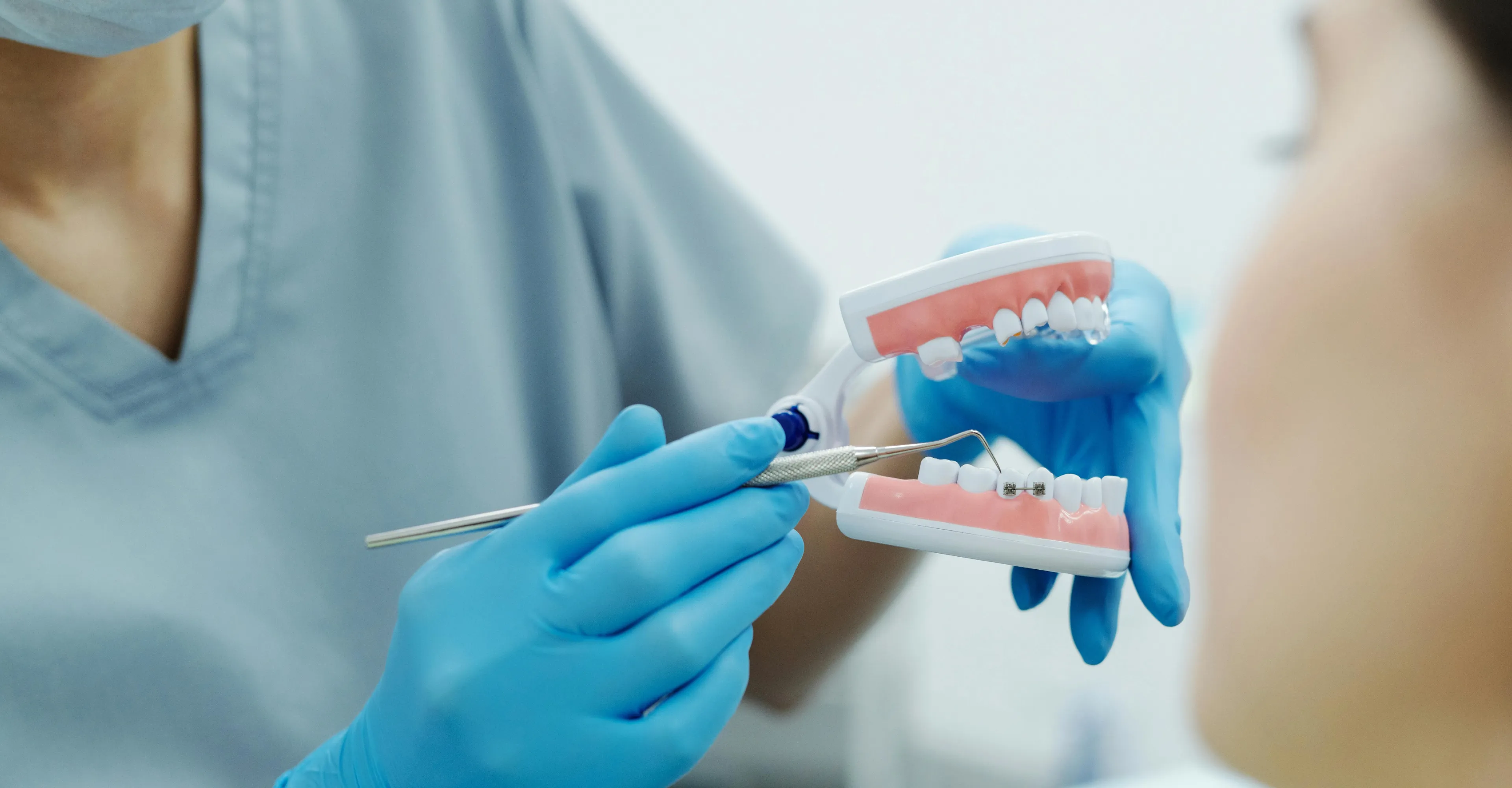



Dental implant infection signs can include worsening pain, swelling, redness, warmth, pus, or a bad taste near the implant. Some tenderness and mild swelling may occur after surgery, but symptoms that intensify, return after improving, or come with fever deserve a prompt call to your dentist. Only an in-person dental evaluation can determine what is happening.
What are the signs of a possible dental implant infection?
An implant is a small post placed in the jaw to support a replacement tooth. The gum tissue around it can become irritated or infected, and infection may also involve the bone or nearby tissues. A symptom by itself does not prove that an implant is infected. Similar changes can have other causes, including normal healing, gum inflammation, an issue with the restoration, or pressure from biting.
Pay attention to a change from your expected recovery or your usual comfort. Concerning signs can include:
- Pain that gets worse: soreness can be expected after a procedure, but pain that intensifies rather than gradually easing, or returns after a period of improvement, is worth discussing with your dentist.
- Increasing swelling or redness: look for tissue that is becoming more swollen, tender, or red instead of settling. Swelling spreading into the face or jaw needs prompt attention.
- Pus or drainage: discharge near the implant is not something to ignore. Do not squeeze the area or try to drain it yourself.
- A persistent unpleasant taste or odor: this can have several causes, but when it occurs with soreness, swelling, or drainage, let the dental team know.
- Bleeding that is new or does not settle: a little bleeding may happen in the immediate period after surgery, but ongoing or newly recurring bleeding should be assessed.
- Fever or feeling unwell: a fever, chills, or feeling generally ill along with changes near an implant can indicate a problem that should be evaluated promptly.
- Implant or crown movement: a restoration that feels loose or a change in how your teeth meet should be reported. Movement is not a symptom to test repeatedly by pushing or wiggling it.
These signs are reasons to contact a dental professional, not a checklist for self-diagnosis. Describe what changed, when it started, and whether it is getting better or worse. If you are unsure how urgent it is, call the practice and explain your symptoms rather than waiting for them to become more severe.
How can you tell normal healing from a problem?
Recovery varies with the procedure and the person. After implant surgery, some discomfort, minor bleeding, bruising, or swelling may occur. Your dentist should give you instructions for your specific treatment and explain what changes to expect. Follow those instructions rather than comparing your recovery with another person's experience.
The direction of change matters. Mild symptoms that gradually improve are different from symptoms that grow stronger, spread, or appear after you had started to feel better. A sudden change deserves attention, even if the implant procedure was not recent. Infection and other complications can occur at different stages, so do not assume that an implant is beyond risk once the initial healing period has passed.
Consider the whole picture: how severe the symptom is, how long it has lasted, whether several symptoms occur together, and whether your ability to eat or open your mouth is affected. Keep in mind that a crown or other restoration can feel different for reasons unrelated to infection. A clinician can examine the gum, the implant and restoration, and the surrounding area to decide whether further assessment is needed.
If you recently had an implant placed, use the aftercare directions provided by your dental team. Do not apply unprescribed products to the surgical site, use leftover antibiotics, or change medication instructions without checking with a qualified clinician. For questions about what is normal in your particular recovery, contact the office that is following your care.
When should you call a dentist, and when is it urgent?
Contact your dentist promptly if pain or swelling is worsening, you see drainage, you have a persistent bad taste with other symptoms, or the implant restoration feels loose. Call as soon as you notice a concerning change and explain whether it is getting worse. The practice can advise you about an appropriate next step based on your symptoms and history.
Seek urgent medical care for trouble breathing or swallowing, rapidly spreading facial or neck swelling, or severe symptoms that make you feel acutely ill. These can signal a serious problem and should not wait for a routine dental appointment. If you have a fever with facial swelling or symptoms are progressing quickly, make clear that when you contact a clinician.
| What you notice | What it may mean | What to do |
|---|---|---|
| Mild soreness or swelling that is steadily easing after surgery | May fit expected recovery, but your own post-op instructions are the guide | Follow the care directions and contact your dental team if improvement stops or you are concerned |
| Increasing pain, redness, swelling, drainage, or a bad taste with discomfort | Needs professional assessment; symptoms alone cannot establish the cause | Call your dentist promptly and describe when it began and how it has changed |
| A loose-feeling restoration or a new change in your bite | May involve the restoration, implant, or surrounding tissues | Avoid testing or adjusting it yourself and arrange dental guidance |
| Difficulty breathing or swallowing, rapidly spreading swelling, or severe illness | Potential emergency | Seek urgent medical care now |
This guide is not a diagnosis and cannot replace an examination. If a symptom feels severe or is changing quickly, do not use the table to delay care. Your clinician can advise whether you need a dental visit, medical evaluation, or another response.
For background on implant options, see our overview of types of dental implants. The American Dental Association also provides oral-health information for patients; your dentist remains the right person to assess symptoms around your implant.
What should you do while waiting for dental advice?
Take practical steps that protect the area and help the dental team understand what is going on:
- Call the practice. Share when the implant was placed, when the symptom began, what has changed, and whether you have a fever, drainage, swelling, or pain. Mention relevant medical conditions and medications.
- Follow the instructions you were given. Use the care plan from your treating clinician. If you cannot find it or are uncertain what it means, ask the office to clarify it.
- Keep the area clean as directed. Continue your usual oral hygiene carefully, unless your clinician has given different post-operative instructions. Avoid aggressive brushing or probing at a tender site.
- Do not manipulate the implant. Avoid pressing on it, trying to tighten a component, or attempting to remove or adjust a restoration. Such actions may irritate tissue or make an issue harder to assess.
- Do not self-prescribe treatment. Do not take leftover antibiotics or place aspirin, alcohol, or other unapproved substances on the gum. Ask a clinician before changing medicines or adding a product.
- Keep notes. Record the timing, symptoms, and any changes. If visible swelling changes, a photo may help you explain what you noticed, but it does not replace an examination.
Depending on what the clinician finds, evaluation may include questions about your health and treatment history and an examination of the gums, bite, and restoration. Imaging may be considered when appropriate. The next step depends on the cause, so there is no single home remedy or treatment that is right for every person.
A useful description is specific but simple: say whether the discomfort is constant or happens when chewing, whether the gum looks different, and whether symptoms started suddenly or gradually. Mention any recent dental work, changes in your routine, or difficulty cleaning around the restoration. You do not need to decide whether the problem is an infection before calling. Reporting what you observe gives the clinician a clearer starting point.
If the office recommends an appointment, ask what to bring and whether you should follow any special instructions before arriving. If you are already receiving care from another dental office, ask for relevant treatment notes or images to be shared when possible. Keep a note of the advice you receive and the person you spoke with. If symptoms change significantly while you are waiting, call back and explain the change rather than relying on earlier guidance.
An evaluation can also be a chance to discuss how the implant and replacement tooth are functioning. Ask how to clean the area, when follow-up is recommended, and which changes should prompt another call. Clear guidance helps you understand the plan without trying to interpret every sensation on your own. If you have a health condition or take medication that may matter to dental care, make sure the team has current information.
What might a dental evaluation involve?
Your dental team will want to understand when the implant was placed, what symptoms you have, and whether they are changing. Bring a list of current medications and relevant health conditions, and tell the clinician about recent dental work. If another office placed the implant, share any records or follow-up instructions you have. You can also ask someone you trust to help you remember questions if you feel worried.
The clinician may examine the gum tissue and restoration and assess whether the implant feels stable. They may check your bite and consider whether imaging or other assessment is appropriate. An evaluation helps distinguish among possible causes; discomfort around an implant does not automatically mean that the implant must be removed. Treatment recommendations depend on the findings and your overall situation.
It may help to prepare questions such as: What could be causing these symptoms? What should I watch for after today's visit? Which changes mean I should call again? Are there care instructions I should follow until my next appointment? Clear answers can make a stressful visit feel more manageable.
People who feel nervous about dental visits can read our practical guide to feeling more comfortable at the dentist. If the concern involves treatment choices for a missing tooth, our articles on dental bridges versus implants and what a dental bridge is offer general background. They are educational resources, not substitutes for advice about an individual implant.
How can you lower the chance of future complications?
Good follow-up and consistent oral care matter after implant treatment. Keep appointments recommended by your dental team, follow individualized cleaning instructions, and report changes early. Tell the practice if brushing or flossing around the restoration is difficult; the team can explain an approach suited to your mouth and restoration.
Do not skip routine care simply because an implant feels comfortable. Your dentist can check the surrounding tissues and restoration during appropriate follow-up. If you have questions about your overall care, the practice's patient information resources and patient forms can help you prepare for a visit. You can also learn about the practice's dental technology and dental team.
Daily habits are part of a broader plan, not a guarantee against problems. Follow the advice given for your implant and general health, and ask the dental team whether any specific habit or medical factor is relevant to your care. If you need to find an office, review the practice's Northern Virginia locations before booking.
Frequently asked questions
Can a dental implant infection happen years later?
Problems affecting the tissue around an implant can arise after the initial healing period, but symptoms do not establish that an infection is present. New or worsening redness, swelling, pain, drainage, or a persistent bad taste should be discussed with a dentist, even if the implant has been in place for years.
Is mild soreness always a sign of infection?
No. Mild soreness can have more than one explanation, including recovery after a procedure or irritation. Notice whether it is easing or worsening and contact your dental team if it persists, intensifies, or comes with other concerning symptoms.
Can I wait to see whether pus or swelling goes away?
Do not try to drain or treat the area yourself. Contact a dentist promptly to describe drainage or increasing swelling and ask what to do next. If swelling spreads quickly or affects breathing or swallowing, seek urgent medical care.
Will an infected implant always need to be removed?
Not necessarily. Symptoms can have different causes, and the appropriate response depends on an examination and the clinician's findings. An assessment is needed before anyone can discuss options for your particular case.
What should I say when I call the dental office?
Explain when the implant was placed, which symptoms you notice, when they began, and whether they are improving or worsening. Mention fever, facial swelling, drainage, relevant health conditions, and current medicines. Ask whether you should be seen promptly or seek another level of care.
What is the next step?
If you notice changes around a dental implant, trust the pattern you observe and ask a dental professional for guidance. Prompt communication can help you understand what is happening and what kind of evaluation is appropriate.