

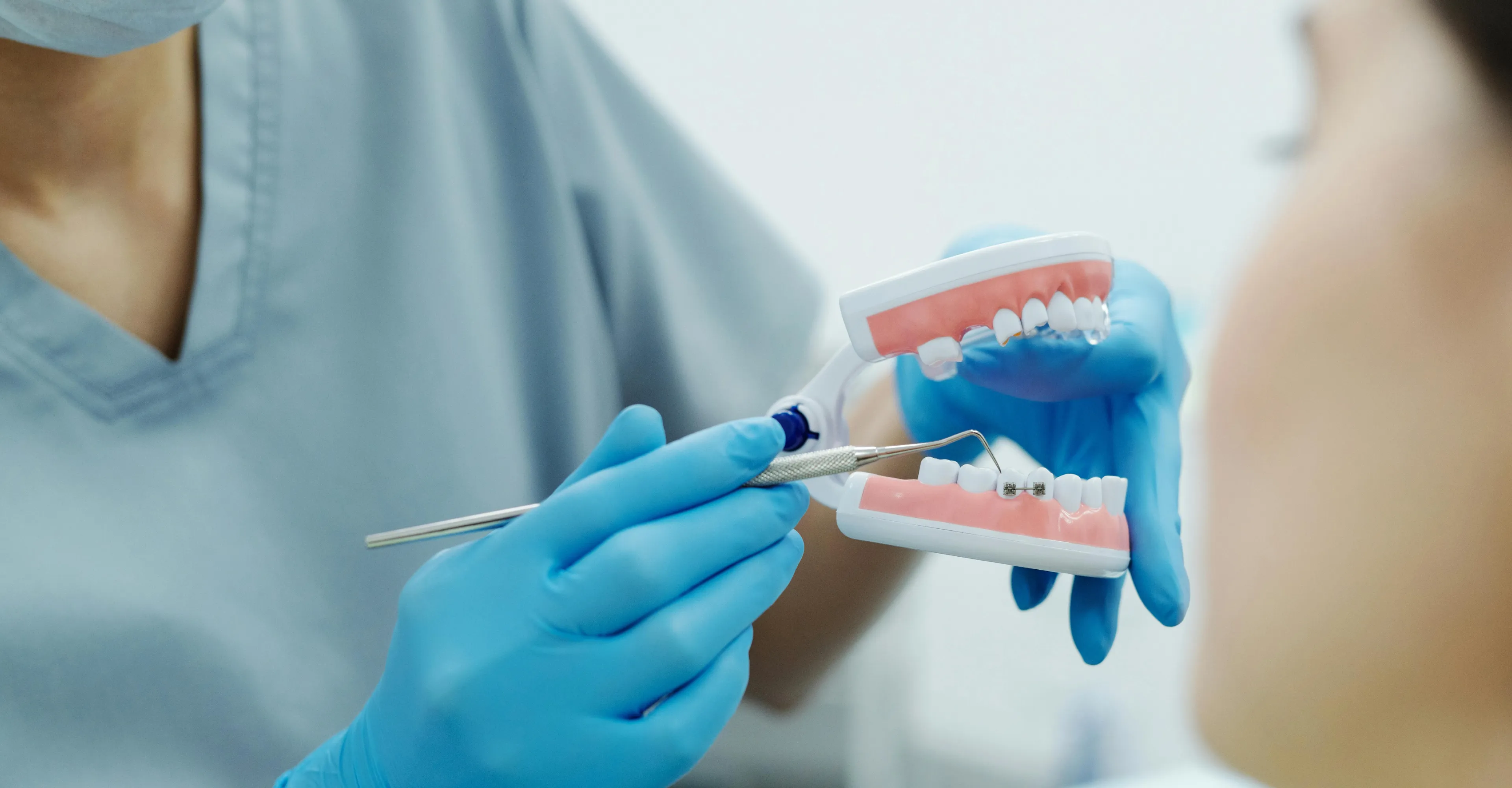



A missing tooth can disrupt the entire balance of your mouth, causing a chain reaction of dental issues. Neighboring teeth can start to drift into the empty space, leading to bite problems and even jaw pain. A dental bridge is a fantastic way to stop this from happening. By filling the gap, it provides crucial support and stability, protecting your overall oral health. It’s not just a functional fix; it’s a cosmetic one, too. We design bridges to match your natural teeth so perfectly that no one will know it’s there. A quick search for tooth bridge photos will show you the incredible, natural-looking results we can achieve. This article will explain how a bridge can be a great investment in your long-term health.
Key Takeaways
- Bridges do more than fill a gap: This fixed solution restores your ability to chew and speak with ease while also protecting your long-term oral health by preventing other teeth from shifting into the empty space.
- The process is tailored to you: Your dentist will help you choose the right type of bridge for your situation. Expect a few appointments for preparing your teeth, taking precise impressions, and fitting a final restoration that is custom-made to blend in seamlessly.
- Your bridge's lifespan is in your hands: A dental bridge can last for a decade or more with the right care. Protecting your investment means committing to a daily cleaning routine, especially under the bridge, and keeping up with your regular dental check-ups.
What Is a Dental Bridge?
If you have one or more missing teeth, a dental bridge is one of the most reliable ways to fill that space and restore your smile. Think of it like a real bridge that spans a gap, connecting two points. A dental bridge does the same thing in your mouth, using the healthy teeth on either side of the space as anchors for a false tooth, or pontic. This fixed restoration literally "bridges" the gap left by a missing tooth.
Unlike partial dentures, which are removable, a dental bridge is cemented in place, making it a sturdy and comfortable part of your smile. It’s a common and effective treatment in restorative dentistry designed to bring back both the look and function of your natural teeth. By filling the empty space, a bridge not only completes your smile but also prevents a chain reaction of dental issues that can happen when a tooth is lost.
How Does a Dental Bridge Work?
A dental bridge is a simple but clever piece of engineering. It consists of two main parts: the abutments and the pontic. The abutment teeth are the healthy teeth on each side of the gap. We place dental crowns on these teeth to serve as strong anchors. The pontic is the custom-made false tooth that fills the empty space between them.
This pontic is fused to the crowns, creating a single, solid unit that looks and feels much like your natural teeth. During your appointment, we carefully prepare the abutment teeth and then permanently cement the bridge onto them. This ensures the restoration is stable and secure, so you don’t have to worry about it shifting or coming loose while you eat or talk.
Why Would You Need a Dental Bridge?
A missing tooth is more than just a cosmetic concern; it can impact your daily life in several ways. A dental bridge addresses these issues by restoring your smile’s function and appearance. It helps you chew your food properly and speak clearly, things that can become difficult with a gap in your teeth. A bridge also provides crucial support for your facial structure, preventing a sunken look that can sometimes occur with tooth loss.
Beyond that, it stops neighboring teeth from drifting into the empty space, a common problem that can lead to bite issues and other complications. If a gap in your smile is affecting your confidence or your oral health, a bridge can be a fantastic solution. You can always schedule a consultation with us to find out if it’s the right choice for you.
What Do Dental Bridges Look Like?
If you’re picturing a clunky, obvious piece of dental work, it’s time for a new mental image. A modern dental bridge is designed to look and feel like your natural teeth. A bridge consists of one or more false teeth, called pontics, held securely in place by dental crowns on either side. These crowns are fitted over your existing teeth, which are called abutment teeth. The result is a seamless row of teeth that restores your smile’s appearance and function. Our goal is to create a bridge that blends in perfectly, allowing you to eat, speak, and smile with complete confidence. We offer a wide range of restorative services to help you find the perfect solution for your smile.
What Are Dental Bridges Made Of?
A dental bridge has two main parts: the pontic (the artificial tooth) and the crowns. The pontics fill the empty space, while the crowns act as anchors, fitting over the healthy teeth on either side of the gap. These components are typically crafted from strong, durable materials like porcelain, ceramic, or zirconia. We choose these materials because they can be shaped and colored to mimic the look of natural tooth enamel with incredible accuracy, ensuring your bridge looks completely natural.
How We Make Your Bridge Look Natural
Creating a natural-looking bridge is both a science and an art. It starts with meticulous planning and advanced technology. We use precise intraoral photos and digital scans to capture every detail of your surrounding teeth, including their exact shape, size, and shade. We analyze the subtle variations of your natural enamel to create a perfect match. This detailed information allows our dental lab to craft a bridge that fits flawlessly into your smile. Our team’s expertise in cosmetic dentistry is key to achieving these beautiful, lifelike results.
Matching the Color to Your Existing Teeth
One of the biggest concerns patients have is whether their new bridge will stand out. We take color matching very seriously to ensure that never happens. Using a shade guide and digital imaging, we identify the exact color of your adjacent teeth. Our dentists work closely with skilled lab technicians who use layers of porcelain or ceramic to replicate the depth and luster of natural teeth. The final restoration is polished and glazed to reflect light just like real enamel, giving you a consistent and radiant smile.
What Are the Different Types of Dental Bridges?
When you're looking to replace a missing tooth, it's helpful to know that dental bridges aren't a one-size-fits-all solution. The best type of bridge for you depends on a few key factors, like where the gap is in your mouth, how many teeth are missing, and the health of the teeth next to the space. Think of it like choosing the right tool for a specific job; each bridge is designed to handle a different situation effectively. During your consultation, we'll walk you through which option makes the most sense for your smile and long-term dental health.
Our goal is to find a solution that feels secure, looks natural, and restores your ability to chew and speak with confidence. We offer a range of restorative treatments to fit your unique needs, ensuring your new bridge integrates seamlessly with your existing teeth. Understanding your options is the first step toward making an informed decision. To help you get familiar with the possibilities, let's look at the four main types of dental bridges you might consider: traditional, cantilever, Maryland, and implant-supported. Each one has a unique structure and serves a slightly different purpose, from using adjacent teeth for support to anchoring directly into your jawbone for maximum stability. We'll explore how each one works below.
Traditional Bridges
This is the most popular type of dental bridge, and for good reason. A traditional bridge consists of a false tooth, called a pontic, that is held firmly in place by dental crowns on either side. We place these crowns on the healthy teeth adjacent to the gap, which are known as abutment teeth. For this to work, your neighboring teeth need to be strong enough to provide a solid foundation. It’s a reliable and time-tested method for filling a gap caused by a single missing tooth, effectively restoring your smile’s appearance and function. The result is a sturdy, seamless fix that blends right in.
Cantilever Bridges
A cantilever bridge is a clever solution for when you only have a healthy tooth on one side of a gap. Unlike a traditional bridge that needs support from both sides, this type is anchored by a single crown on just one abutment tooth. Because all the biting force is placed on one tooth, we typically recommend cantilever bridges for areas with less stress, like the front of your mouth. They aren't usually the first choice for back molars, as the chewing pressure could put too much strain on the single supporting tooth. It’s a great option in specific situations where a two-sided anchor isn't possible.
Maryland Bridges
If you're looking for a more conservative approach, a Maryland bridge might be the perfect fit. Also known as a resin-bonded bridge, this type doesn't require us to place crowns on the neighboring teeth. Instead, the false tooth has two small "wings," made of metal or porcelain, on each side. These wings are bonded directly to the back of your adjacent teeth, holding the bridge in place. Because we don't need to file down healthy tooth structure, it's a less invasive procedure. Maryland bridges are often used for replacing front teeth, where the bite force is lighter and the aesthetics of untouched adjacent teeth are a priority.
Implant-Supported Bridges
For situations involving multiple missing teeth in a row, an implant-supported bridge offers incredible stability and strength. Instead of relying on natural teeth for support, this bridge is anchored by dental implants that are surgically placed directly into your jawbone. This method provides a rock-solid foundation for the bridge and has the added benefit of stimulating the jawbone, which helps prevent bone loss over time. While the process takes longer than other bridge types, an implant-supported bridge is one of the most durable and long-lasting solutions available for restoring your smile. It’s an excellent choice when natural teeth aren't strong enough to serve as anchors or when you want the most secure fit possible.
What Is the Dental Bridge Process?
Getting a dental bridge is a straightforward process that typically takes just a couple of visits. Think of it as a collaborative project between you and your dentist, working together to restore your smile’s function and appearance. We handle all the technical details, so you can feel confident and comfortable from start to finish. The entire journey is designed to be as smooth as possible, ensuring you know exactly what’s happening at every stage. From the initial chat about your goals to the final placement of your beautiful new bridge, our team is here to support you.
The process involves preparing the teeth adjacent to the gap to act as anchors, taking precise measurements for a custom fit, and then creating a restoration that looks and feels completely natural. While the lab crafts your permanent bridge, you’ll wear a temporary one, so you never have to worry about living with a gap in your smile. This multi-step approach ensures every detail is perfect, from the shade of the porcelain to the way your teeth meet when you bite. We believe that a well-informed patient is a happy patient, which is why we break it all down for you. The final step is securely fitting your permanent bridge, leaving you with a durable and seamless result. To give you a clear picture of what to expect, here’s a step-by-step look at the journey.
Step 1: Your Initial Consultation
Your journey begins with a conversation. During your first visit, we’ll sit down to discuss your goals and see if a dental bridge is the best path for you. Your dentist will perform a thorough oral health exam, which may include X-rays, to check the health of the teeth that will support the bridge (the abutment teeth) and the underlying bone. We’ll go over all your restorative options and answer any questions you have. This initial meeting is all about creating a personalized treatment plan that you feel great about. If you're ready to explore your options, you can book a consultation with our team today.
Step 2: Preparing Your Teeth and Taking Impressions
Once we’ve decided to move forward, your next appointment involves preparing the foundation for your bridge. To ensure the crowns of the bridge fit perfectly, your dentist will gently reshape the abutment teeth by removing a small amount of enamel. After this, we’ll take a precise impression of your teeth. Many of our patients are relieved to learn we often use digital scanners, which create a 3D model of your mouth without the need for goopy impression trays. This detailed model is sent to a dental lab where technicians will craft a custom bridge that matches your natural teeth flawlessly.
Step 3: Placing a Temporary Bridge
You won’t leave our office with a gap in your smile. While the dental lab is busy creating your permanent restoration, we’ll place a temporary bridge. This temporary solution plays a very important role. It protects your prepared teeth and gums from sensitivity and damage, prevents them from shifting out of place, and maintains the aesthetics of your smile. It’s made of a less durable material, so we’ll give you a few tips on what foods to avoid, like very sticky or hard items. Think of it as a placeholder that keeps everything safe and comfortable until your beautiful, final bridge is ready for its debut.
Step 4: Fitting Your Permanent Bridge
This is the exciting final step. At your next appointment, we’ll remove the temporary bridge and have you try on your new, permanent one. Our expert dental team will carefully check every detail, making sure the fit is secure and your bite feels comfortable and natural. We’ll also confirm that the color and shape blend seamlessly with your surrounding teeth. Once we’re both happy with the result, your dentist will permanently cement the bridge into place. You’ll leave our office with a fully restored smile, ready to eat, speak, and laugh with renewed confidence.
What Are the Pros and Cons of Dental Bridges?
Deciding on a solution for a missing tooth is a big step, and it’s smart to weigh your options carefully. A dental bridge is a fantastic and reliable choice for many people, but like any dental treatment, it comes with its own set of considerations. Let’s walk through the benefits and potential drawbacks so you can feel confident about your decision.
The Benefits of Choosing a Bridge
The most immediate benefit of a dental bridge is the beautiful, complete smile it gives you. A bridge literally "bridges" the gap left by a missing tooth, using a prosthetic tooth (called a pontic) anchored by crowns on the neighboring teeth. This not only restores your smile's appearance but also brings back full function. You’ll find it easier to chew properly and speak clearly. A bridge also provides crucial support for your mouth, preventing surrounding teeth from shifting out of place, which can lead to bite problems or jaw pain down the road. It’s a fixed, secure solution that helps maintain your facial structure and overall oral health.
Potential Drawbacks to Consider
One of the main things to consider with a traditional bridge is that it requires altering the adjacent teeth. To create a secure anchor, we need to reshape the neighboring teeth and fit them with crowns, even if they are perfectly healthy. This process involves removing some of the natural tooth enamel. Another point to keep in mind is that if the supporting teeth or gums develop problems like decay or gum disease, the integrity of the entire bridge can be affected. This is why maintaining excellent oral hygiene and attending regular check-ups are so important for the long-term success of your restorative dentistry work.
How Long Do Dental Bridges Last?
This is one of the most common questions we hear, and for good reason. You want to know your investment will stand the test of time. The good news is that dental bridges are very durable and can last for many years, often a decade or more. However, their lifespan isn't guaranteed; it depends heavily on how well you care for them. The bridge itself is strong, but its foundation, your natural teeth and gums, needs to stay healthy. A consistent routine of brushing, flossing (especially under the pontic), and scheduling regular professional cleanings is the best way to ensure your bridge lasts as long as possible. If you ever feel your bridge is loose, it's important to book an appointment right away.
How Do Bridges Compare to Other Options?
When you're looking to replace a missing tooth, it can feel like there are a lot of options to weigh. A dental bridge is a fantastic and reliable solution, but it’s just one of several paths you can take to restore your smile. The two other main choices are dental implants and partial dentures. Each one comes with its own set of benefits, and the right one for you really depends on your specific situation. Factors like your overall oral health, the number of missing teeth, your long-term goals, and your budget all play a role in this important decision.
Understanding the key differences between these treatments is the first step toward making a choice you feel confident about. A bridge is a fixed appliance that uses neighboring teeth as anchors, an implant is a standalone solution surgically placed in the jaw, and a partial denture is a removable appliance. Thinking about how each of these would fit into your daily life is crucial. We want you to feel fully prepared for your consultation, so let's walk through how bridges stack up against implants and dentures. This comparison will help you have a more informed conversation when you book an appointment with us.
Dental Bridges vs. Implants
The biggest difference between a bridge and an implant comes down to how they are supported. A dental implant is a titanium post that acts as an artificial tooth root, surgically placed into your jawbone. A crown is then attached to this post. In contrast, a traditional bridge is secured by crowns placed on the healthy teeth next to the gap. This means that to place a bridge, your dentist will need to reshape those neighboring teeth by removing some enamel. While implants don't require altering healthy teeth, a bridge can be a great option if the adjacent teeth already need crowns or if you want to replace one to three missing teeth in a row without surgery. We offer a full range of restorative services to find the perfect fit for your smile.
Dental Bridges vs. Partial Dentures
If you're looking for a more fixed and stable solution, a dental bridge is often preferred over a partial denture. A bridge is cemented in place, so it functions and feels very much like your natural teeth. You won't have to worry about it slipping while you eat or talk. Partial dentures, on the other hand, are removable. They are typically held in place with metal clasps that hook onto your existing teeth. While some people like that they can be taken out for cleaning, others find them less comfortable and secure than a bridge. A dental bridge is a tried-and-true way to restore your chewing ability and prevent your remaining teeth from shifting out of place, giving you a more permanent sense of confidence.
Understanding the Costs
It’s natural to think about the financial side of any dental procedure. While a dental bridge can seem like a significant upfront investment, it’s helpful to see it as a long-term solution for your oral health. With proper care, a bridge can last for many years, making it a very cost-effective choice over time. The process for getting a bridge is also quite efficient, often taking just a couple of weeks. If missing teeth are affecting your confidence or your ability to eat comfortably, a bridge can be a worthwhile investment in your quality of life. We believe everyone deserves a healthy smile, which is why we offer a Loyalty Discount Plan to make care more accessible.
Is a Dental Bridge Right for You?
Deciding on the best way to replace a missing tooth is a big decision, and a dental bridge is an excellent, reliable solution for many people. But like any dental procedure, it’s not a one-size-fits-all answer. The best way to know for sure is to have a conversation with your dentist. Together, we can look at your specific situation, your oral health, and your goals to figure out if a bridge is the right path for you.
Signs You're a Good Candidate
You might be a great candidate for a dental bridge if you have one or more missing teeth in a row. This is the most common reason we recommend this treatment. A bridge is designed to literally "bridge" that gap, restoring your smile's appearance and function. If you find that missing teeth are making it difficult to chew your favorite foods, speak clearly, or feel confident when you smile, a bridge can make a world of difference. It’s a durable and effective way to get your smile back on track. Our goal is to provide restorative dental services that improve your health and your quality of life.
When to Explore Other Treatments
While bridges are fantastic, there are times when another treatment might be a better choice. For a traditional bridge to work, we need to place crowns on the teeth next to the gap, which involves removing some of their enamel. If those neighboring teeth are perfectly healthy, you might prefer an option that leaves them untouched. We also need your supporting teeth and gums to be in good shape. If you have significant gum disease or decay in the teeth that would anchor the bridge, we may need to address those issues first or explore other specialized treatments like a dental implant. The best first step is to book an appointment so we can find the perfect solution for you.
What to Expect After Getting Your Bridge
Getting a new dental bridge is an exciting step toward a complete and confident smile. Like any new addition, it takes a little time to get used to. Knowing what to expect can make the adjustment period feel smooth and stress-free. Your mouth is getting acquainted with a new structure, so a little patience is key.
Most people find that their new bridge feels completely natural within a week or two. During this initial phase, you might notice a few new sensations. We’ll walk you through what’s normal, how to handle any temporary sensitivity, and when it’s a good idea to give us a call. Our goal is to make sure you feel comfortable and informed every step of the way as you settle into life with your beautiful new smile.
The First Few Days: Adjusting to Your Bridge
Many patients ask if getting a dental bridge will be painful. While the procedure itself is done with local anesthetic, it’s normal to feel some mild discomfort or soreness in the first few days after. Think of it like the feeling after a good workout; your gums and surrounding teeth are simply adjusting to the new appliance. This sensation typically subsides within a few days.
Your new bridge might also feel a bit bulky at first, but your tongue and cheeks will quickly adapt. We ensure all our dental services are performed with precision, but it’s still a new feeling for your mouth. Stick to soft foods for a day or two and give yourself time to get used to chewing with the bridge.
Tips for Managing Sensitivity
It’s common to experience some sensitivity to hot and cold temperatures after getting a bridge. This happens because the teeth supporting the bridge have been reshaped, which can temporarily expose the layer beneath the enamel. These tiny channels can let temperature changes or sugary foods reach the nerve, causing a brief zinging feeling.
To manage this, try to avoid extremely hot or cold foods and drinks for the first week. Using a toothpaste designed for sensitive teeth can also make a big difference. This sensitivity is almost always temporary and should fade as your mouth fully adjusts. Our team is always here to offer personalized advice if the sensitivity lingers.
When to Call Your Dentist
While minor adjustments are normal, certain signs indicate you should give us a call. Your comfort and the long-term success of your bridge are our top priorities. Please reach out if you notice your bridge feels loose or wobbly, as this could mean the dental cement has weakened. You should also contact us if your bite feels uneven or "off" after a week.
Persistent pain that doesn’t improve after a few days is another reason to get in touch. A well-fitted bridge should feel comfortable and stable. If you experience any of these issues or have concerns about decay or gum irritation around the bridge, it’s best to have it checked. Don't hesitate to book an appointment so we can make sure everything is perfect.
How to Care for Your Dental Bridge
A dental bridge is a significant investment in your smile and health, and taking care of it properly is the best way to make it last. The great news is that caring for your bridge isn't complicated. It’s a lot like caring for your natural teeth, just with a few extra, simple steps to keep everything clean and healthy. A solid routine includes diligent daily cleaning, being mindful of what you eat, and sticking to your professional dental check-ups. By following these guidelines, you can keep your bridge, your gums, and your supporting teeth in excellent shape for years to come. Our team offers a full range of dental services to help you maintain your oral health.
Your Daily Cleaning Routine
Good oral hygiene is the foundation for a long-lasting dental bridge. Just like with your natural teeth, you should brush at least twice a day for two minutes using a soft-bristled toothbrush and fluoride toothpaste. The key difference is cleaning the area underneath the pontic (the artificial tooth). This spot can easily trap food particles and plaque, so it needs special attention. To clean under your bridge, you can use a floss threader, an interdental brush, or a water flosser. These tools help you guide the floss into that tight space to remove buildup and keep your gums and supporting teeth healthy. It might take a little practice, but it will quickly become a normal part of your routine.
Eating with a Dental Bridge
One of the best things about getting a dental bridge is being able to chew comfortably again. Your bridge is strong and designed to handle daily function. When you first get your bridge, it’s a good idea to start with softer foods and cut things into smaller bites as you get used to the new sensation. While your bridge is durable, it’s wise to avoid chewing on very hard things like ice, popcorn kernels, or hard candy, as this can put unnecessary stress on the structure. Sticky foods like caramel or taffy can also be tricky, so it's best to enjoy them in moderation. A little mindfulness goes a long way in protecting your bridge and ensuring you can enjoy all your favorite foods.
Keeping Up with Professional Cleanings
Your daily care routine is essential, but it works best in partnership with regular professional cleanings. Scheduling check-ups at our office allows us to monitor the health of your bridge, the supporting teeth, and your gums. During these visits, we can professionally clean areas that are difficult for you to reach at home and make sure everything is fitting perfectly. These appointments are crucial because they help us catch any potential issues, like irritation or decay on the supporting teeth, before they become bigger problems. Think of us as your support team, here to help you get the most out of your beautiful new smile. You can easily book an appointment at any of our convenient locations.
Related Articles
Frequently Asked Questions
How long can I expect my dental bridge to last? With the right care, a dental bridge is a very durable solution that can last for a decade or even longer. Its lifespan really depends on the health of the supporting teeth and your gums. The bridge itself is made of strong materials, but its foundation is your natural teeth. A consistent daily cleaning routine and regular professional check-ups are the best ways to ensure your bridge stays secure and functional for many years.
Will the process of getting a dental bridge be painful? We make sure you are completely comfortable during the procedure itself by numbing the area, so you won't feel any pain. After your appointments, it's normal to experience some mild sensitivity or soreness in the gums and surrounding teeth for a few days. This feeling is temporary and usually fades as your mouth adjusts to the new restoration.
What’s the most important difference between a bridge and a dental implant? The main difference comes down to how they are supported. A dental implant is a standalone post that is surgically placed in your jawbone to act as a new tooth root, so it doesn't involve any other teeth. A traditional bridge, however, relies on the neighboring teeth for support. We place crowns on those teeth to anchor the bridge, which requires reshaping them.
How do I clean under the bridge? Cleaning under the artificial tooth, or pontic, is essential for preventing plaque buildup and keeping your gums healthy. Since you can't floss there normally, you'll need a special tool. A floss threader, which is a small loop that helps guide floss into the space, works wonderfully. You can also use a small interdental brush or a water flosser to effectively clean the area between the bridge and your gums.
Can the teeth supporting the bridge still get cavities? Yes, they can. While the bridge itself is made of artificial materials that can't decay, the natural teeth underneath the crowns are still susceptible to cavities. Plaque can build up along the gumline where the crown meets the tooth. This is why it is so important to be diligent with your brushing and flossing, paying special attention to the area around your bridge to keep the supporting teeth healthy and strong.